
Film
Fort Apache, the Bronx
A 1981 police procedural set in the South Bronx that treats the precinct itself as a character—a besieged fortress where idealism and cynicism collide daily. Paul Newman is the weathered veteran learning that moral clarity is rarer than violence. It's a film that takes its setting seriously without sentimentality, unsparing about institutional failure and personal compromise.
Should you watch it?
Watch it if you like cop films that treat the precinct as a community under siege, where the grime of the streets matters as much as the plot and a battered station house becomes a character in its own right.
Skip it if you want a tight, fast thriller; this one takes its time with squad-room talk, personal friction and street texture, and the action arrives in bursts rather than a steady drive.
What it asks of you: Roughly two hours and change, unhurried, with a rough and gritty tone; it wants patience with conversation and mood more than constant momentum or a clean, tidy resolution.
Not sure? Find tonight's pick in a minute.
If you liked this
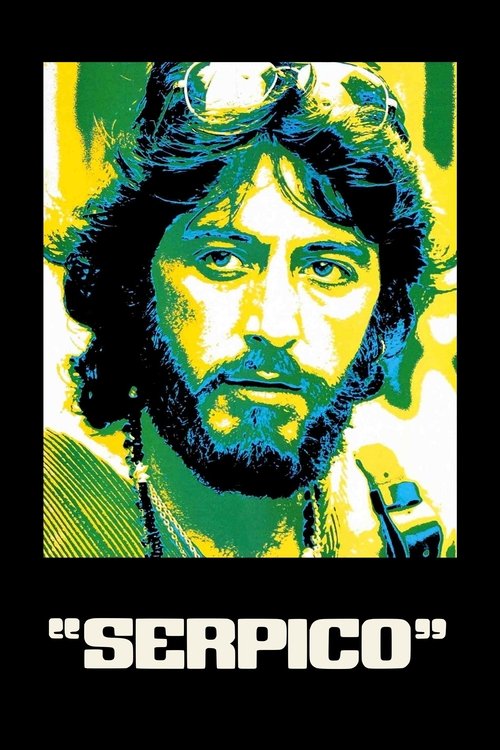
Serpico1973
Another New York cop film where principle collides with institutional corruption, but told with even greater moral urgency. Al Pacino's transformation from idealist to isolated whistleblower will deepen your understanding of Murphy's world.
But The earnestness can feel heavy-handed by today's standards, and some of the technical police procedural detail slows the narrative momentum.
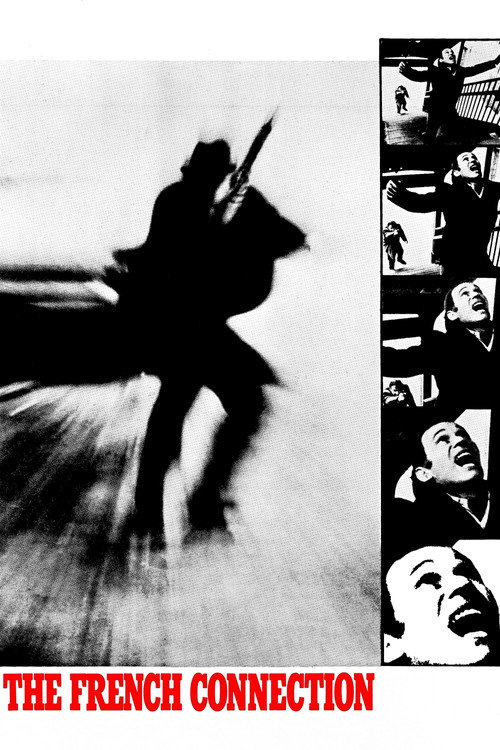
The French Connection1971
A masterclass in how to build a crime film around the texture of a city and the people who police it. Friedkin's direction and Gene Hackman's obsessive detective create something that feels lived-in and urgent in the same way.
But It's methodical to the point of slowness in stretches, and the famous car chase can overshadow the quieter, grimmer character work.
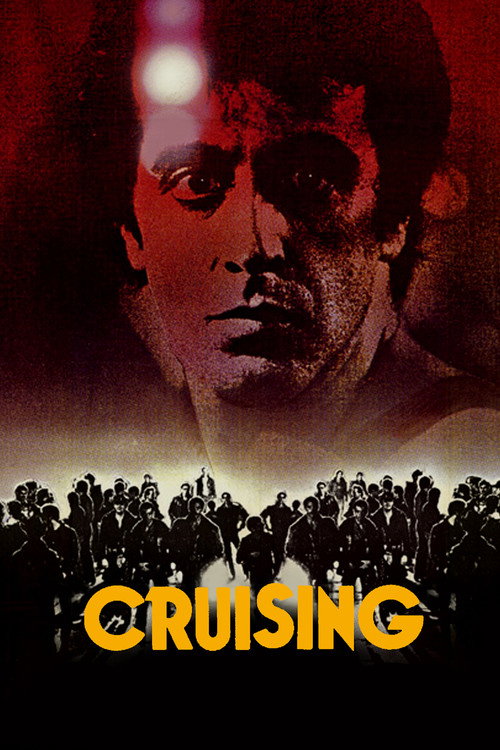
Cruising1980
Friedkin again, this time capturing New York's underworld with anthropological precision and genuine unease. Al Pacino undercover in a leather bar creates moral and narrative ambiguity that lingers uncomfortably—in the best way.
But It's genuinely offensive to many viewers and feels deliberately provocative in ways that can distract from its actual insights about performance and identity.
Not sure tonight? Get a pick in a minute, starting from Fort Apache, the Bronx
The wildcard
Something you would not have found on your own.
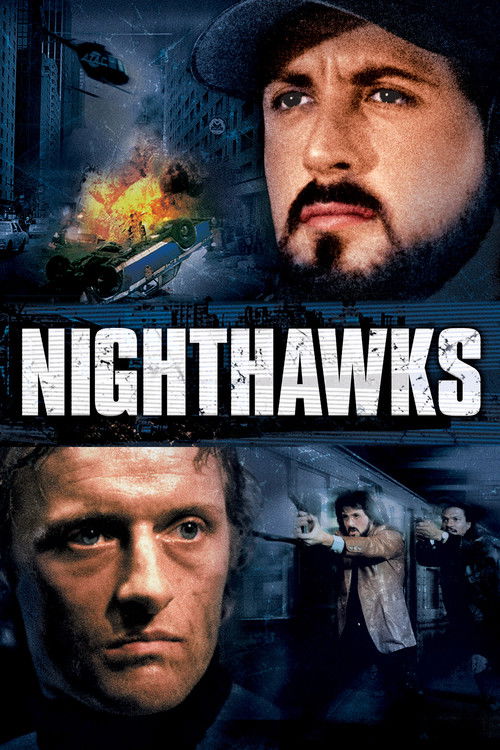
Nighthawks1981
Both 1981 New York cop films treating the precinct as a besieged institution where personal morality becomes operational strategy in an ungovernable city.
Sylvester Stallone as an anti-terrorism cop in the same New York in the same year, but directed by Bruce Malmuth with a lean, kinetic style. What connects them: both are films where the city itself is the moral pressure cooker, and cops are the ones holding the line.
But It veers closer to action thriller than procedural, which some find exciting and others find reductive. Stallone's range is limited compared to Newman's.
More like this (7)
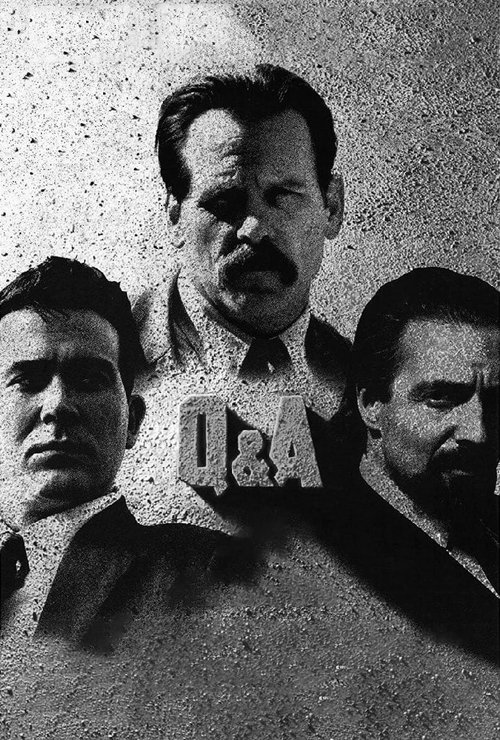
Q & A1990
Sidney Lumet's final masterpiece about corruption and complicity in the NYPD. It has Fort Apache's insider perspective but darker and more structurally ambitious, with a twist that reframes everything.
But It's almost three hours and juggling multiple timelines and moral failures simultaneously. Some find it schematic rather than emotionally resonant.
The Killing1956
Kubrick's racetrack heist seen through the eyes of cops, criminals, and the margins between them. The precinct as ecosystem rather than plot device—the same DNA as Fort Apache but in a different genre costume.
But It's in black-and-white and moves with 1950s pacing. The gender politics are period-authentic and uncomfortable.

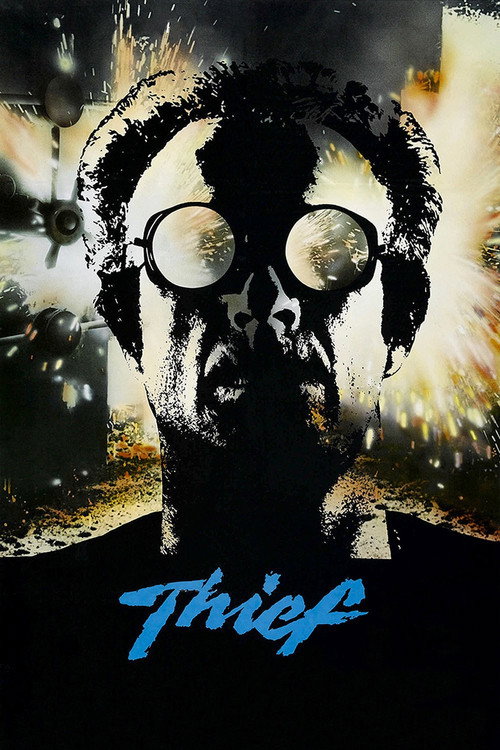
Thief1981
Michael Mann's same year, same city energy—a film about men working in systems that don't value them, chasing some version of integrity. James Caan's diamond thief has Murphy's weariness with different stakes.
But It's lean to the point of emotional distance. Some viewers find Mann's cool aesthetic alienating rather than involving.
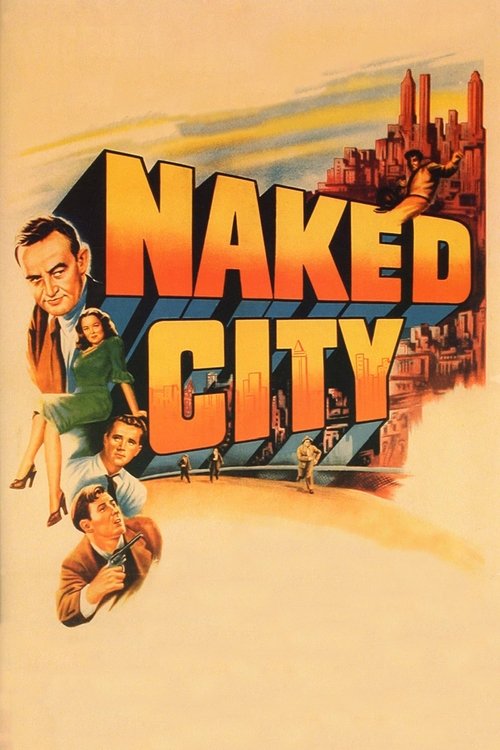
The Naked City1948
The original New York police procedural, shot on location in the actual city before that became standard. It's Fort Apache's spiritual grandfather—the precinct as institution, the city as character.
But The noir conventions feel dated and the pacing is glacial by modern standards. The plot can feel secondary to mood and setting.
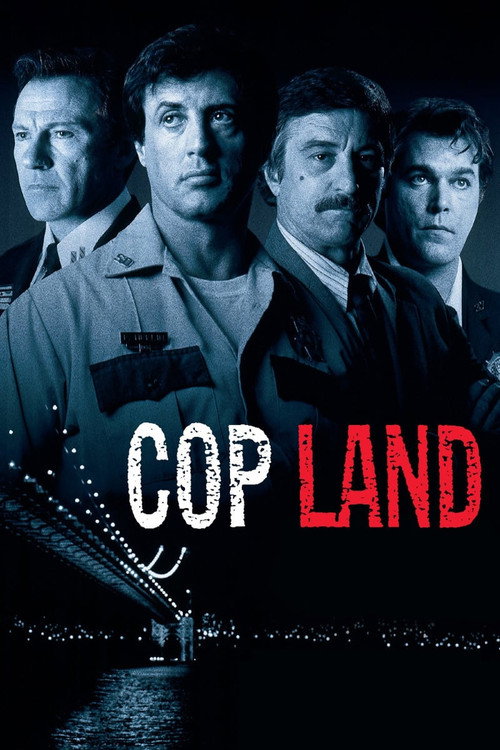
Cop Land1997
Stallone as an aging New Jersey cop investigating NYPD corruption across the river. It captures institutional rot and personal compromise with real nuance, and the ensemble cast (De Niro, Pacino, Harvey Keitel) is extraordinary.
But It's nearly two hours and somewhat baggy, with more characters than the plot fully supports. The ending feels thematically uncertain.
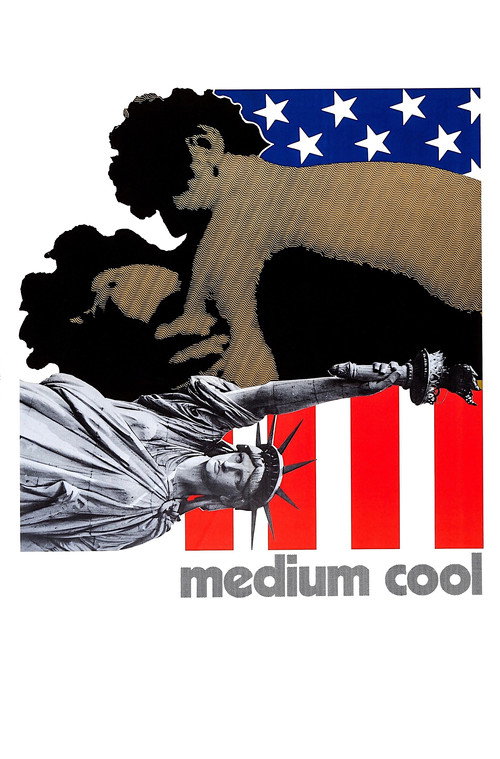
Medium Cool1969
Both use a specific profession and institution (cop, cameraman) as a lens to examine how individuals navigate systematic moral failure and complicity in larger institutional forces.
Haskell Wexler's only narrative film, about a TV cameraman in Chicago during the '68 riots. It has Fort Apache's documentary texture and its moral confusion about observation versus action, but through the lens of media rather than law enforcement.
But It's experimental and digressive. The narrative structure can feel uncertain, and some viewers find the politics dated or didactic.
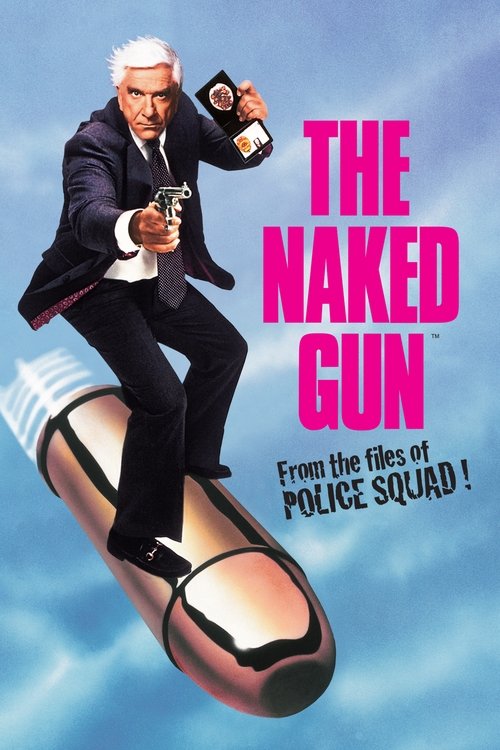
The Naked Gun: From the Files of Police Squad!1988
Both are obsessed with the specific grammar of police procedural films and precinct culture, but one treats it as tragedy and the other as farce—inverse registers on identical material.
Zucker, Abrahams, Zucker's parody of 1970s cop procedurals, with Leslie Nielsen as Lt. Frank Drebin. The gag is that every trope Fort Apache treats as inevitable—corruption, brutality, institutional chaos—is played for laughs. It's the same world, inverted.
But Absurdist comedy is not for everyone, and if procedural realism is what you're after, this will feel like mockery rather than critique.
People
Cast
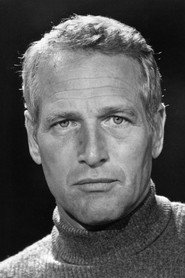 Paul NewmanMurphy
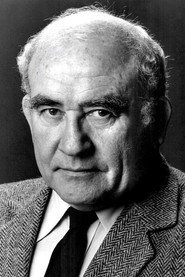 Ed AsnerConnolly
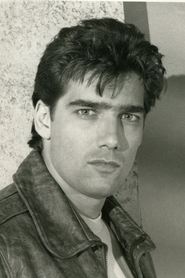 Ken WahlCorelli
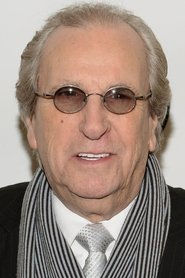 Danny AielloMorgan
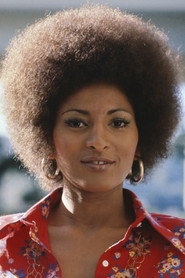 Pam GrierCharlotte
 Rachel TicotinIsabella
 Kathleen BellerTheresa
- Tito GoyaJumper / Detective
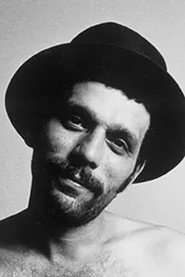 Miguel PiñeroHernando
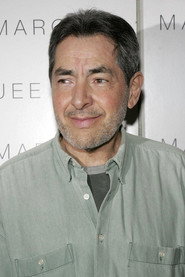 Jamie TirelliJose
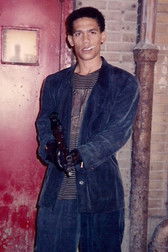 Lance GueciaTrack star
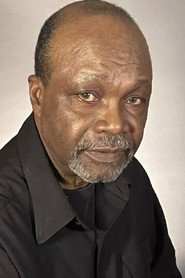 Rony ClantonPimp
Directing
- Daniel PetrieDirector
Writing
- Pete TessitoreStory
- Thomas MulhearnStory
- Heywood GouldWriter
Production
- Gill ChampionCo-Producer
- Mary Lea JohnsonCo-Producer
- David SusskindExecutive Producer
- Martin RichardsProducer
- Thomas FiorelloProducer
Recommended by
End of Watch, The Enforcer, The Tuskegee Airmen, See Here, Private Hargrove, Death Wish 3, Death Wish II, The Annihilators, Angel, Fuzz