
Film
Death Wish II
- Vigilante
- Revenge action
- Very dark
Death Wish II is a raw 1982 revenge thriller where Charles Bronson's vigilante hunts gang members through Los Angeles with methodical fury. It's visceral and propulsive—exploitation cinema executed with craft and conviction. For those who want their action primal and their morality deliberately murky, not cleaned up for comfort.
If you liked this
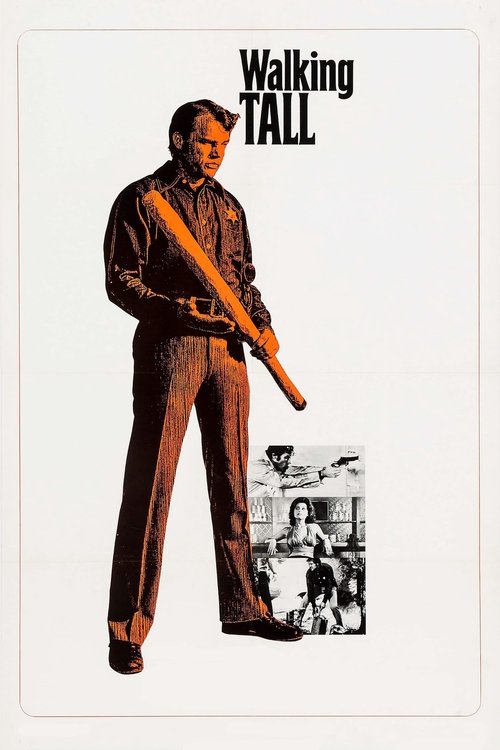
Walking Tall1973
A real sheriff responds to violence with his own brand of justice in rural Tennessee. Like Bronson, the protagonist operates outside law with grim purpose and an unshakable moral conviction rooted in genuine loss.
But Slower paced than Death Wish II and less glamorous. The tone is heavier, more documentary-like, which some find ponderous rather than gripping.
Ms .451981
Absalon's masterpiece: a woman responds to assault by becoming a methodical urban avenger. It matches Death Wish II's intensity and moral ambiguity while exploring different terrain—a mute protagonist, visual storytelling, raw exploitation.
But Sexploitation elements and graphic assault scenes will repel many viewers. The film's perspective on female revenge is provocative in ways some find exploitative, not empowering.

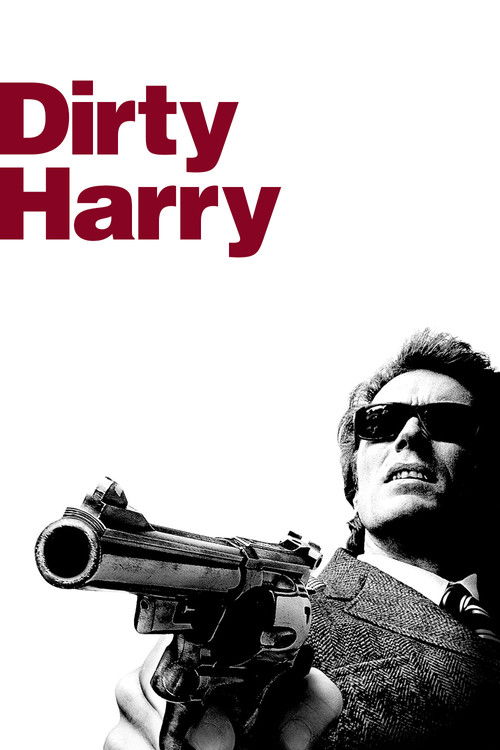
Dirty Harry1971
Siegel's landmark: a cop who operates by his own code in a system he despises. The moral uncertainty about whether rough justice works mirrors Death Wish II's central unease, with a magnetic lead and 1970s grit.
But By now it feels like the prototype everyone's seen. Knowing where it goes diminishes the cat-and-mouse tension, and the philosophy has been analyzed to death.
Not sure tonight? Get a pick in a minute, starting from Death Wish II
The wildcard
Something you would not have found on your own.
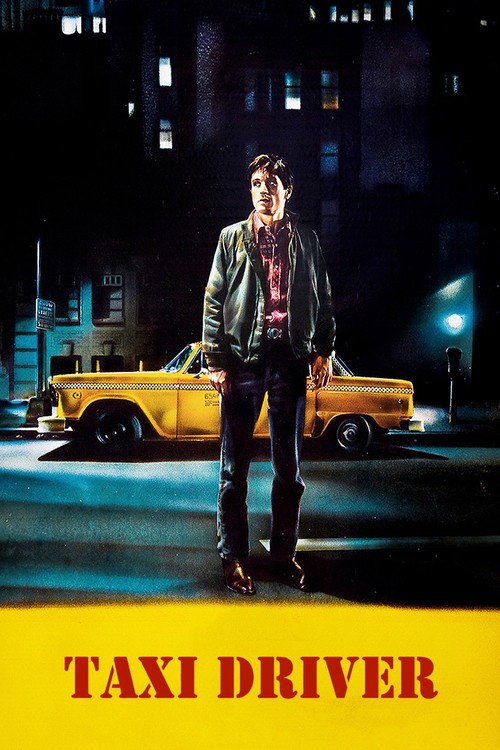
Taxi Driver1976
Both portrait the vigilante as pathology. Death Wish II lets him be a hero; Taxi Driver suggests he's a dangerous fantasist. Watching them back-to-back reveals how much the genre is about how the camera looks at violence.
Scorsese's masterpiece explores the same psychological terrain—urban alienation, vigilante fantasy, a protagonist convinced only private violence can fix a broken world. But Travis Bickle never gets the satisfaction Kersey finds. The film dissects the vigilante impulse rather than celebrating it.
But It moves through Travis's deterioration in real time, which means stretches of loneliness and aimlessness. The violence, when it comes, is shocking and incomplete—not cathartic like Death Wish II aims to be.
More like this (8)
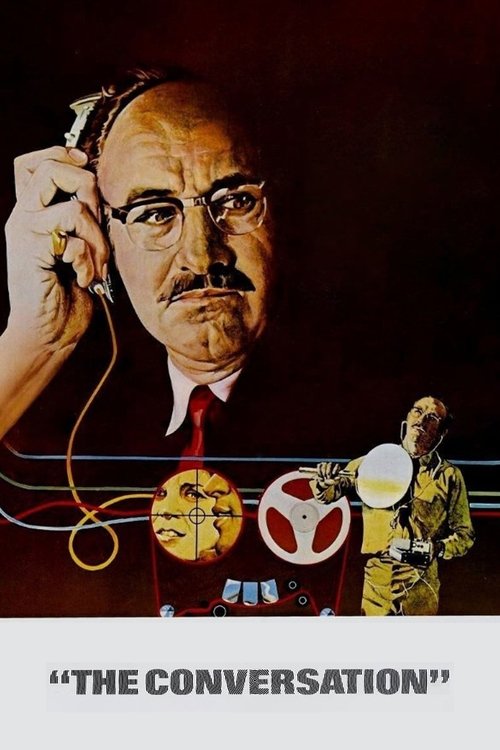
The Conversation1974
Released just after Death Wish II, this Robert Forster vehicle captures the same low-budget exploitation energy—a man hunting his daughter's killer through New York with accumulating body counts and no narrative flourish.
But Budget constraints show in acting and pacing. It lacks Bronson's screen presence and Fleischer's directorial confidence, making it feel like an imitation rather than its own film.
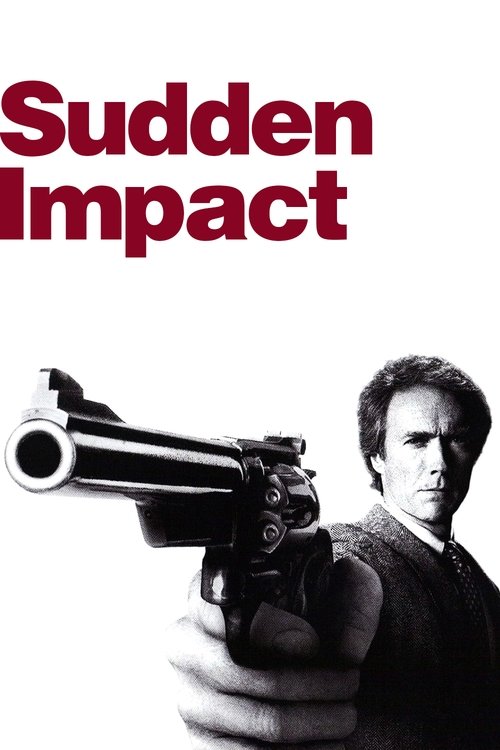
Sudden Impact1983
Eastwood as Dirty Harry, working outside the system again, investigating a serial killer who seems to be executing rapists. The moral algebra—is vigilantism justified—mirrors Death Wish II's refusal to offer easy answers.
But The sexual violence scenes are graphic and difficult. Some find the film's handling of trauma exploitative rather than serious, and the resolution feels compromised.
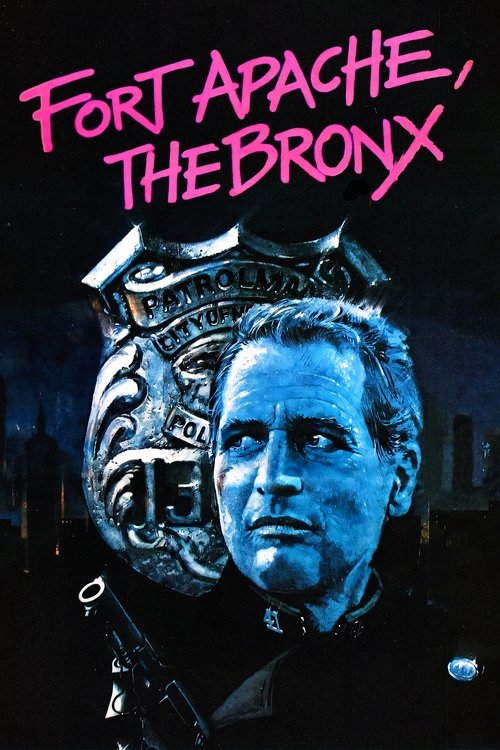
Fort Apache, the Bronx1981
Bronson plays a cop in a collapsing system, and the film captures the same burnt-out rage at institutional failure that fuels Paul Kersey. Urban decay and police cynicism give it thematic weight beneath the action.
But The depiction of the South Bronx is dated and its racial politics feel uncomfortable now. It's more interested in cop-world fatigue than in narrative momentum.
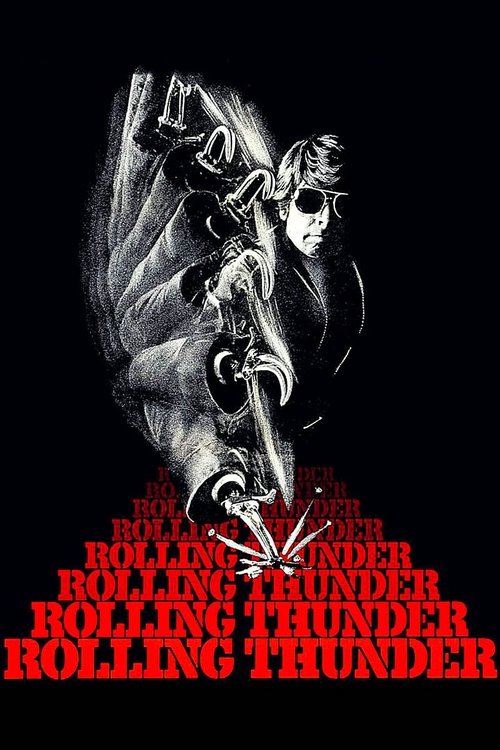
Rolling Thunder1977
Scorsese-adjacent revenge: a Vietnam vet returns home to find his family destroyed, and with a friend, wages methodical war on his tormentors. The same blood-logic as Kersey, with real technical craft in the violence.
But Slower than Death Wish II and more interested in character than action. The first act is ponderous before the revenge mechanism kicks in.
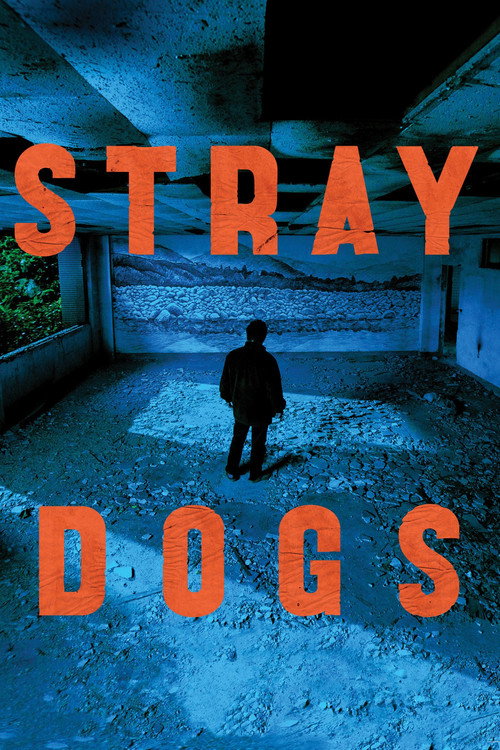
Stray Dogs2014
Exploitation veteran Michael Winner (who also directed Death Wish) takes on a similar vigilante story with Lee Van Cleef. B-movie energy, authentic grit, and a refusal to sentimentalize its protagonist's path.
But Genuinely cheap-looking at times, with uneven acting and pacing. It plays more like a curiosity than a fully achieved film, even by exploitation standards.
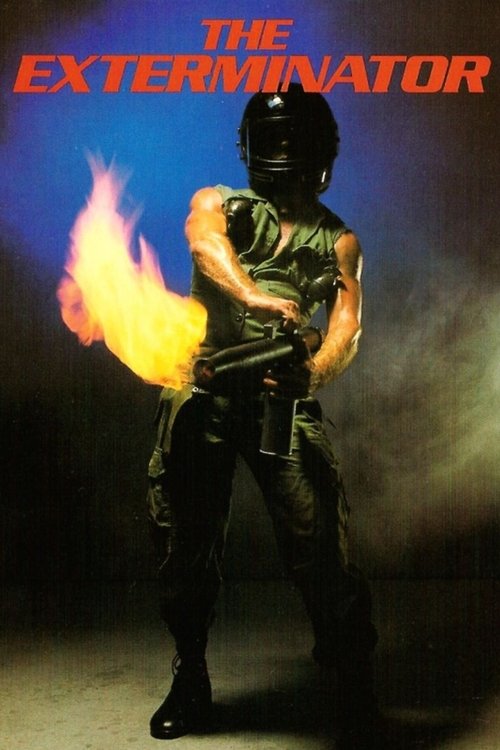
The Exterminator1980
A Vietnam vet witnesses a friend's rape and decides to execute rapists himself, methodically, through New York City. Direct predecessor to Death Wish II in tone and structure—visceral, unapologetic, darkly effective.
But The sexual violence is graphic and relentless. Some will find the film's pleasure in its protagonist's work genuinely repugnant rather than dramatically compelling.
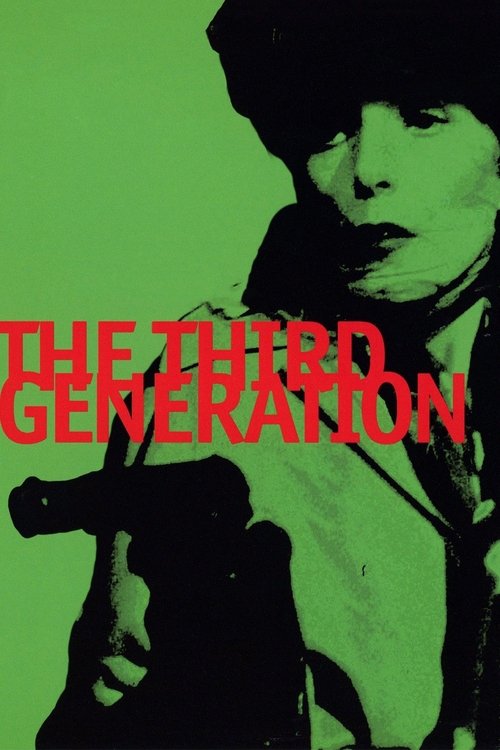
The Third Generation1979
Both examine how justified anger can metastasize into something else. Where Kersey is certain, Fassbinder shows the political actors as confused, ideological, self-deceiving. Same moral decay, different register.
Fassbinder's paranoid political thriller follows a group of terrorists in Berlin, but the real subject is the same as Death Wish II—the seduction of violence as clarity when the world feels corrupt. It's also a study of how systems collapse from within.
But It's a German political cinema film in Fassbinder's elliptical style. If you're coming from Death Wish II for another action rush, this will feel deliberately obscure and slow. It requires patience with ambiguity.
In the Mood for Love2000
Both films are obsessed with the idea that returning to a space, performing an action again, can somehow change its meaning. One is about revenge repeating; one is about desire repeating. Both suggest the human animal is caught in grooves it can't escape.
Wong Kar-wai's jewel-box film studies the pleasure and pain of unfulfilled desire in 1960s Hong Kong. It shares Death Wish II's interest in repetition as a rhythm—scenes echo and refract—and in longing as a form of action.
But It's a maximalist visual poem where almost nothing happens in plot terms. After Bronson's efficiency, its glacial pacing and refusal of closure will seem precious to many viewers.

People
Cast
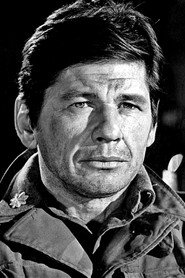 Charles BronsonPaul Kersey
 Jill IrelandGeri Nichols
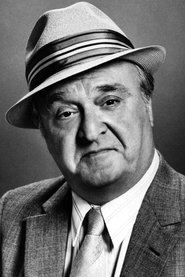 Vincent GardeniaDet. Frank Ochoa
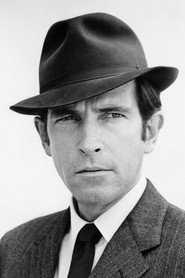 J.D. CannonNew York D.A.
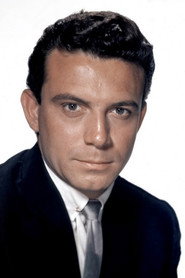 Anthony FranciosaHerman Baldwin
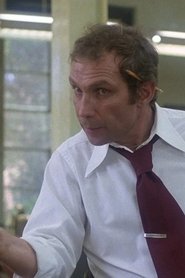 Ben FrankInspector Lt. Mankiewicz
 Robin SherwoodCarol Kersey
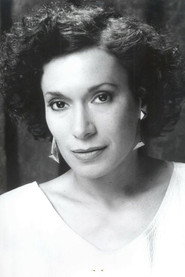 Silvana GallardoRosario
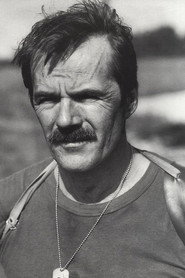 Robert F. LyonsFred McKenzie
- Michael PrinceElliot Cass
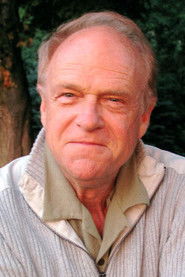 Drew SnyderDeputy Comm. Hawkins
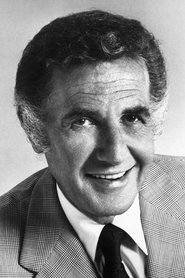 Paul LambertNew York Police Comm.
Directing
- Michael WinnerDirector
- Russell VreelandFirst Assistant Director
- Alleen N. NollmannScript Supervisor
- Roger CarltonSecond Assistant Director
Writing
- Brian GarfieldCharacters
- David EngelbachWriter
- Michael WinnerWriter
Production
- Christopher PearceAssociate Producer
- Beth VoikuCasting
- Joe ScullyCasting
- Bobby RobertsExecutive Producer
- Hal LandersExecutive Producer
- Bud AronsonLocation Manager
- Jack EnglishLocation Manager
- Menahem GolanProducer
- Yoram GlobusProducer
- Marilyn TassoProduction Accountant
- Kent AdamsonProduction Assistant
- Tony WadeProduction Manager