
Film
Tokyo Drifter
Tokyo Drifter is less a yakuza thriller than a fever dream about one. Seijun Suzuki was handed a disposable studio programmer and turned it into pop art: candy-coloured sets, a hero drifting through them like a ghost in a powder-blue suit, plot logic abandoned somewhere around reel two. It's for anyone who wants mood, colour and sheer cool over coherence — cinema as pure sensation.
If you liked this
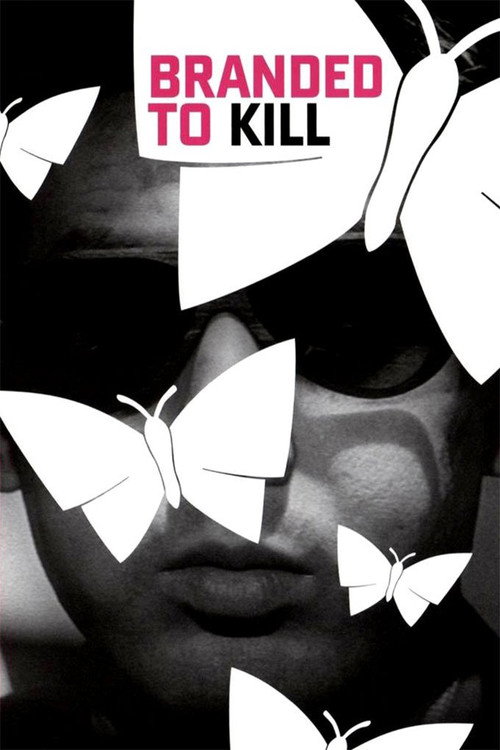
Branded to Kill1967
Suzuki's own follow-up is even stranger and more abstract — the film that got him fired from the studio for being 'incomprehensible.' It's the fullest, most unhinged version of this director's genius.
But Almost aggressively plotless. If Tokyo Drifter's looseness frustrated you, this will finish the job.
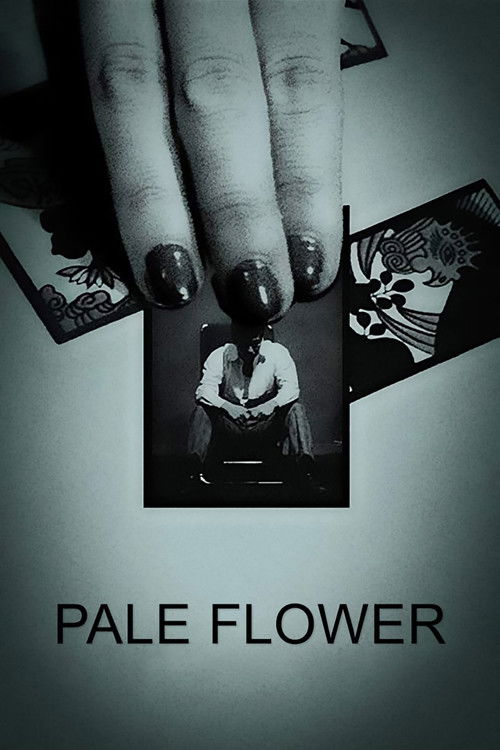
Pale Flower1964
Same era and genre, opposite temperature — Masahiro Shinoda's noir is smoky, existential and gorgeous rather than gaudy, following a yakuza fresh out of prison drifting toward oblivion.
But Cool to the point of numbness. Don't expect the colour or the manic energy.
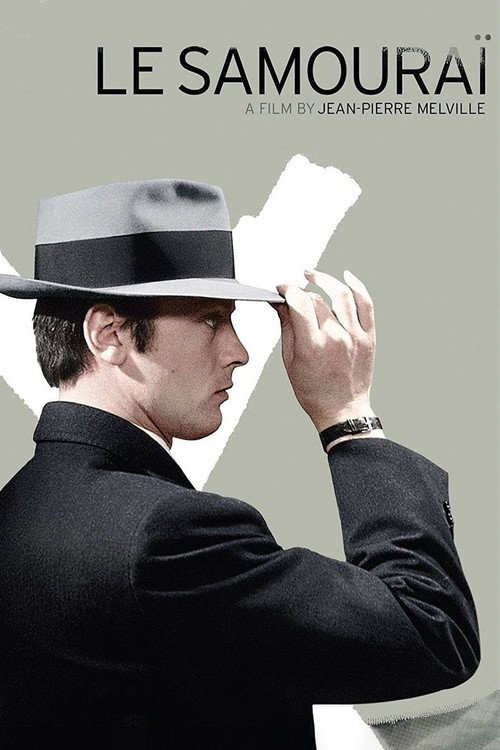
Le Samouraï1967
Melville's Parisian hitman in a trench coat is the Western cousin of Tetsu — impossibly cool, code-bound, doomed, filmed with the same obsessive control over space and silence.
But Slower and colder than Suzuki's film; the style here is minimalist, not maximalist.
The wildcard
Something you would not have found on your own.
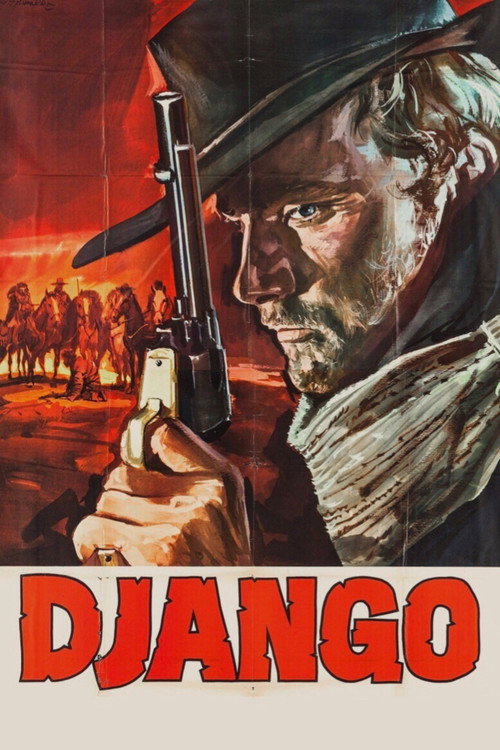
Django1966
Both films take a genre's most disreputable corner — the hired gun with a private code — and blow it up into operatic, near-abstract spectacle, in the same year, on opposite continents.
Made the same year, on the other side of the world, about the same basic figure — a lone gunman weighed down by a code and a body count, moving through a landscape stripped of realism into pure stylised violence.
But Spaghetti-western grime and gore replace neon and jazz; the tone is nastier and less playful.
More like this (8)
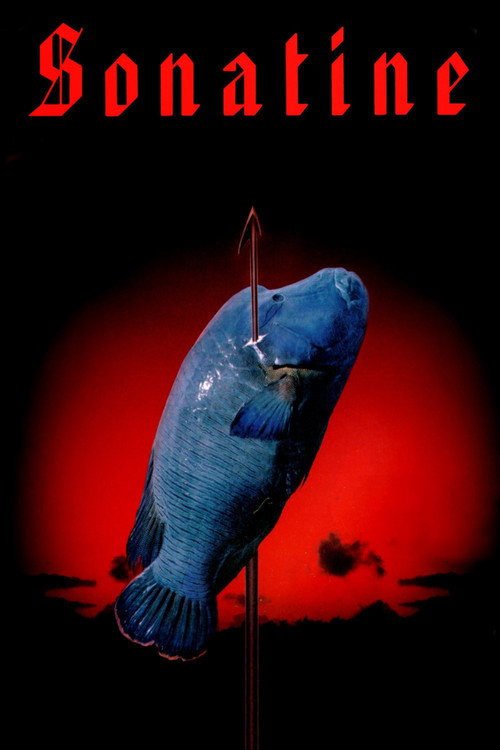
Sonatine1993
Takeshi Kitano strips the yakuza genre down to boredom, sudden violence and deadpan comedy — the tonal opposite of Suzuki's razzle-dazzle, built from the same genre bones.
But Deliberately slow and flat. The humour is very dry and the violence unglamorous.
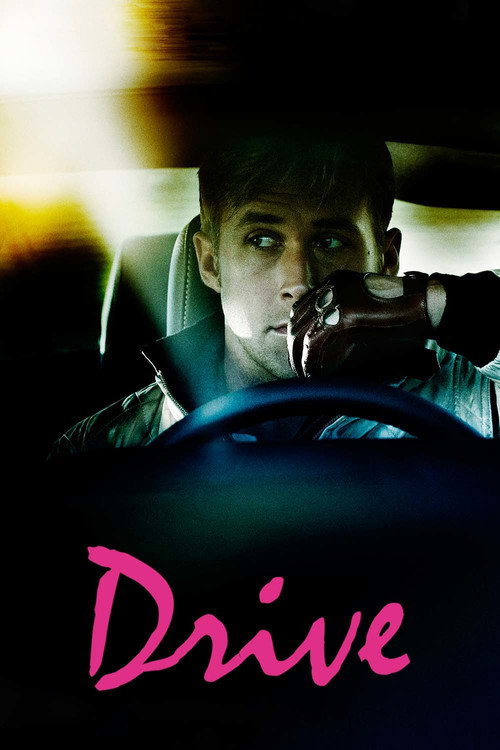
Drive2011
Nicolas Winding Refn's neon getaway thriller is basically Suzuki filtered through synth-pop — a near-silent driver, saturated colour, violence staged as choreography.
But More brutal and blood-soaked in its back half than anything in Tokyo Drifter.
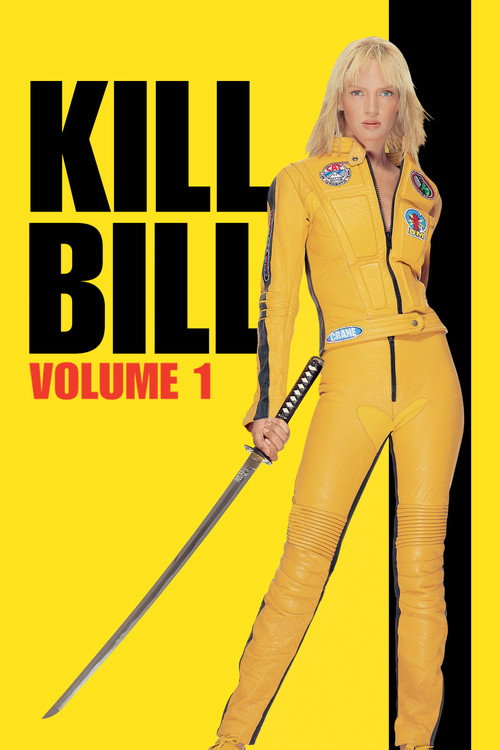
Kill Bill: Vol. 12003
Tarantino's blood-and-candy tribute to Japanese genre cinema wears its Suzuki influence openly — the same love of colour-coded set pieces and pulp elevated into art.
But Far more graphically violent and much longer; subtlety was never the goal.
Youth of the Beast1963no page yet
An earlier Suzuki film, still fairly straight-laced by his standards but already showing the visual wildness — a great look at where the Drifter style came from.
But Less delirious than Tokyo Drifter; the craziness is still finding its feet.
Battles Without Honor and Humanity1973no page yet
Kinji Fukasaku's grittier, documentary-style yakuza saga is the genre's other pole — handheld, brutal, historically grounded, a corrective to any romanticism.
But None of the stylisation. If you loved the artifice, this will feel like a cold shower.
The Yakuza1974no page yet
Sydney Pollack's American-Japanese co-production, with Robert Mitchum as an outsider drawn into yakuza codes of honour and debt, plays the mythology straight rather than stylised.
But Slower, more conventional filmmaking; it explains the codes Suzuki never bothers to.
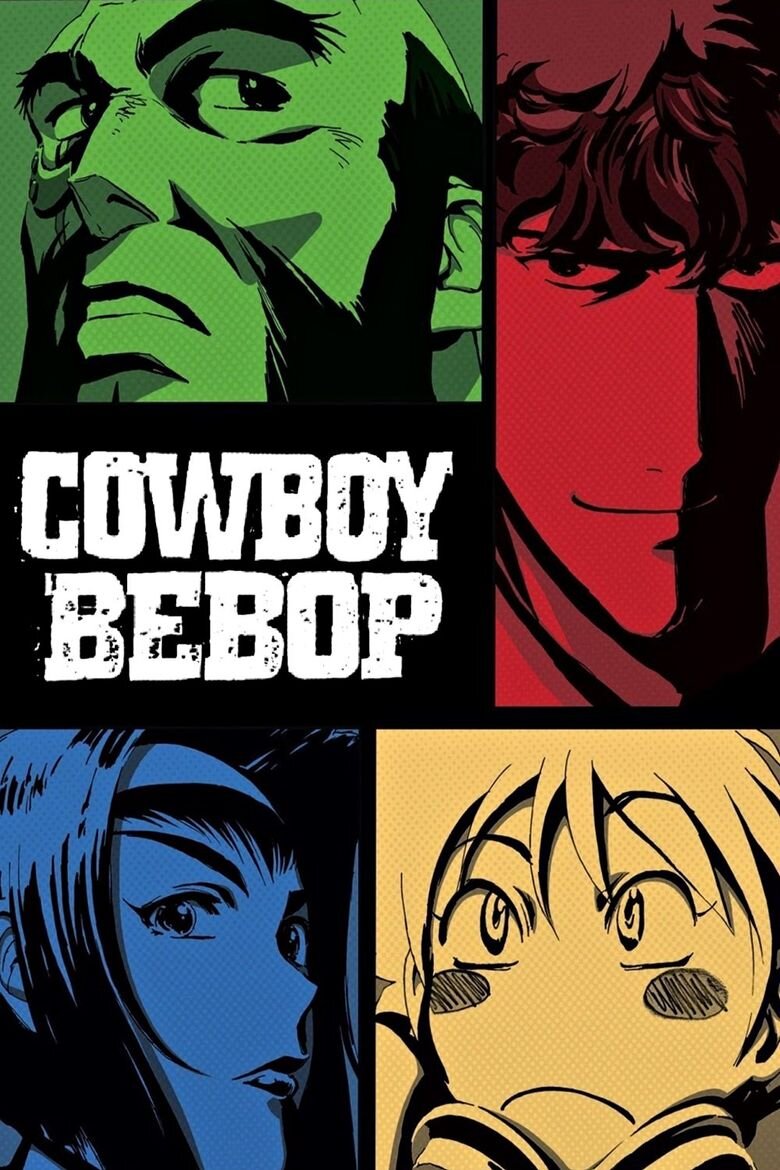
Cowboy Bebop1998
Both are about rootless men who move through pulp genre furniture — crime, western, noir — more interested in mood and style than plot resolution.
A wandering bounty hunter drifts between jobs and genres to a jazz score in this landmark anime series — the same restless, stylish loneliness as Tetsu, just drawn instead of shot.
But It's a 26-episode commitment, and the tone swings from goofy to heartbreaking without warning.
Tokyo Vice2022no page yet
Same city, same criminal world, same fascination with loyalty and betrayal — but played for truth instead of pop art, the sober answer to Suzuki's fever dream.
Based on real reporting on the Tokyo underworld, this drama trades Suzuki's candy colours for grimy realism, showing what the yakuza actually cost the people who cover and cross them.
But Deliberately unglamorous and slow-building; anyone hoping for style over substance will be disappointed.
People
Cast
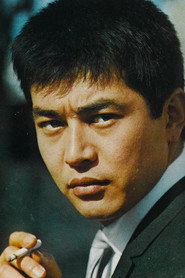 Tetsuya WatariTetsuya "Phoenix Tetsu" Hondo
 Chieko MatsubaraChiharu
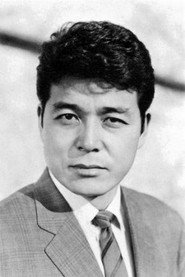 Hideaki NitaniKenji Aizawa
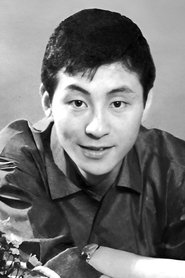 Tamio KawachiTatsuzo the Viper
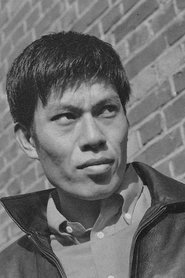 Eiji GōTanaka
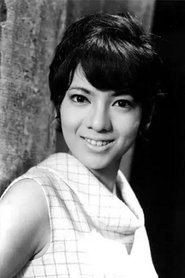 Tomoko HamakawaMutsuko
- Takeshi YoshidaKeiichi
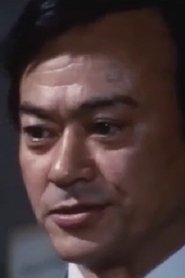 Isao TamagawaUmetani
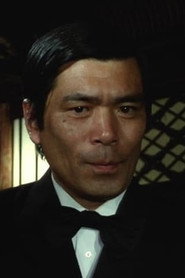 Eimei EsumiOtsuka
- Ryuji KitaKurata
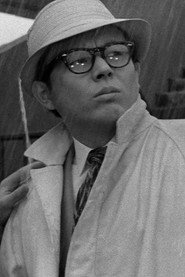 Yuzo KiuraFujimura
- Hiroshi ChōKumamoto
Directing
- Masami KuzūAssistant Director
- Seijun SuzukiDirector
Writing
- Kōhan KawauchiAuthor
- Kōhan KawauchiScreenplay
Production
- Tetsuro NakagawaProducer
- Yasufusa OkadaProduction Manager