
Film
The Cincinnati Kid
A young poker prodigy challenges the reigning champion in a tense, beautifully composed battle of wits and nerve. Steve McQueen at peak cool, Edward G. Robinson at peak cunning. It's a character study disguised as a game, where every hand reveals something deeper about ambition, ego, and what it costs to be the best. For anyone who loves men in rooms making consequential decisions.
Should you watch it?
Watch it if you love films where the tension lives in faces and silences, where a card game plays like a duel of nerve and pride, and where a 1960s studio polish gives every smoky room a gleam.
Skip it if you need constant motion or a fast-cut rhythm, since the story lingers over long conversations and quiet stares, and its poker talk can feel repetitive if the game itself does not grip you.
What it asks of you: It runs about 102 minutes and keeps a steady, unhurried pace, asking you to sit with slow scenes and read small gestures rather than chase big set pieces.
Not sure? Find tonight's pick in a minute.
If you liked this
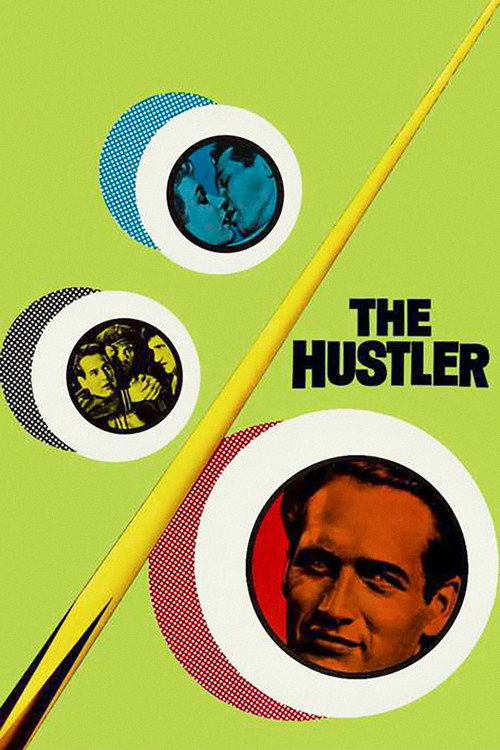
The Hustler1961
Paul Newman as a pool shark learning hard lessons from Jackie Gleason's veteran. Same era, same DNA—a contest between generations where the real game is about honor and understanding yourself.
But It's slower and more morally complicated than you might expect. The romance subplot can feel like it's from another film entirely.
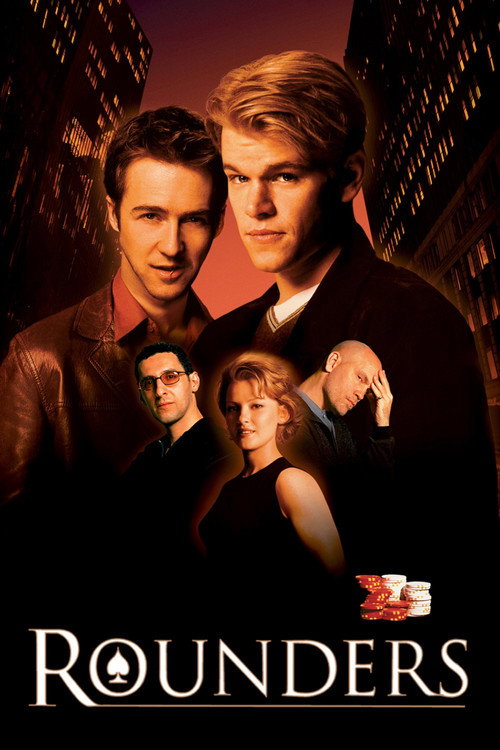
Rounders1998
Matt Damon and Edward Norton in the modern poker underworld. Captures that same intoxication with high-stakes competition and the seductive myth that skill can conquer everything.
But Slicker and glossier than The Cincinnati Kid. Some of the poker logic requires you to just trust the film knows what it's talking about.
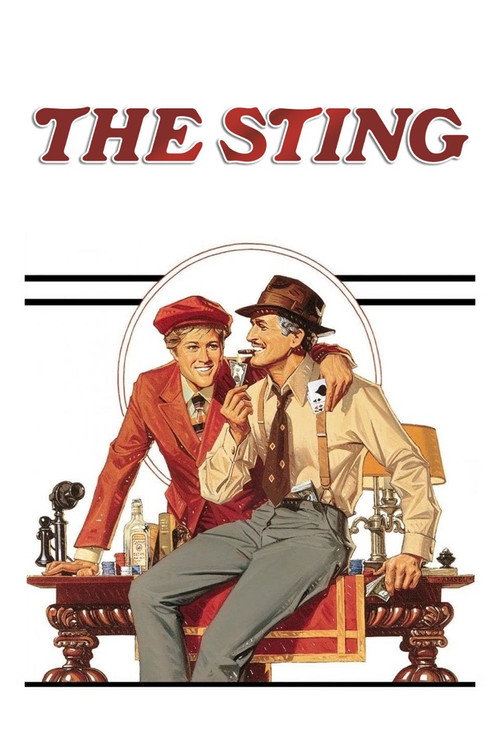
The Sting1973
Newman and Redford in an elaborate con that's pure pleasure. The same pleasure in watching masters work, the same cat-and-mouse dynamic, but in a heist wrapped in ragtime.
But It's about outmaneuvering rather than competition, and far sunnier in temperament. Less introspective, more showmanship.
Not sure tonight? Get a pick in a minute, starting from The Cincinnati Kid
The wildcard
Something you would not have found on your own.
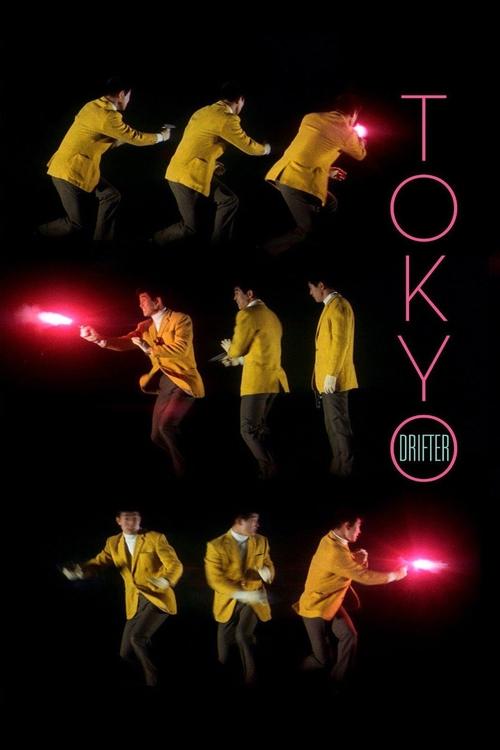
Tokyo Drifter1966
Both explore masculine pride and reputation through a series of precise, ritualized confrontations. Both understand that the real contest is internal—proving something to yourself, not just to your opponent.
Seijun Suzuki's yakuza film is a pop-art fever dream about a man proving himself through code and style. Like Cincinnati Kid, it's obsessed with composure under pressure and what it means to be the best. But instead of a card table, you get neon geometry and existential violence.
But Deliberately artificial and stylized in ways that will seem bizarre if you're expecting realism. The plot is thin and deliberately frustrating. Subtitled.
More like this (8)
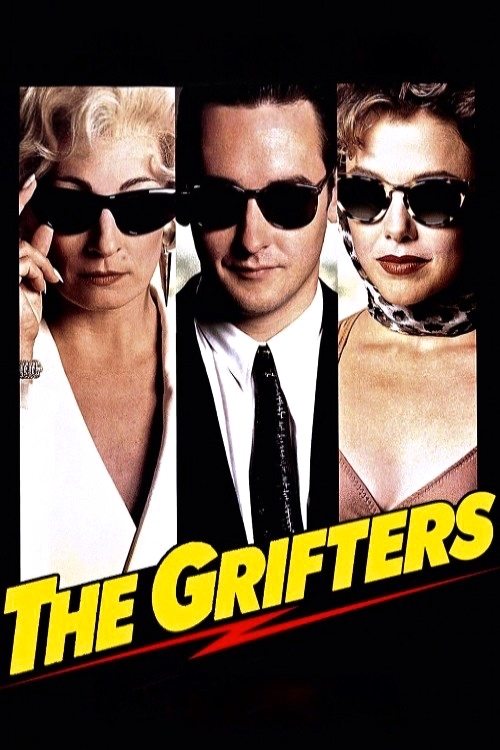
The Grifters1990
Con artists and hustlers in a grimy, tense triangle. John Cusack caught between Annette Bening and Angelica Huston, learning that skill doesn't guarantee survival. Raw and genuinely unsettling.
But Darker and more cynical than The Cincinnati Kid. The ending doesn't resolve satisfyingly if you want catharsis.
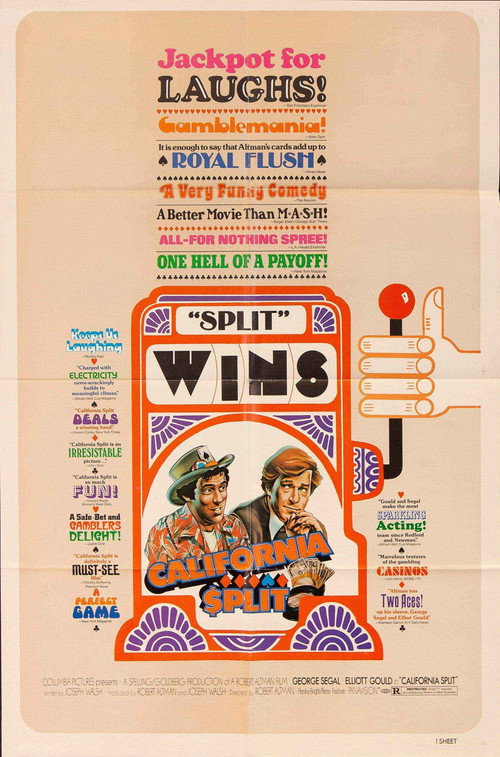
California Split1974
Altman's rambling, improvisational portrait of two gamblers. Less about winning and losing than about companionship, addiction, and the spaces between the bets. Elliott Gould and George Segal perfectly cast.
But Deliberately loose and shaggy. If you want a tight narrative with clear stakes, this will frustrate you.
The Killing1956
Kubrick's racetrack heist is built on timing and precision. Like Cincinnati Kid, it's about smart men calculating odds and making split-second decisions. Taut noir energy and a genuinely tense climax.
But The narrative structure is fractured and occasionally confusing. It's more interested in process than character development.

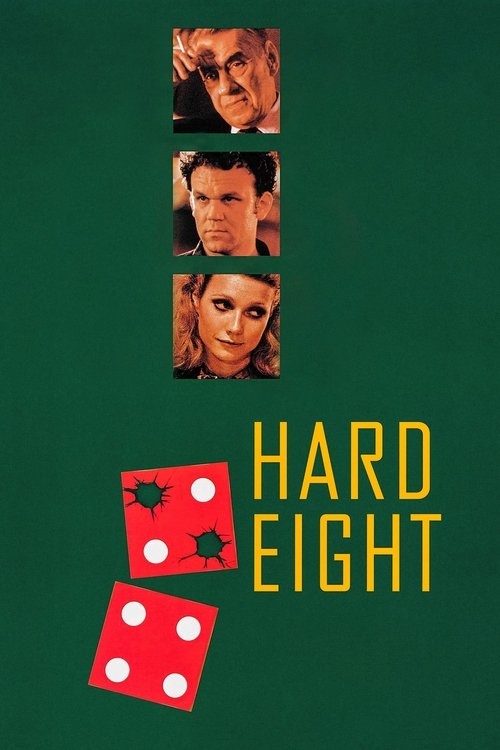
Hard Eight1997
Paul Thomas Anderson's debut about a gambler taking a younger man under his wing. Quieter and more philosophical than Cincinnati Kid, with Philip Seymour Hoffman discovering what mentorship actually means.
But Very deliberately paced. If you want action or dramatic confrontations, you'll be disappointed by how much of it is just talking in diners.
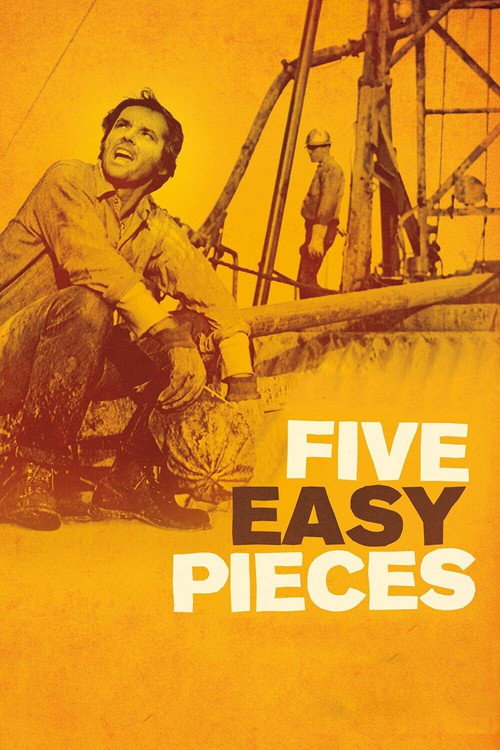
Five Easy Pieces1970
Jack Nicholson as a concert pianist living a lie, restless and unable to commit to anything—not love, not art, not a life. Like Cincinnati Kid, it's about a talented man struggling against his own nature.
But Not really about competition. More of a character unraveling than a man proving himself. Downbeat where Cincinnati Kid has stakes.
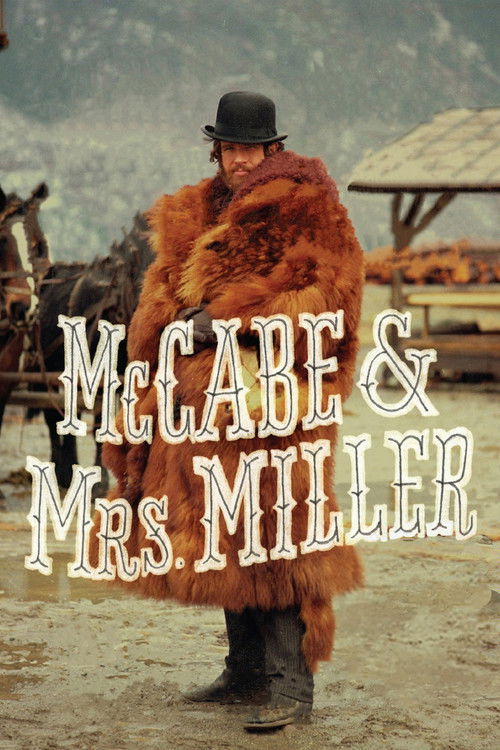
McCabe & Mrs. Miller1971
Warren Beatty as a small-time gambler trying to build something real. That same McQueen vibe of a man testing himself, but filtered through Altman's revisionist Western lens, messier and more human.
But It rejects every convention of its genre. If you want clarity or a hero's journey, it will disappoint you.
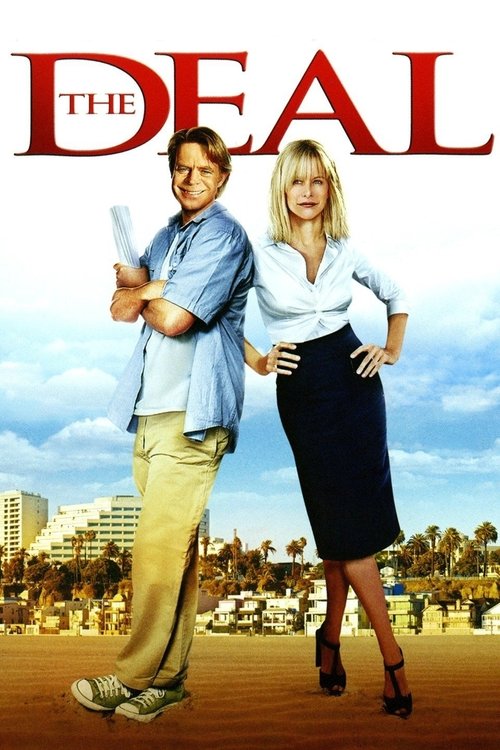
The Deal2008
Both are about power expressed through restraint and wit rather than force. Both understand that the greatest tension comes from watching someone calculate their next move.
A tense BBC miniseries about intense negotiations and psychological warfare. Three hours of men in rooms making consequential choices under pressure. Like Cincinnati Kid, it's entirely about reading your opponent and managing your nerve.
But Very British and deliberately understated. If you need explosions or clear villains, this will feel static. Released before prestige TV became a genre, so it looks and feels smaller than you might expect.
In the Mood for Love2000
Both films understand that the real drama happens in what's not said and what's not shown. Both are about mastery—Cincinnati Kid masters poker through composure; In the Mood for Love masters heartbreak through style and discipline.
Wong Kar-wai's achingly beautiful film about two neighbors discovering their spouses are having an affair. Like Cincinnati Kid, it's about performance and restraint—two people circling each other, reading signals, never quite revealing everything. Pure visual poetry.
But There's no plot in any conventional sense. It's all mood, color, and the space between words. Some find it transcendent; others find it glacial and frustrating.

People
Cast
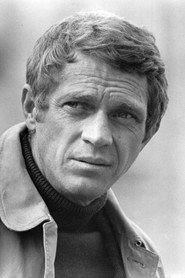 Steve McQueenEric Stoner ("The Cincinnati Kid")
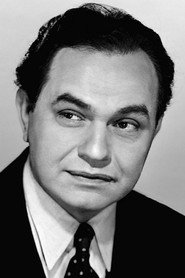 Edward G. RobinsonLancey Howard
 Ann-MargretMelba Nile
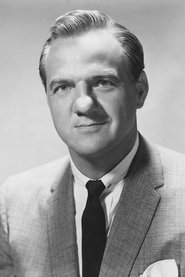 Karl MaldenShooter
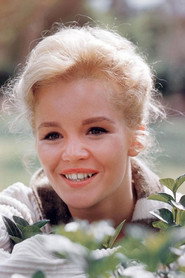 Tuesday WeldChristian Rudd
 Joan BlondellLady Fingers
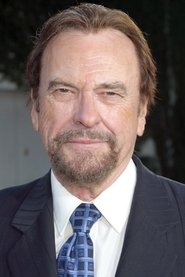 Rip TornWilliam Jefferson Slade
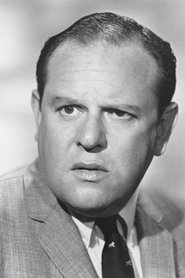 Jack WestonPig
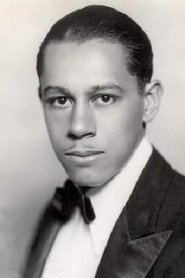 Cab CallowayYeller
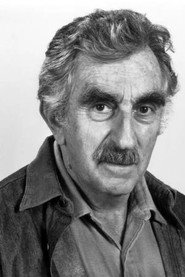 Jeff CoreyHoban
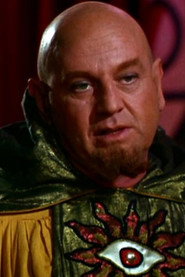 Theo MarcuseFelix
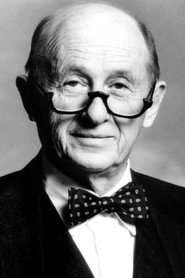 Milton SelzerSokal
Directing
- Norman JewisonDirector
Writing
- Richard JessupNovel
- Ring Lardner Jr.Screenplay
- Terry SouthernScreenplay
Production
- Steve McQueenCo-Producer
- John CalleyProducer
- Martin RansohoffProducer
Recommended by
Croupier, The Hustler, Rounders, All In: The Poker Movie, High Roller: The Stu Ungar Story