
Film
Rififi in Tokyo
A 1963 heist film where a grizzled European gangster travels to Tokyo to orchestrate a diamond robbery. It's a stylish, deliberately paced crime procedural that treats theft as work—careful, technical, morally grey. Built for viewers who relish methodical plotting over heroics, and who find the collision of Continental noir with Japanese underworld culture fascinating.
Should you watch it?
Watch it if you like heist films built on meticulous planning and clockwork crews, where the fun is watching professionals work and the hold-up unfolds in methodical detail.
Skip it if you want fast action or sharp modern thrills, since this is a measured, old-fashioned film whose tension builds slowly and whose stylishness can feel dated.
What it asks of you: Settle in for roughly 98 minutes of patient setup, where the quiet preparation carries as much weight as the crime itself and you are asked to follow a lot of planning.
Not sure? Find tonight's pick in a minute.
If you liked this
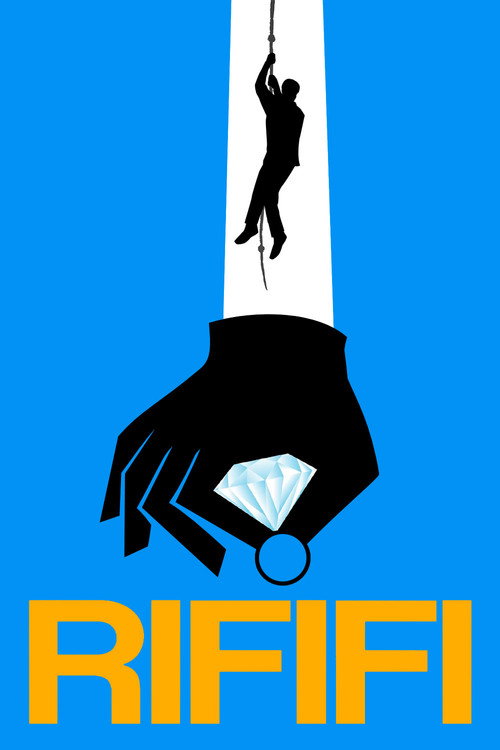
Rififi1955
The original French heist masterpiece that inspired this sequel. Jules Dassin's silent-robbery sequence is legendary, and the film's cool procedural approach to crime set the template that Tokyo's film copies and admires.
But Black-and-white 1950s French crime drama moves slowly by modern standards, and the plot mechanics matter more than character development.
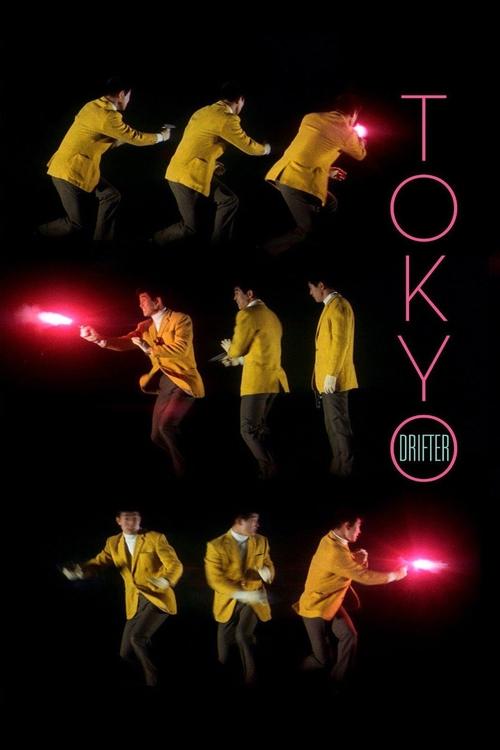
Tokyo Drifter1966
Seijun Suzuki's wildly stylish yakuza film with a similarly cool Tokyo underworld setting. Neon-soaked, formally inventive, and driven by the same zen-like acceptance of crime as inevitable.
But More abstract and visually experimental than narrative-driven; some find its aesthetics overwhelming rather than engaging.
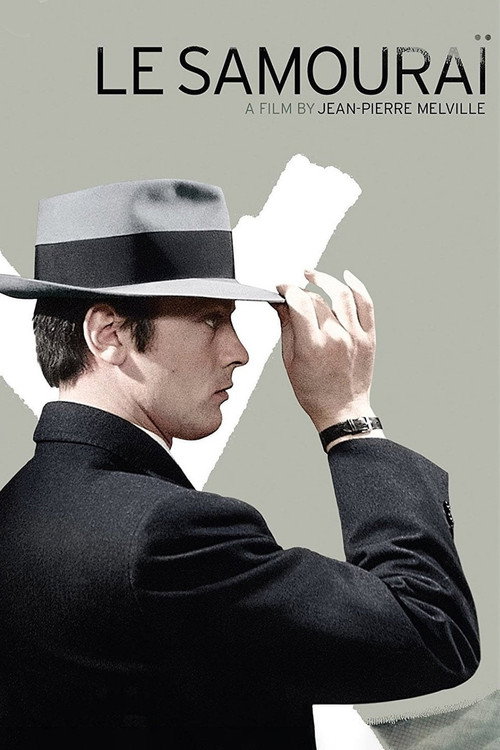
Le Samouraï1967
Melville's ice-cold contract killer film shares the same DNA: methodical, minimalist, European cool transplanted into an alien landscape. A masterclass in how style and silence convey discipline.
But Deliberately emotionally distant; the protagonist barely speaks or emotes, which some experience as coldness rather than sophistication.
Not sure tonight? Get a pick in a minute, starting from Rififi in Tokyo
The wildcard
Something you would not have found on your own.
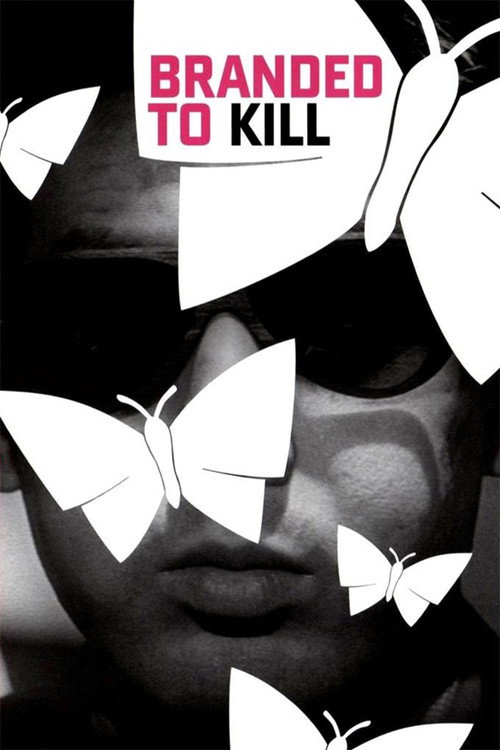
Branded to Kill1967
Both present the Japanese criminal underworld as a self-contained system with its own logic and morality. Suzuki's film takes the same milieu and fractures it into nightmare.
Seijun Suzuki's delirious yakuza assassin film is shot through with the same Tokyo underworld milieu and amoral precision. But where Tokyo is cool and methodical, Branded is surreal and hallucinatory—same world, inverted temperature. A contract killer obsessed with the smell of boiling rice: utterly strange and hypnotic.
But The plot is deliberately fragmented and dreamlike; it's far more interested in sensation than narrative coherence. Some find it bewildering rather than inspired.
More like this (7)
The Killing1956
Kubrick's non-linear racetrack heist film proves that procedure and precision can be as gripping as violence. It shares Tokyo's fascination with the logistics of pulling off the perfect job.
But Dated noir dialogue and mid-century sexual politics that haven't aged gracefully; the plot's complexity can feel overwrought.

In a Lonely Place1950
Ray's acid exploration of a morally compromised man in a foreign milieu (Hollywood). Like Tokyo, it treats its protagonist with neither condemnation nor celebration—just observant clarity.
But Psychologically dark and bleak without redemption; the domestic violence content is uncomfortable and unresolved.

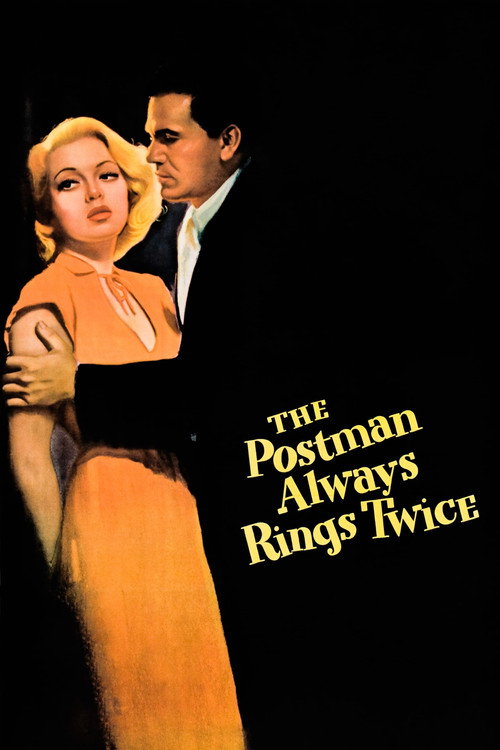
The Postman Always Rings Twice1946
A femme fatale and a drifter entangle themselves in a scheme with unseen consequences. That doom-laden fatalism and the focus on small betrayals echo through Tokyo's sensibility.
But The plot feels contrived by modern standards, and the gender dynamics are strictly period—women as temptresses, nothing more.
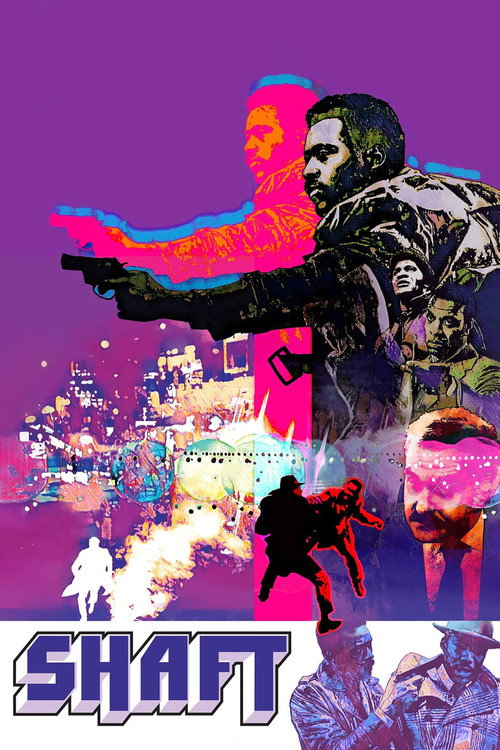
Shaft1971
A private detective moves through a dangerous criminal underworld with unflappable cool. The funk-soaked procedural approach and refusal to judge its protagonist parallels Tokyo's moral ambiguity.
But The plot is fairly straightforward and resolved quickly; some find the film's politics dated or shallow.
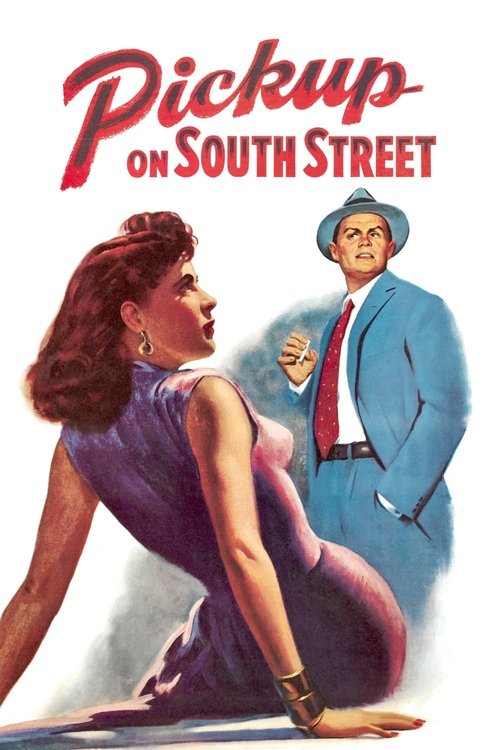
Pickup on South Street1953
Fuller's crime thriller about a pickpocket caught in Cold War intrigue. It shares Tokyo's interest in how ordinary crooks navigate larger, impersonal systems of power.
But The anti-communist messaging feels heavy-handed now; the woman character exists mainly to facilitate the male plot.
Stalker1979
Both use the architecture of a carefully planned mission to explore what people actually want beneath the surface justification. Tokyo uses crime; Tarkovsky uses metaphysics. Same engine.
Tarkovsky's meditative sci-fi about a guide leading visitors through a mysterious zone to a room that grants wishes. Structurally, it's a journey-heist film: preparation, arrival, the job itself. But it's glacially philosophical, more interested in what we desire than in plot mechanics. For viewers ready to sit with long takes and existential dread.
But 163 minutes of Russian cinema about philosophy and desire, with almost no action. If you need forward momentum or conventional storytelling, this will feel impenetrable.

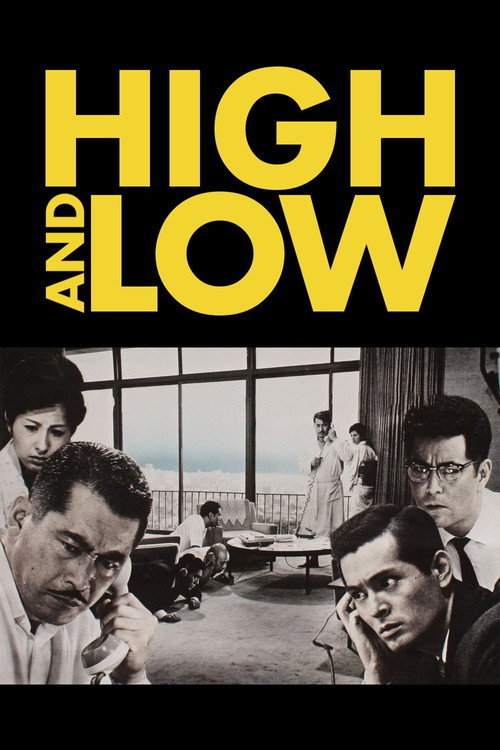
High and Low1963
Twin-born Tokyo films exploring crime, money, and Japanese society through meticulous procedure. One plans a theft; the other investigates a kidnapping. Exact inverses of the same moral inquiry.
Kurosawa's 1963 crime film about a businessman whose son is kidnapped and ransomed. Tokyo came out the same year. High and Low shares its Tokyo setting and yakuza underworld, but it's a kidnapping thriller, not a heist. Yet both are procedurals about money and crime viewed with Kurosawa-esque moral clarity—watching a system at work, neither condemning nor celebrating.
But Black-and-white, 143 minutes, and deliberately paced in the way Japanese cinema was then. The class themes are somewhat didactic.
People
Cast
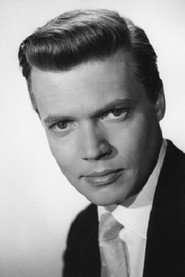 Karlheinz BöhmCarl Mersen
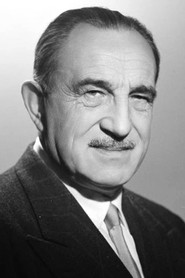 Charles VanelVan Hekken
 Barbara LassFrançoise Merigne
 Keiko KishiAsami
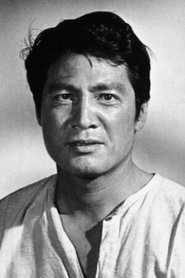 Eiji OkadaDanny Riquet
 Masao OdaKan
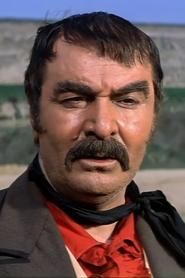 Dante MaggioLuigi
- Hideki SuzukiItoushi
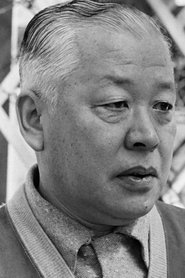 Eijirō YanagiIshimoto
Directing
- Jacques DerayDirector
Writing
- Jacques DerayAdaptation
- José GiovanniAdaptation
- Rodolphe-Maurice ArlaudAdaptation
- José GiovanniDialogue
- Auguste Le BretonNovel