
Film
Vivre Sa Vie
- Social drama
- Very dark
- Slow-burning
Godard's radical portrait of a Parisian woman adrift in the modern city. Told in twelve discrete chapters, it watches Nana navigate love, work, philosophy and survival with a piercing emotional clarity that defies the film's fragmented structure. Essential cinema, made accessible by Anna Karina's luminous presence.
Should you watch it?
Watch it if you are drawn to cool, observational filmmaking that treats one life as a run of finely framed scenes, where a quiet café exchange can carry as much weight as a plot turn.
Skip it if you want momentum and a steady story arc; the film is deliberately episodic and distanced, so emotional access comes slowly and you may stay at arm's length.
What it asks of you: Eighty-four minutes split into twelve separate chapters, with long static takes and talk that circles rather than advances; it asks you to sit still and listen closely.
Not sure? Find tonight's pick in a minute.
If you liked this
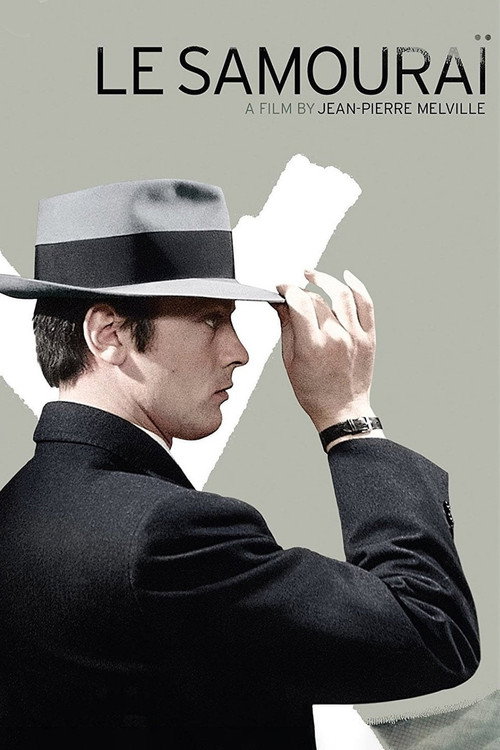
Le Samouraï1967
Melville's ice-cold masterpiece about a hitman moving through Paris with mathematical precision. If you loved Godard's cool observation of urban isolation, this extends that mood into pure genre. Visually rapturous.
But The plot is thin and deliberately so. Long stretches of near-silent action could feel glacial rather than meditative if you're not in the right headspace.
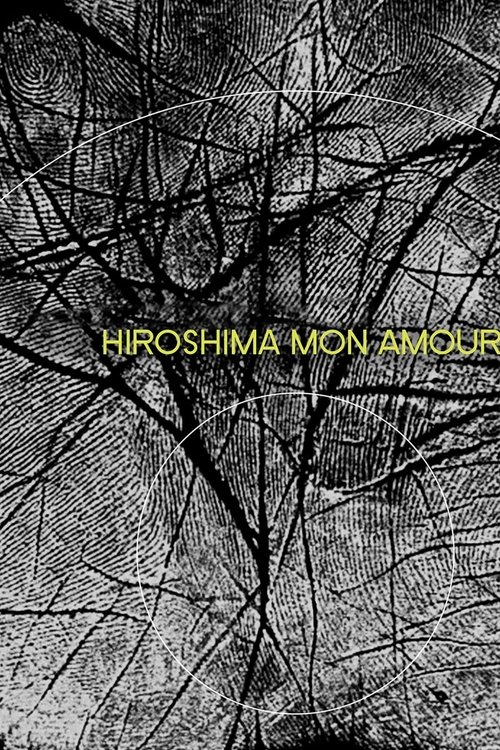
Hiroshima Mon Amour1959
Resnais and Duras craft a film about memory and forgetting through two lovers in post-war Hiroshima. Like Godard, it breaks conventional narrative; unlike him, it's suffused with tenderness and philosophical weight. Transcendent.
But The opening is abstract and challenging. If you need plot momentum early, the film's dreamy unfolding may frustrate before it moves you.
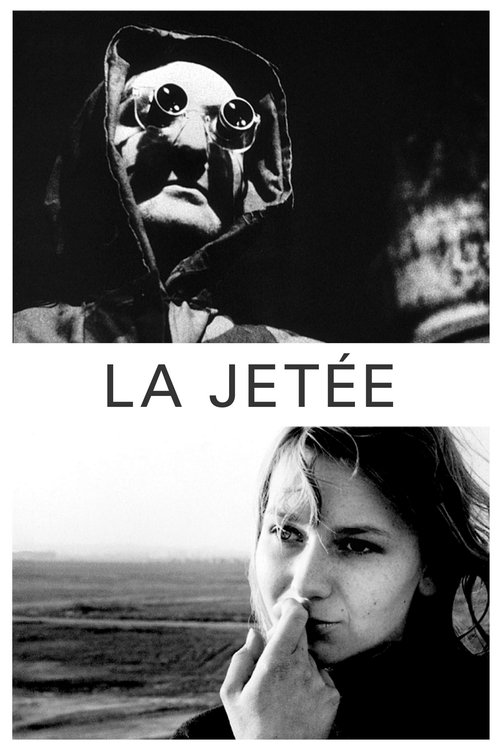
La Jetée1962
A science-fiction film made almost entirely of still photographs. Marker achieves what Godard attempts—profound humanity through radical form. The narrator's voice becomes the pulse. Simultaneously experimental and deeply romantic.
But Calling it a 'film of photographs' may sound like a gimmick. Without surrender to its rhythm, it plays as precious rather than powerful.
Not sure tonight? Get a pick in a minute, starting from Vivre Sa Vie
The wildcard
Something you would not have found on your own.
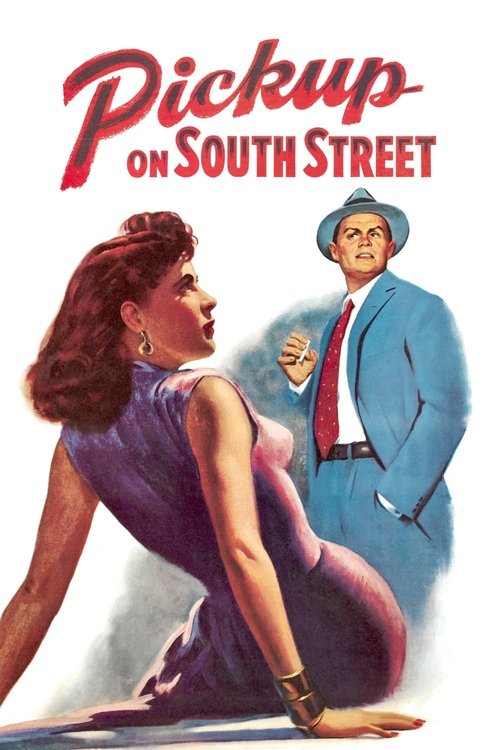
Pickup on South Street1953
Both films locate moral seriousness in characters society dismisses. Fuller and Godard see prostitutes, petty criminals, and drifters as fully human, worthy of the camera's sustained attention.
Samuel Fuller's B-movie about spies and pickpockets in New York, shot with noir intensity and genuine human sympathy. It shares Godard's fascination with margin-dwellers and urban survival, but in a pulp idiom—rawer, grittier, more urgently alive. A secret tunnel between high and low cinema.
But The plot is serviceable spy-thriller mechanics. Without investment in noir conventions, it reads as dated genre exercise.
More like this (8)
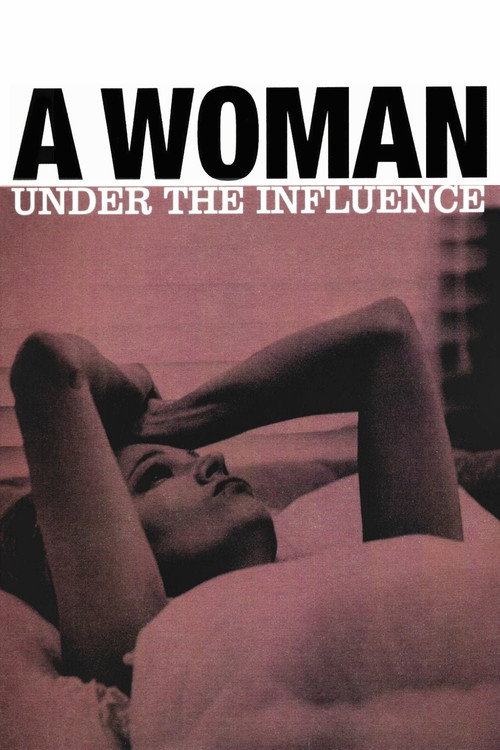
A Woman Under the Influence1974
Cassavetes follows a woman's unraveling with the same attentive, non-judgmental eye Godard trained on Nana. Gena Rowlands delivers a performance of terrifying vulnerability. Raw, American, and equally committed to capturing a life in pieces.
But It's nearly three hours of domestic chaos and emotional exhaustion. The close-up intensity can feel suffocating, which is partly the point—but that doesn't make it easy.
Contempt1963
Godard's own follow-up, about a screenwriter, his wife, and a film producer. Meta, gorgeous, and haunted by the collapse of a marriage. Brigitte Bardot's face registers the death of love in real time. A natural next step.
But The philosophical tangents and jump-cuts deepen the alienation. Some will find that thrilling; others will call it self-indulgent, and they won't be entirely wrong.

La Haine1995
Kassovitz's portrait of three young men in suburban Paris, shot in stark black-and-white. It carries forward Godard's interest in social margins and urban texture, but with an urgency that feels more immediately political and less detached.
But The energy is explosive and sometimes didactic. Where Godard observes coolly, Kassovitz argues. If you preferred Godard's distance to his passion, this reversal won't suit you.

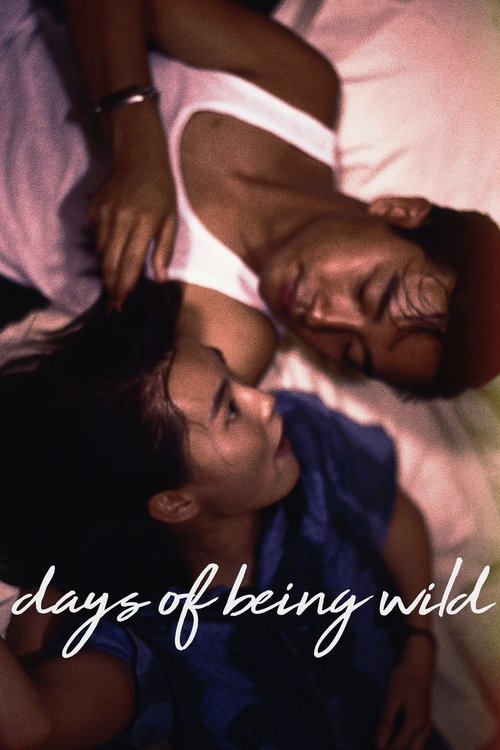
Days of Being Wild1990
Wong Kar-wai's debut traces a charismatic drifter through Hong Kong with Godardian detachment and visual intoxication. Like Nana, it's a film about someone fundamentally disconnected from the world around them, rendered in saturated light.
But The narrative is deliberately fragmented and the pacing glacial. If you want resolution or emotional clarity, you'll leave unsatisfied.
Stalker1979
Tarkovsky's philosophical science-fiction film about desire and the human need for meaning. It shares Godard's contempt for easy answers and his faith that cinema can think. Hypnotic, demands patience, rewards it abundantly.
But Nearly three hours of slow tracking shots through industrial landscapes. The metaphysics can feel impenetrable if you're not attuned to watching as meditation rather than entertainment.

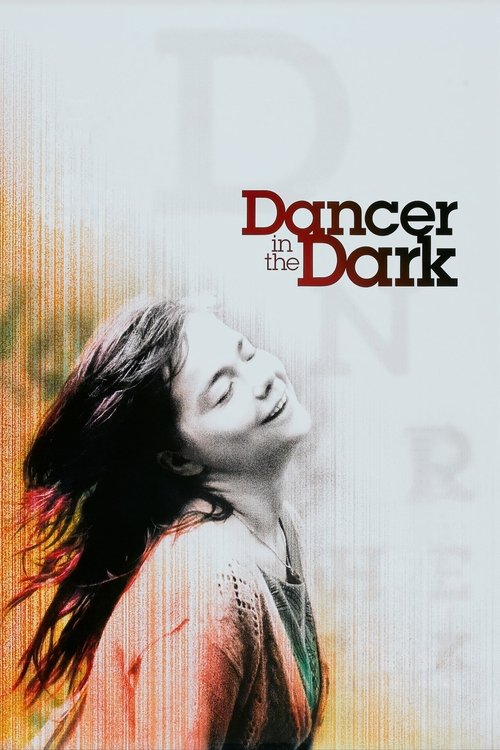
Dancer in the Dark2000
von Trier follows a factory worker toward tragedy with Godardian objectivity wrapped in musical numbers. Björk's performance is extraordinary—vulnerable, strange, and ultimately heartbreaking. A film that refuses to look away.
But The ending is punishing and the tonal shifts between realism and song jarring. It's less a pleasure than a profound ordeal.
Sans Soleil1983
Both use cinema's capacity to juxtapose image and sound, word and picture, to create meaning outside conventional narrative. Form itself becomes the subject.
Marker's essay-film is pure cinema: letters read over images from Africa, Japan, and Iceland, riffing on memory, politics, love and time. Not narrative, but profoundly emotional. Where Vivre Sa Vie is fiction, this is documentary freed from obligation to truth.
But There is no plot, no characters, no arc. If you need those anchors, the film will feel like pleasant wandering rather than profound thought.

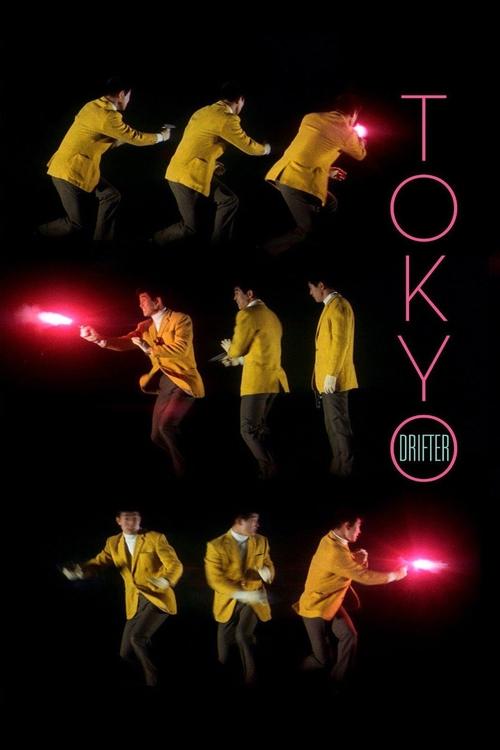
Tokyo Drifter1966
Both treat their protagonists as observers moving through worlds that don't quite accommodate them, using formal innovation to render alienation as aesthetic experience.
Seijun Suzuki's gangster film explodes into colour and abstraction, following a yakuza drifter with the same cool detachment Godard brings to Nana, but filtered through Japanese genre cinema and psychedelic style. It proves radical form isn't European property.
But The plot is minimal and the visual excess can overwhelm narrative. It's style-first filmmaking, which means it lives or dies by whether you're willing to surrender to its logic.
People
Cast
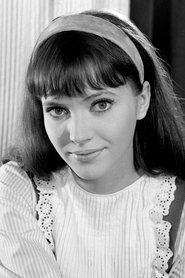 Anna KarinaNana Kleinfrankenheim
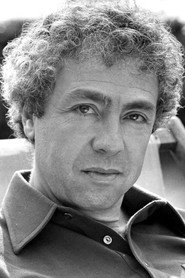 Sady RebbotRaoul
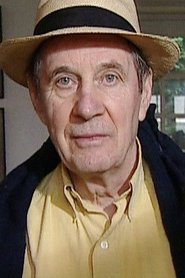
- Guylaine SchlumbergerYvette
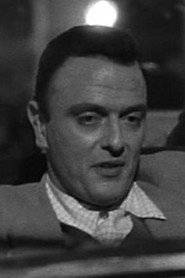 Gérard HoffmannChef
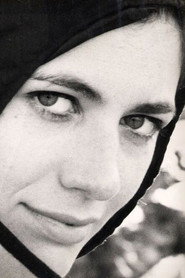 Monique MessineElisabeth
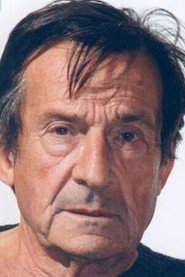 Paul PavelJournalist
- Dimitri DineffDimitri
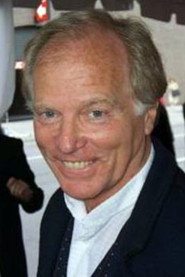 Peter KassovitzYoung Man
- Eric SchlumbergerLuigi
- Brice ParainPhilosopher
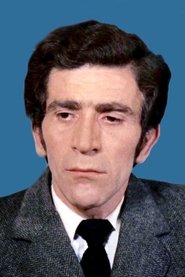 Henri AttalArthur
Directing
- Jean-Luc GodardDirector
- Bernard Toublanc-MichelFirst Assistant Director
- Suzanne SchiffmanScript Supervisor
- Jean-Paul SavignacSecond Assistant Director
Writing
- Marcel SacotteBook
- Jean-Luc GodardWriter
Production
- Pierre BraunbergerProducer
- Roger FleytouxProduction Manager
- Ida FassioProduction Secretary
- Jean-François AdamUnit Manager
Recommended by
Masculin Féminin, A Colt is My Passport, Symbiopsychotaxiplasm: Take One, Lola, 2 or 3 Things I Know About Her, Godard's Passion, Man Is Not a Bird, Made in U.S.A, Irma Vep, A Woman Is a Woman, The Savage Eye, Madame Bovary, Every Man for Himself, Le Petit Soldat, François Truffaut: Stolen Portraits, The Naked Kiss, Summer with Monika, Le Beau Serge, Les Bonnes Femmes, Regarding Susan Sontag, Number Two, The Young and the Damned, The Way Back, I'm a Stranger Here Myself, The House of the Angel