
Film
Masculin Féminin
Godard's fractured love story and manifesto for 1966, told in fifteen disconnected scenes. Paul and Madeleine orbit each other—he's a brooding idealist, she's chasing pop stardom—while the world spins toward consumerism and absurdity. It's cinema as argument, playful and maddening in equal measure. For anyone who believes movies can think out loud.
Should you watch it?
Watch it if you love films that feel like loose, restless conversations between sharp ideas and young faces, where a cigarette-stained Paris of cafés and political quarrels matters as much as the plot.
Skip it if you want a story that builds steadily toward something, since this Godard-era piece moves in fragments, shifts tone without warning, and can feel more like a set of sketches than one arc.
What it asks of you: It runs about 105 minutes and rewards patience, asking you to sit with loose scenes, interviews and abrupt jumps while keeping your attention on mood and talk rather than momentum.
Not sure? Find tonight's pick in a minute.
If you liked this
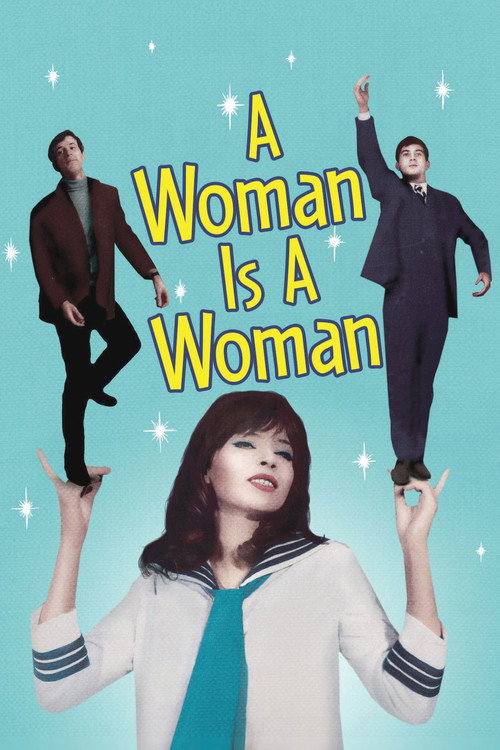
A Woman Is a Woman1961
Godard's earlier essay on love and cinema, lighter in touch but equally inventive. Belmondo and Deneuve sparkle as a couple negotiating desire, jealousy, and the space between them. Pure cinematic joy masquerading as a musical.
But It moves like a mood rather than a plot. If you need narrative momentum or emotional resolution, you'll leave frustrated.
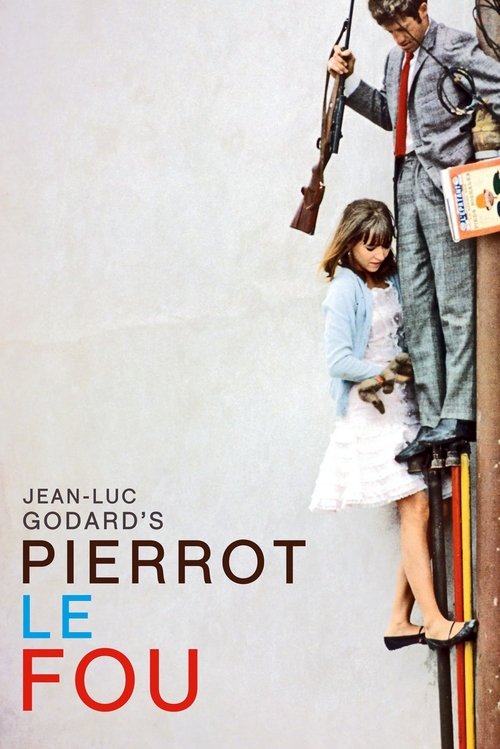
Pierrot le Fou1965
Belmondo and Karina on the run from Paris and themselves, painted in primary colours and pop-song rhythms. Godard in full provocation mode, mixing murder, philosophy, and the ache of loving someone who isn't yours to keep.
But Self-consciously bizarre and often pretentious. The digressive tangents aren't for everyone, and some will read it as style over substance.
Contempt1963
A marriage dissolves over the course of a film shoot on Capri. Godard's most accessible work: Brigitte Bardot's face, Jack Palance's bullish producer, and a grief so quiet it barely speaks. A film about the impossibility of knowing another person.
But Long, slow, and visually austere by modern standards. The philosophical arguments can feel dated; the romance is all regret.

Not sure tonight? Get a pick in a minute, starting from Masculin Féminin
The wildcard
Something you would not have found on your own.
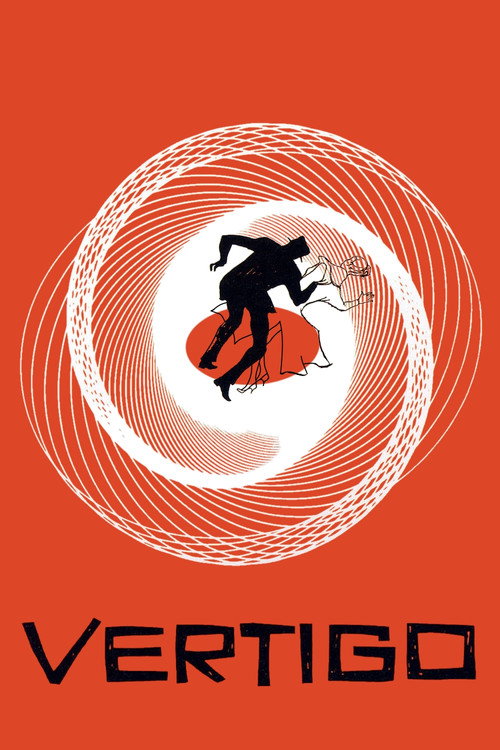
Vertigo1958
Both films structure themselves around the distance between two people who cannot quite meet. Both use formal artifice—Godard's vignettes, Hitchcock's spiralling narrative—to show how cinema itself can be a trap.
Hitchcock's obsessive masterpiece about a detective who reconstructs a woman into his fantasy. Like Masculin Féminin, it's about the gap between desire and reality, the impossibility of truly knowing another person. Both are built from repetition and fragmentation.
But Long, hypnotic, and genuinely unsettling in its portrait of male obsession. Some find it glacial; others find it morally troubling in ways that reward discomfort.
More like this (8)
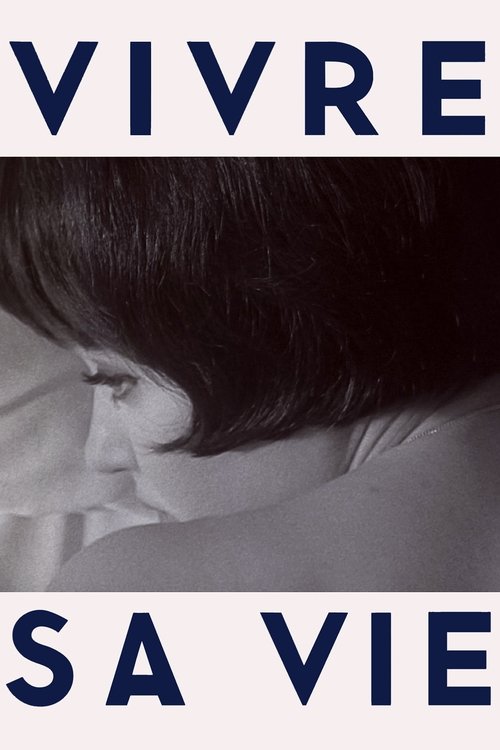
Vivre Sa Vie1962
Anna Karina in twelve tableaux as a woman drifting toward sex work in Paris. Godard treats her with radical empathy while maintaining cool distance. It's about survival, choice, and the terrible lightness of modern life.
But Formally cold and sometimes cruelly detached. Karina's drift into degradation is difficult to sit with, and the ending lands hard.
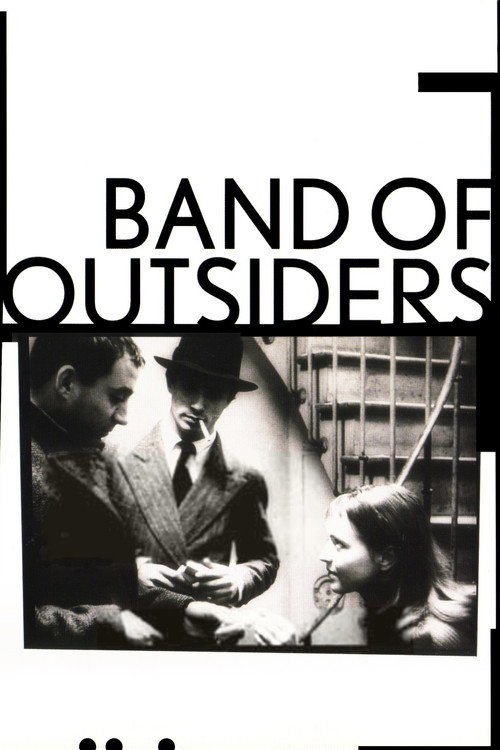
Band of Outsiders1964
Three small-time crooks plan a heist. Godard strips down to pure style: a dance scene in a café that rewrites cinema, the thrill of petty rebellion, the tragedy of youth with nowhere to go. Cooler than cool.
But Plot barely matters; mood is everything. If you want suspense or character development, you'll be disappointed. The cool aesthetic can feel cold.
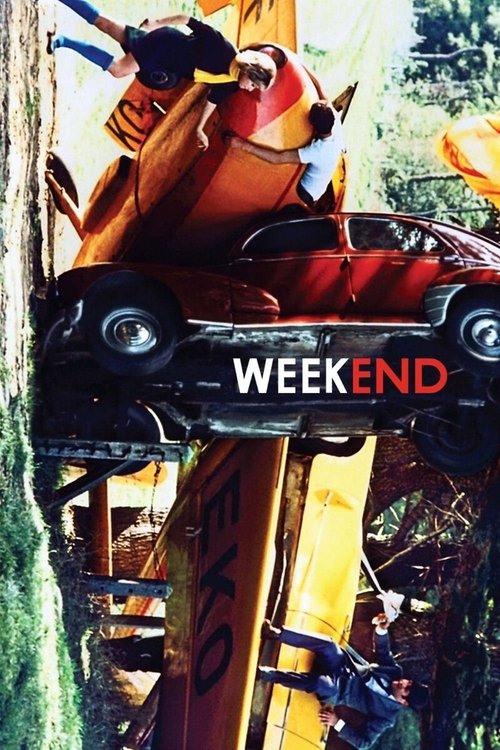
Weekend1967
A weekend trip becomes a descent into cannibalistic chaos, traffic jams, and civilisational collapse. Godard's apocalyptic masterpiece, hilarious and obscene and furious about consumer capitalism eating itself.
But Genuinely difficult to watch in parts—graphic violence, sexual assault, bodily degradation. It's agitprop first and entertainment a distant second.
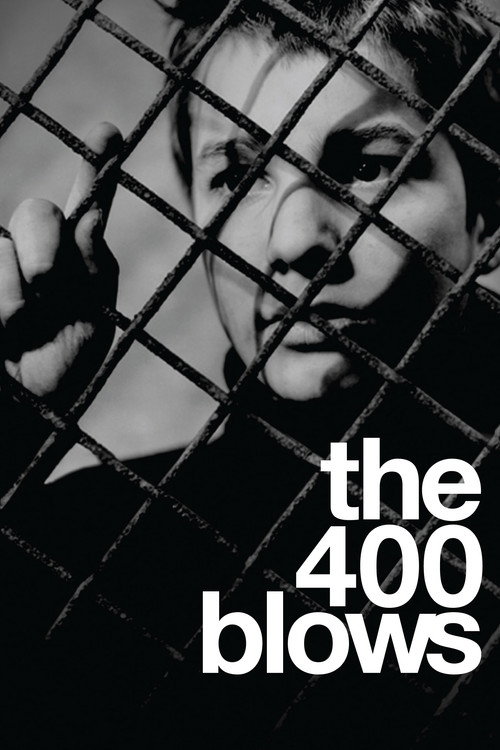
The 400 Blows1959
Truffaut's portrait of a boy unravelling in Paris: truancy, petty crime, confusion about love and loyalty. Formally inventive but emotionally direct. It shaped everything that came after, including Godard.
But The sentiment can feel heavy-handed by modern standards. Some find it overly indulgent about a troubled adolescent's inner life.
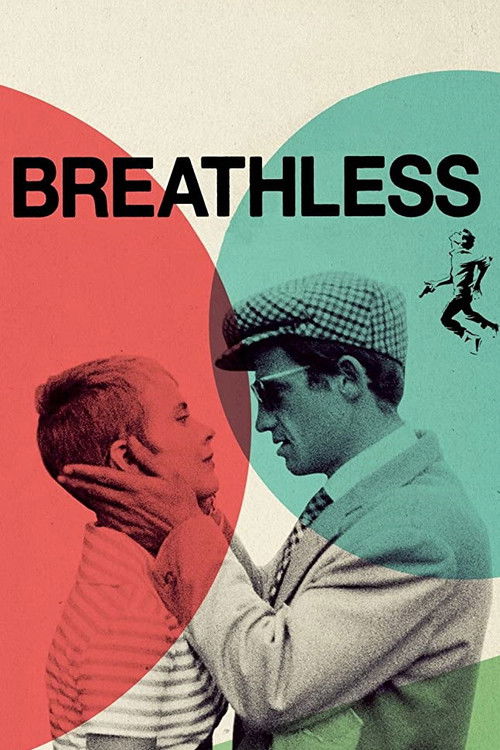
Breathless1960
Godard's debut with Belmondo as a small-time crook who steals a car and falls for an American girl. It launched the New Wave and still crackles with mischief, speed, and the intoxication of cinema itself.
But The revolutionary technical innovations—jump cuts, breaking the fourth wall—are invisible now. It can read as precious to younger viewers.
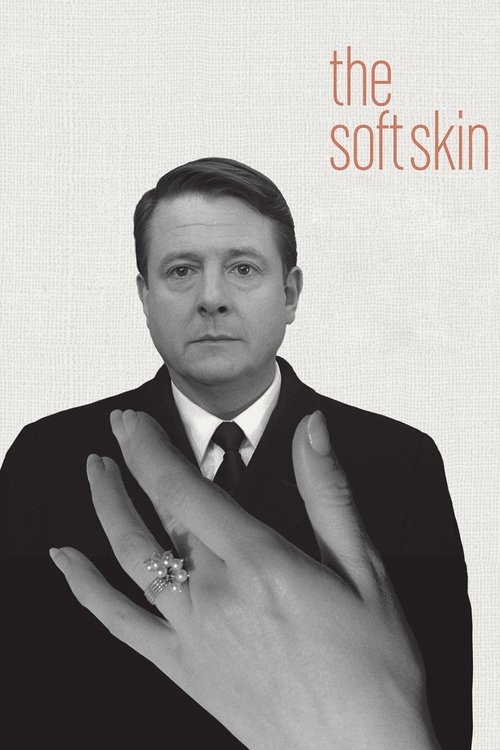
The Soft Skin1964
Truffaut's spare study of an affair between a middle-aged editor and a stewardess. Tenderly observed, built from small moments, the slow disintegration of complacency and self-deception.
But Quietly domestic and glacially paced. The emotional stakes feel modest if you're not attuned to Truffaut's register of restraint.
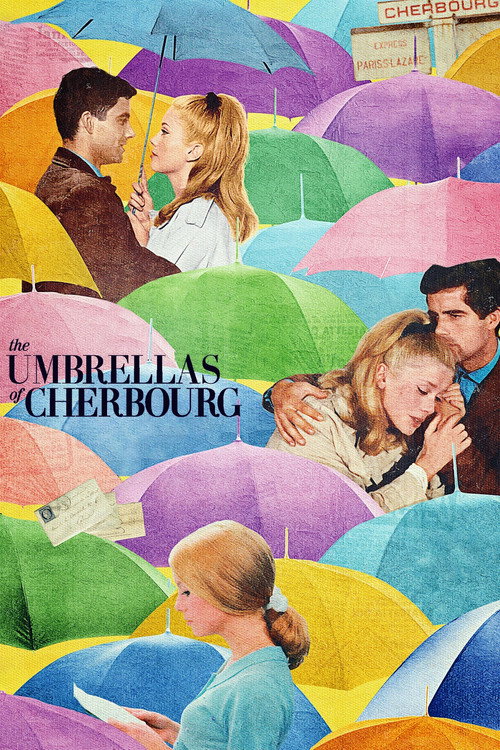
The Umbrellas of Cherbourg1964
Both films are love stories fragmented by time and social reality. Where Godard splinters his couple into vignettes, Demy gives them songs. Both say: love is real, and the world still wins.
Demy's musical about separated lovers in a pastel-bright seaside town. Structurally opposite to Godard—seamless, gorgeous, emotionally direct—but asking the same question: can love survive the world's indifference? A heartbreaking argument in colour and song.
But Unabashedly sentimental and formally lush in a way that can read as saccharine. The musical numbers aren't sung by the actors and require a surrender to artifice.
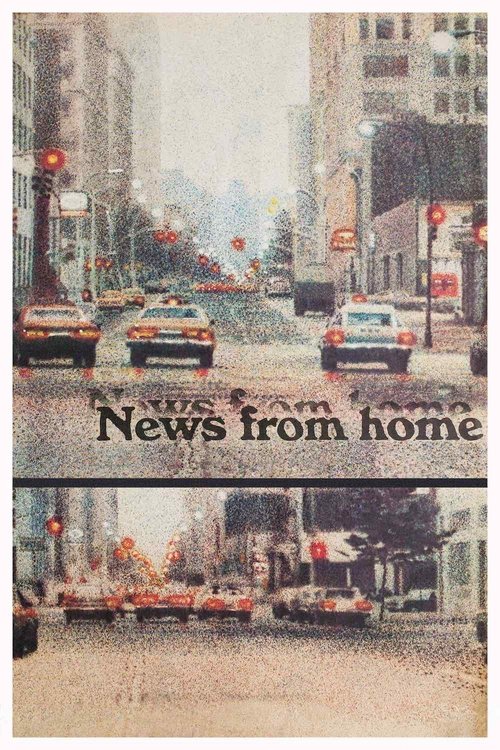
News from Home1976
All three films are meditations on the distance between intimacy and isolation, told through formal fragmentation. Akerman's is the most abstract—she makes the gap between two people visible through the space of the image itself, the way Godard does through editing.
Chantal Akerman's experimental documentary-essay: letters from her mother read aloud over subway shots of New York. It's about the unbridgeable distance between two people who love each other. No dialogue, no narrative, just the texture of connection and absence.
But Radically abstract and structurally demanding. Twelve minutes of static camera on city streets with a woman's voice. Not a film for distracted viewing.
People
Cast
 Chantal GoyaMadeleine Zimmer
 Marlène JobertÉlisabeth Choquet
- Michel DebordRobert Packard
 Catherine-Isabelle DuportCatherine-Isabelle
 Evabritt StrandbergShe (Woman in the Film)
 Birger MalmstenHe (Man in the Film)
 Yves AfonsoMan Who Kills Himself (uncredited)
 Henri AttalThe Other Porn Book Reader (uncredited)
- Mickey BakerRecord Producer (uncredited)
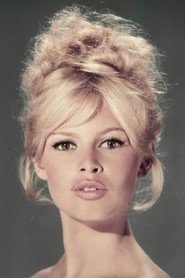 Brigitte BardotBrigitte Bardot (uncredited)
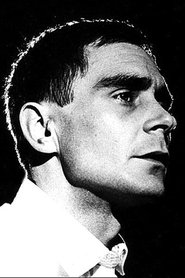 Antoine BourseillerBrigitte Bardot's Director (uncredited)
Directing
- Bernard Toublanc-MichelAssistant Director
- Jacques Henri BarratierAssistant Director
- Jean-Luc GodardDirector
Writing
- Guy de MaupassantOriginal Story
- Jean-Luc GodardWriter
Production
- Anatole DaumanProducer
- Jean-Luc GodardProducer
- Philippe DussartProduction Manager
- Christine BrierrePublicist
Recommended by
Fresh Meat, The Sorcerers, King and Country, Bed and Board, Film Socialisme, L'Arène, Miss and the Doctors, Sympathy for the Devil, A Bigger Splash, Every Man for Himself, Scorpio Rising, Bono: Stories of Surrender