
Film
A Woman Is a Woman
Godard's anarchic 1961 love triangle, shot in candy-coloured Paris with a score that won't stop singing. Anna Karina steals every frame as a stripper who wants a baby, and the film wants to be a musical, a comedy, a melodrama—sometimes all three at once. It's playful, sexy, and utterly alive; the kind of film that reminds you cinema can break its own rules and be better for it.
Should you watch it?
Watch it if you enjoy films that wink at their own artifice, where the characters seem as interested in cinema as in each other and a playful New Wave restlessness matters more than a tidy plot.
Skip it if you need a story that builds steadily, since this one loops, bounces and often prefers style to momentum.
What it asks of you: Brisk at under ninety minutes, it moves in quick, jittery bursts and wants you alert to its games rather than settled in and carried along.
Not sure? Find tonight's pick in a minute.
If you liked this
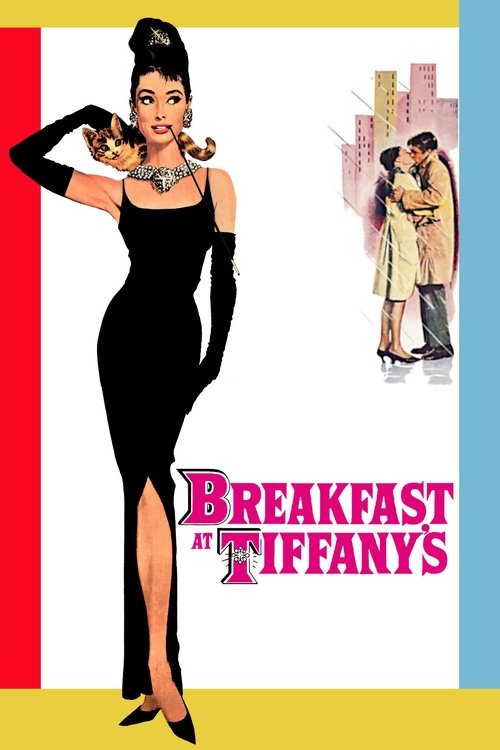
Breakfast at Tiffany's1961
Released the same year, equally breezy and romantic, with Audrey Hepburn embodying effortless cool in Manhattan. Both films capture a particular kind of youthful, stylish independence that feels timeless.
But It's sweeter and more conventional than Godard's wilder invention. If you're after pure formal invention, this one plays it safer.
Contempt1963
Godard's next major film, deeper and sadder, about a marriage collapsing on a film set. If you respond to his restless camera and playful colour, this shows how he could break your heart with the same tools.
But It's longer, heavier, and the playfulness curdles into something closer to despair. The fun drains out.

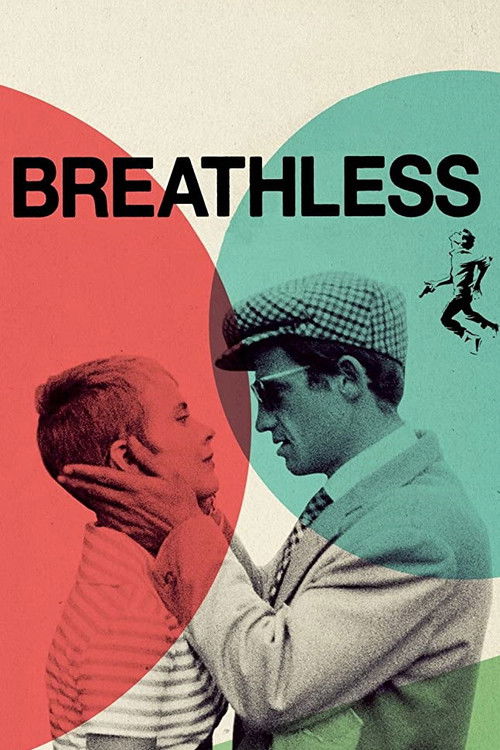
Breathless1960
Godard's debut, equally revolutionary, with Belmondo (who appears here too) as a petty criminal in love. Jump cuts, breaking the fourth wall, romance tangled with danger—the birth of the French New Wave's whole aesthetic.
But It's in black and white and moves even faster. Some find the deliberate artifice exhausting rather than exhilarating.
Not sure tonight? Get a pick in a minute, starting from A Woman Is a Woman
The wildcard
Something you would not have found on your own.
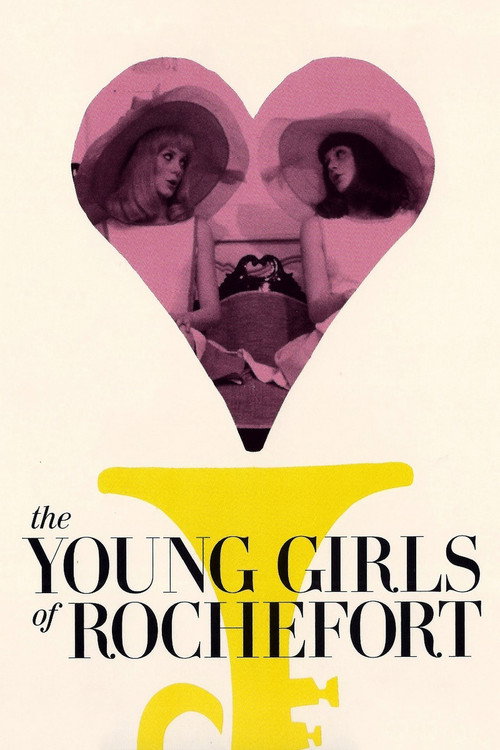
The Young Girls of Rochefort1967
Both are about the mechanics of desire and performance. Where Godard deconstructs romance with jump cuts and irony, Demy reconstructs it as pure cinema—same question, opposite answer.
Jacques Demy's full-colour musical, the dream version of what Godard was playing with: identical twin sisters, a small French town painted in primary colours, romance that actually sings. It's a love letter to the cinema *itself*, structured like a song.
But It's saccharine and long. If you value Godard's cool distance and formal games, this wears its heart so openly it might embarrass you.
More like this (6)
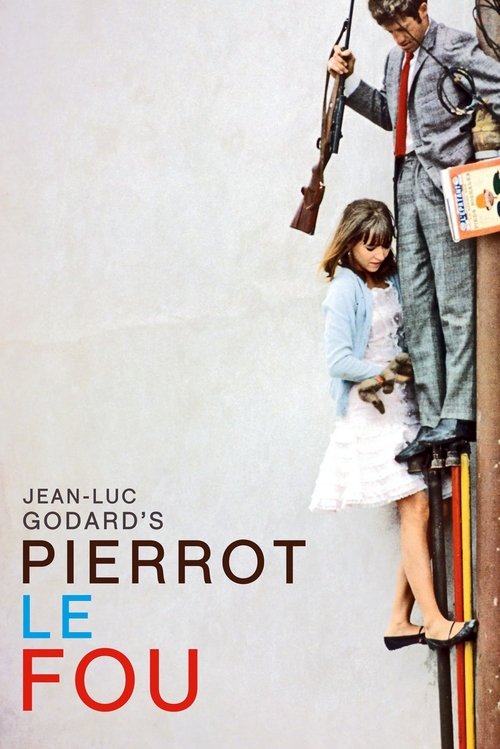
Pierrot le Fou1965
Godard and Karina reunited: a couple on the run, painted landscapes, a film that refuses to sit still. It's more violent and more serious than *A Woman Is a Woman*, but the same restless energy hums underneath.
But It's longer and much darker. The love story ends very badly. The whimsy gets swallowed by something more dangerous.
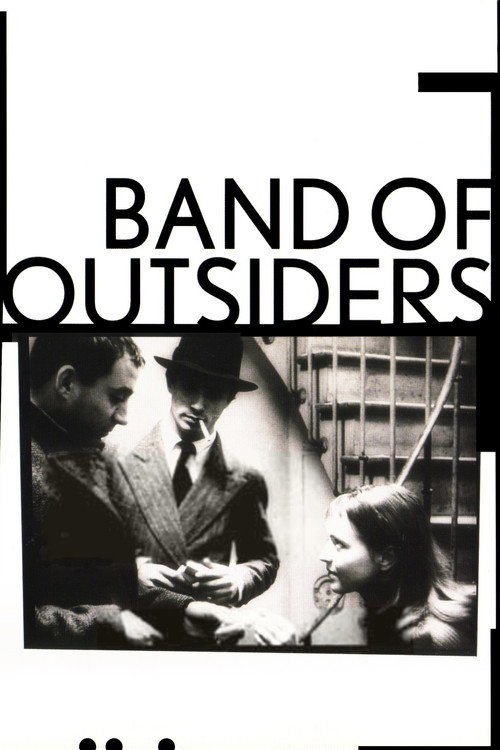
Band of Outsiders1964
Jacques Demy's film (Godard's contemporary) has that same pastel-coloured Paris, the same sense of youth and style and small-time crooks trying to matter. Beautiful and melancholic where Godard is manic.
But It's quieter and more traditionally shot. If you loved the formal restlessness of Godard, this won't scratch that itch.
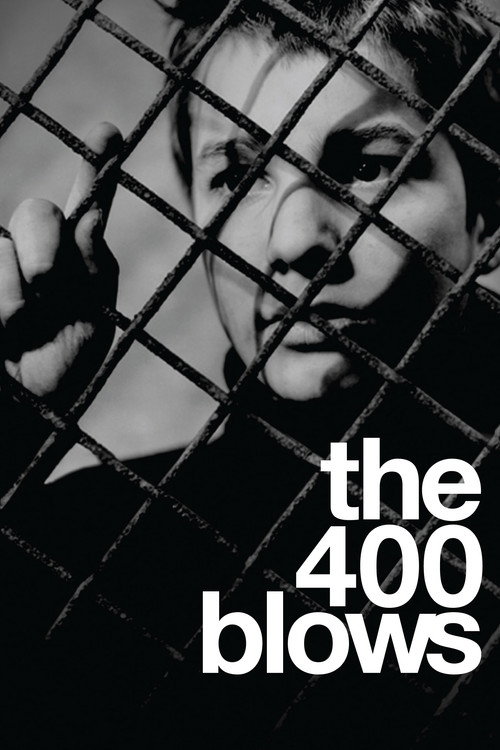
The 400 Blows1959
Truffaut's masterpiece, the other pole of the French New Wave: intimate, heartbreaking, about childhood and Paris. If you want formal innovation mixed with genuine emotion, this is essential.
But It's a tragedy about a miserable boy. The tone is nothing like Godard's playfulness; it asks different things of you.
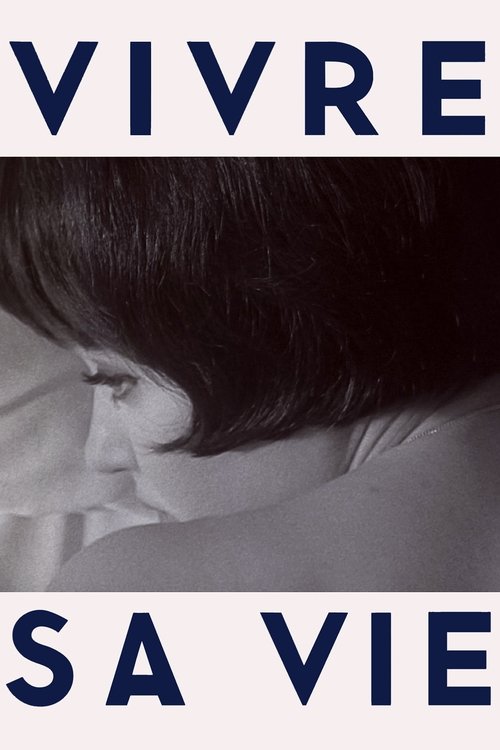
Vivre Sa Vie1962
Godard again, with Karina as a prostitute in Paris. Structured like a book with chapters, shot in black and white: it's his most austere film, but also his most moving. Karina is extraordinary.
But It's formally severe and deeply sad. After the bright colour and comedy of *A Woman Is a Woman*, this will feel like a gut punch.
La Haine1995
Three decades later, Mathieu Kassovitz shot a Paris film in black and white with the same New Wave DNA: restless, angry, gorgeous, refusing to look away from anything. The style serves genuine stakes.
But It's about systemic racism and police violence, not romantic triangles. The tone is rage, not playfulness.

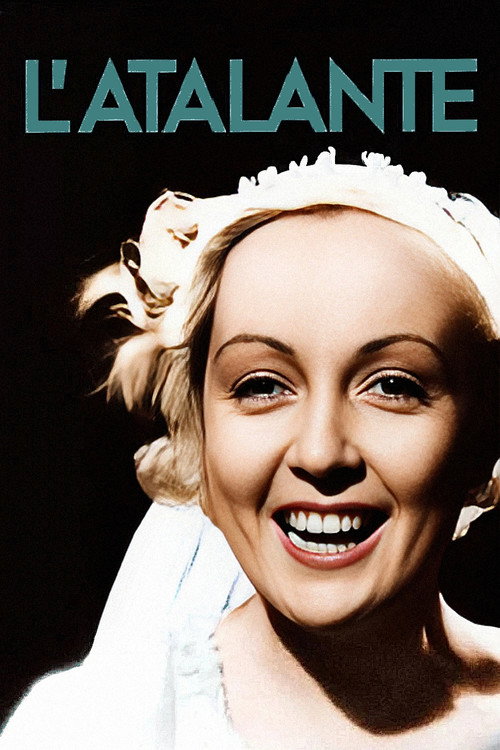
L'Atalante1934
Both centre on a woman's desire and how it disrupts domestic order. Vigo made it tragically, Godard makes it comic, but they're asking the same question: what happens when a woman wants something more?
Jean Vigo's 1934 masterpiece about newlyweds on a barge, where passion collides with reality. Shot in grainy black and white, it's intimate and strange and heartbreaking. The DNA of every French film about love and the city runs back to this.
But It's a ghost—Vigo died at 29, and the film was butchered on release. It's fragmentary and slow and tragic in ways 1961 barely knew existed yet.
People
Cast
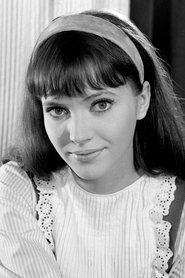 Anna KarinaAngela
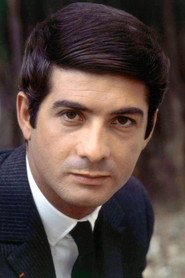 Jean-Claude BrialyÉmile Récamier
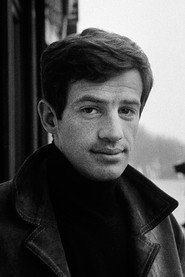 Jean-Paul BelmondoAlfred Lubitsch
 Henri AttalFake Blind #2 (uncredited)
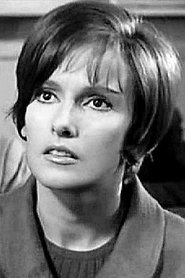 Karyn Balm(uncredited)
 Dorothée BlanckProstitute 3 / 'L'Opera Mouffe' shown on TV screen (uncredited)
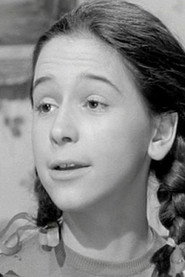 Catherine DemongeotMagazine Girl (uncredited)
 Marie DuboisAngela's Friend (uncredited)
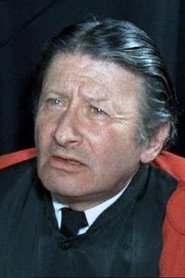 Ernest MenzerBar Owner (uncredited)
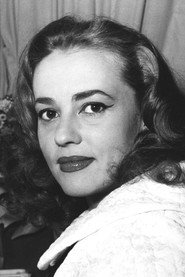 Jeanne MoreauSelf (uncredited)
- Nicole PaquinSuzanne (uncredited)
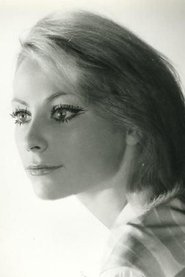 Gisèle SandréProstitute 2 (uncredited)
Directing
- Francis CognanyAssistant Director
- Jean-Luc GodardDirector
- Suzanne SchiffmanScript Supervisor
Writing
- Geneviève ClunyOriginal Story
- Jean-Luc GodardWriter
Production
- Carlo PontiProducer
- Georges de BeauregardProducer
- Philippe DussartProduction Manager
Recommended by
Masculin Féminin, The Bachelor Party, Paris Blues, Boyfriends and Girlfriends, After the Sunset, You Again, Every Man for Himself, The Married Woman, Le Petit Soldat, Godard Mon Amour, Sign of the Lion, Hôtel du Nord, Mississippi Mermaid, Petulia