
Film
The Married Woman
Godard's 1964 essay on bourgeois marriage, desire, and identity. Charlotte exists between two men—neither satisfying—in a film that dissolves narrative for fragments, text, and philosophical inquiry. It's intellectually restless, formally inventive, and genuinely uncomfortable about the compromises women make. For viewers ready to think while watching.
Should you watch it?
Watch it if you enjoy films that treat a love affair as a set of observations, with fragments, direct looks at the camera and a loose, essayistic editing that asks you to think as well as watch.
Skip it if you want a story that moves along with a clear emotional throughline; this is slow, talky, and deliberately cool, so the emotional stakes can feel distant.
What it asks of you: Ninety-five minutes of detached looks, long pauses and interrupting text, with little warmth to lean on; you must hold attention on the surface and read the feeling yourself.
Not sure? Find tonight's pick in a minute.
If you liked this
Contempt1963
Godard's masterpiece about art, commerce, and a marriage crumbling. Like The Married Woman, it uses cinema itself as its subject—here, a film within a film. Brigitte Bardot is luminous and tragic.
But Slow, philosophical, and the plot barely moves. If you want story momentum over ideas, this will feel like watching paint dry in real time.

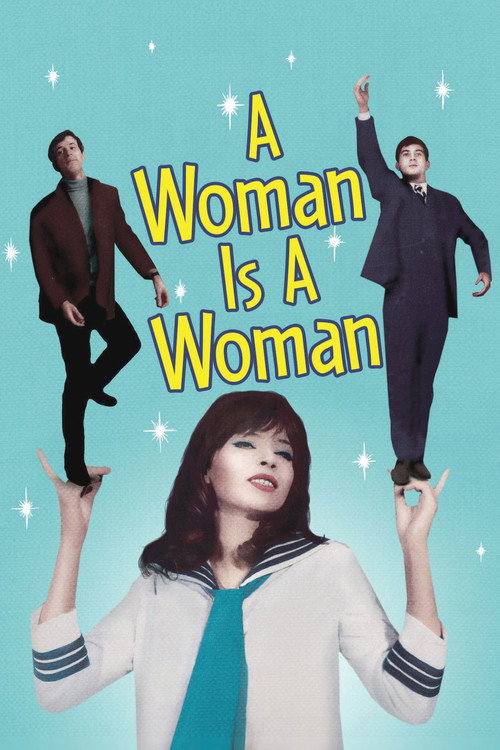
A Woman Is a Woman1961
Godard at his most playful, about a woman who wants a baby and the two men who love her. Lighter than The Married Woman but using the same formal games—text, color, music—to explore desire and choice.
But Whimsy can feel grating. The deliberate artifice that charmed audiences in 1961 may read as arch or trying too hard.
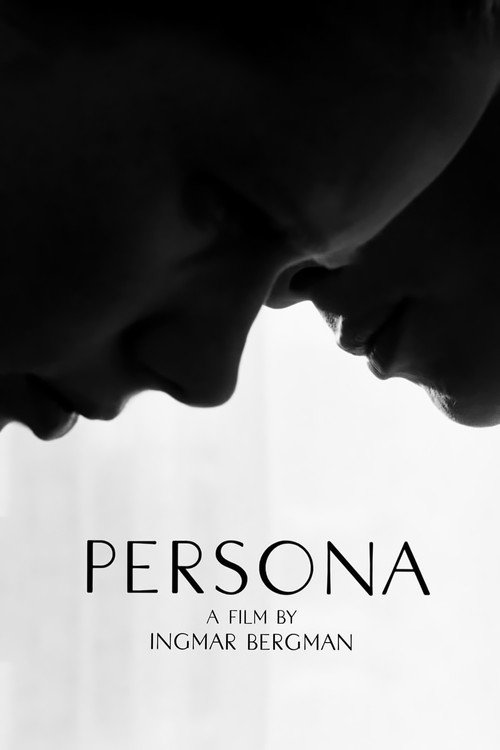
Persona1966
Bergman's penetrating study of two women—an actress and her nurse—and the identities they perform. Like The Married Woman, it's fascinated by what happens when you strip away social performance.
But Bleak, sometimes static, and deeply unsettling. Not a film that offers comfort or resolution.
Not sure tonight? Get a pick in a minute, starting from The Married Woman
The wildcard
Something you would not have found on your own.
Jeanne Dielman, 23, quai du Commerce, 1080 Bruxelles1976
Both are materialist films about women's lives under capitalism. The Married Woman fragments Charlotte's day; Akerman extends it to its breaking point, finding revolution in what Godard treated as absurd.
Chantal Akerman's three-hour chronicle of a woman's daily life—shopping, cooking, making her bed, serving clients. Formally rigorous and feminist. Boring becomes profound. A masterpiece.
But Three hours of domestic routine. If you think cinema should be dramatic, this will feel punitive. Some find it revolutionary; others find it unwatchable.

More like this (7)
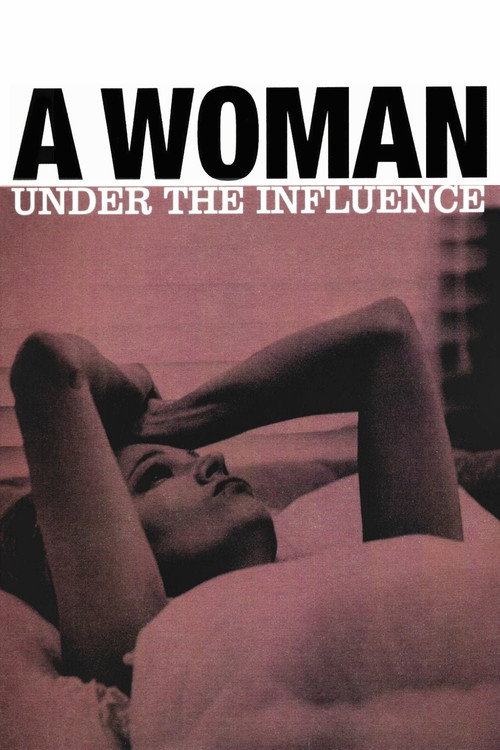
A Woman Under the Influence1974
Cassavetes' raw portrait of a woman whose consciousness doesn't fit the mold of wife and mother. Honest about female unhappiness in ways few films dare. Gena Rowlands is devastating.
But Exhausting to watch—the camera is relentless and the marriage depicted is claustrophobic and painful.
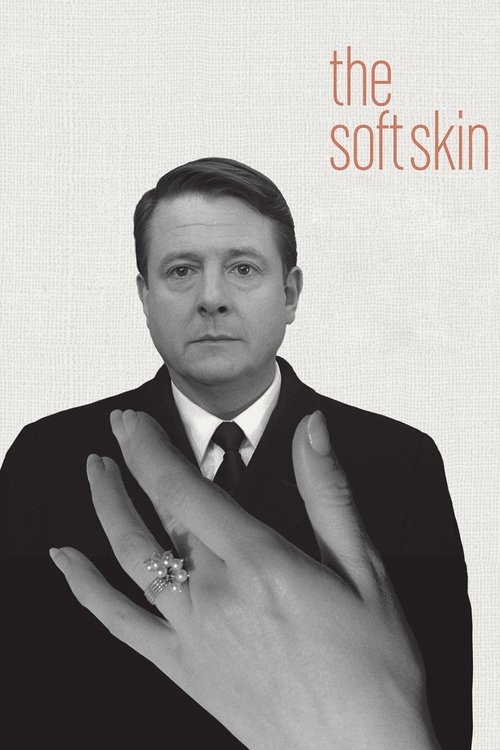
The Soft Skin1964
Truffaut's elegant film about infidelity and the spaces between people. Made the same year as The Married Woman, it's a warmer but equally sharp anatomy of marriage and desire.
But Quiet and observational rather than dramatic. Some find it slow; others find that pace is the whole point.
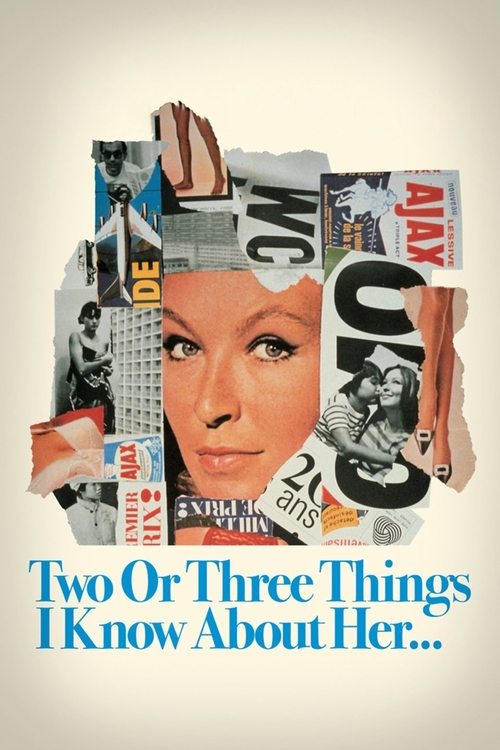
2 or 3 Things I Know About Her1967
Another Godard film, this one treating Paris itself as a woman, interweaving prostitution, consumerism, and identity. Formally radical and genuinely thought-provoking about desire and commodity.
But Deliberately fractured and essayistic. If you want traditional narrative, this will feel like an assault on your patience.
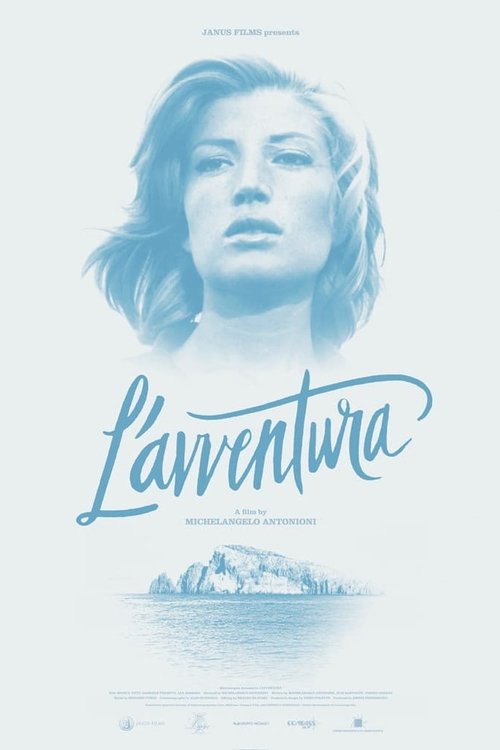
L'Avventura1960
Antonioni's masterpiece about wealthy people and emotional emptiness. A woman disappears; the film pivots to those left behind and their inability to truly connect. Formally perfect.
But Very slow, very long, very sad. And a woman vanishing from the narrative entirely may feel glib about her suffering.
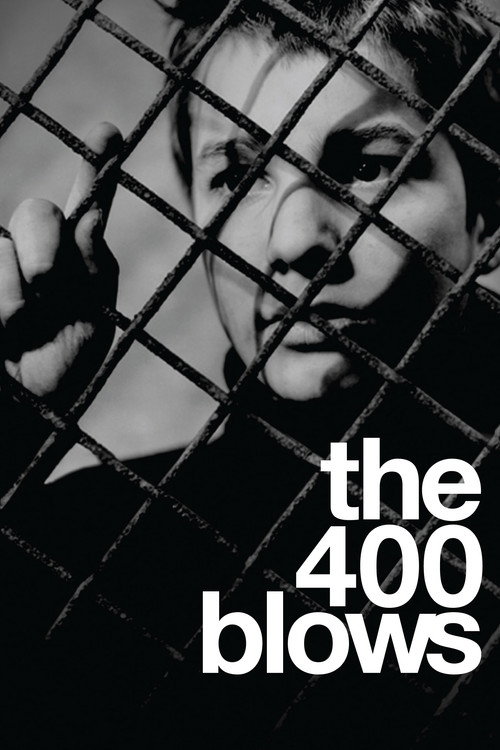
The 400 Blows1959
Truffaut's debut about a boy adrift in Paris, misunderstood by adults. Tenderhearted but clear-eyed about how people fail each other. Luminous cinematography and genuine feeling.
But Different register entirely—it's humanistic rather than intellectual. If you wanted more Godard rigor, this softness might disappoint.
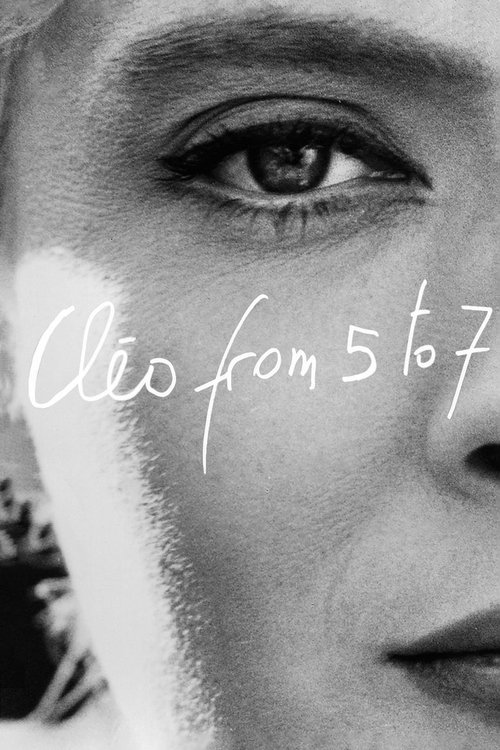
Cléo from 5 to 71962
Varda's gem: ninety minutes in the life of a beautiful woman waiting for test results, watching the city, watching herself. Real-time cinema, witty, melancholic, totally alive.
But Deliberately slight. If you need consequence and stakes, this intimate portrait of a woman's internal weather won't deliver them.
The Ballad of Little Jo1993
Both use the machinery of cinema to show how identity is constructed and performed. The Married Woman is abstract; this is concrete. Both argue that the self is not a given but a choice constrained by circumstance.
A woman in the 1880s West passes as a man to survive. Maggie Greenwald's film is formally classical—period drama, gentle—but structurally subversive. Gender as performance and necessity.
But Period film aesthetic, slower pacing, smaller scale. If you want formal innovation visible on screen like Godard's, this works through restraint and implication.

People
Cast
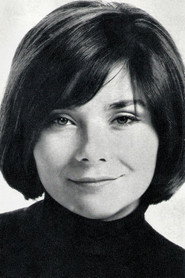 Macha MérilCharlotte
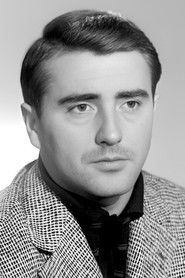 Bernard NoëlRobert, the Lover
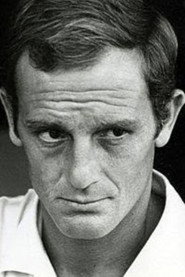 Philippe LeroyPierre, the Husband
 Christophe BourseillerNicolas
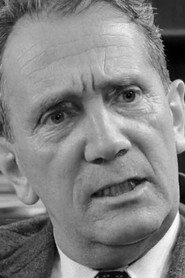 Roger LeenhardtSelf
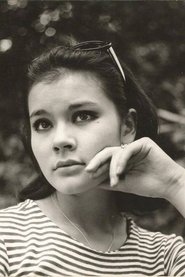 Margareth ClémentiGirl in Swimming Pool
- Véronique DuvalGirl in Swimming Pool
 Rita MaidenMadame Celine
- Georges LironThe Physician
 Jean-Luc GodardThe Narrator (voice) (uncredited)
Directing
- Claude Othnin-GirardAssistant Director
- Hélène KalougineAssistant Director
- Jean-Pierre LéaudAssistant Director
- Jean-Luc GodardDirector
- Catherine SavignacScript Supervisor
- Suzanne SchiffmanScript Supervisor
Writing
- Jean-Luc GodardWriter
Production
- Jeanne Marie OlivierAssistant Production Manager
- Maurice UrbainProduction Manager
- Philippe DussartProduction Manager
- Christine BrierrePublicist