
Film
Every Man for Himself
Jean-Luc Godard's fragmented portrait of three Parisians adrift in 1980s capitalism. Shot in shards—long takes broken by sudden cuts, scenes interrupted by his aphorisms—it feels less like a narrative and more like watching someone think out loud about desire, work, and connection. Demanding but hypnotic; for viewers who want cinema that asks questions rather than answers them.
If you liked this
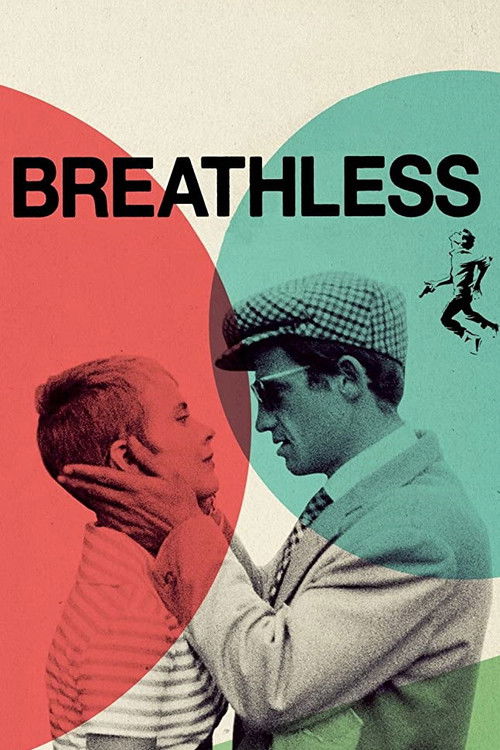
Breathless1960
Godard's debut remains the clearest entry to his method: a young man and woman fall in love while he's on the run. It has plot, it has energy, it has Michel Piccoli being impossibly cool. The ideas arrive through the story rather than stopping it.
But The self-consciousness can feel dated now. Long takes of characters chatting about cinema might strike you as indulgent rather than essential.
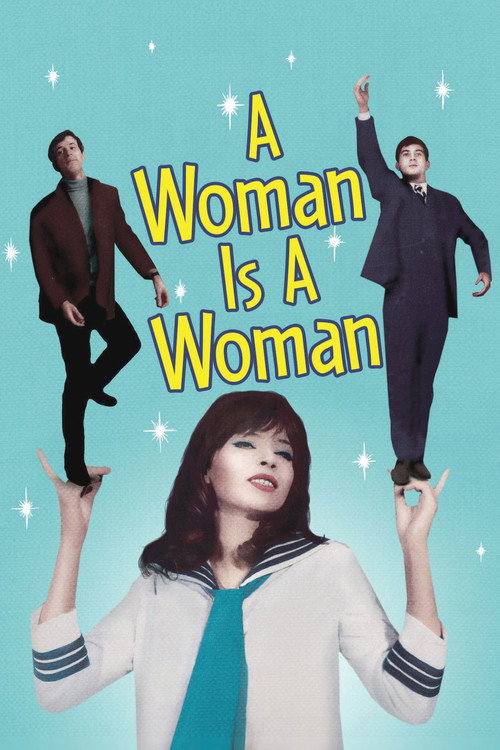
A Woman Is a Woman1961
Godard at his most playful: a couple arguing about whether to have a baby, set to bright primary colours and a bouncy score. It's romantic, funny, sometimes achingly tender. Proof that his experiments didn't come at the cost of feeling.
But The whimsy occasionally tips into cuteness. It won't satisfy viewers looking for intellectual rigour over charm.
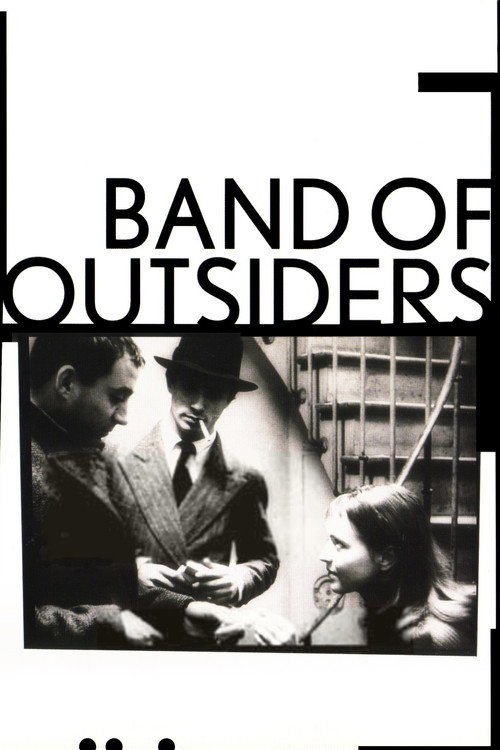
Band of Outsiders1964
Three drifters, one heist, one dance scene that changed cinema. Godard's most approachable work: narrative-driven, visually gorgeous, with an undertone of real menace. You understand what happens when it's over.
But It's the most conventional of his films. If you want pure formal experimentation, this is his compromise with commercial cinema.
Not sure tonight? Get a pick in a minute, starting from Every Man for Himself
The wildcard
Something you would not have found on your own.
La Haine1995
Both use formal rupture—text overlays, non-linear editing, abrupt tonal shifts—to anatomise lives trapped by circumstance. Both show desire and work as systems that fragment the self.
Shot in black and white with anarchic energy, three young men in the Paris suburbs navigate poverty, violence, and connection through a single day. Like Godard, it trusts fragments over plot, uses text and sound to interrupt action, and finds beauty in fractured lives. But where Godard is cerebral, this is visceral.
But The style never stops calling attention to itself. Some find that formally aggressive. Others find the familiar 'day in the life' structure in a film that works so hard to break form frustrating.

More like this (7)
Contempt1963
A marriage dissolves during the making of a film-within-the-film. Godard's most elegantly composed work, shot in brilliant colour by Raoul Coutard. A meditation on ambition, desire, and the gap between who we love and who we think we are.
But It's deliberately slow. The emotional distance Godard maintains from his characters—even as they suffer—can feel cold.

Vivre Sa Vie1962
Anna Karina as a woman pushed toward sex work by circumstance and apathy. Godard divides it into twelve chapters, each a different register. Devastating without ever showing you the worst. One of cinema's most humane films about dehumanisation.
But The chapter structure breaks momentum. Some will find the philosophical asides interrupt the tragedy.

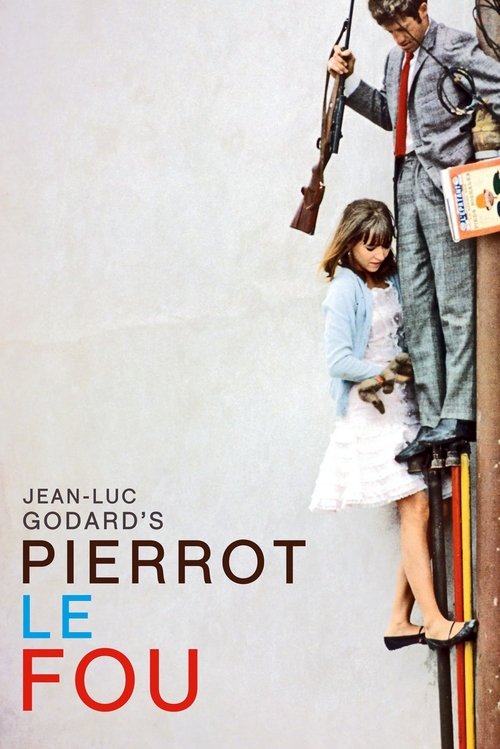
Pierrot le Fou1965
A man and woman flee Paris in a Renault, the film exploding into colour, music, and anarchic joy. It's Godard channelling genre—road movie, crime film, musical—and then scattering them. Exhilarating and strange.
But The constant formal restlessness exhausts some viewers. It never settles. That's the point, but the point can feel like a wall.
The Married Woman1964
Godard fragments a day in the life of a married woman juggling lover, husband, and desire. Shot like documentary, scored like fiction. It's part surveillance, part confession. Incredibly modern for 1964.
But The formal experiment dominates characterisation. You're watching Godard think more than living through the woman's dilemma.

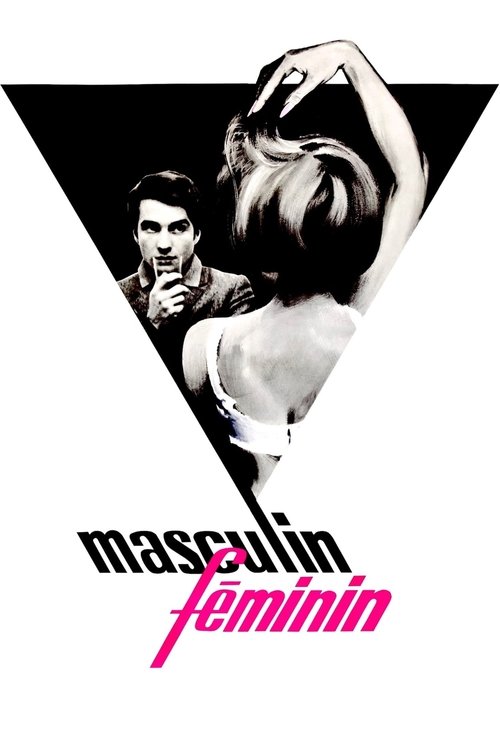
Masculin Féminin1966
Two young Parisians navigate sex, politics, and pop culture. It moves—there's narrative momentum and genuine feeling. Godard's most youthful film, curious and sometimes funny about a generation he's trying to understand.
But The gender politics feel dated in places. His fascination with the female body sometimes tips into objectification.
Clouds of Sils Maria2014
Both examine how power, sex, and labour interweave through the lives of people who cannot escape them. Both use formally distant camera work to convey emotional precision.
An older woman, her younger assistant, and the space between desire, age, and performance. Olivier Assayas (influenced by Godard but not imitating) creates something weightless and exact: conversations that circle around feeling without naming it, fractured by actors reading texts to each other. Hypnotic.
But Nothing happens. Long takes of women talking about work and youth. If you want plot or conventional conflict, you're in the wrong place.

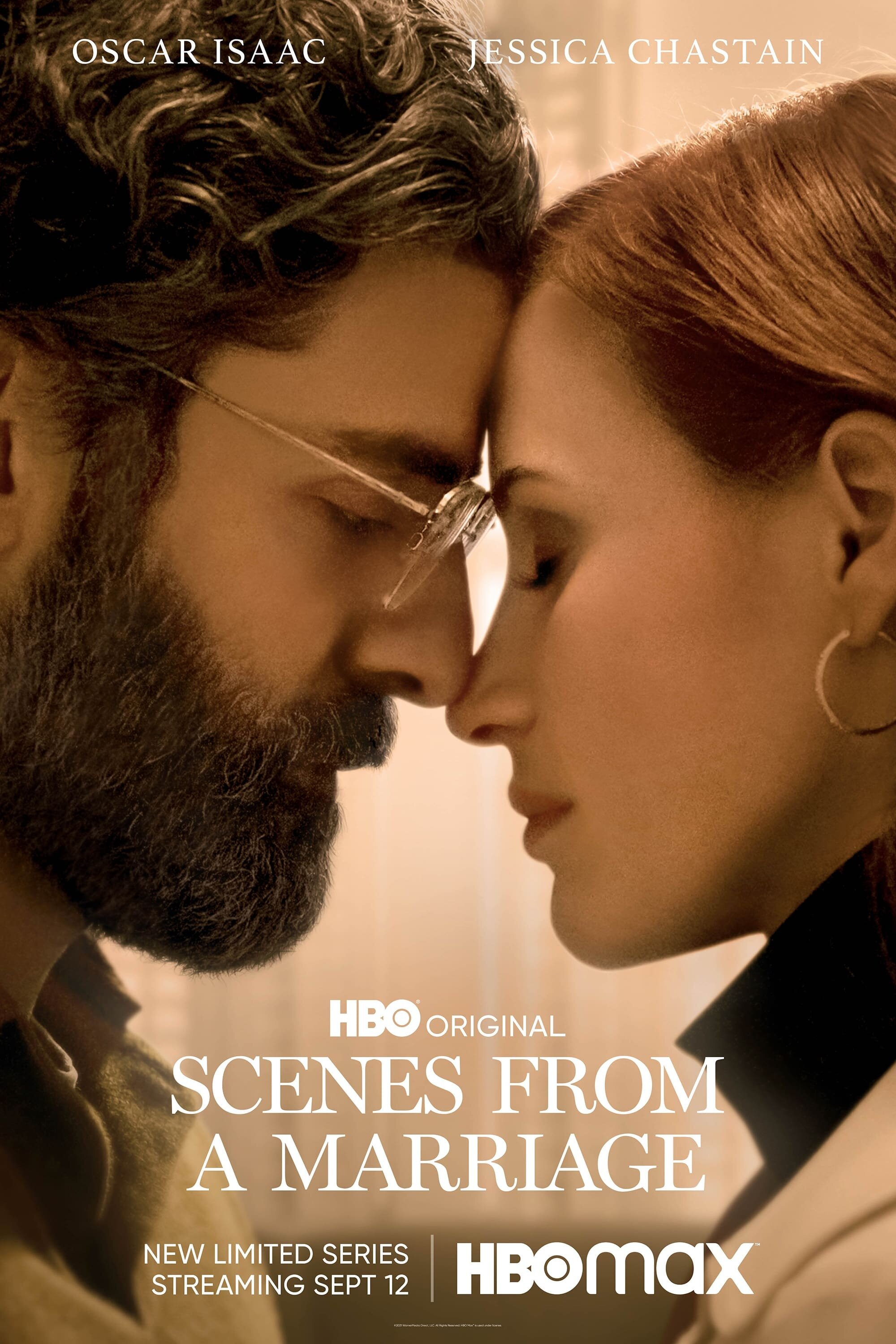
Scenes from a Marriage2021
Both are concerned with how love and work—especially the work of being with another person—erode the self. Both refuse sentimentality. Both argue that connection is a kind of rupture.
Bergman's six-hour miniseries fragments a marriage across decades, each episode a rupture. Like Godard, it treats marriage—and the constant negotiation between two people—as a conceptual problem as much as an emotional one. Devastating, intimate, furious.
But It's longer than most films, deliberately painful to watch, and offers no comfort. The intimacy can feel invasive, as if you've walked in on private suffering.
People
Cast
 Isabelle HuppertIsabelle Rivière
 Jacques DutroncPaul Godard
 Nathalie BayeDenise Rimbaud
 Roland AmstutzCustomer in Room 522
 Cécile TannerCecile
- Anna BaldacciniIsabelle's Sister
 Roger JendlyCustomer of Isabelle's Sister
 Fred PersonneFirst Client
- Michel CassagnePiaget
- Nicole JacquetWoman
- Paule MuretPaul's Ex-Wife
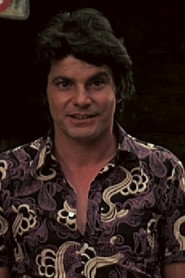 Dore de RosaHotel Attendant
Directing
- Jean-Luc GodardDirector
Writing
- Anne-Marie MiévilleWriter
- Jean-Claude CarrièreWriter
Production
- Marin KarmitzAssociate Producer
- Alain SardeProducer
- Jean-Luc GodardProducer