
Film
Mapantsula
Mapantsula is a South African crime drama set during apartheid, following a small-time gangster caught between his survival hustle and the anti-apartheid movement gaining momentum around him. Shot with gritty immediacy and performed with raw authenticity, it's a film about pressure—how systems force impossible choices on ordinary people. For anyone interested in how personal stories collide with historical moments.
Should you watch it?
Watch it if you are drawn to political films that feel street-level, where a hustler's private scheming keeps colliding with the public struggle around him and the moral pull builds slowly.
Skip it if you want a film that explains its history or keeps a steady narrative pulse; this one is loose, talky in places, and happy to sit with the texture of township life for long stretches.
What it asks of you: Around an hour and three-quarters, with a patient, observational rhythm and a few sharp, violent jolts. It rewards close attention to faces, crowds and small domestic moments more than plot mechanics.
Not sure? Find tonight's pick in a minute.
If you liked this
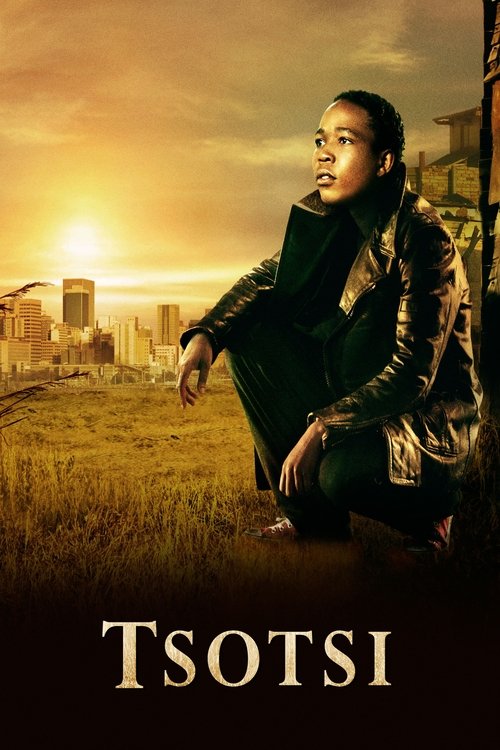
Tsotsi2005
A Johannesburg street kid discovers unexpected humanity while surviving in a violent township economy. It's visceral and moving, with a protagonist who earns your investment despite—or because of—his damage.
But The shift toward redemption in the final act feels slightly neat for a film that's spent its runtime showing how little control people have.
A Prophet2009
A young man enters prison as a nobody and emerges transformed by proximity to power and corruption. It's a masterclass in how systems remake people, shot with unflinching clarity.
But At two and a half hours, it's deliberately paced. If you need constant momentum, this will feel slow despite being gripping.

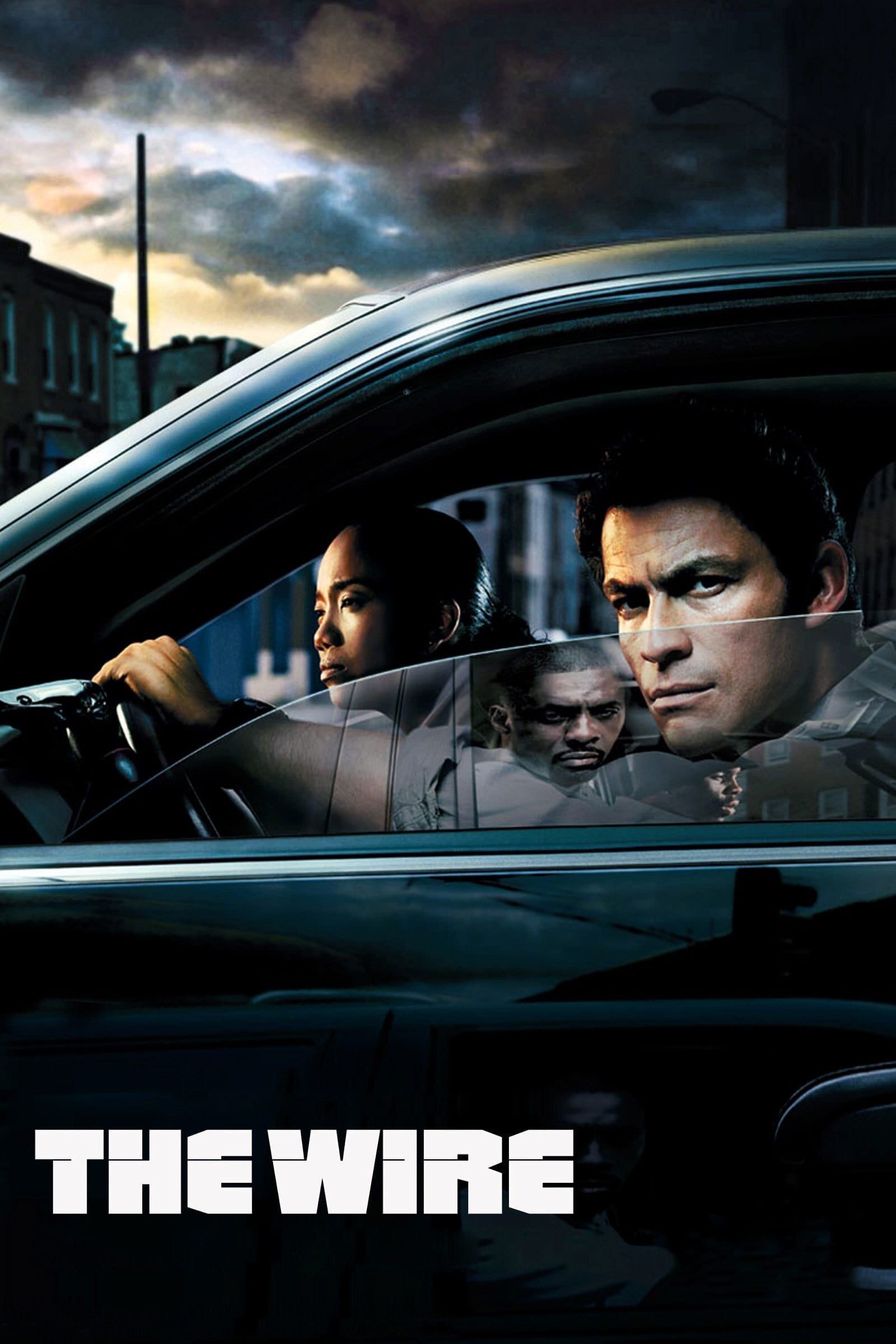
The Wire2002
Five seasons exploring how individuals navigate, resist, and are absorbed by systems—drugs, politics, labour, schools. Every character feels lived-in. It's essential television about structural pressure.
But The first season moves slowly while establishing its world. Commit to at least five episodes before deciding.
Not sure tonight? Get a pick in a minute, starting from Mapantsula
The wildcard
Something you would not have found on your own.
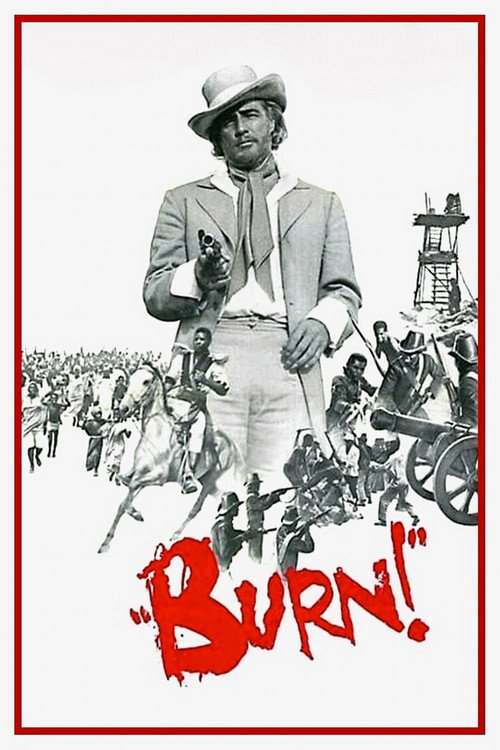
Burn!1969
Both are films about how individuals caught in historical moments discover that personal survival and systemic change are impossible to separate—and how that pressure reshapes who you are.
Marlon Brando plays a revolutionary agitator on a colonial Caribbean island in 1820. It's a political thriller disguised as an adventure film, examining how systems corrupt the people trying to change them. The parallels to anti-colonial struggle everywhere are urgent.
But It's a Gillo Pontecorvo film from 1969, which means it can feel formally austere and its politics are expressed through structure rather than dialogue. Impatient viewers will find it remote.
More like this (6)
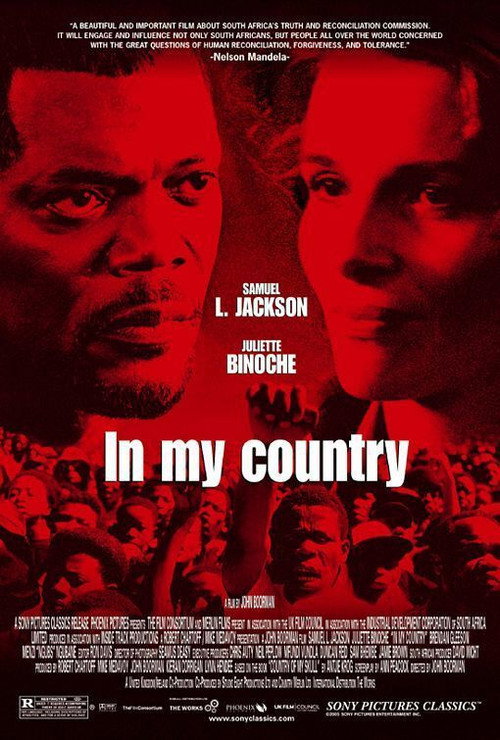
In My Country2004
Two journalists—one Black, one white—covering apartheid's end and the Truth Commission discover how personal and political violence are inseparable. Samuel L. Jackson gives one of his finest performances.
But It can feel didactic about reconciliation, and the romance subplot occasionally pulls focus from the larger questions.
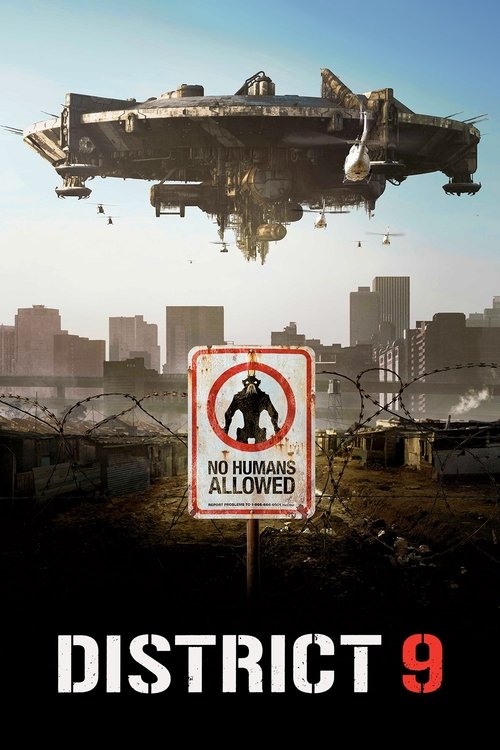
District 92009
A sci-fi apartheid allegory where a bureaucrat is forced into the position of the oppressed. Visceral action paired with genuine moral complexity makes the political argument land.
But The third act tilts toward action spectacle, which dilutes the film's earlier subtlety about complicity and transformation.
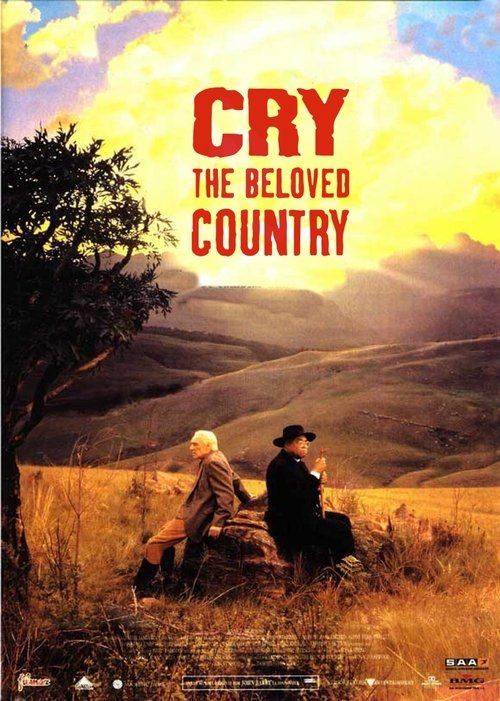
Cry, the Beloved Country1995
A minister and a wealthy white man are bound by tragedy in apartheid South Africa. It's deeply felt and patient, more concerned with spiritual weight than plot mechanics.
But The pacing is deliberate to the point of stillness. Some will find it meditative; others will find it slow.
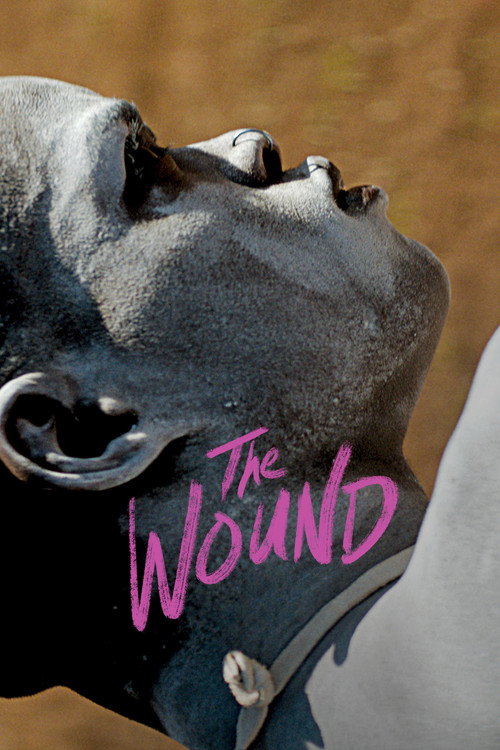
The Wound2017
A xhosa traditional initiation ritual becomes the site of forbidden desire and buried family violence. It's brave filmmaking that refuses easy answers about tradition, sexuality, and shame.
But It's sexually explicit and deals with trauma and cultural conflict in ways that some will find deliberately provocative rather than illuminating.
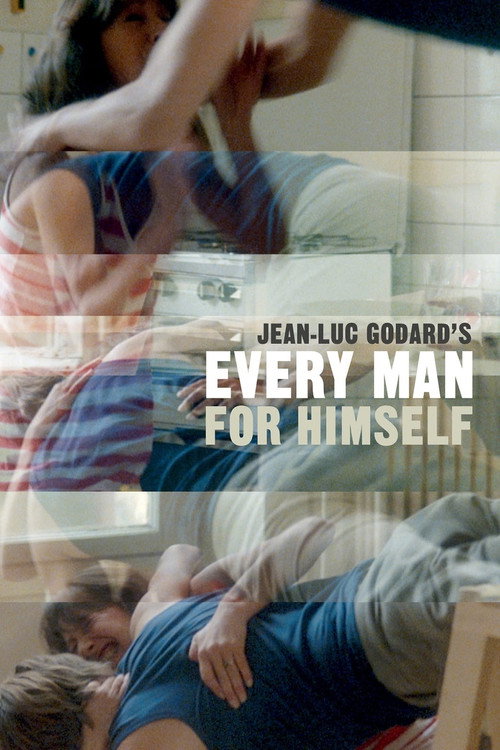
Every Man for Himself1980
Where Mapantsula shows pressure through crime and politics, Godard shows it through modernist formal disruption—both are films about how systems break down individual coherence and how that rupture is the only place where truth emerges.
Godard's formally radical film about a film director, a salesman, and a teacher navigating capitalism, desire, and alienation in contemporary Paris. It's fragmented, funny, and genuinely strange—cinema as urgent thinking rather than narrative.
But It abandons conventional storytelling entirely. If you expect plot or character development in traditional terms, you'll be lost. It asks you to feel the form.
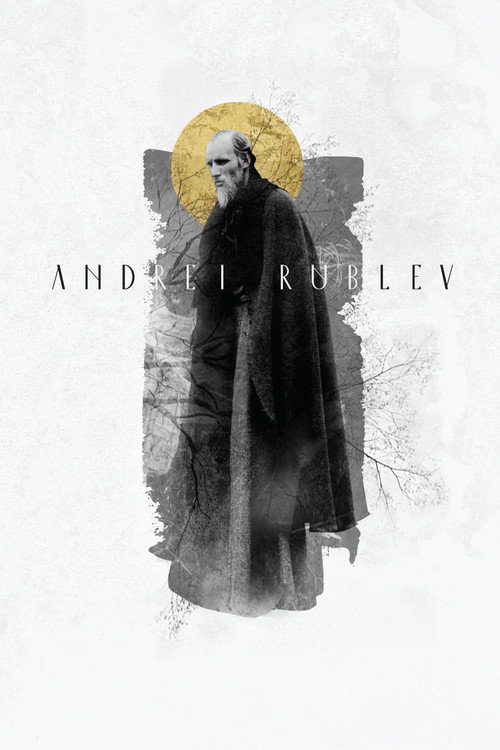
Andrei Rublev1966
Both films use a single protagonist trapped between personal ambition and historical forces too large to resist. Both suggest that the pressure itself—the impossible position—is where art and humanity emerge. Mapantsula is urgent and contemporary; Rublev is mythic and timeless. They're asking the same question from opposite ends of history.
Tarkovsky's epic about a medieval Russian icon painter struggling between artistic vision and the violence of history surrounding him. It's long, visually overwhelming, and moves at the speed of thought. A film about the impossibility of transcendence in a time of suffering.
But At three hours, it's deliberately slow and meditative. The narrative is fragmented. This is a film that demands surrender, not engagement. Many will find it punishing.
People
Cast
- Thomas MogotlanePanic
 Marcel Van HeerdenStander
 Dolly RathebeMa Mobise
- Peter SephumaDuma
- Darlington MichaelsDingaan
- Gabriel DichwabeCrowd leader
- Brad MorrisRiot policeman
- Polite DlaminiPrisoner
- Duma NyembePrisoner
- Jerry MokgokoPoliceman
Directing
- Oliver SchmitzDirector
Writing
- Oliver SchmitzWriter
- Thomas MogotlaneWriter
Production
- David HannayExecutive Producer
- Keith RosenbaumExecutive Producer
- Max MontocchioProducer
- Oliver SchmitzProducer