
Film
Come Back, Africa
A 1959 South African film shot under apartheid, following a Black man navigating the brutal contradictions of racist law. Shot with non-professional actors and a documentary's urgency, it's raw and claustrophobic—less polished narrative than lived testimony. Essential for anyone reckoning with cinema's role in bearing witness to injustice.
If you liked this
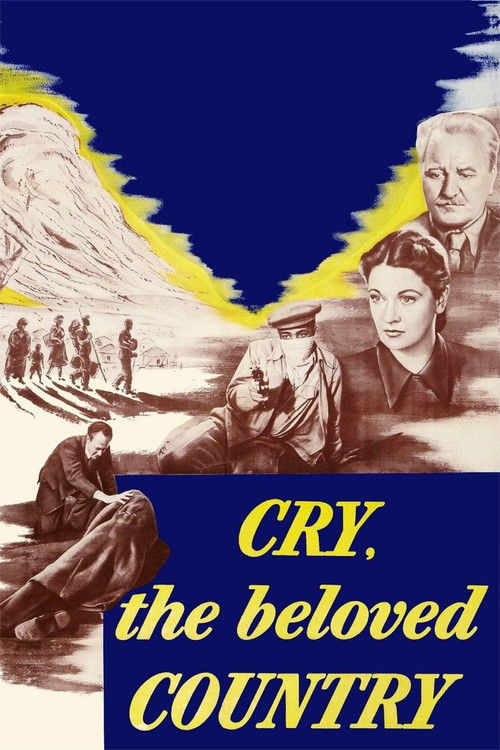
Cry, the Beloved Country1951
A hymn of sorrow and grace set in apartheid South Africa, featuring Alan Paton's spiritual humanism. The landscape itself becomes a character—vast, complicit, mournful. A masterwork of restrained heartbreak.
But The pacing is deliberate to the point of stillness. It asks patience rather than thrills, and won't reward those hunting plot momentum.
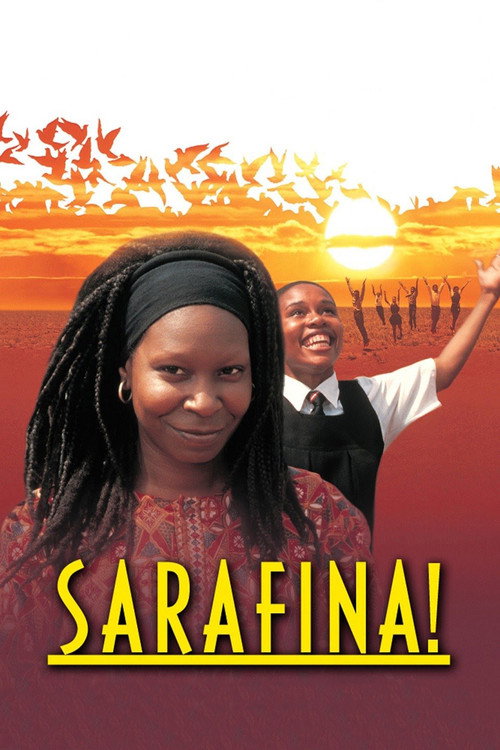
Sarafina!1992
South African anti-apartheid energy channeled through music and youth defiance. Whoopi Goldberg anchors an ensemble that sings, dances, and organizes against impossible odds. Joyful resistance as its own form of politics.
But The theatrical tone and musical numbers can feel dated to modern viewers. Some dramatic moments prioritize uplift over complexity.
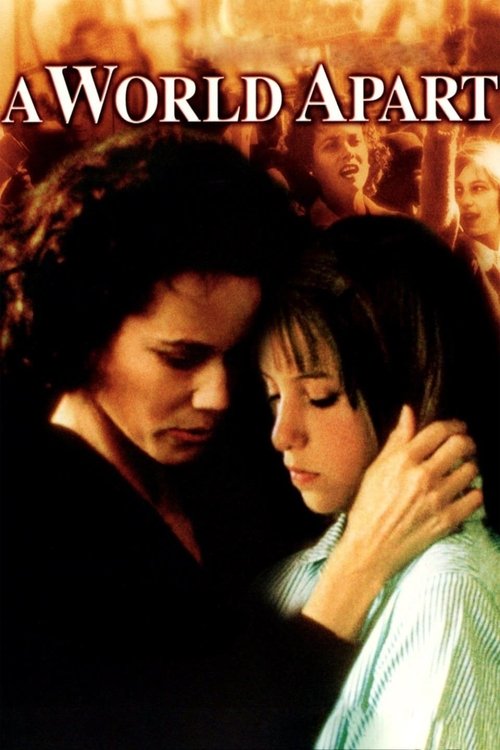
A World Apart1988
A white South African girl watches her activist mother imprisoned by the regime she loves. Told from a child's perspective, it captures apartheid's intimate tyranny—how it fractures families who resist. Shattered and luminous.
But The point-of-view matters; if you want a story centered on Black resistance rather than white conscience, this will feel limiting.
Not sure tonight? Get a pick in a minute, starting from Come Back, Africa
The wildcard
Something you would not have found on your own.
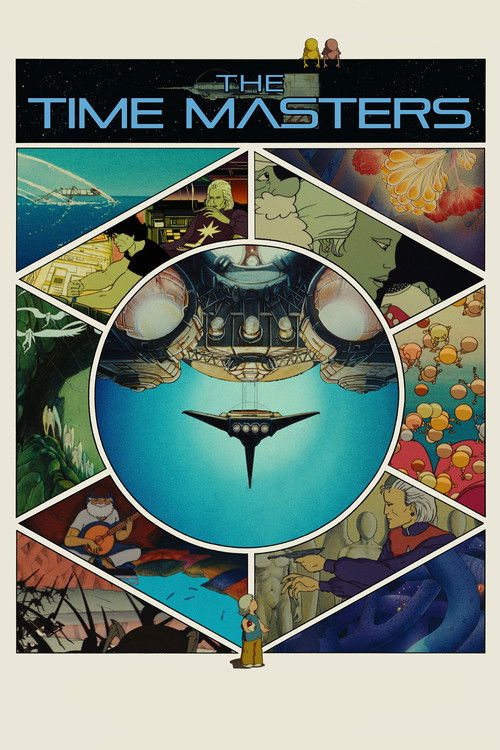
Time Masters1982
Both are African cinema refusing Western narrative norms. Both insist that form itself is political—how you tell the story matters as much as what story you're telling.
Ousmane Sembène's science-fiction fable about African futures and colonial legacies, set on an alien world. Formally experimental, poetically mysterious, it's Black speculative cinema at its most ambitious. A dream logic applied to material history.
But It's abstract and slow-moving. The narrative doesn't deliver plot; it meditates. Patience and tolerance for ambiguity are prerequisites.
More like this (7)
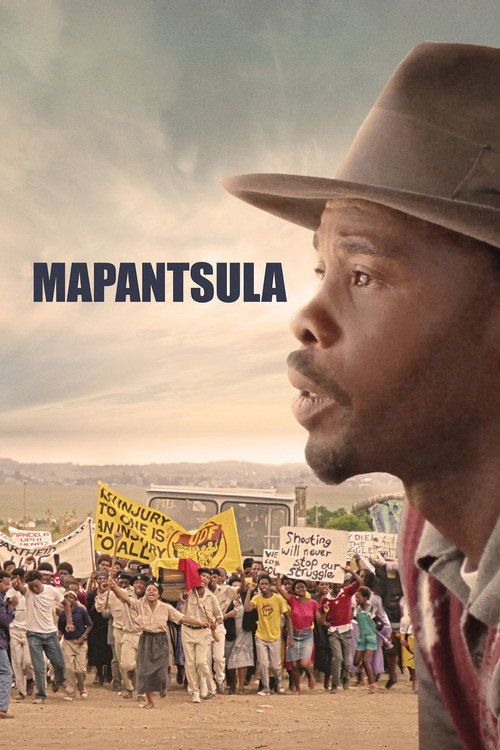
Mapantsula1988
A Black South African township gangster is arrested and interrogated. Shot with kinetic energy and township slang, it refuses both victimhood and heroism. A character study trapped in a police state—tense, funny, human.
But The township dialect and rapid-fire speech can be hard to follow. Subtitles help, but it remains intentionally opaque in places.
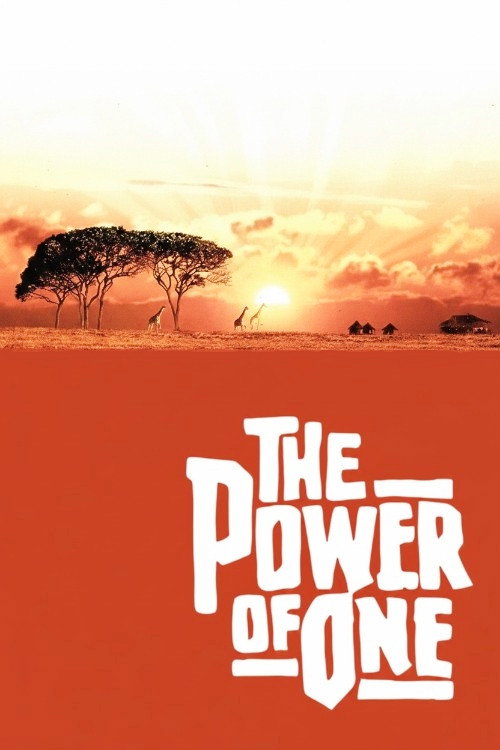
The Power of One1992
A white girl in apartheid South Africa befriends a Black boxer and begins to see the system's monstrosity. Epic in scope, it spans decades and contains genuine moments of moral awakening alongside big Hollywood emotion.
But It centers a white protagonist's journey of conscience, which can read as self-congratulatory. The scale sometimes overshadows its South African specificity.
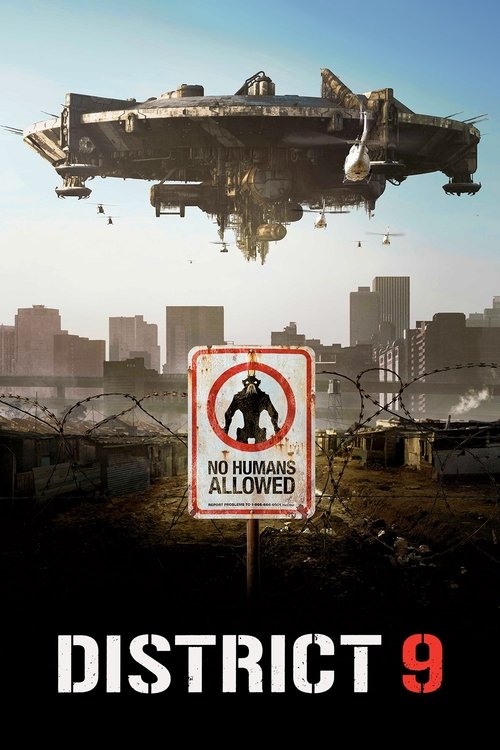
District 92009
A sci-fi allegory for apartheid housing, class, and dehumanization. Shot as faux-documentary with visceral action, it turns the machinery of segregation into body horror. Disturbing and inventive.
But The metaphor is blunt. Some find the genre trappings distancing—it's easier to watch allegory than testimony.
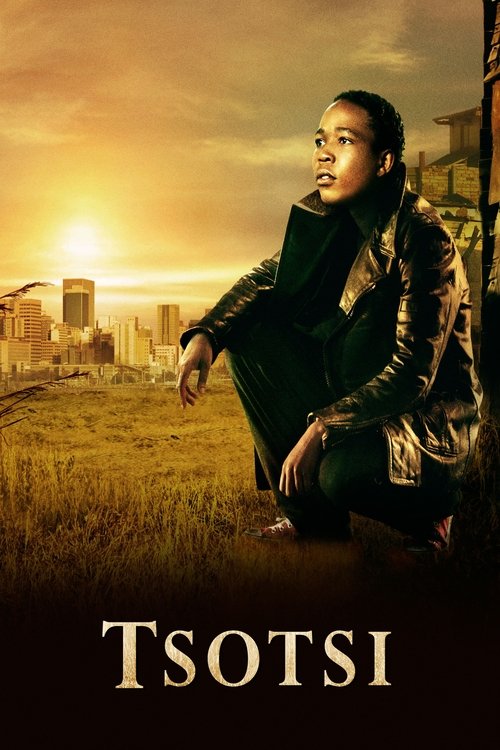
Tsotsi2005
A Johannesburg street kid forced to confront his own humanity. Shot in the townships with nonprofessional leads, it's gritty, immediate, and quietly devastating. Crime as survival, mercy as revolution.
But It's bleak. The violence is real, the solutions uncertain. Don't come looking for redemption handed neatly to you.
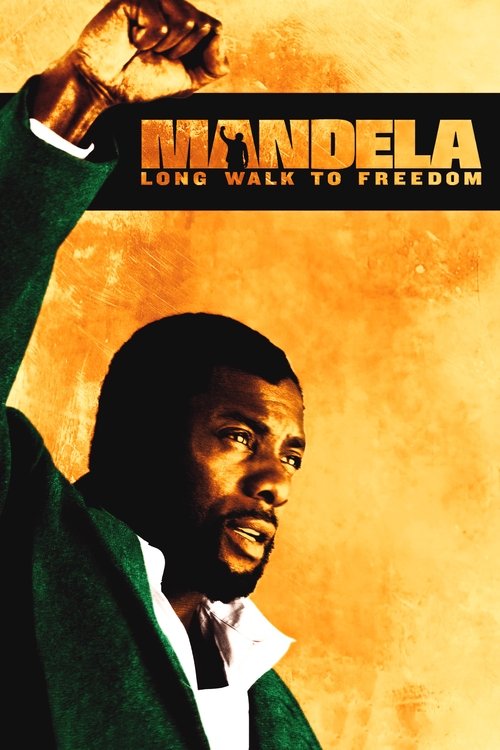
Mandela: Long Walk to Freedom2013
Idris Elba as Mandela across decades of struggle and imprisonment. Sweeping biography of the man and the movement, with real historical stakes. A necessary anchor to the larger political story.
But Biography-shaped plots can feel rote. The scale sometimes flattens intimate character moments in service of covering too much ground.
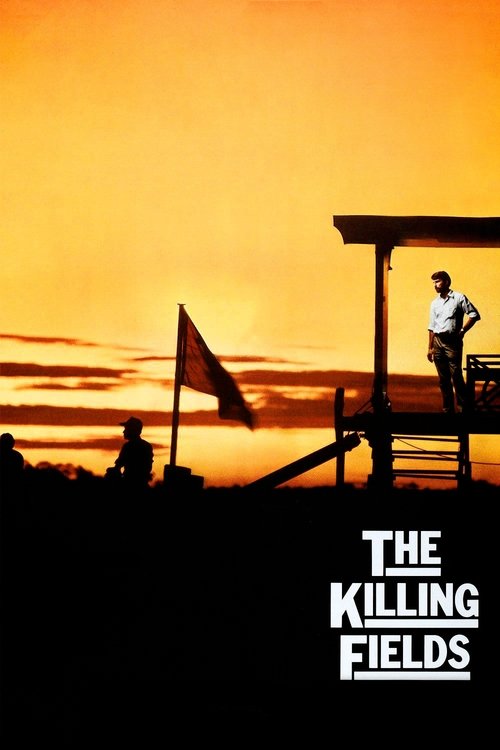
The Killing Fields1984
A journalist and a Cambodian interpreter navigating genocide and war. Harrowing and immersive, it treats its subjects as full people, not just victims. A cinema of moral clarity forged in hell.
But Extremely graphic. It's not exploitative, but it doesn't look away from atrocity, and that's both its power and its cost.
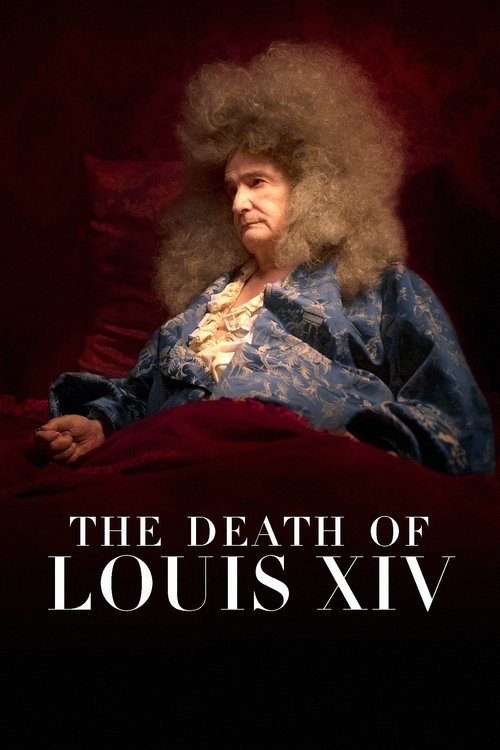
The Death of Louis XIV2016
Both films trap their protagonists in systems that diminish them—apartheid law, royal protocol. Both use stillness as a tool of horror. Both refuse to comfort the viewer.
Albert Serra's film of the dying Sun King—static, baroque, obsessed with the body's final hours. A 90-minute study of mortality, suffering, and the failure of grandeur. Hypnotic and claustrophobic in equal measure.
But Almost nothing happens. It's an endurance test dressed as cinema. If you're seeking narrative propulsion, this is antithetical to everything you want.
People
Cast
 Miriam MakebaMiriam
- Vinah MakebaVinah
- Zachria MakebaZachariah
Directing
- Lionel RogosinDirector
Writing
- Bloke ModisaneWriter
- Lionel RogosinWriter
Production
- Lionel RogosinProducer
Recommended by
Hitler: A Career, The Connection, The Visitors, Last Exit to Brooklyn, The Young Guard, On the Bowery