
Film
The Connection
- Social drama
- Drug-trade crime
- Very dark
A 1962 docudrama following eight heroin addicts in a Manhattan apartment waiting for their dealer, with a film crew capturing it all. Shot in grainy black-and-white with non-professional actors, it's claustrophobic and unsparing—less interested in moralizing than in the grinding reality of dependency. Rough around the edges but genuinely unsettling.
If you liked this
Requiem for a Dream2000
A modern descent into addiction across four lives, told with formal brilliance and genuine heartbreak. Uses montage and music to make chemical dependency feel like lived experience, not abstraction.
But The final act is genuinely harrowing—visually and narratively—in ways that some find punishing rather than cathartic.

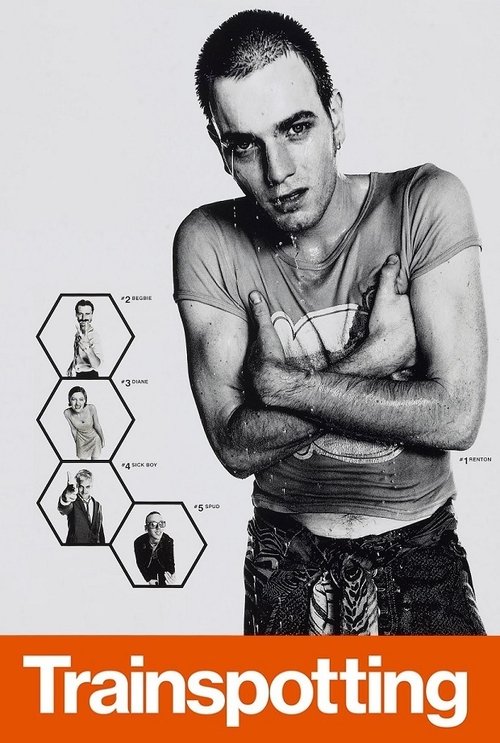
Trainspotting1996
Energy, style, and unflinching honesty about what addiction actually looks like on the street. Funny and horrifying in the same breath, with a cast that lives every frame.
But The dated '90s aesthetic bothers some viewers, and the portrayal of women is thin compared to its treatment of the men.
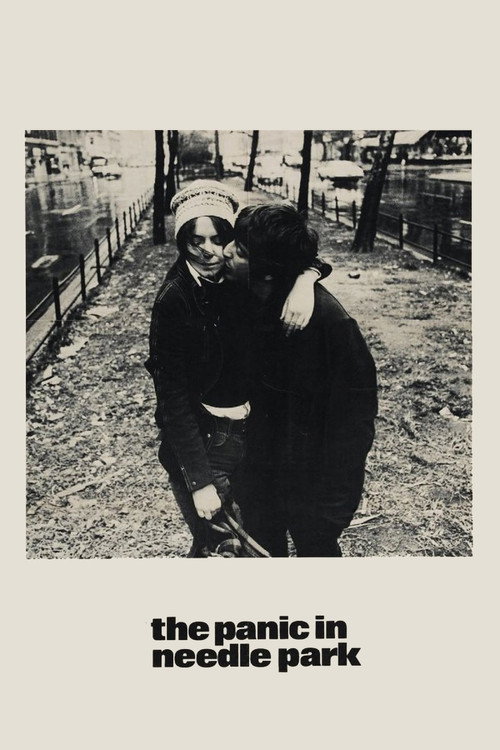
The Panic in Needle Park1971
Another '70s New York addiction story with documentary naturalism and devastating performances from Al Pacino and Kitty Winn. Quietly devastating in a way that builds over time.
But It's slow and unglamorous to the point where some find it dull rather than immersive.
Not sure tonight? Get a pick in a minute, starting from The Connection
The wildcard
Something you would not have found on your own.
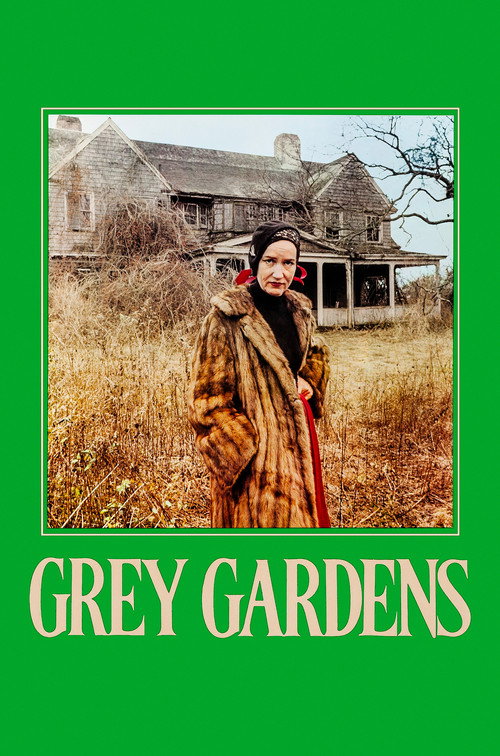
Grey Gardens1976
Both use observation without intervention: a camera in a room, capturing what people do when they're watched. Neither is interested in redemption narratives.
A documentary about two reclusive women (a mother and daughter, both named Edie) living in decay on Long Island. Formally innovative cinema verité that watches real people rather than explaining them—uncomfortably intimate and genuinely tragic.
But It's a documentary that demands you sit with discomfort and possible exploitation; some view it as voyeurism dressed as art.
More like this (8)
The Killing1956
Kubrick's earliest masterpiece: a heist film told in fragmented time, with documentary-style precision applied to criminal underworld. Shows how to film lower-world characters without sentimentality.
But The narrative structure can feel needlessly complicated on first viewing, and the pacing is deliberate rather than propulsive.

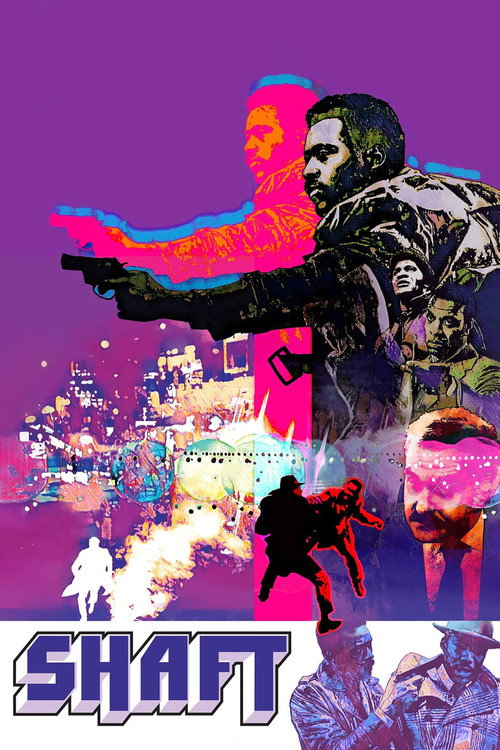
Shaft1971
A Black detective navigating Harlem's criminal ecosystem with style, intelligence, and hard-won streetcraft. Pulse-pounding, stylish, and genuinely smart about power and survival.
But Some of the gender politics are of its era, and the plot mechanics matter less than the mood and performance.
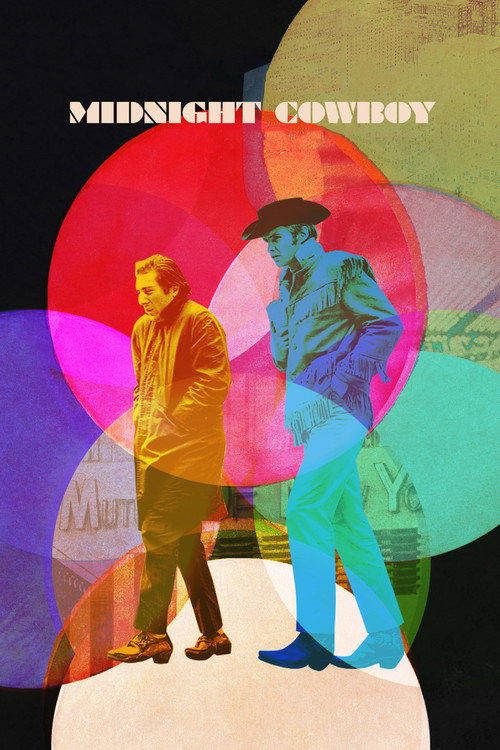
Midnight Cowboy1969
Urban desperation and survival in Times Square, with Jon Voight as a young hustler and Dustin Hoffman as his broken companion. Unflinching about exploitation and loneliness.
But It's sexually explicit and genuinely depressing—the only X-rated film ever to win Best Picture, and it shows why.
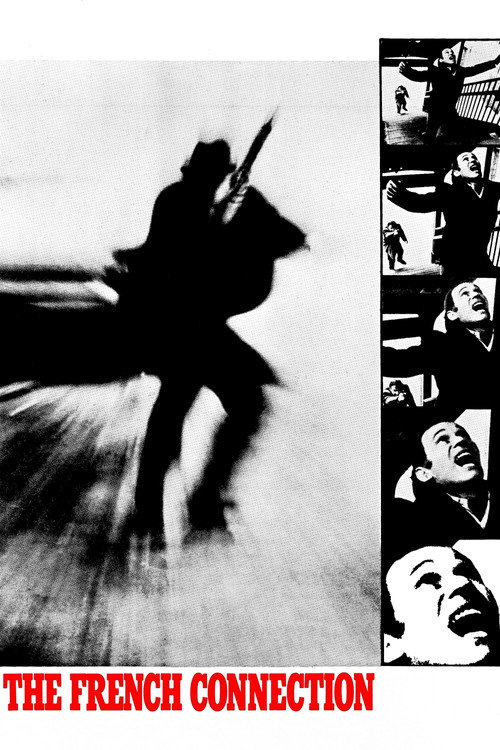
The French Connection1971
A police procedural that feels like documentary filmmaking, following detectives trying to trace heroin from Marseille to New York streets. Tense, intelligent, and structurally brilliant.
But The focus shifts between criminals and cops, which can diffuse tension; some find the police work less gripping than the criminal story.
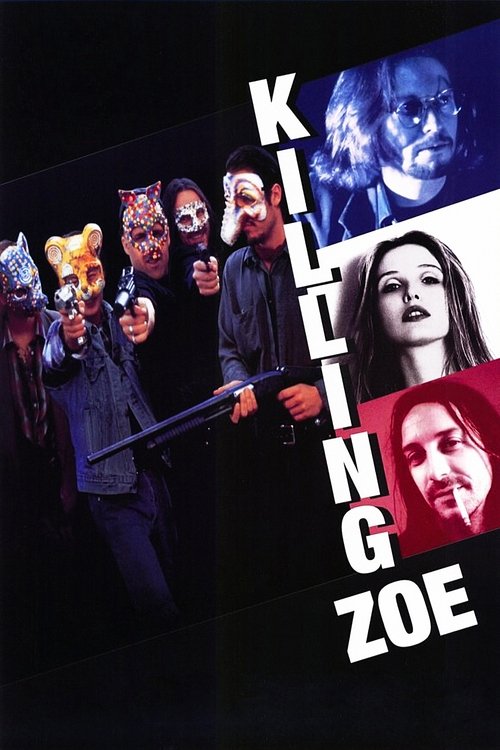
Killing Zoe1993
A small-scale heist film set in Paris with a documentary-like eye for spaces and moral ambiguity. Strange, precise, and interested in how people behave under pressure.
But It's deliberately paced and withholding, which reads as pretentious to some viewers; the plot is secondary to mood.
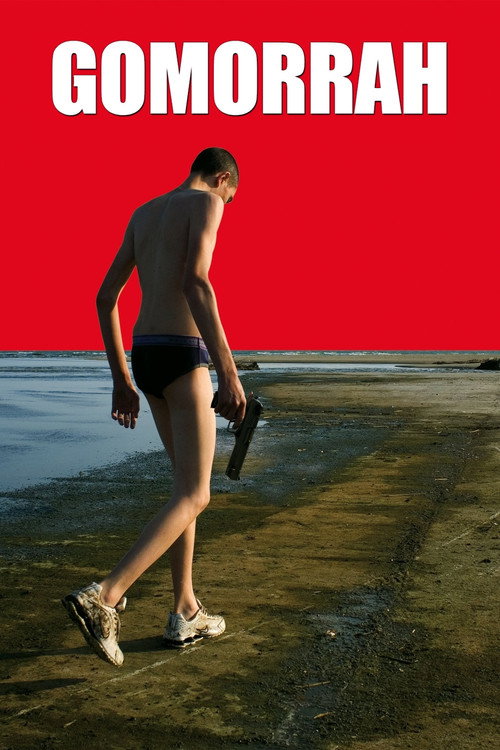
Gomorrah2008
An Italian crime film that follows four separate characters through Naples' Camorra underworld with naturalistic precision. Treats criminals and civilians with equal moral weight; deeply immersive.
But The narrative structure fragments across storylines without resolution, and it requires patience with ambiguity.
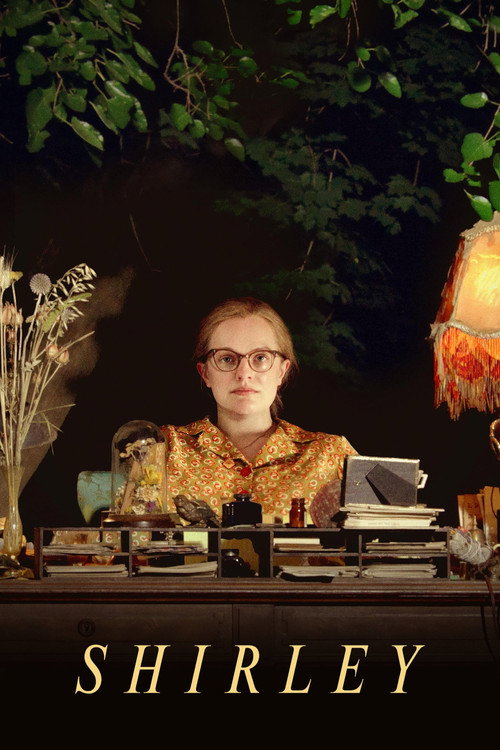
Shirley2020
Both trap characters in confined spaces where psychology and addiction (to creation, to control, to substances) become indistinguishable from character itself.
Elisabeth Moss as Shirley Jackson, the writer, struggling through a blackout summer while a young couple invades her home. A chamber piece about artistic obsession, resentment, and the cost of creation—formally controlled and psychologically intense.
But It's very slow, very literary, and the horror is interior rather than external; some find it airless rather than gripping.
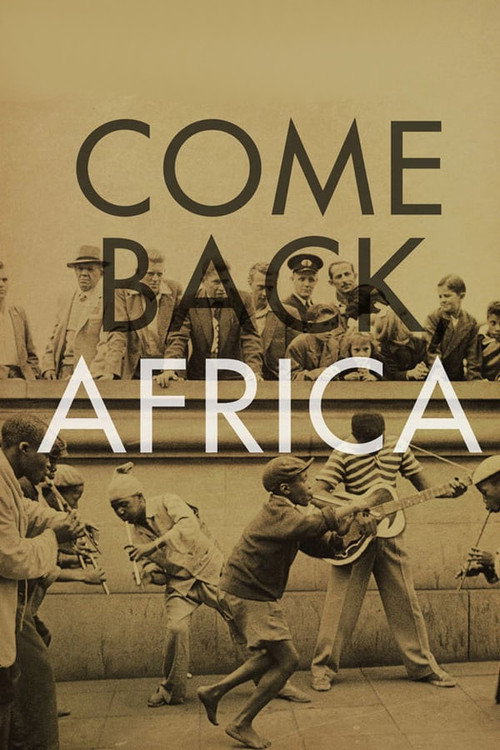
Come Back, Africa1959
Both are films made in the early '60s using non-professionals to document a specific world without Hollywood mediation. Both ask what a camera can ethically witness and report.
Shot in apartheid South Africa with largely non-professional actors, following a Black man arriving in Johannesburg for work. A near-documentary examination of systemic dehumanization, made by a white American filmmaker in conditions of real danger. Raw and structurally daring.
But The image quality is poor, the narrative is deliberately fragmentary, and the moral positioning of a white director filming Black suffering is unavoidably complicated.
People
Cast
 Warren FinnertyLeach
- Jerome RaphaelSolly
 Garry GoodrowErnie
 Carl LeeCowboy
- Barbara WinchesterSister Salvation
- Henry ProachHarry
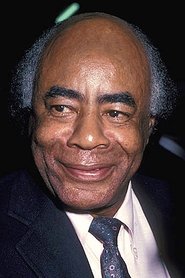 Roscoe Lee BrowneJ. J. Burden (as Roscoe Brown)
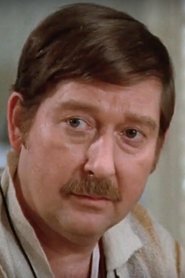 William RedfieldJim Dunn
- Freddie ReddPiano Player
- Jackie McLeanSax Player
- Larry RichieDrummer
- Michael MattosBass Player