
Film
Pull My Daisy
- Absurdist comedy
- Light-hearted
- Strange
A 26-minute Beat Generation comedy where a railway worker's wife invites a bishop to dinner, only for his bohemian friends to derail the evening. Shot in grainy black-and-white, it's anarchic and affectionate—part home movie, part manifesto. Jack Kerouac narrates his own script. It's for anyone curious about the Beats beyond legend, or who loves cinema that feels genuinely alive.
Should you watch it?
Watch it if you like loose, talky comedy about hangers-on who treat a respectable dinner as an excuse for chaos, and you enjoy the rhythm of improvised narration over unhurried images.
Skip it if you need a plot that builds, since this is a loose sketch of one evening with little forward drive and more mood than story.
What it asks of you: Half an hour of patience with wandering talk. It is short, unhurried and shaggy rather than sharp, so drift with it instead of waiting for a point.
Not sure? Find tonight's pick in a minute.
If you liked this
Lemon2017
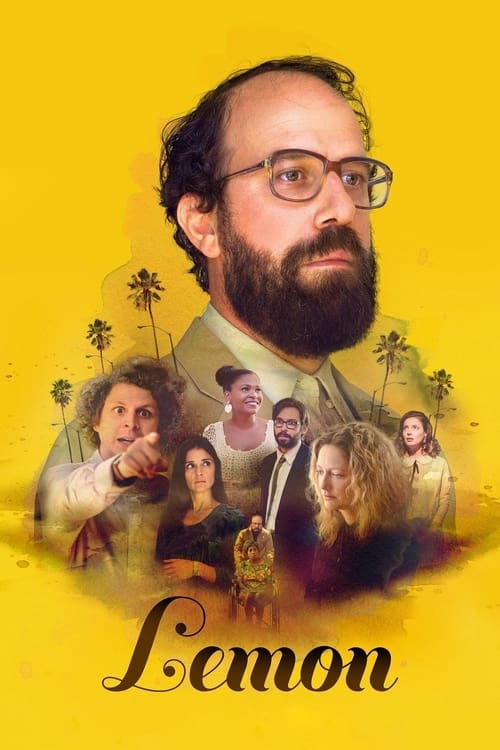
A deadpan comedy about an actor's unraveling life that captures the same spirit of creative chaos and bohemian desperation, shot in crisp black-and-white with a precision that makes the absurdity sharper.
But At 85 minutes, it's slower and more deliberately uncomfortable than you might expect from something funny. The humor is withholding.
Contempt1963
Godard's film about filmmaking itself, where a movie set becomes a stage for art, commerce, and ego to collide. It shares Pull My Daisy's interest in capturing creative people in their natural state, arguing with each other.
But It's in French, it moves at its own pace, and its pleasures are conceptual. If you want plot momentum, this isn't it.

A Serious Man2009
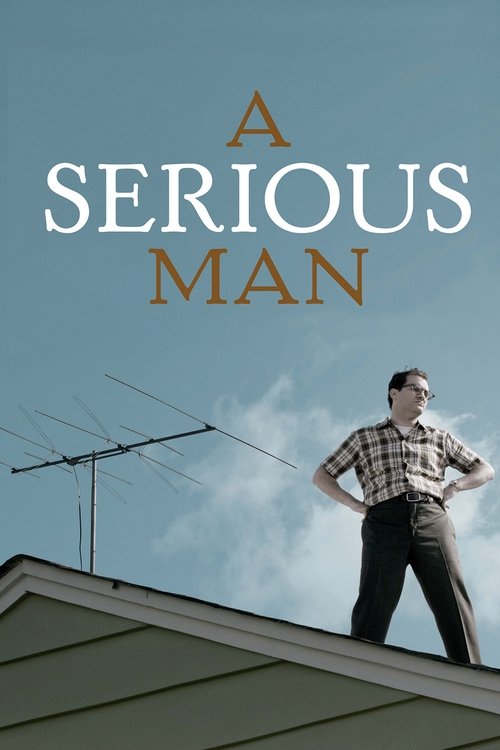
The Coen Brothers' portrait of a man whose orderly life collapses when bohemian chaos enters it—the inverse of Pull My Daisy, but equally fascinated by the collision between respectability and creative disorder.
But It's bleak and refuses to offer easy answers. The humor is dark enough that some moments might feel cruel rather than funny.
Not sure tonight? Get a pick in a minute, starting from Pull My Daisy
The wildcard
Something you would not have found on your own.
Fireworks1947
Both are short films that treat the camera as a poet's tool, not a documentarian's. Both prioritize mood and moment over plot. Both are proudly marginal.
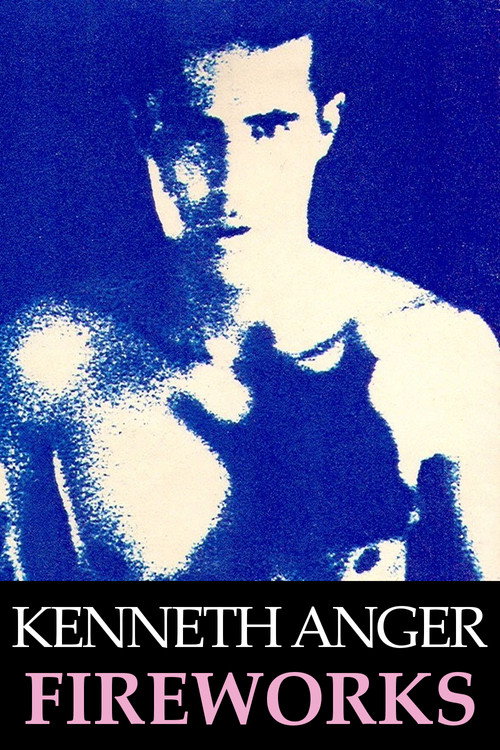
Kenneth Anger's 16-minute avant-garde film, made when Kerouac was still finding his voice, is pure visual poetry with no plot—just imagery of rebellion, desire, and beauty. It's the film tradition Pull My Daisy inherits and extends.
But It's abstract and homoerotic in ways that demand patience. If you watch it expecting narrative or conventional story, you'll be baffled.
More like this (8)
Shadows1960
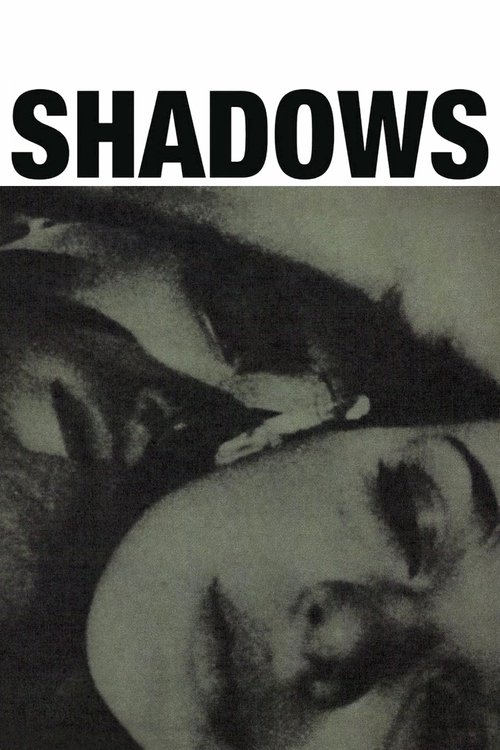
John Cassavetes' same-year contemporary, also shot in grainy black-and-white, capturing three siblings improvising through New York. It's the other side of Beat cinema—more intimate, no narration, purely observational.
But The improvisation can feel shapeless if you're used to traditional structure. Some scenes drag. The audio is notoriously difficult in older prints.
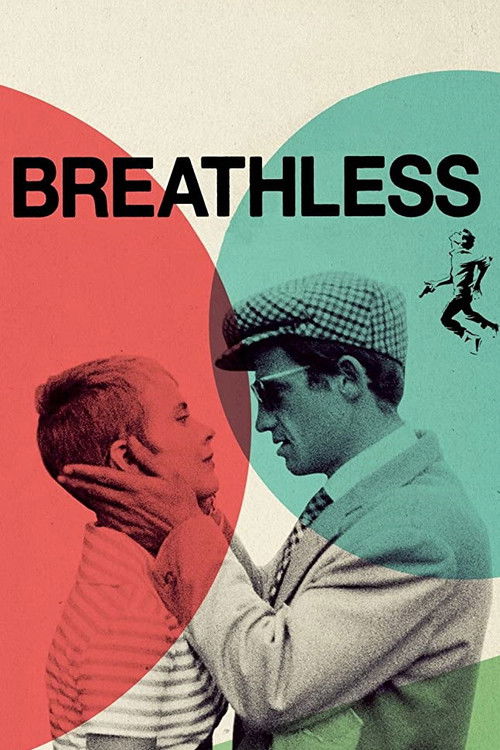
Breathless1960
Godard's love letter to cinema and restlessness, featuring a drifter and his girlfriend moving through Paris. It captures the same youthful, anti-establishment energy and uses a fragmented, playful style to mirror its characters' minds.
But The French New Wave approach can feel dated now, and the relationship at its center has elements that aged poorly. The pacing is deliberately alienating.
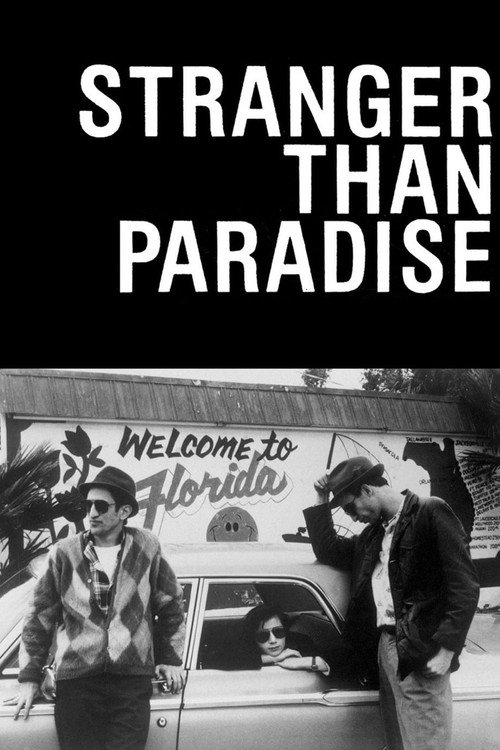
Stranger Than Paradise1984
Jim Jarmusch's deadpan, black-and-white portrait of aimless drifters finds poetry in boredom and small moments. It owes a spiritual debt to the Beat documentary impulse but filters it through minimalism.
But Nothing happens. If you need narrative propulsion or character development, this will feel like a waste of time rather than an experiment.
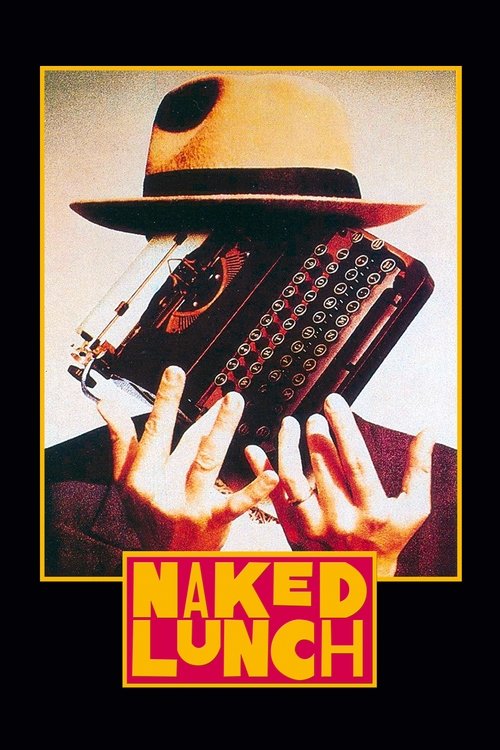
Naked Lunch1991
Cronenberg's hallucinogenic adaptation of Burroughs captures Beat literature's chaotic, digressive energy and paranoid vision. It's a film that refuses coherence the way the Beats refused convention.
But It's viscerally uncomfortable, sexually explicit, and genuinely disturbing. The plot dissolves into nightmare. Burroughs' homophobia is embedded in the source material.
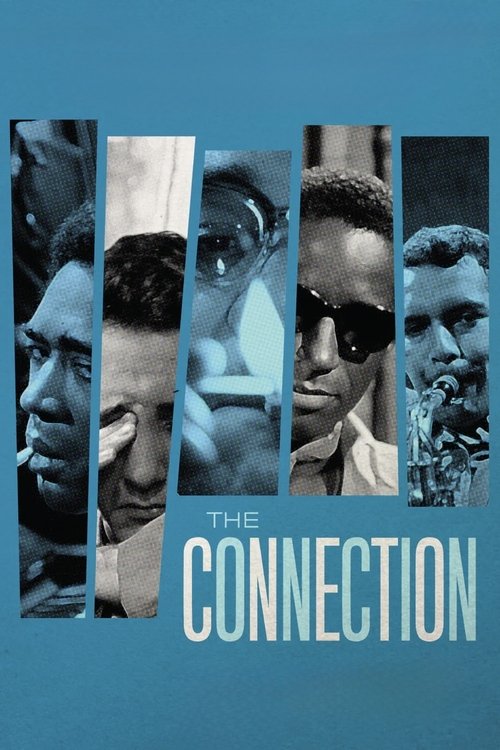
The Connection1962
Shirley Clarke's jazz-inflected film about junkies waiting for a dealer is semi-improvised, shot in gritty black-and-white, and captures the Beat world's underbelly with unflinching honesty and style.
But The subject matter is unsparing and the pacing is glacial. If you're uncomfortable with addiction narratives, this won't relent.
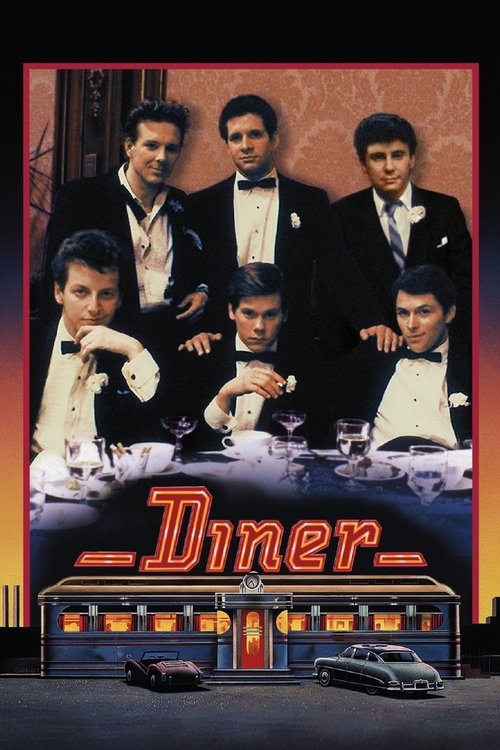
Diner1982
Barry Levinson's ensemble portrait of men hanging out, arguing, bonding in a Baltimore diner. It's structurally similar—a gathering of characters, minimal plot, all character and dialogue—but warmer and more accessible.
But It's sentimental about male friendship in ways that haven't aged well. The women are largely functional. It can feel more nostalgic than genuinely interested in its subjects.
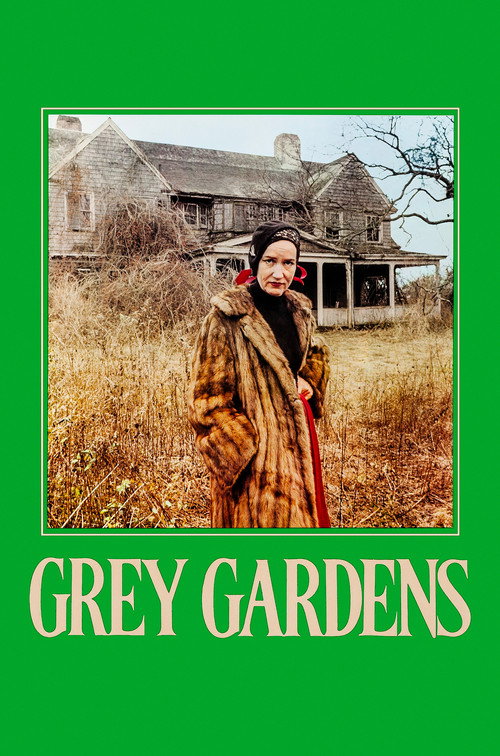
Grey Gardens1976
Both films are fascinated by bohemian life and willing to film their subjects without condescension. Both have an anthropological quality—watching how people actually live.
The Maysles brothers' documentary of a reclusive mother and daughter living in decay is a real-life version of what Pull My Daisy acted: bohemian eccentricity, creative people, the wreckage of unconventional lives, filmed with affection and unflinching honesty.
But It's long, repetitive, and genuinely sad. The subjects are sympathetic but self-destructive. Some viewers find it exploitative—watching people in decline for entertainment.
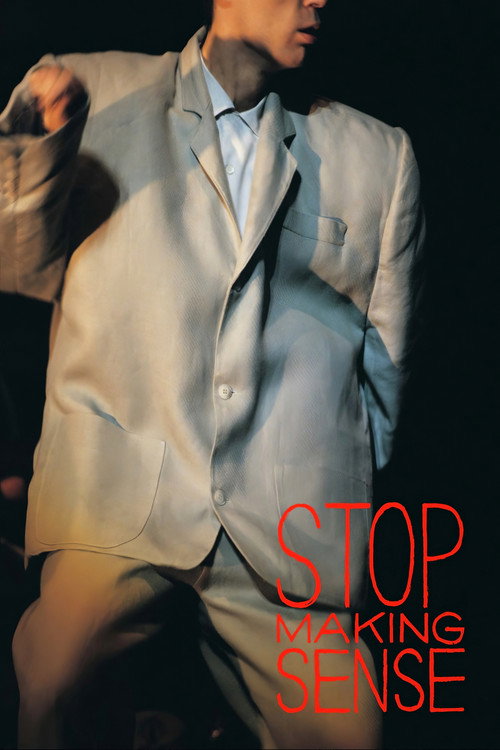
Stop Making Sense1984
Both films prioritize performance and the presence of creative people over narrative. Both feel improvised despite careful direction. Both use their medium playfully, almost like they're inventing cinema as they go.
Jonathan Demme's concert film of Talking Heads is anarchic, joyful, formally inventive—a performance that feels like spontaneous creativity happening before you. It captures the same spirit of play and intelligent chaos as Pull My Daisy.
But If you don't love the Talking Heads, you're not getting much. It's a concert film, so the pleasures are repetitive. Some find it self-consciously artsy rather than genuinely moving.
People
Cast
 Jack KerouacNarrator (voice)
 Allen GinsbergAlan
- Gregory CorsoGregory
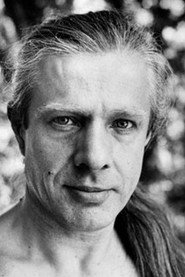 Peter OrlovskyPeter
- Larry RiversMilo
 David AmramMez McGillicuddy
- Richard BellamyBishop
- Alice NeelBishop's Mother
- Sally GrossBishop's Sister
- Pablo FrankPablo, Milo's Son
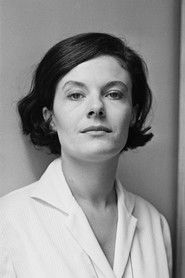 Delphine SeyrigMilo's Wife
- Denise ParkerGirl in Bed
Directing
- Alfred LeslieDirector
- Robert FrankDirector
Writing
- Jack KerouacWriter