
Film
Fireworks
Other titles called Fireworks: the 1997 film.
Kenneth Anger's 1947 *Fireworks* is a fourteen-minute avant-garde film of pure cinema—no narrative, no dialogue, just images and their meanings colliding. A young man dreams his way through a surreal night of desire, violence, and strange beauty. It's hypnotic and uncomfortable in equal measure, built from what film can do that nothing else can. For those ready to meet cinema as art.
Should you watch it?
Watch it if you love experimental shorts that trade narrative for pure dream logic, flickering imagery and a sharp, ritual charge that lingers long after the final image.
Skip it if you want a story with characters, cause and a satisfying arc, since this is almost all mood, symbol and a fragmentary sense of longing, with little to hold onto.
What it asks of you: Barely a quarter hour and almost wordless, it moves in hazy, unsettling fragments that reward patient eyes and refuse to explain themselves.
Not sure? Find tonight's pick in a minute.
If you liked this
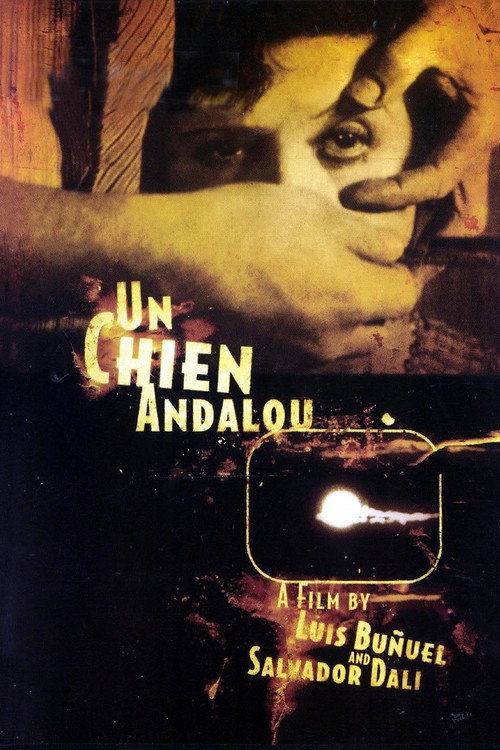
Un Chien Andalou1929
Buñuel and Dalí's defining surrealist masterpiece: eighteen minutes of dream logic so precise and disturbing it rewires how you see cinema. Essential viewing for anyone serious about experimental film.
But The famous eyeball scene genuinely traumatizes some viewers. If you need narrative or comfort, this will feel like an assault.
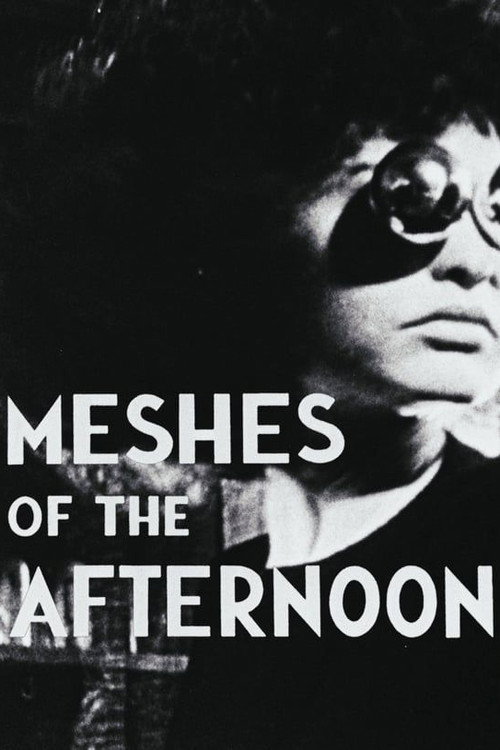
Meshes of the Afternoon1943
Maya Deren's feminist experimental landmark: twelve minutes of a woman trapped in recursive dream-loops, using the camera itself as magic. Hypnotic and influential on everyone who followed.
But Deliberately oblique and non-linear. If you need plot or clear meaning spelled out, you'll find it frustrating rather than profound.
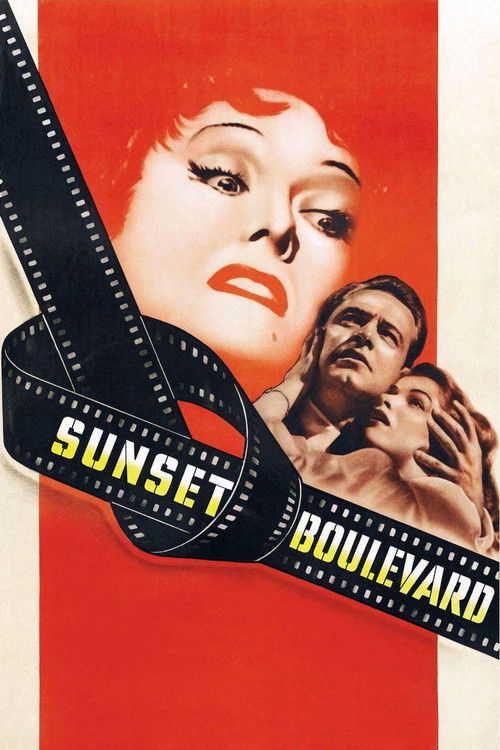
Sunset Boulevard1950
Billy Wilder's Hollywood nightmare: all decaying glamour and psychological entrapment, with a protagonist spiraling into delusion. Visually and morally dark in ways that still disturb.
But The tone is pitch-black and cynical throughout. It's a masterpiece but relentlessly bleak—no catharsis, just inevitable descent.
Not sure tonight? Get a pick in a minute, starting from Fireworks
The wildcard
Something you would not have found on your own.
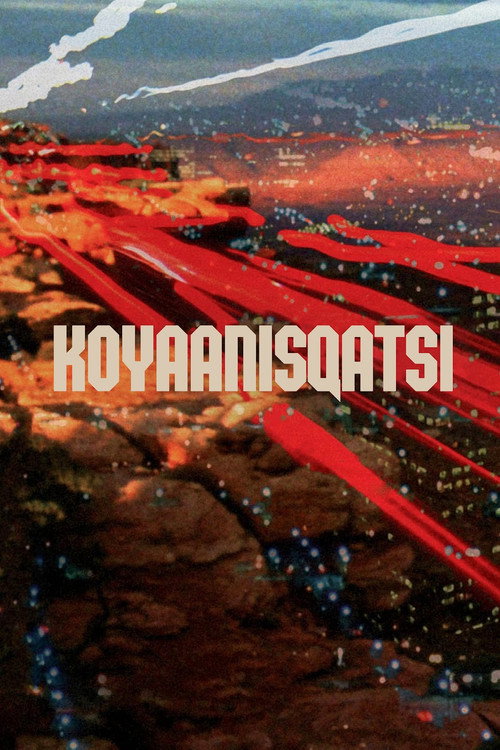
Koyaanisqatsi1983
Both use cinema's image-making power alone to induce dream states and existential vertigo. Neither film 'tells'—both enchant through pure visual and sonic architecture.
Ron Fricke's hypnotic non-narrative visual essay with Philip Glass's minimalist score. Ninety minutes of time-lapse and slow-motion imagery observing modern life as a kind of spiritual collapse. Pure cinema operating on rhythm and metaphor.
But No plot, no characters, no conventional drama. Meditative viewers rapturized; those needing active narrative engagement will find it static and impenetrable.
More like this (7)
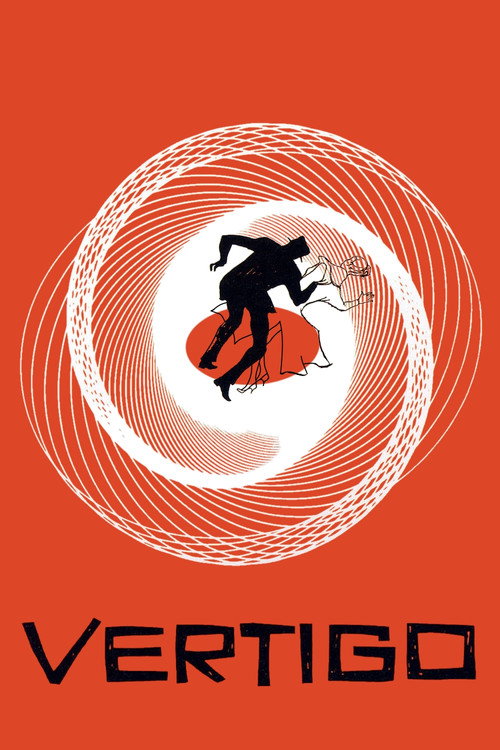
Vertigo1958
Hitchcock's dreamlike descent into obsession and doubling. The camera moves like it's inside a mind fracturing. Every frame feels weighted with meaning and unease.
But Slow by modern standards and increasingly abstract as it goes. The plot becomes secondary to pure psychological texture.
Mulholland Drive2001
David Lynch's LA nightmare where identity collapses and dreams eat reality. Two and a half hours of cinema operating on pure mood and symbol, with one of the greatest revelations in film.
But Deliberately refuses to explain itself. The final act makes clear sense only on reflection, and some prefer their stories complete the first time through.

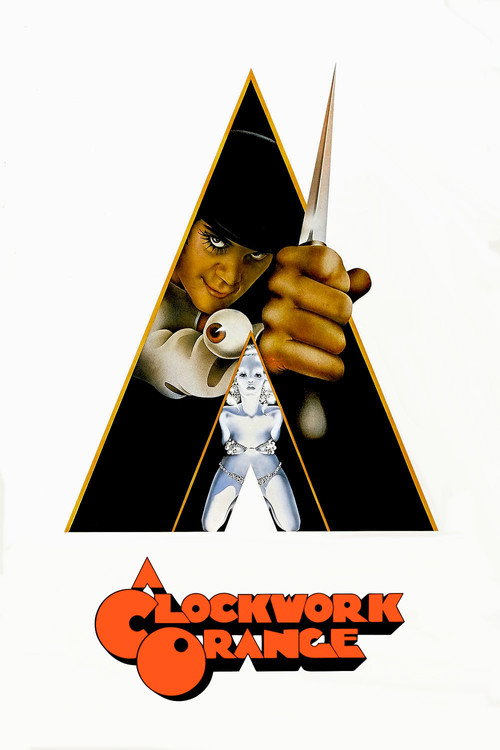
A Clockwork Orange1971
Kubrick's vision of future society as pornography and violence: formally brilliant, musically inspired, and philosophically savage. Not a comfortable experience, but undeniably powerful.
But The rape and ultraviolence are presented unflinchingly, not as critique but as spectacle. Deeply repellent to many viewers, justifiably.
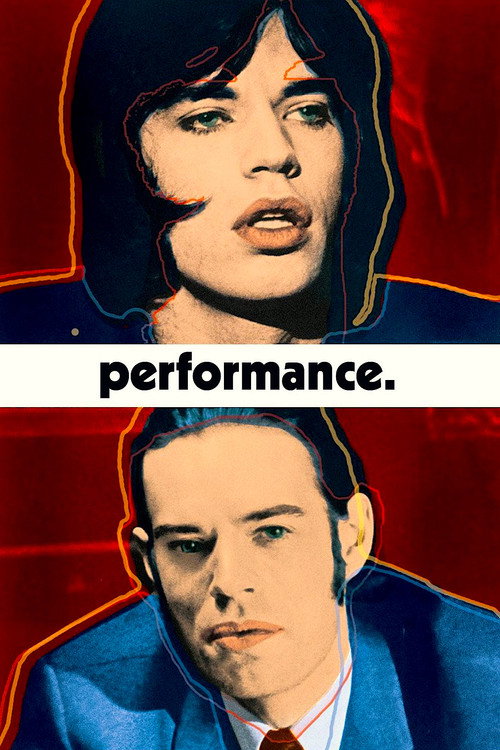
Performance.1970
Roeg and Cammell's hallucinogenic blur of crime, identity, and sexual transgression. A gangster hides in a rock star's decadent home and the boundaries between them dissolve into mirror images.
But Obscure, nonlinear, and steeped in 1970s excess. The narrative logic is chemical rather than causal; many find it more interesting than watchable.
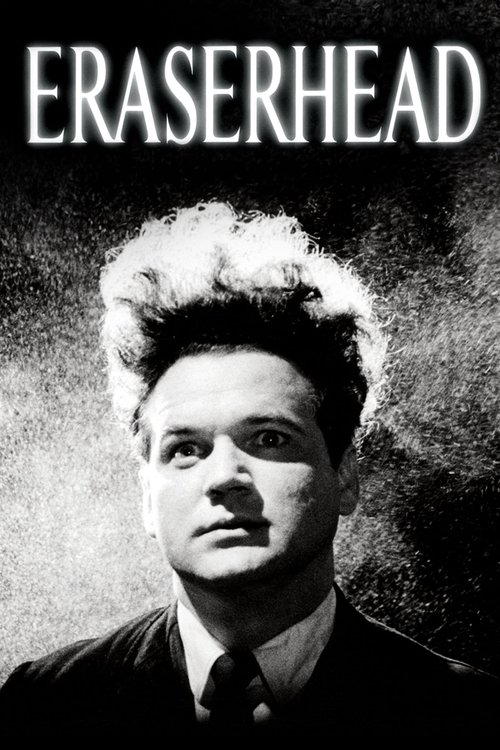
Eraserhead1977
Lynch's feature debut: pure nightmare morphology in black and white. Sound design and image combine into something that feels less like a film and more like being inside a dread fever dream.
But Genuinely revolting imagery and no relief. The industrial nightmare never lets up; some viewers find it unwatchable rather than art.
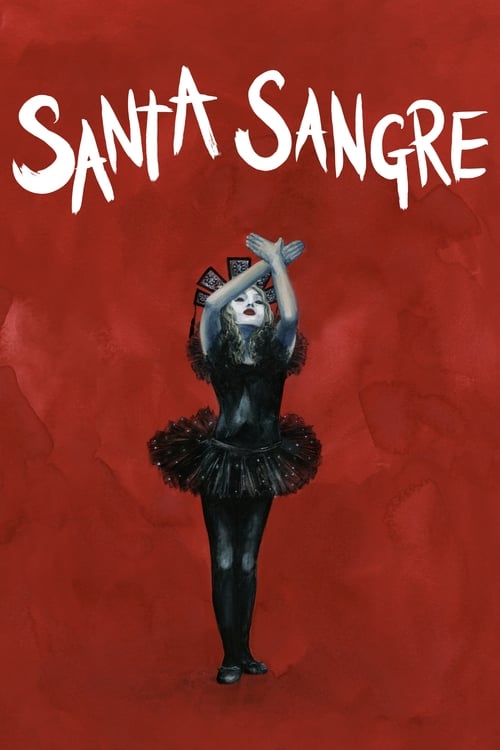
Santa Sangre1989
Jodorowsky's surrealist fever dream about incest, mutilation, and redemption. Visually baroque, deeply disturbing, and strangely moving. Pure cinema operating on symbol and trauma.
But Extreme body horror and violent family dysfunction. The narrative is deliberately fragmented; patience and appetite for discomfort both required.
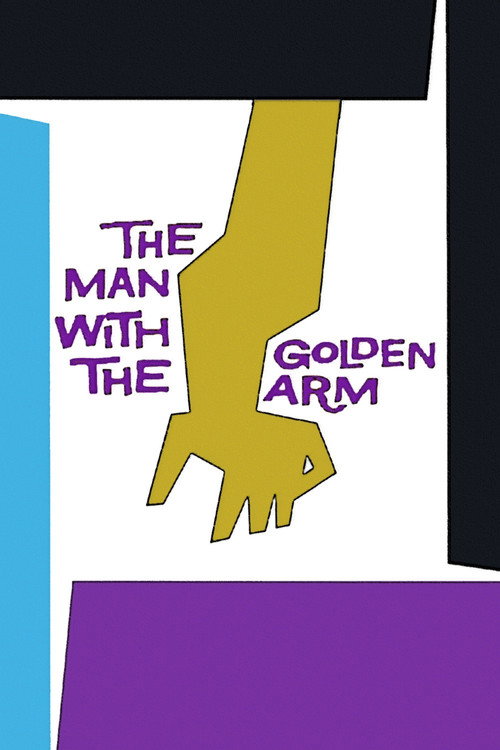
The Man with the Golden Arm1955
Both films refused by censors as obscene or corrupting. Both use formal innovation to depict intoxication and desire. Where *Fireworks* dreams it in surrealist abstraction, *The Man with the Golden Arm* grounds the same interior descent in social realism and flesh.
Otto Preminger's heroin addiction drama with unprecedented honesty about dependency and shame. The opening credits alone—a hand scratching skin in rhythm—are experimental cinema technique in service of human damage.
But Made before *Fireworks* was even permitted distribution in most US states. Some will see it as reductive—a problem-picture rather than art cinema. Dated in pacing by modern standards.
People
Cast
 Kenneth AngerDreamer (uncredited)
- Gordon GrayFirst Sailor (uncredited)
- Bill SeltzerSecond Sailor (uncredited)
Directing
- Kenneth AngerDirector
Writing
- Kenneth AngerWriter
Recommended by
Pull My Daisy, Scorpio Rising, Kustom Kar Kommandos, The Wormwood Star, Revolution