
Film
Kustom Kar Kommandos
- Musical
- Light-hearted
A three-minute film of a man in jeans polishing a customized car to 1950s doo-wop. It's hypnotic, strange, and utterly sincere—a minor Kenneth Anger work that treats automotive devotion as something close to prayer. For anyone curious about underground cinema, queer avant-garde aesthetics, or the peculiar erotics of fetish filmmaking.
If you liked this
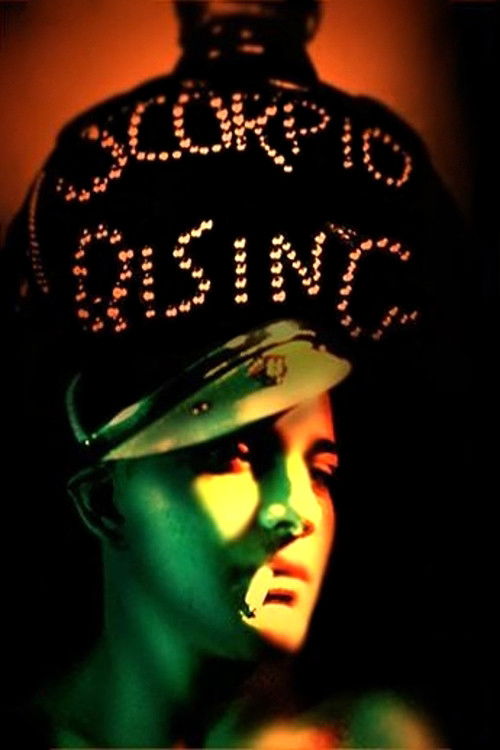
Scorpio Rising1964
Anger's masterpiece: a leather-jacketed biker prepares for a date in ritualistic slow-motion, set to pop songs. It's visually stunning, emotionally raw, and genuinely unsettling in ways that still work.
But It's experimental and deliberately paced. If you need plot or conventional narrative momentum, this will frustrate you. Some find the homoerotic imagery provocative rather than moving.
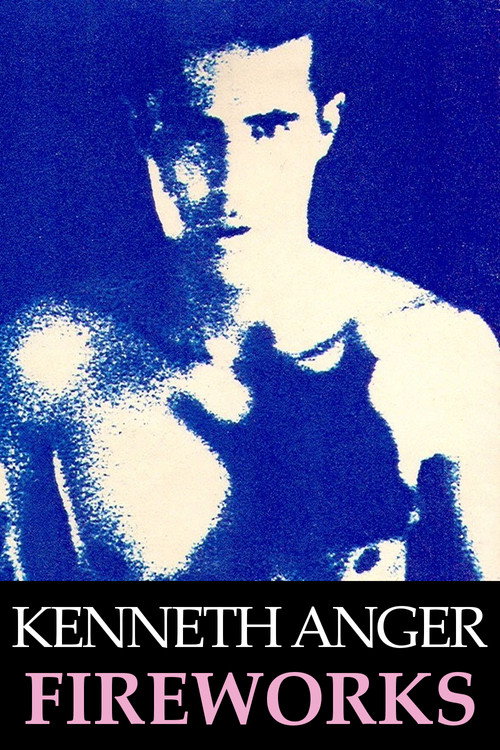
Fireworks1947
Anger's first film: dream logic, surreal violence, and queer desire in 16mm. A foundational avant-garde work that remains hypnotic and daring—just twelve minutes that feel like a fever dream.
But It's abstract and symbolist, which means it resists easy interpretation. Some sequences are disturbing. Not a film that explains itself.
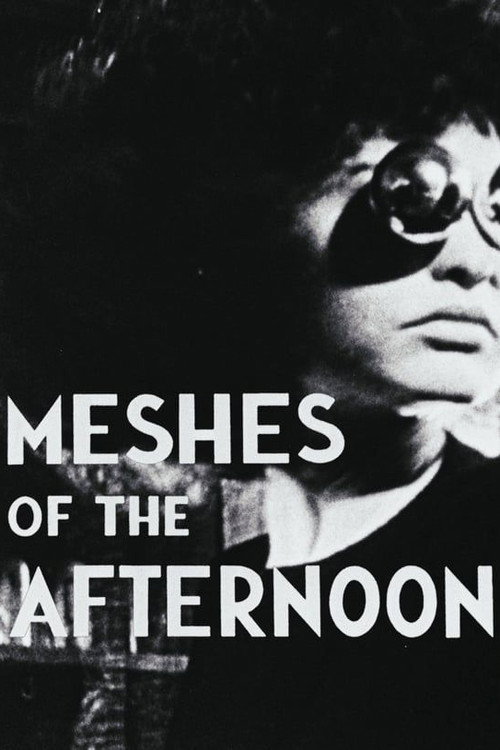
Meshes of the Afternoon1943
Maya Deren's experimental masterpiece: a woman in her home trapped in recursive time. Visually inventive, deeply mysterious, and only fourteen minutes—it rewired what cinema could be.
But It's structurally complex and deliberately obscure. You'll leave puzzled rather than satisfied, which some find enriching and others find maddening.
Not sure tonight? Get a pick in a minute, starting from Kustom Kar Kommandos
The wildcard
Something you would not have found on your own.
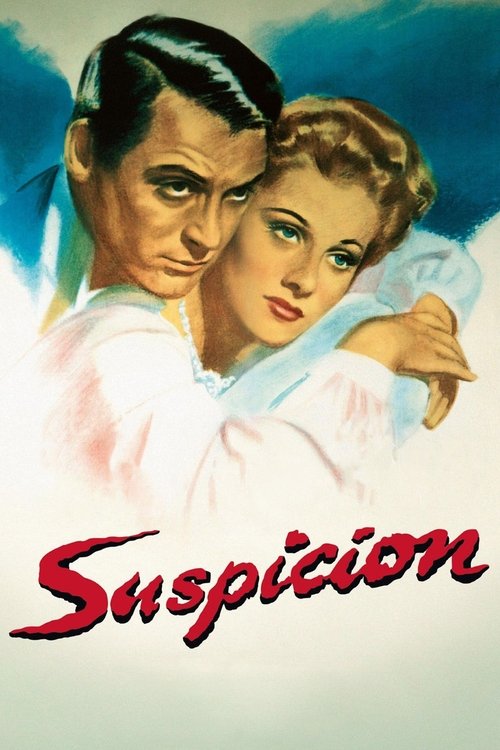
Suspicion1941
Both films treat ordinary objects—cars, tea, a glass—as charged with erotic or sinister energy. Both use fetishistic repetition to build an almost liturgical intensity. Both see desire and threat as inseparable.
Hitchcock and Cary Grant on the mechanics of desire and paranoia: a woman begins to suspect her charming new husband wants her dead. It's beautiful, taut, and far darker than you'd expect from its era.
But The ending was compromised by studio pressure and audiences find it unsatisfying. Grant's charm is weaponized rather than comforting, which some find unpleasant.
More like this (7)
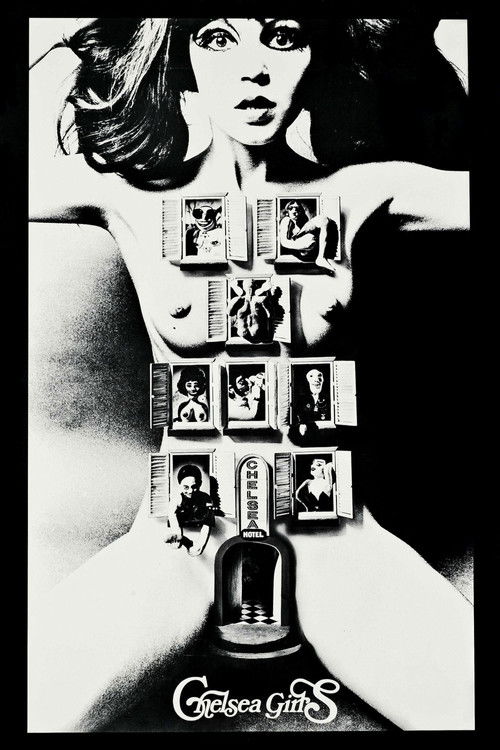
Chelsea Girls1966
Warhol's three-and-a-half-hour split-screen portrait of Chelsea Hotel inhabitants. Deadpan, intimate, and totally weird—a document of a specific moment in underground culture that's also strangely moving.
But It's slow, repetitive, and often boring. Warhol means it to be. If you can't sit with boredom as an aesthetic choice, this will test your patience.
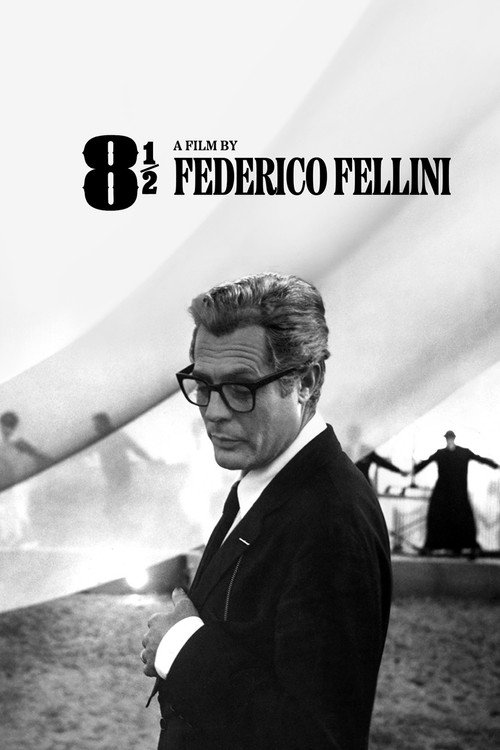
8½1963
Fellini's circus of a film about a director unable to make his next picture. Surreal, funny, achingly human—a masterpiece about ego, desire, and the terror of the blank page.
But It's three hours and structurally messy, which some read as genius and others as self-indulgent. The dreamlike narrative isn't for everyone.
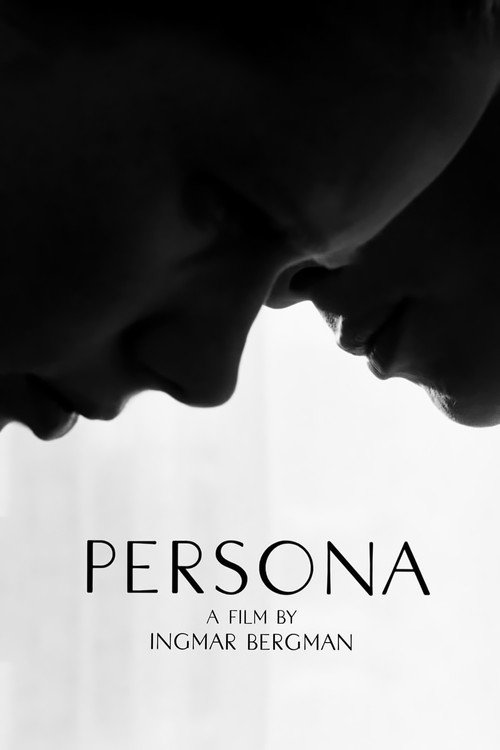
Persona1966
Bergman's hypnotic chamber piece: an actress stops speaking and a nurse becomes obsessed with her. Philosophically dense, visually stunning, and genuinely eerie in unexpected ways.
But It's intensely psychological and slow. If you watch for external plot, you'll be disappointed. It requires you to sit with ambiguity.
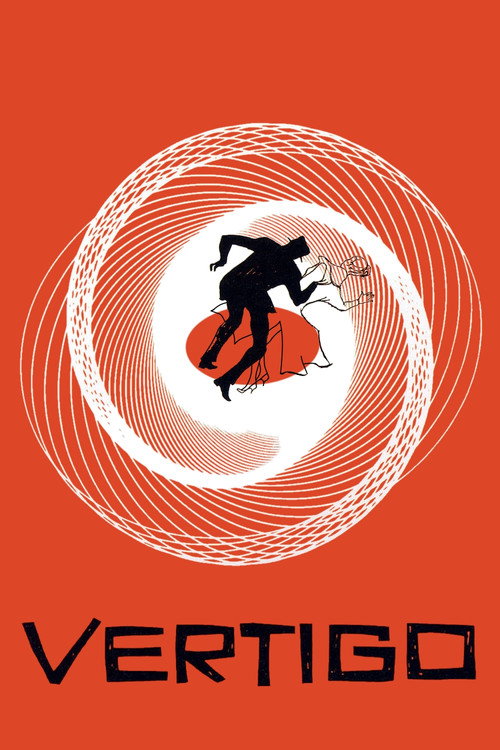
Vertigo1958
Hitchcock's obsessive masterpiece about a man haunted by an image of a woman. Formally perfect, beautifully shot, and psychologically twisted in ways that only deepen with time.
But The female lead is passive and the protagonist is genuinely creepy. If you need characters you root for, this is difficult ground.
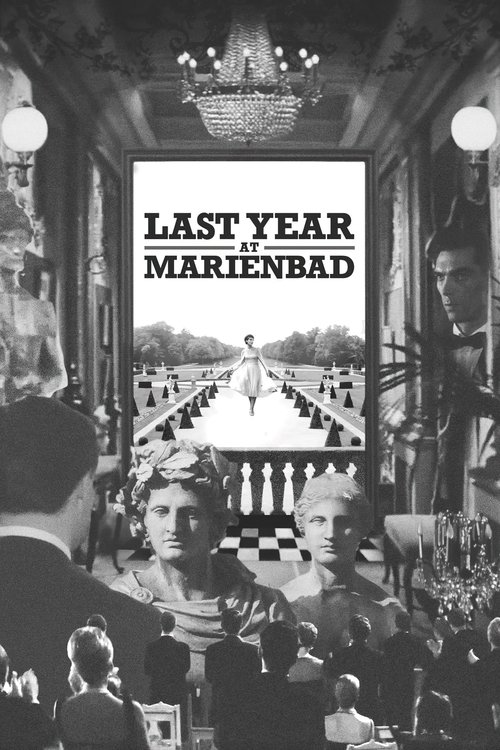
Last Year at Marienbad1961
Resnais and Robbe-Grillet's puzzle-box about memory, time, and seduction in a baroque hotel. Impossibly elegant and genuinely mysterious—a film that unfolds differently every viewing.
But It's structurally opaque and deliberately disorienting. Some find that liberating; others find it exhausting and pretentious.
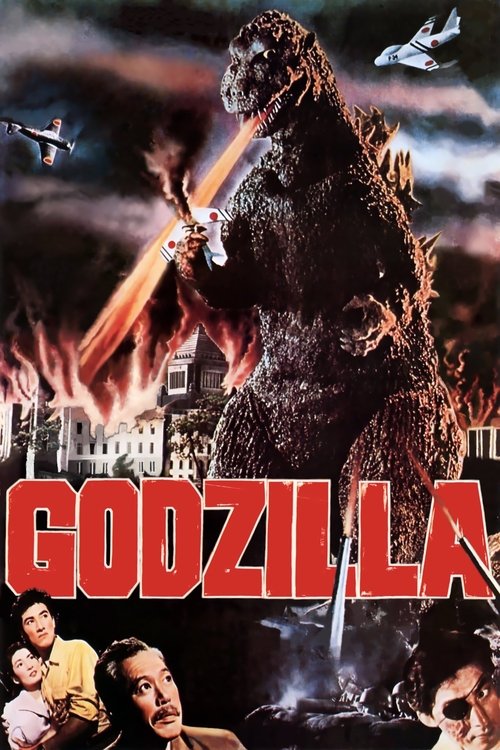
Godzilla1954
Both are short films (Kustom Kar at 3 minutes, the original Godzilla at 96) that take their singular subject with absolute seriousness. Both treat their subjects—car, monster—as sacred or totemic rather than ironic. Both are formally restrained and hypnotic.
The original Japanese version (not the American edit): a traumatized nation processes atomic terror through a monster rising from the sea. Visually stunning, emotionally direct, and formally brilliant—no irony, just pure horror and loss.
But It's a monster movie in black and white from 1954. If you want something slick or modern, this looks deliberately old. The pacing is meditative rather than thrilling.
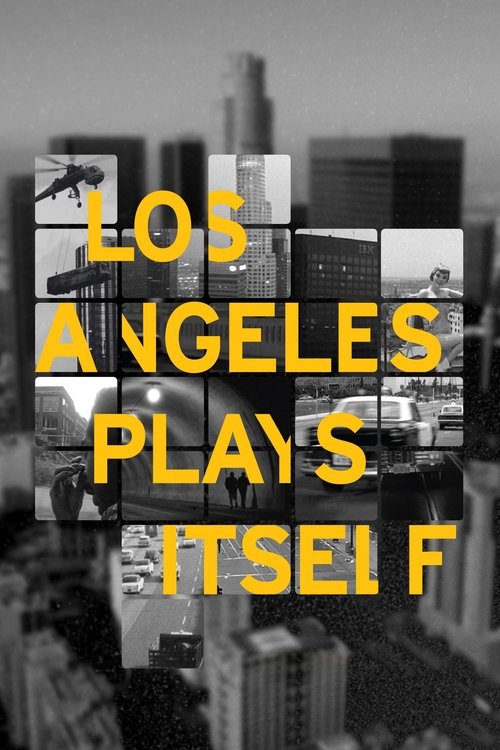
Los Angeles Plays Itself2004
Both are short, hypnotic meditations on American fetishism—one directed at cars, one at a city. Both treat their subject with genuine reverence while acknowledging its troubling dimensions. Both see the everyday as containing something worth sustained attention.
Thom Andersen's three-hour essay on Los Angeles through cinema clips, exploring how the city appears on film versus how it actually is. Funny, angry, erudite, and genuinely moving—a love letter and a critique at once.
But It's a three-hour video essay that assumes film knowledge. You'll need to want to think about cinema and urban landscape to stay engaged.
People
Cast
- Sandy TrentMan (uncredited)
Directing
- Kenneth AngerDirector
Writing
- Kenneth AngerWriter