
Film
Revolution
Other titles called Revolution: the 2012 series (NBC).
A four-minute film essay set to the Beatles' "Revolution," intercutting footage of a leftist youth march with the song's raw energy and ambiguity about radical change. It's a precise collision of image and sound—political urgency meeting artistic doubt. Made for anyone curious about how cinema can argue with music, or how 1968 tried to capture itself.
If you liked this
The Battle of Algiers1966
A masterpiece of political cinema that uses formal brilliance to dramatize revolutionary struggle. Every shot is composed for maximum impact and moral complexity about resistance and occupation.
But It's in black and white, it's slow-paced by modern standards, and it doesn't offer easy emotional catharsis—it stays cold and intellectual.

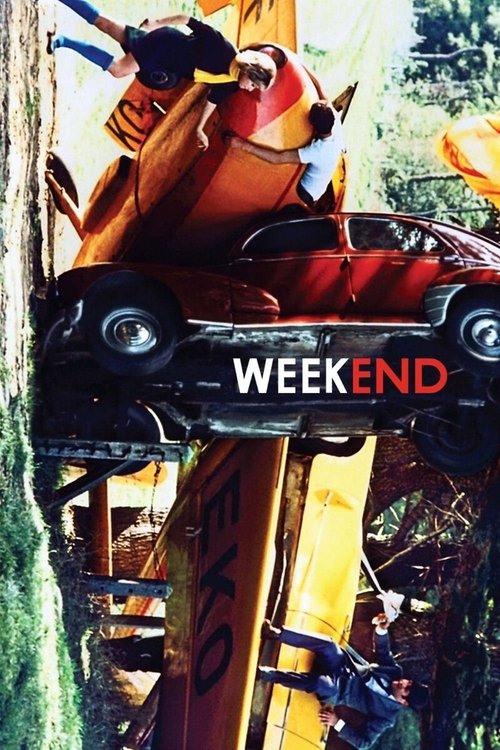
Weekend1967
Godard's most savage satire of bourgeois France, cutting between pastoral horror and revolutionary fantasy. Formally inventive and genuinely angry in ways that feel close to Revolution's restless energy.
But It's extremely brutal, often grotesque, and the formal experiments can feel like punishment rather than pleasure if you're not in the mood.
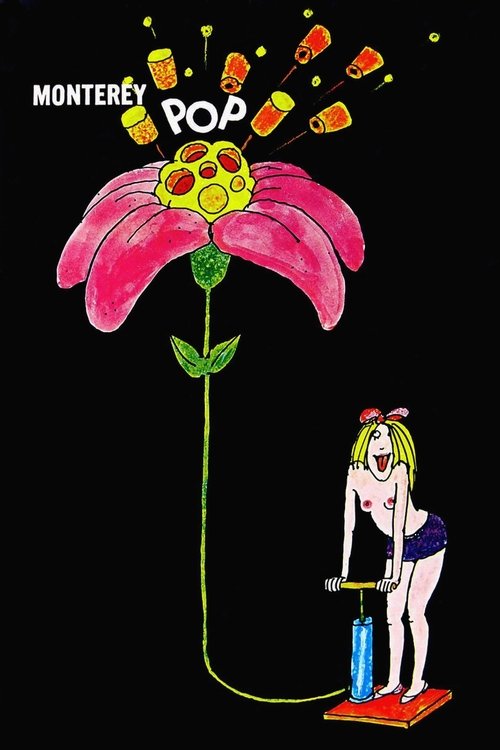
Monterey Pop1968
D.A. Pennebaker's documentary of the 1967 festival, capturing the moment when rock music and counterculture felt like they might change the world. Pure visual energy and genuine historical electricity.
But It's a concert film—if you don't connect with the performances, you're just watching footage of people playing instruments on stage.
Not sure tonight? Get a pick in a minute, starting from Revolution
The wildcard
Something you would not have found on your own.
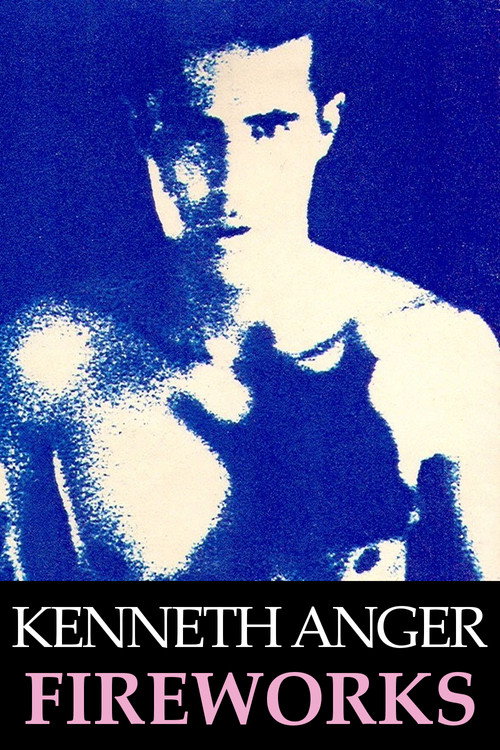
Fireworks1947
Both are short films that use classical or popular music to create political or artistic argument through editing alone, proving form is the message.
Kenneth Anger's four-minute surrealist film set to Handel—pure image-music collision that argues cinema can be radical through form alone, not content. A direct ancestor to Revolution's method and ambition.
But It's dense, symbolic, often opaque, and without knowing Anger's formal intentions it can feel like pretty colors with no purpose.
More like this (7)
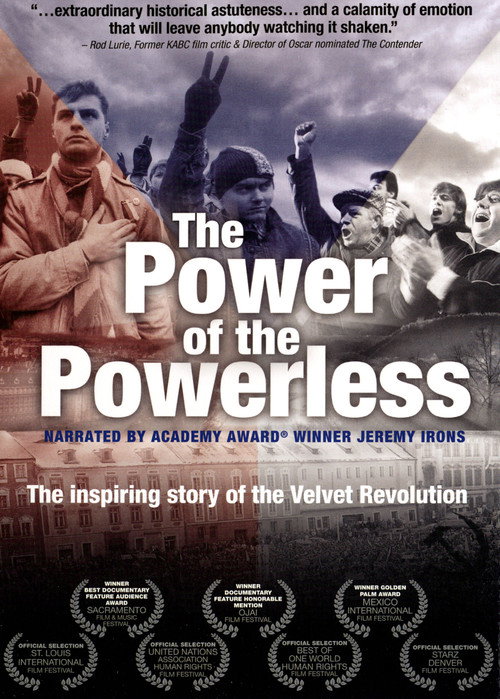
The Power of the Powerless2009
A documentary essay about political change and cultural resistance that circles around similar questions as Revolution: how do movements actually form? What do images mean? Thoughtful and genuinely moving.
But It's an academic essay first and a film second—meditative, slow, sometimes abstract in ways that demand patience.
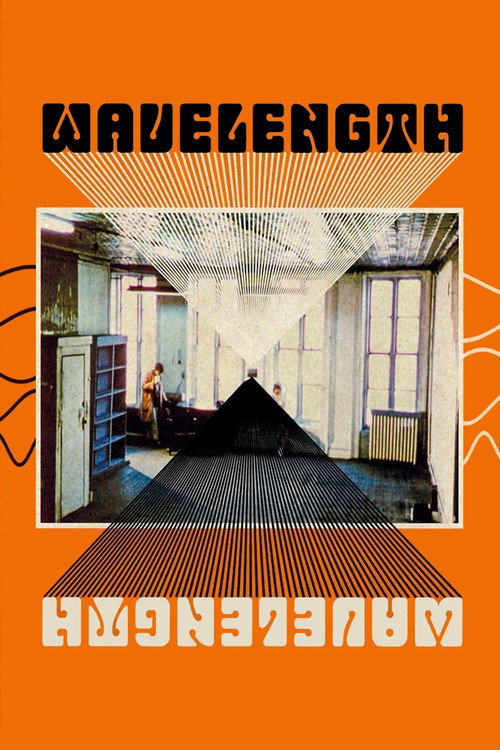
Wavelength1967
Michael Snow's forty-five-minute zoom into a New York loft: a film about pure cinema and perception that avoids narrative entirely. A sister work to Revolution in its faith that form alone can be radical.
But It's basically one continuous camera movement for nearly an hour. If experimental cinema isn't your language, this will feel like punishment.
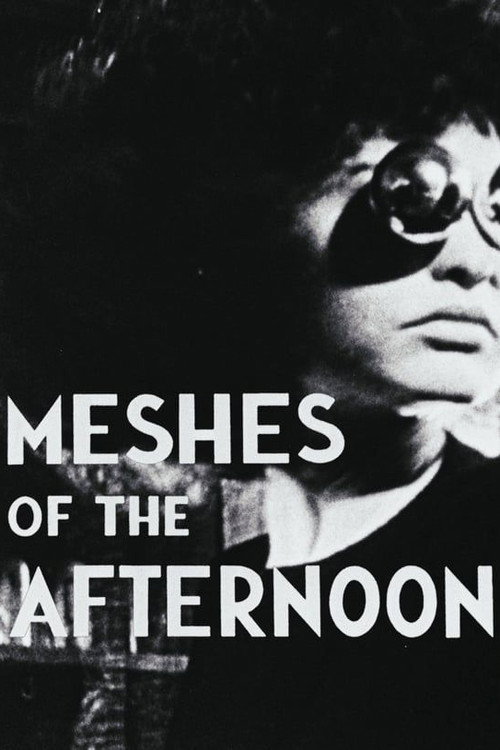
Meshes of the Afternoon1943
Maya Deren's dreamlike masterpiece about a woman repeating ritualized actions. Early avant-garde cinema that proves music and image can create argument without plot—an ancestor to Revolution's approach.
But Only thirteen minutes long, intensely abstract, and you need to bring interpretive energy or it feels like watching someone's fever dream.
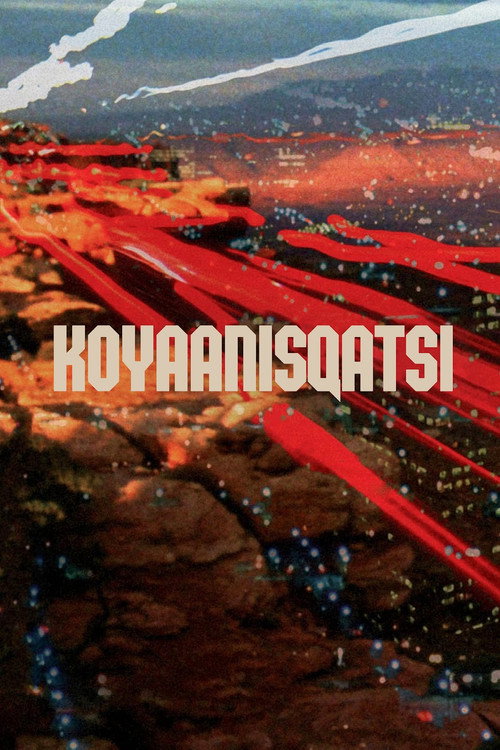
Koyaanisqatsi1983
Ron Fricke's visual essay about industrial civilization, set to Philip Glass. A feature-length experiment in pure image and sound creating political meaning without a single word of dialogue.
But Some find it hypnotic; others find it exhausting. There's no plot, no characters, just visual argument, and that isn't for everyone.
Sans Soleil1983
Chris Marker's essay film splicing together footage from Guinea-Bissau, Japan, and Iceland, creating a meditation on memory, politics, and cinema itself. Formally inventive and emotionally strange in ways Revolution reaches for.
But It's deliberately fragmented, the narration is oblique, and you have to be willing to sit with ambiguity and never get a clean answer.

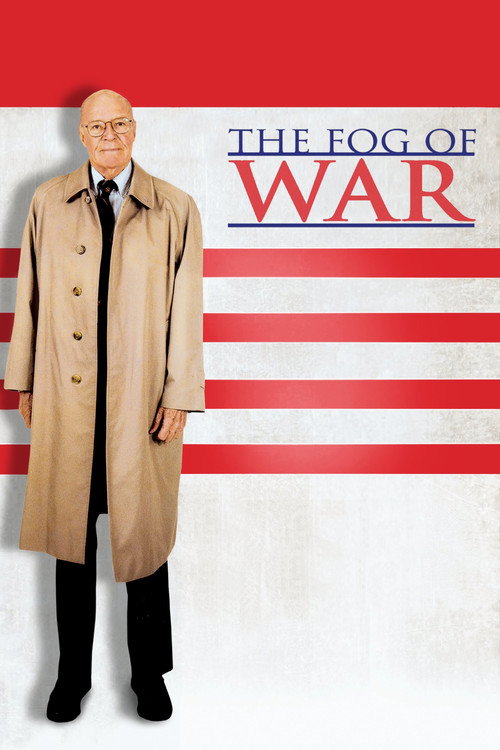
The Fog of War2003
Both use film and sound to interrogate political violence and radical change; both refuse simple conclusions about whether transformation is possible or moral.
Errol Morris interviews Robert McNamara about Vietnam, using Phillip Glass and found footage to create a meditation on power, violence, and the impossibility of certainty. A reckoning with exactly the moment 1968 was living through.
But It's slow, philosophical, and offers no moral comfort—McNamara remains ambiguous, and the film refuses to judge him outright in ways that frustrate viewers seeking clarity.
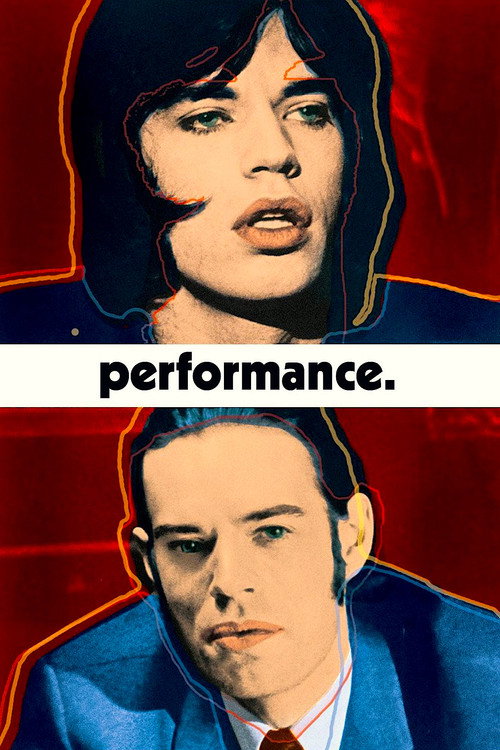
Performance.1970
Both made in the immediate aftermath of 1968's revolutionary moment, both using rock music and visual form to ask whether radical change is possible or just a seductive fantasy.
A gangster and a rock star swap identities in a London townhouse. Brilliant, hallucinatory, genuinely unhinged filmmaking that captures the death of the sixties with style and real weirdness rather than political sloganeering.
But It's opaque, sexually provocative, sometimes incoherent, and trades political argument for artistic chaos—the opposite approach to Revolution's rigor.
People
Directing
- Peter GreenawayDirector