
Film
The Power of the Powerless
A documentary essay on Václav Havel's 1978 manifesto and its role in dismantling Soviet control of Czechoslovakia. Meditative rather than bombastic, it uses archival footage and philosophical reflection to explore how moral resistance preceded political victory. For anyone interested in how ideas reshape the world.
Should you watch it?
Watch it if you find yourself drawn to quiet political thinking, where the argument about how ordinary people live under pressure matters more than spectacle, and you like a documentary that trusts ideas over action.
Skip it if you want archive footage, street crowds and a rousing sense of history being made; this seems to lean on reflection and talking heads rather than dramatic events.
What it asks of you: Seventy-eight minutes, so it is brief, and it moves at a deliberate pace, asking you to listen closely to long reflective passages rather than to be carried by momentum.
Not sure? Find tonight's pick in a minute.
If you liked this
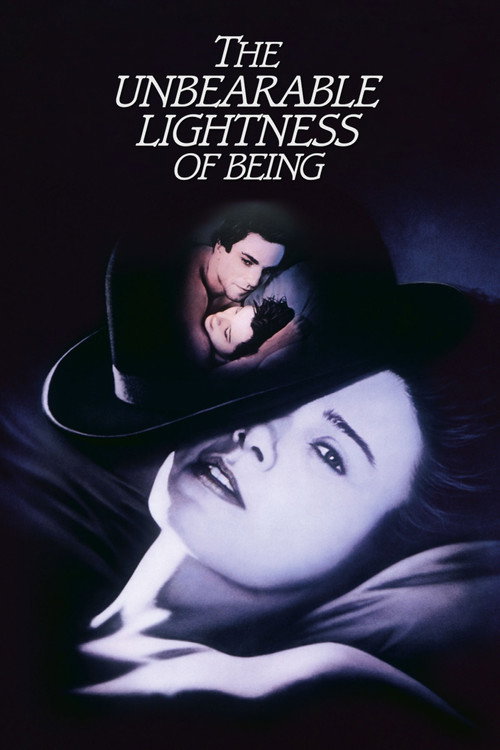
The Unbearable Lightness of Being1988
Adaptation of Kundera's novel set in Prague during the Soviet invasion, exploring love and political upheaval through the same era and city that shaped Havel's thinking.
But Deliberately philosophical and oblique; prioritizes emotional and intellectual texture over narrative momentum or clear resolution.
Spotlight2015
Like Havel's manifesto, it shows how ordinary people speaking truth to power can dismantle institutional corruption, with meticulous journalism replacing violence.
But Procedural and methodical to the point of emotional restraint; some find the pacing more bureaucratic than gripping.

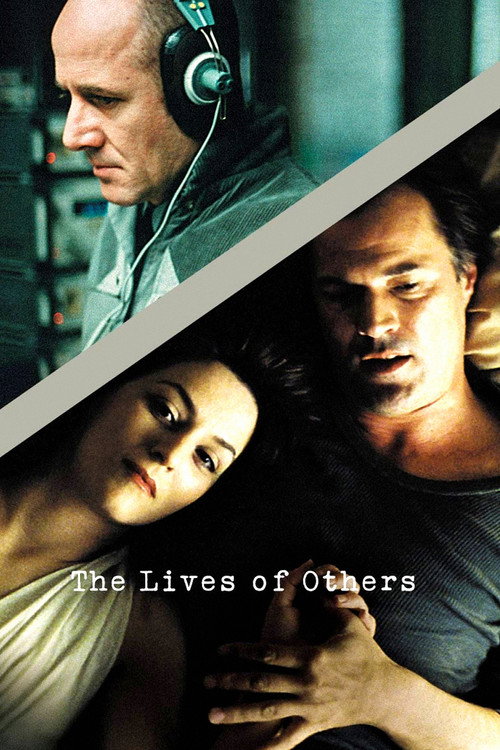
The Lives of Others2006
Set in East Berlin under Stasi surveillance, it captures the moral reckoning of someone complicit in totalitarianism, mirroring Havel's themes of conscience and resistance.
But Slow-burn espionage film with long stretches of observation; bleakness can feel relentless.
Not sure tonight? Get a pick in a minute, starting from The Power of the Powerless
The wildcard
Something you would not have found on your own.
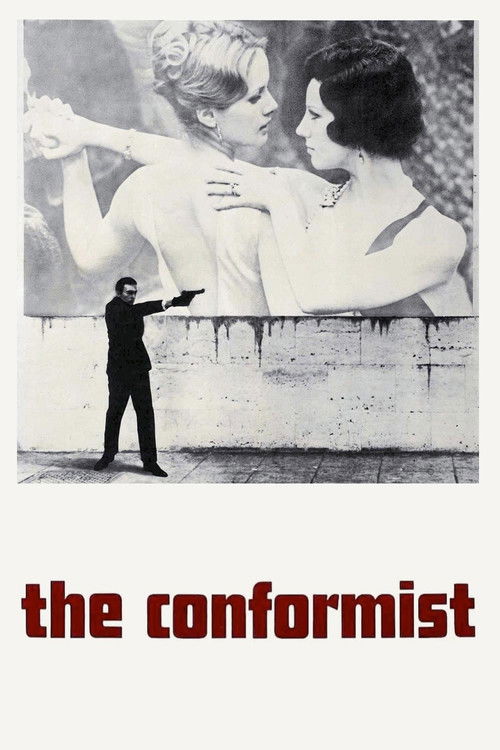
The Conformist1971
Both are meditations on how individuals either resist or surrender to totalitarian pressure. Bertolucci shows the seduction of conformity; Havel shows what happens when you refuse it. Together they're a complete moral argument.
Bertolucci's masterpiece about complicity and moral collapse under fascism; examines the psychology of accommodation to power more ruthlessly than the Havel documentary does.
But Visually dense and psychologically murky; follows a protagonist you cannot root for, which some find alienating rather than enlightening.
More like this (8)
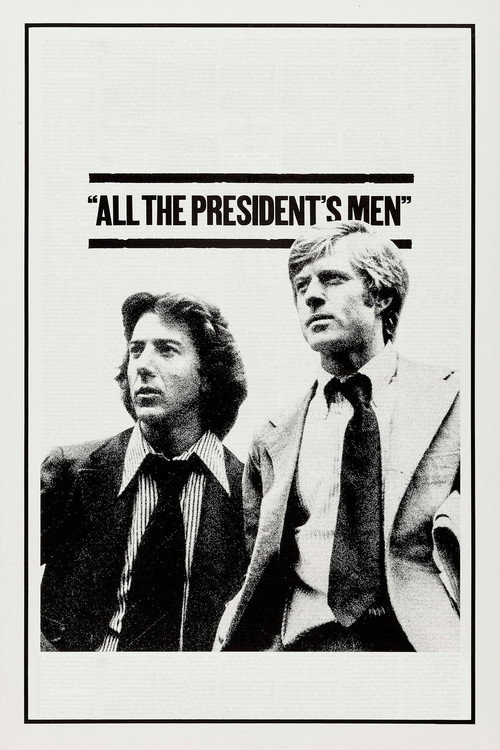
All the President's Men1976
Watergate investigation as moral accountability; shows how documentation and persistence expose power's lies, echoing Havel's belief in truth-telling as resistance.
But Heavily focused on procedural detail and newspaper culture; if you find investigative process tedious, this won't convert you.
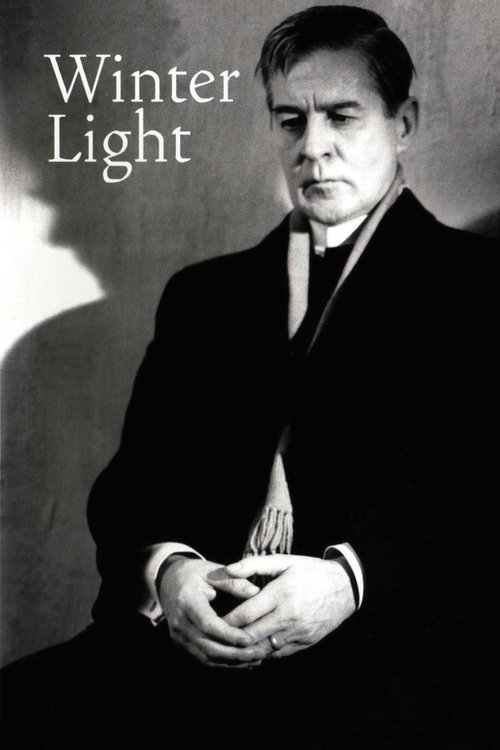
Winter Light1963
Bergman's exploration of faith, doubt, and moral responsibility in a world of institutional decay speaks directly to the spiritual dimension of Havel's philosophical project.
But Austere, dialogue-heavy chamber piece with no plot; demands patience and introspection from the viewer.
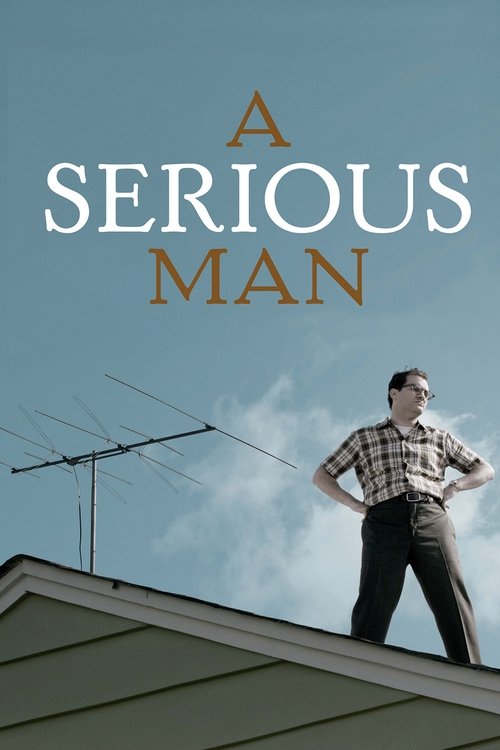
A Serious Man2009
Released the same year, it grapples with systems that crush individual agency and conscience; shares documentary's interest in how people navigate moral absurdity.
But Aggressively bleak and deliberately unresolved; some see it as nihilistic rather than illuminating.
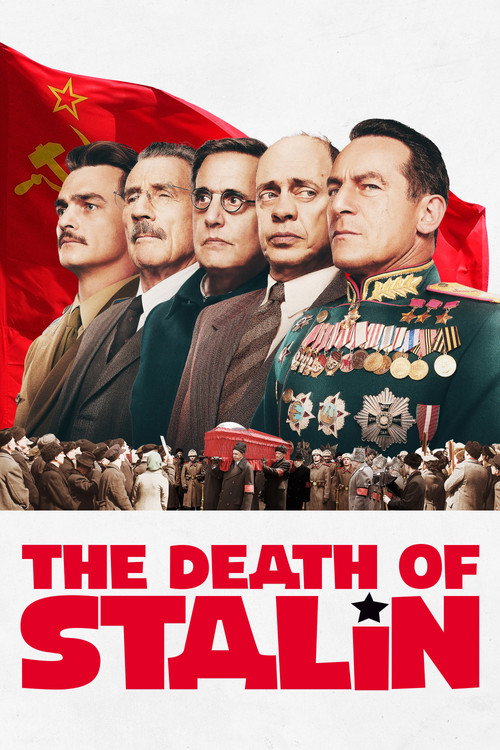
The Death of Stalin2017
Darkly comic take on Soviet power structures and their internal contradictions; shows how systems collapse when no one actually believes in them anymore.
But Irreverent comedy about suffering and totalitarianism; doesn't match the documentary's reflective tone or reverence for Havel.
Stalker1979
Tarkovsky's philosophical meditation on desire, power, and human agency made during Soviet era; shares the documentary's visual poetry and metaphysical depth.
But Extremely slow, 163 minutes, almost no plot; many find it demanding to the point of being an ordeal.

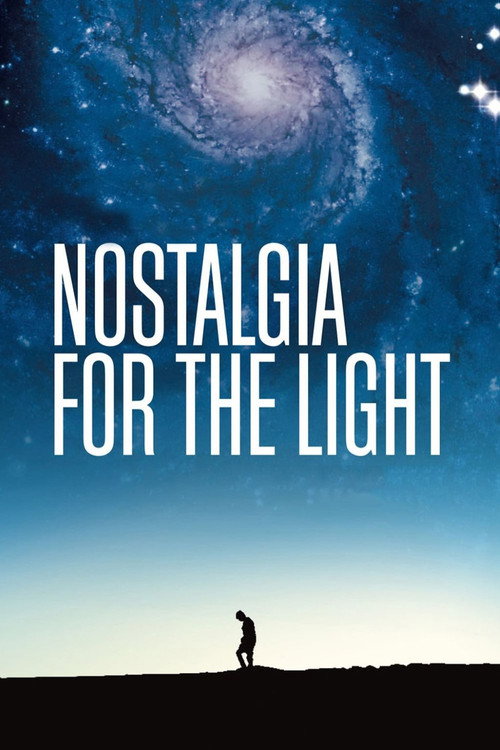
Nostalgia for the Light2010
Guzmán's essay documentary connects astronomy, memory, and political trauma in Chile; similarly uses image and reflection to explore how power shapes consciousness.
But Hybrid form that's part experimental film, part personal essay; some audience members struggle with its lack of conventional narrative.
Sans Soleil1983
Both prize idea and image over conventional storytelling. Havel believed the powerless have power through truth; Marker believed they have power through how they remember and see. Radical witnesses, different methods.
Chris Marker's essay film is a fragmentary, poetic collage of images from Guinea-Bissau, Japan, and Iceland, meditating on memory, history, and the power to shape narrative—formally the opposite of linear documentary but thematically kindred.
But Experimental, abstract, deliberately non-narrative; some experience it as beautiful chaos rather than coherent thought. Not a film that explains itself.

The Act of Killing2012
Where Havel's manifesto is about truth from below, this film is about truth from inside the machinery of power. Both ask: what happens when people confront what they've done and what's been done? Both believe documentation and witnessing matter.
Indonesian death-squad perpetrators reenact their murders on film; explores how power functions through narrative control and the possibility of moral reckoning. Devastating and philosophically complex.
But Graphic, morally difficult, and deeply disturbing. Some viewers find it exploitative; others find the lengthy runtime (159 minutes) tests their endurance during unbearable content.

People
Cast
Directing
- Cory TaylorDirector