
Film
Nostalgia for the Light
Patricio Guzmán's essay-documentary drifts between telescopes and shovels in Chile's Atacama Desert, letting astronomers hunting the origins of the universe share the frame with mothers hunting the bones of Pinochet's disappeared. It's slow, hushed, and visually stunning, treating memory and cosmology as the same problem. Watch it for grief rendered as astrophysics, not for plot or pace.
If you liked this
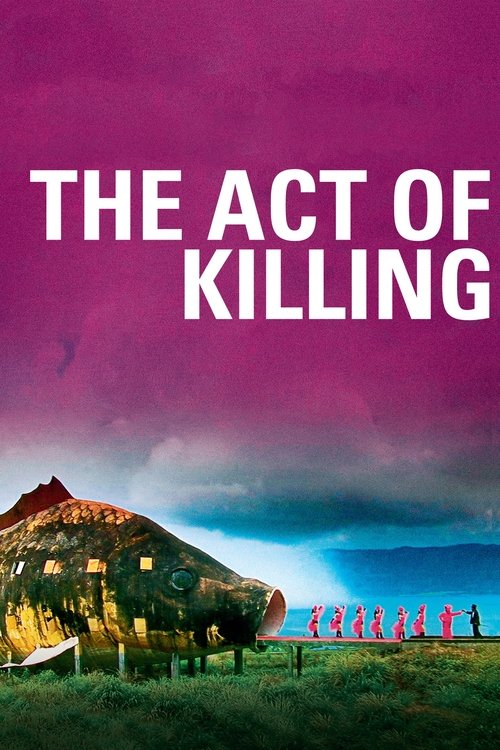
The Act of Killing2012
Indonesian death-squad leaders re-enact their killings as movie scenes, exposing how a nation's silence about atrocity curdles into surreal performance — a bracing companion to Guzman's meditation on unearthed truth.
But Deliberately disorienting and morally vertiginous; some viewers find its playfulness with real murderers stomach-turning rather than illuminating.
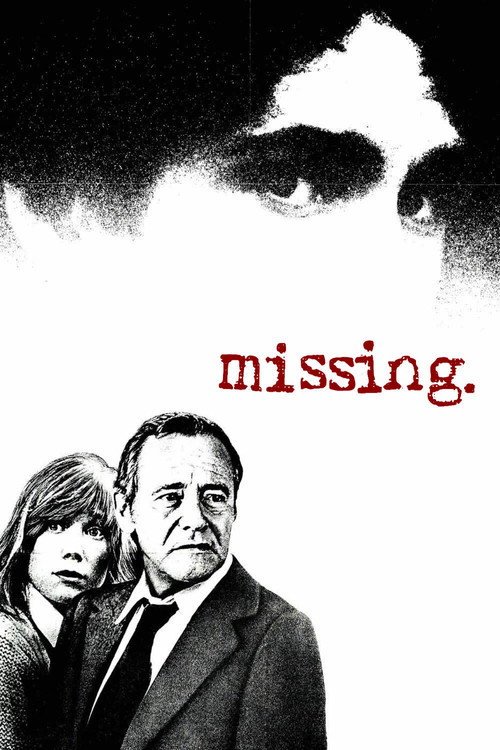
Missing1982
Costa-Gavras's tense drama follows an American father searching for his son after Pinochet's coup, dramatizing the same vanished-without-a-trace horror Guzman documents from the desert's other side.
But A conventional thriller structure with movie-star leads, a far less contemplative experience than the documentary that inspired this recommendation.
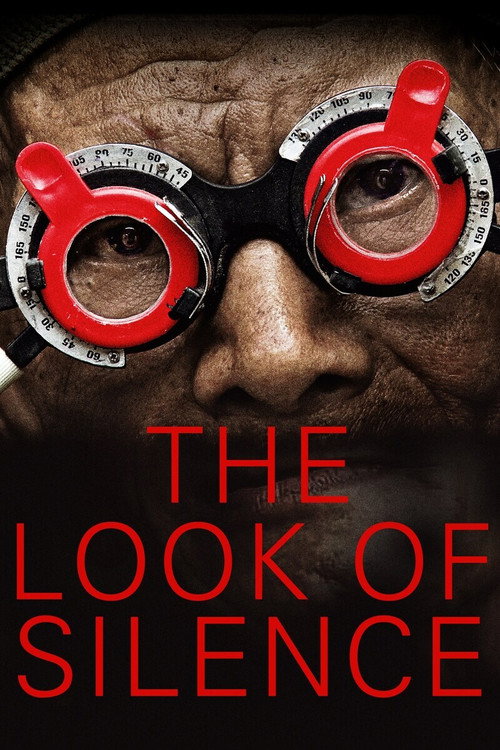
The Look of Silence2014
Joshua Oppenheimer's quieter companion piece follows a survivor's brother confronting his sibling's killers face to face — same country, same silence, a more intimate register of reckoning.
But Watching a man calmly interrogate his brother's murderers is almost unbearably tense; there's little room to look away.
The wildcard
Something you would not have found on your own.
Night and Fog1956
Guzman's fusion of desert vista and unearthed bone comes straight from Resnais's method — using the ordinary present-day emptiness of a place to summon the horror it swallowed.
Alain Resnais's unflinching short essay-film walks the grounds of former concentration camps, laying colour footage of empty fields against black-and-white atrocity newsreel, asking what a landscape remembers.
But Thirty-two minutes of grief with no relief; the imagery is graphic and the tone unrelentingly bleak, not for a casual evening.
More like this (8)
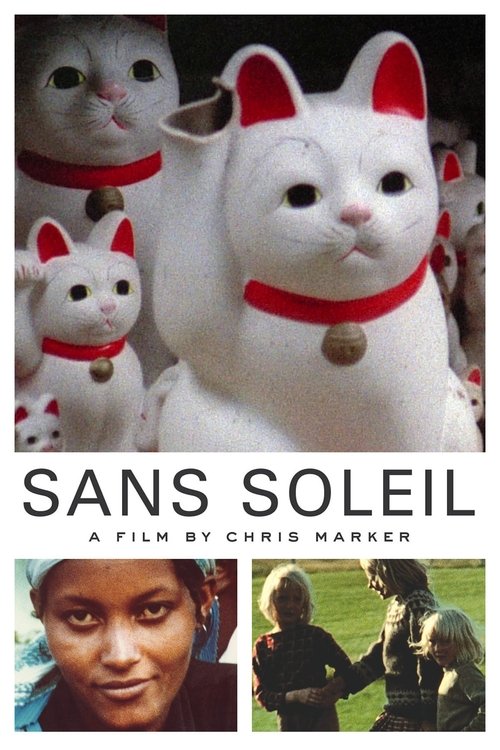
Sans Soleil1983
Chris Marker's globe-trotting essay-film, all voiceover and drifting image, is a direct ancestor of Guzman's method — memory, politics and cosmic scale stitched together by pure association rather than plot.
But Loose, digressive and often opaque; if you need a through-line or clear argument, this will frustrate rather than reward you.
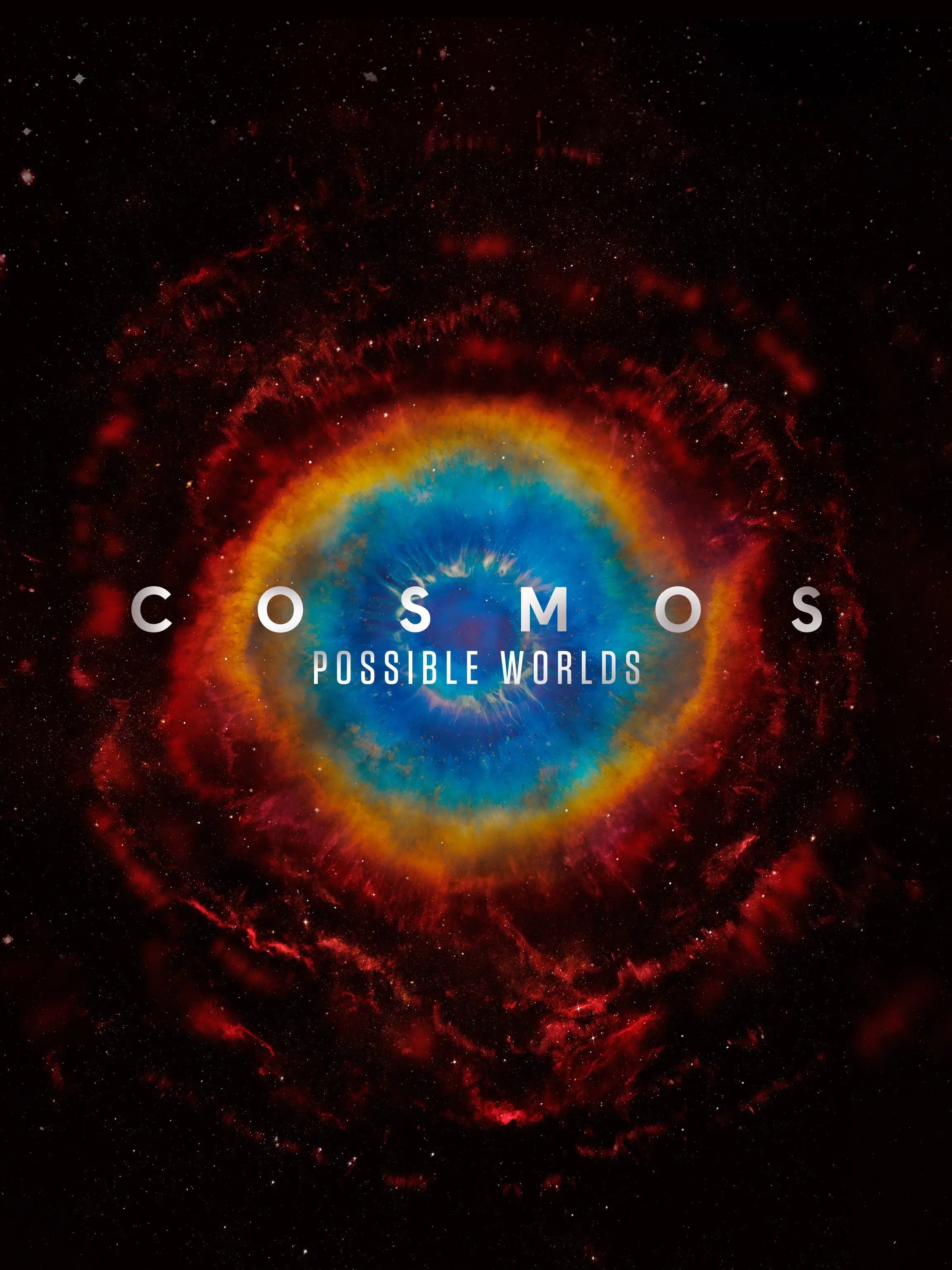
Cosmos1980
Carl Sagan's original series turns astrophysics into something like scripture, full of the same awe at scale and deep time that makes Guzman's telescope scenes sing.
But Dated in its effects and pacing, and purely about the science — none of the political or personal grief that gives Nostalgia its weight.
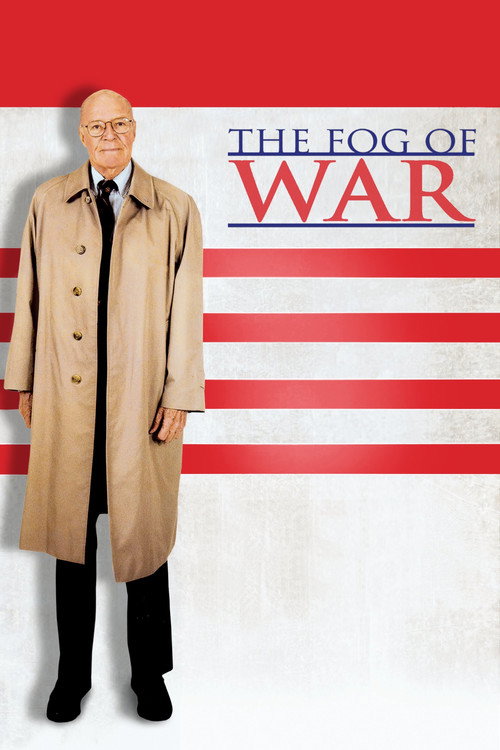
The Fog of War2003
Errol Morris interviews Robert McNamara about decades of American war-making, turning one old man's memory into a reckoning with complicity and time — different history, same questions about what we choose to remember.
But Talking-head format throughout, more argument than atmosphere; you won't get the visual poetry that carries Guzman's film.
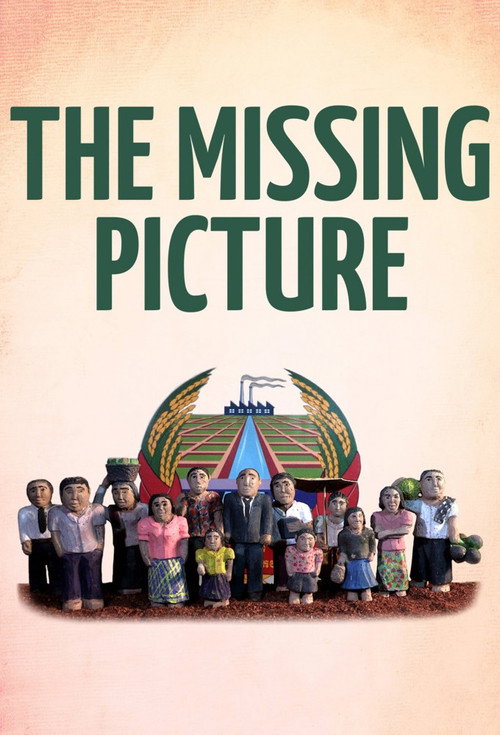
The Missing Picture2013
Rithy Panh reconstructs his family's death under the Khmer Rouge using hand-carved clay figures, since no footage of his childhood survived — a startling answer to how you film an absence.
But The clay-figure device is genuinely strange and the subject matter — starvation, genocide — is punishing to sit with.
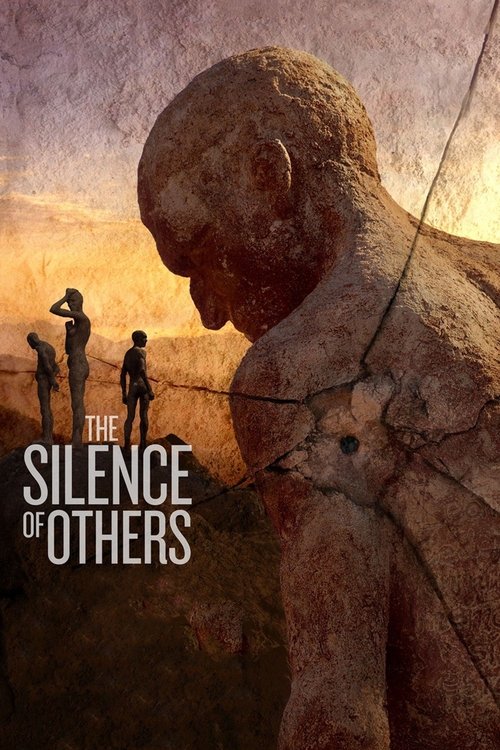
The Silence of Others2019
Spanish survivors of Franco's dictatorship pursue justice decades later, echoing the same stubborn refusal to let atrocity be forgotten that drives the mothers digging in the Atacama.
But Structured more like a legal procedural than a poetic meditation; it trades Guzman's lyricism for grinding, bureaucratic persistence.
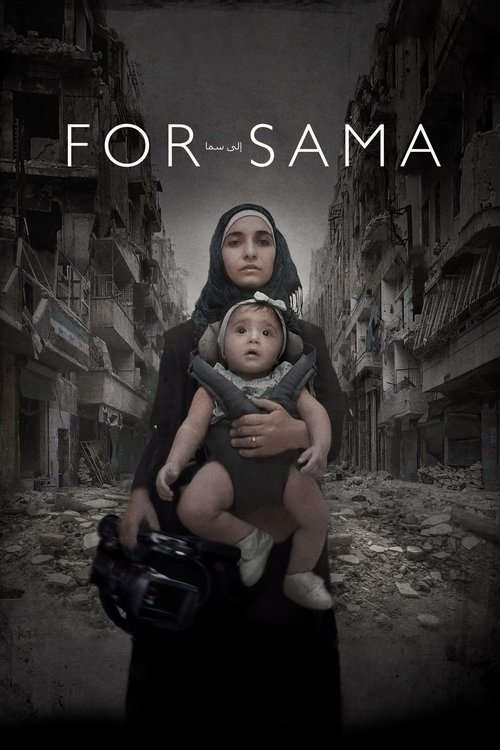
For Sama2019
A young mother films her own life under siege in Aleppo, turning intimate footage into both love letter and historical record — memory-making in real time rather than retrospect.
But Harrowing and immediate in a way Guzman's film, filtered through decades of distance, never quite is; not an easy watch.
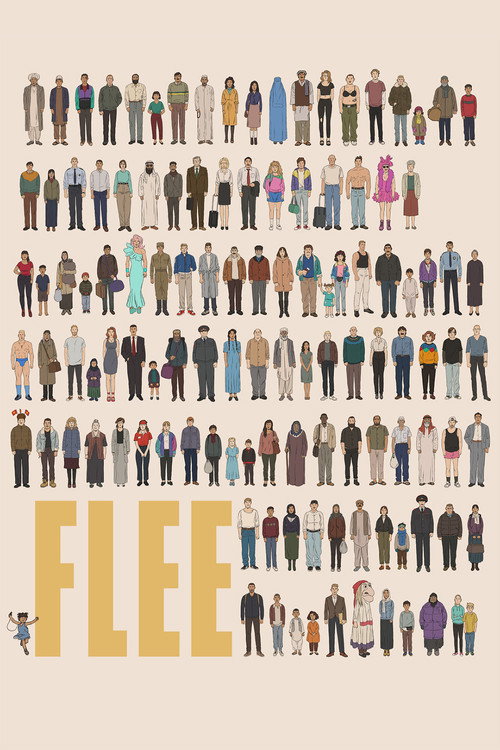
Flee2021
Like the Atacama women, its subject is piecing together a scattered, officially denied history — and like Guzman, the film argues that indirect, poetic form can hold trauma literal images cannot.
An Afghan refugee's decades-buried story is told through animation because the truth was too dangerous, too painful, to say on camera as himself — a strange and moving solution to an unspeakable past.
But Animation might feel like an odd fit for something this true and painful; some viewers prefer the rawness of unstaged documentary footage.
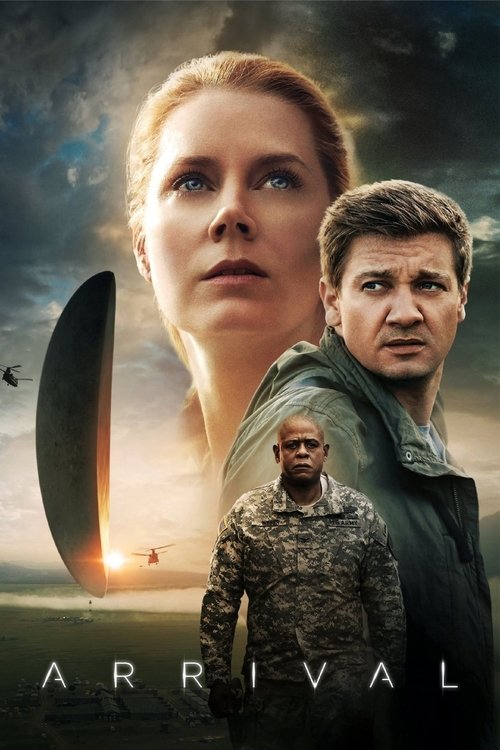
Arrival2016
Swaps documentary for speculative fiction but keeps Guzman's central idea — that staring into deep space and staring into personal loss are, structurally, the same act of trying to read time.
A linguist deciphers an alien language while quietly grieving a private loss; the film treats the cosmos and personal sorrow as the same problem, told with awe rather than spectacle.
But It's fiction with a narrative twist, a very different experience from a meditative documentary — bring patience for its slow-burn structure.
People
Cast
- Gaspar GalazHimself - Astronomer
- Lautaro NúñezHimself - Archeologist
- Luís HenríquezHimself
- MiguelHimself - Architect
- Victor GonzalezHimself - Engineer
- Vicky SaavedaHerself
- Violeta BerriosHerself
- George PrestonHimself - Astronomer
- Valentina RodríguezHerself
Directing
- Patricio GuzmánDirector
Writing
- Patricio GuzmánWriter
Production
- Meike MartensProducer
- Renate SachseProducer
Recommended by
The Look of Silence, The Battle of Chile: Part I, The Silence of Others, Cameraperson