
Film
For Sama
For Sama is Waad al-Kateab's first-person record of five years inside besieged Aleppo, shot on the camera she carried everywhere and addressed directly to her infant daughter. It's handheld, unpolished, and devastatingly intimate — hospitals and airstrikes colliding with birthdays and lullabies. Watch it if you want the texture of a war lived from inside a family, not summarised afterward from a studio.
If you liked this
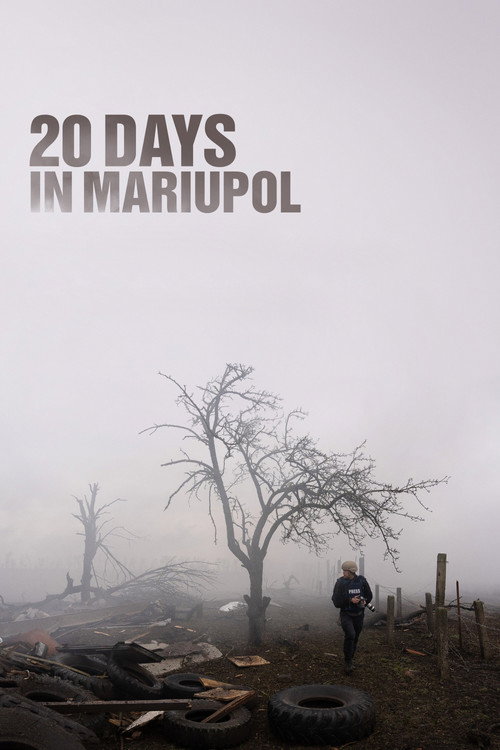
20 Days in Mariupol2023
The same impossible bargain — a journalist choosing to keep filming so atrocity can't be denied later. Chernov's Oscar-winning dispatch from the siege of Mariupol asks what witnessing costs and whether it's worth paying.
But It's every bit as harrowing, with none of the tenderness that softens Sama — just the war, close up and unrelenting.
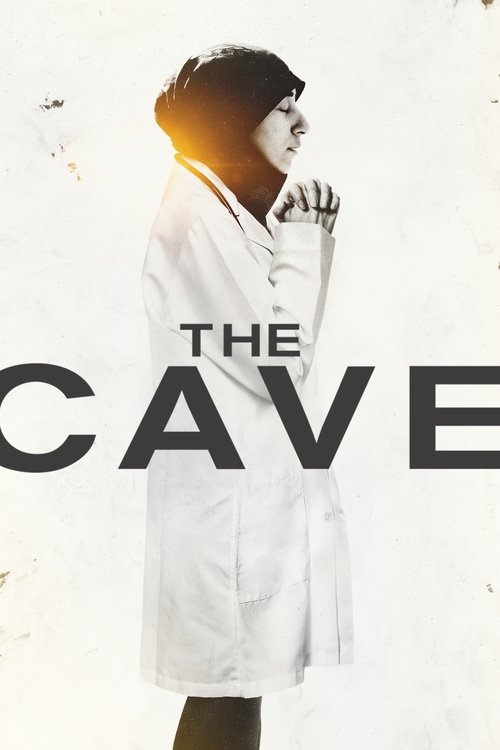
The Cave2019
Another woman, another underground siege — this time a doctor running a hospital beneath Ghouta. Her real-life courage under bombardment makes an eerie companion piece to Sama's story, filmed in almost the same years.
But The claustrophobia of the setting can feel relentless; there's little of the domestic warmth that gives Sama its balance.
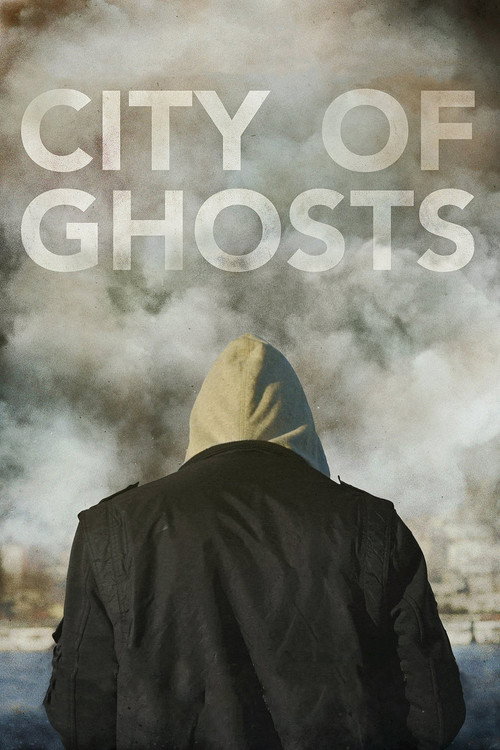
City of Ghosts2017
Follows the citizen journalists of Raqqa risking execution to smuggle footage of ISIS rule to the outside world — a study in what it costs ordinary people to keep telling the truth.
But Less personal than Sama; it's about a movement rather than a single family, so the intimacy is thinner.
The wildcard
Something you would not have found on your own.
A Diary for Timothy1945no page yet
Both films are literally addressed to an infant born into war, using that address to ask what the future is worth fighting for — one is state-funded poetry, the other a mother's raw testimony.
A British wartime short filmed as a letter to a baby born during the Blitz, wondering aloud what kind of world he'll inherit — the exact structural idea Sama uses, done seventy years earlier in clipped, lyrical narration.
But It's a forty-minute propaganda-era film with a stiff-upper-lip register; the horror is implied, never shown directly.
More like this (8)
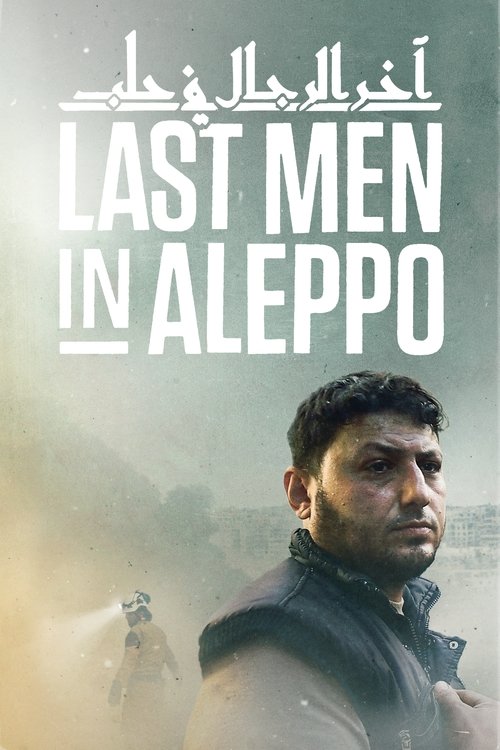
Last Men in Aleppo2017
Shot in the same city, the same years, from the perspective of the White Helmets pulling survivors from rubble. Watch it and you'll recognise streets, sounds, even faces from Sama's footage.
But It's structured as rescue after rescue with little narrative arc, which can feel numbing rather than illuminating over time.
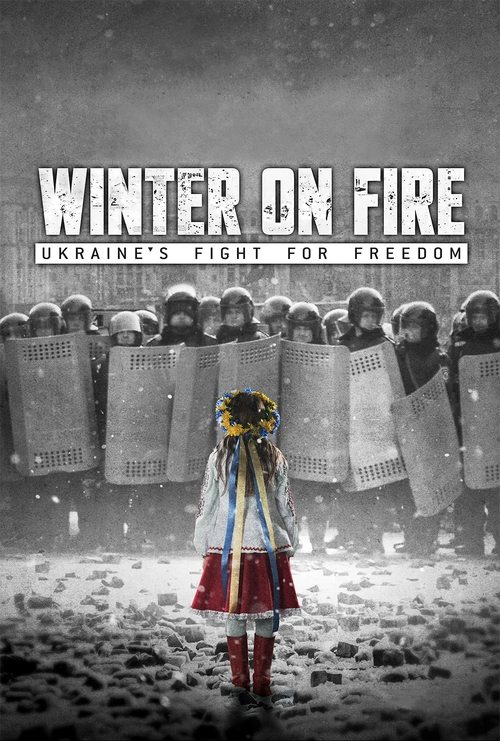
Winter on Fire: Ukraine's Fight for Freedom2015
Ukraine's Maidan uprising, told with the same you-are-there urgency — ordinary people becoming protesters becoming casualties, filmed as it happened rather than reconstructed after.
But It's a different kind of conflict, a revolution rather than a siege, so the stakes feel less personal and more collective.
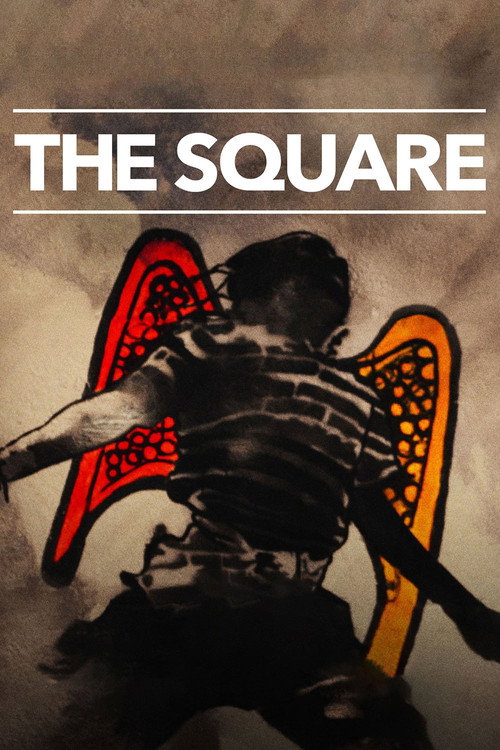
The Square2013
Egypt's Tahrir Square revolution followed over years rather than days, showing how hope curdles into disillusionment when a revolution doesn't end when the cameras expect it to.
But Its scope is wider and more political; you lose the single, aching point of view that makes Sama so devastating.
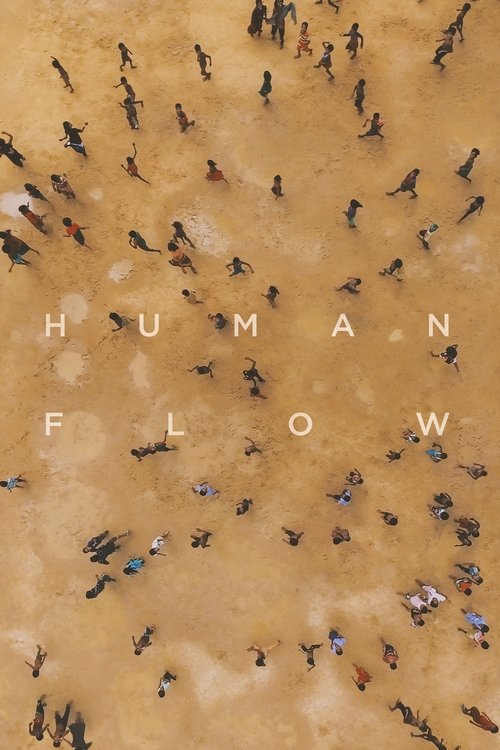
Human Flow2017
Ai Weiwei's sweeping look at global displacement gives you the aftermath Sama's story leads toward — what happens to the people who do leave, told across dozens of countries.
But It trades intimacy for scale; at 140 minutes of vistas and statistics, it can feel more like an essay than a story.
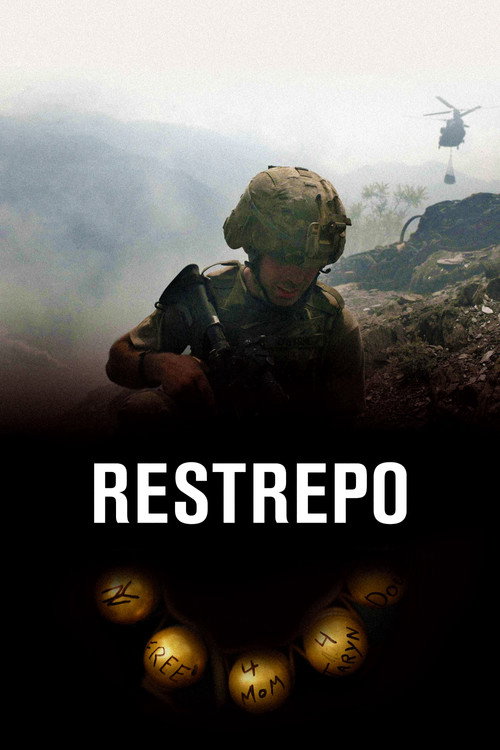
Restrepo2010
Embedded with American soldiers in Afghanistan's Korengal Valley, it captures war's boredom and terror with the same handheld immediacy, just from the other side of the gun.
But No civilians, no children, no domestic life — it's soldiers' war, which makes it a much colder watch.
Cries from Syria2017no page yet
A broader survey of the Syrian civil war built partly from citizen footage much like Waad's own, useful if you want more context for the history Sama drops you into midstream.
But It's a more conventional talking-heads documentary, so it can feel comparatively distant and dutiful next to Sama's testimony.
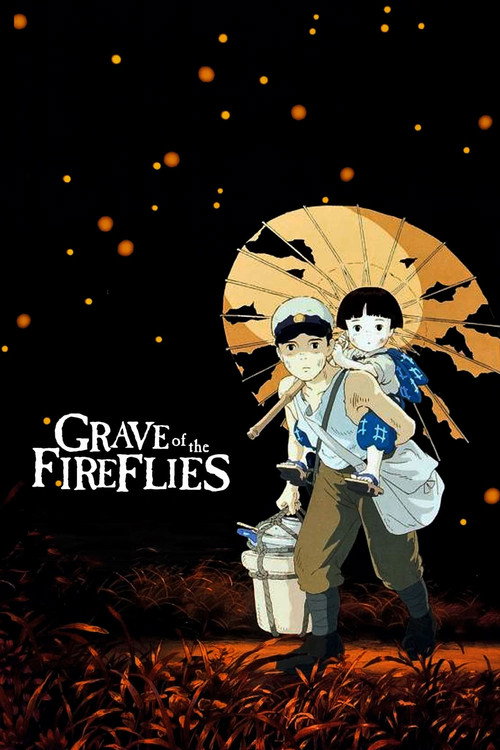
Grave of the Fireflies1988
Same moral question as Sama — what a caregiver owes a child when the world outside is collapsing — reimagined as animated fiction instead of first-person witness.
An animated Studio Ghibli film about two siblings trying to survive the firebombing of Kobe — proof that animation can carry the weight of a child endangered by war as devastatingly as any documentary footage.
But It's fiction, and unrelentingly bleak in a way some viewers find almost punishing — there's no survivor narrating from safety.
In This World2003no page yet
Winterbottom shoots almost exactly the way Waad does — camera as a smuggled witness — but turns the form toward the journey out rather than the choice to stay, the flip side of Sama's dilemma.
A hybrid docu-fiction following two Afghan refugees, one a child, travelling illegally from a Pakistani camp to London — shot guerrilla-style with real refugees playing versions of themselves.
But Its docu-fiction blend can feel disorienting if you want a clearly true or clearly invented story, and the journey is slower than Sama's siege.
People
Cast
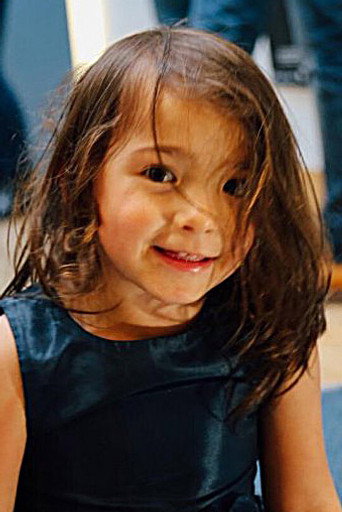 Sama Al-KhateabSelf
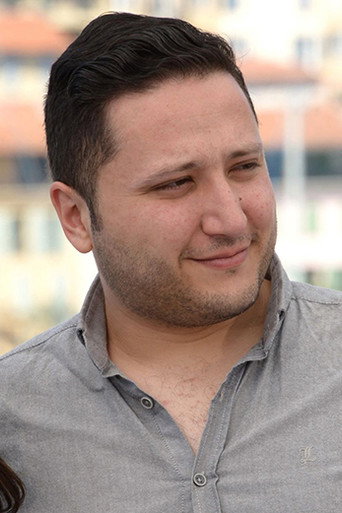 Hamza Al-KhateabSelf
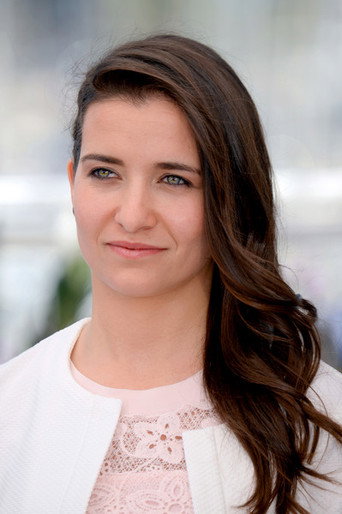 Waad al-KateabSelf
Directing
- Edward WattsDirector
- Waad al-KateabDirector
Production
- Ben de PearExecutive Producer
- George WaldrumExecutive Producer
- Nevine MabroExecutive Producer
- Raney Aronson-RathExecutive Producer
- Siobhan SinnertonExecutive Producer
- Olly StrousHead of Production
- Waad al-KateabProducer
Recommended by
Human Flow, The Cave, Dheepan, City of Ghosts, Winter on Fire: Ukraine's Fight for Freedom, The Square, Fire at Sea, The White Helmets, Last Men in Aleppo, 20 Days in Mariupol