
Film
Nowhere to Hide
- War drama
- Survival thriller
- Very dark
A five-year chronicle of an Iraqi medic and father navigating the collapse of Iraq after 2011, caught between ISIS and militias while trying to protect his family. Shot by Nori Sharif himself, it's an intimate, unflinching document of survival and displacement—urgent and deeply human, for viewers ready to witness contemporary suffering without mediation.
Should you watch it?
Watch it if you want a close, first-person view of ordinary people caught in war, where the man holding the camera ends up in the frame himself.
Skip it if you want a sweeping overview of the war, since this stays tightly on one family and one man's dilemma, so the wider picture arrives only in fragments.
What it asks of you: Runs just over an hour, and carries its weight through unhurried, close-quarters observation and a steady undercurrent of dread rather than through plot momentum.
Not sure? Find tonight's pick in a minute.
If you liked this
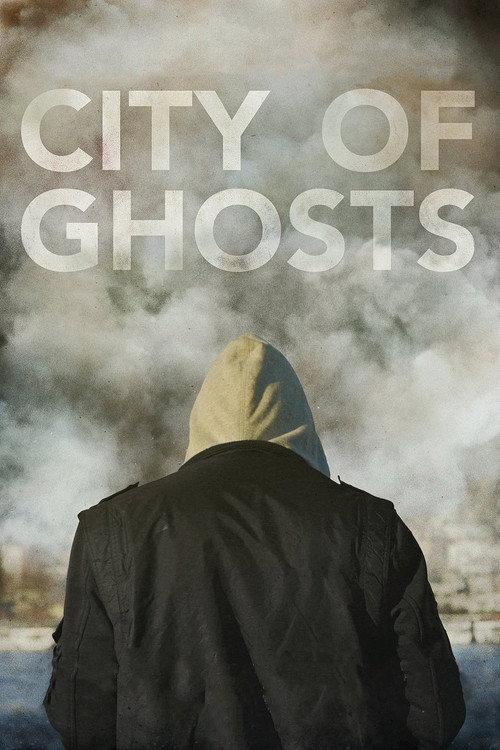
City of Ghosts2017
Documents Syrian activists running an underground media operation from Raqqa under ISIS control. Like Nowhere to Hide, it captures ordinary people making impossible choices under existential threat, with extraordinary courage and clear eyes.
But Relentless in its bleakness. There are no narrative breathers, and the danger never fully recedes. Not a film that lets you look away.
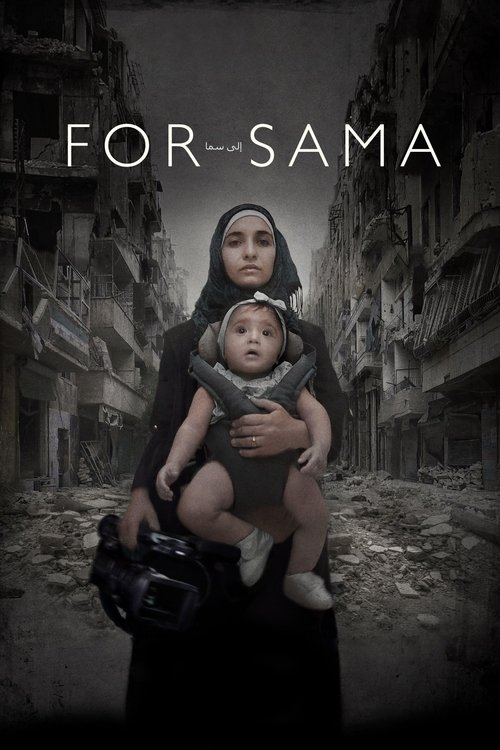
For Sama2019
A Syrian mother films five years of war in Aleppo, culminating in a letter to her daughter about why she stayed. Shares Nowhere to Hide's perspective—a parent's eye, a camera as witness and shield, intimacy born from crisis.
But Emotionally exhausting and deeply personal in ways that demand emotional openness. Some viewers find the intimacy invasive rather than moving.
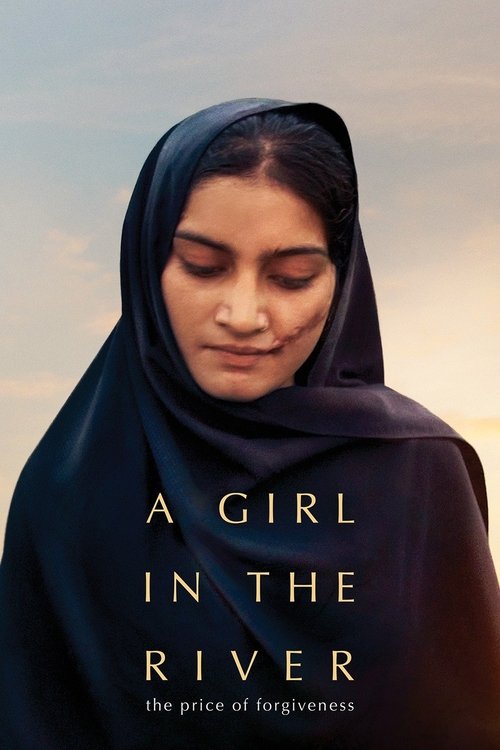
A Girl in the River: The Price of Forgiveness2015
Documentary portrait of a Pakistani teenager who survived an honor killing. Intimate, focused, and unafraid to sit with the complexity of family and survival. Same unflinching attention to individual resilience.
But Deals with violence against women and patriarchal systems with no soft framing. Difficult subject matter requires patience with ambiguity.
Not sure tonight? Get a pick in a minute, starting from Nowhere to Hide
The wildcard
Something you would not have found on your own.
The Act of Killing2012
Both use the camera as a moral instrument; both force filmed subjects into impossible self-confrontation; both ask what bearing witness means when you are inside the horror.
Indonesian genocide perpetrators re-enact their killings for the camera. Like Nowhere to Hide, it uses the camera as a tool for reckoning—but here, the filmmaker turns it on the perpetrators rather than the survivors. Both explore how filming forces confrontation with unbearable truths.
But Methodologically disturbing—watching killers perform their murders is genuinely sickening. Some view this approach as exploitative or obscene rather than revelatory.

More like this (6)
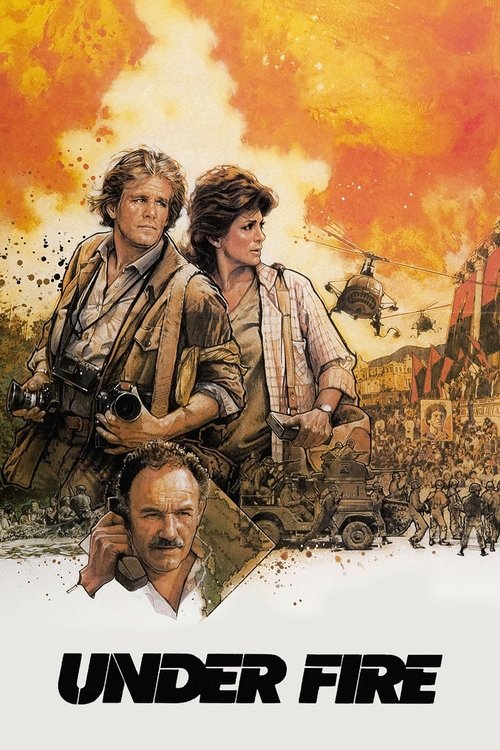
Under Fire1983
Journalists documenting the Nicaraguan civil war find themselves increasingly implicated in the conflict. It bridges documentary impulse and narrative drama, exploring how witnessing changes the witness—central to Sharif's journey.
But Fiction rather than documentary, and the 1980s style may feel dated. Some viewers want unmediated reality rather than dramatization.
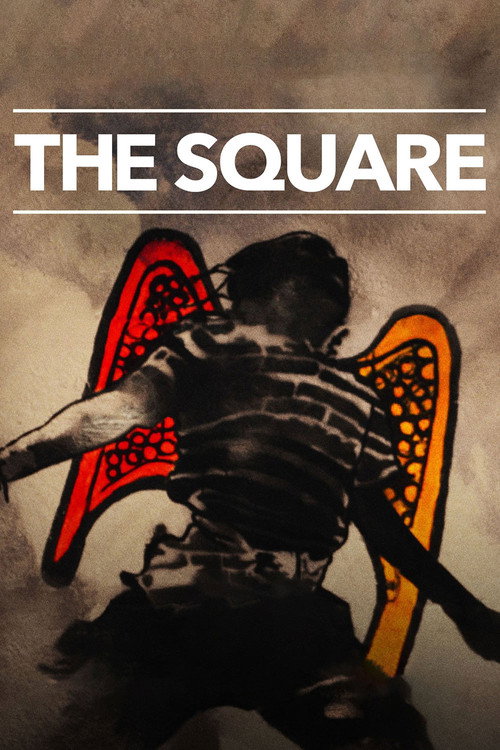
The Square2013
Intimate documentary following Egyptian revolutionaries from the 2011 uprising through disillusionment and danger. Shows how hope cracks under sustained pressure—the emotional arc mirrors Sharif's five-year trajectory.
But Structurally loose, following multiple voices. Some viewers find it scattered, and the lack of resolution leaves questions unanswered.
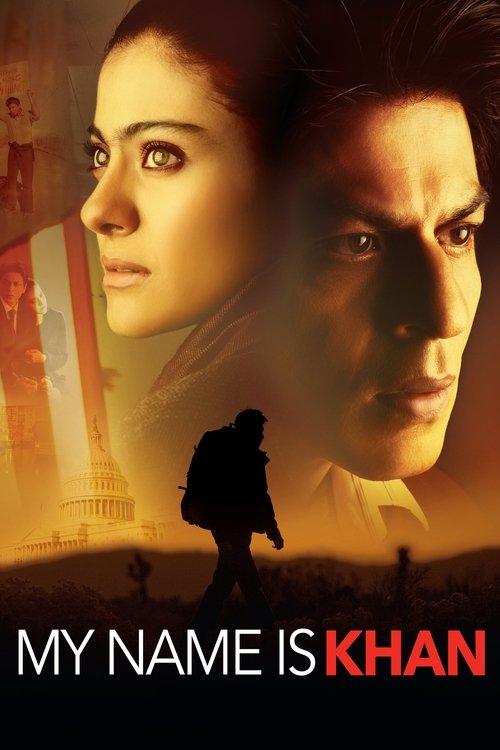
My Name Is Khan2010
A Muslim man wrongly associated with terrorism travels across America seeking redemption after personal tragedy. Explores identity, displacement, and being caught between hostile worlds—thematic echoes of Sharif's impossible position.
But A Bollywood drama, so the tone shifts toward emotional catharsis in ways that feel earned by some, manipulative to others. Quite different in style from documentary reality.
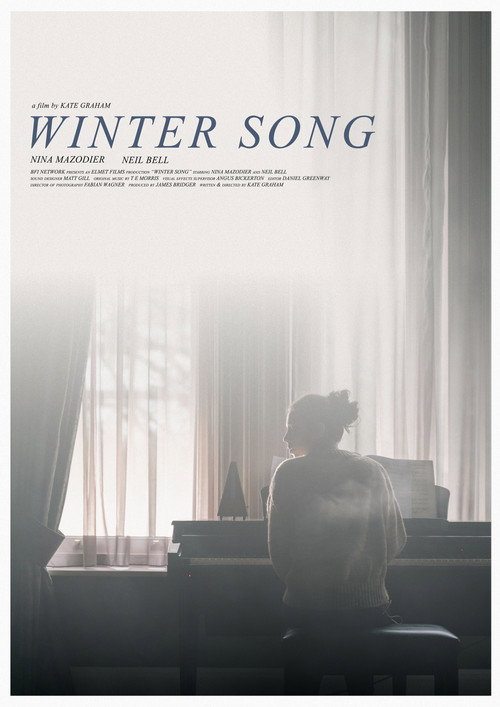
Winter Song2023
A Syrian composer and pianist document their lives in exile and their collaborations with Western musicians. Small-scale, human-centered look at displacement and creative survival amid loss.
But Very quiet and contemplative. Minimal narrative momentum; viewers seeking urgency or clear stakes may find it too reflective.
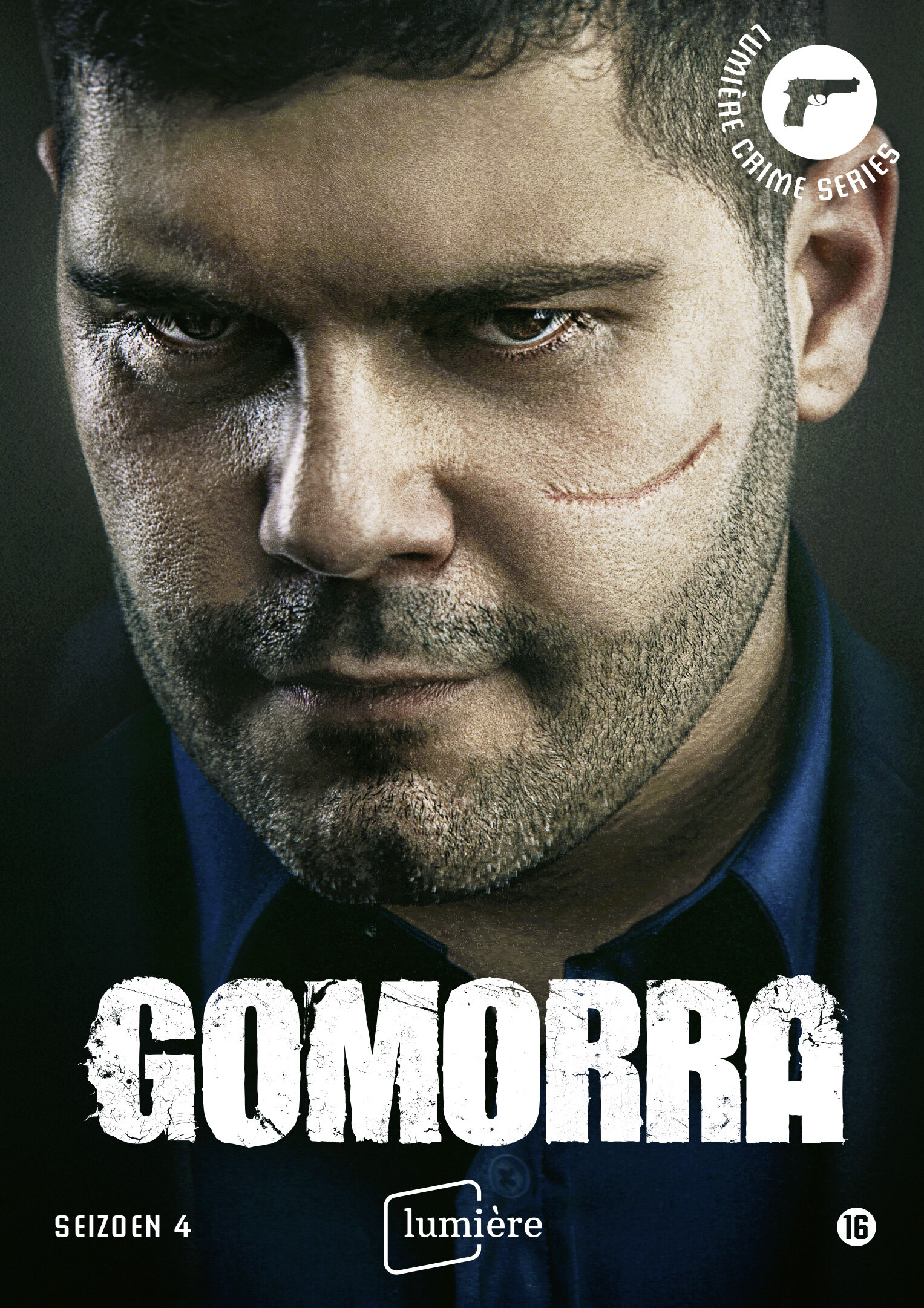
Gomorra: La Serie2014
Both depict people trapped in systems larger than themselves, where family survival and personal morality are constantly at odds. Both refuse easy judgment of their subjects.
Italian crime series about Neapolitan organized crime, filmed with documentary-like realism. The texture of ordinary brutality, family bonds under criminal pressure, and constant low-level danger mirrors the atmosphere of Nowhere to Hide—but it's fiction, so narrative propels you forward.
But Subtitled Italian, and its grim aesthetic can feel impenetrable. Violence is casual and pervasive, not cathartic. The morality is murky and never clarified.
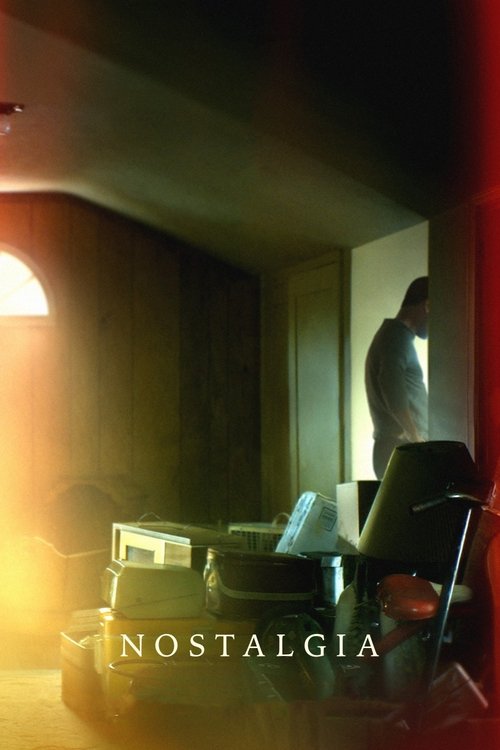
Nostalgia2018
Both center on a filmmaker's relationship to documentation and loss. Where Sharif is forced to film in crisis, Sokurov films in aftermath and exile, exploring how the camera mediates between self and history.
An aging Russian man returns to Soviet sites he once documented photographically. It's a meditation on memory, displacement, and the distance between witness and homeland—a formal, poetic inversion of Sharif's urgent, present-tense survival documentation.
But Visually austere and slow, with minimal plot. Some find it glacially paced; it demands viewers who love cinema as visual essay rather than narrative.
People
Cast
- Nori SharifHimself
- Abu FallahHimself
- Hans Husumhimself
Directing
- Zaradasht AhmedDirector
Writing
- Zaradasht AhmedWriter
Production
- Mette Cheng Munthe-KaasProducer