
Film
Nostalgia
Other titles called Nostalgia: the 1983 film.
- Drama
- Slow-burning
Nostalgia is a deliberately quiet ensemble film about middle-aged regret, memory, and the small objects we carry through life. Jon Hamm leads a scattered narrative that values mood over plot, dwelling in the space between what we wanted and what we got. It's meditative and sometimes mournful, for viewers patient with digression and comfortable with ambiguity.
Should you watch it?
Watch it if you like quiet, interlocking character portraits where a single object carries a lifetime of feeling, and you don't mind the threads only partly tying together.
Skip it if you want a clear plot or a steady build, since this drifts between fragments and its emotional weight arrives slowly and can feel diffuse.
What it asks of you: Settle in for a little under two hours of patient, sometimes meandering attention, with sadness that accumulates rather than lands in one scene.
Not sure? Find tonight's pick in a minute.
If you liked this
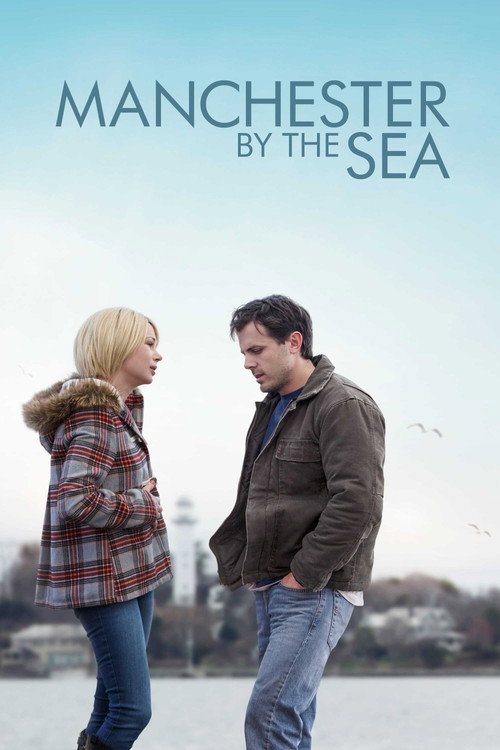
Manchester by the Sea2016
Casey Affleck's portrait of a man hollowed by grief and the weight of unresolved history. It has the same quiet intensity and refusal to look away from pain that Nostalgia reaches for.
But Very slow, very sad, and offers no catharsis or redemption. The ending is deliberately anti-climactic.
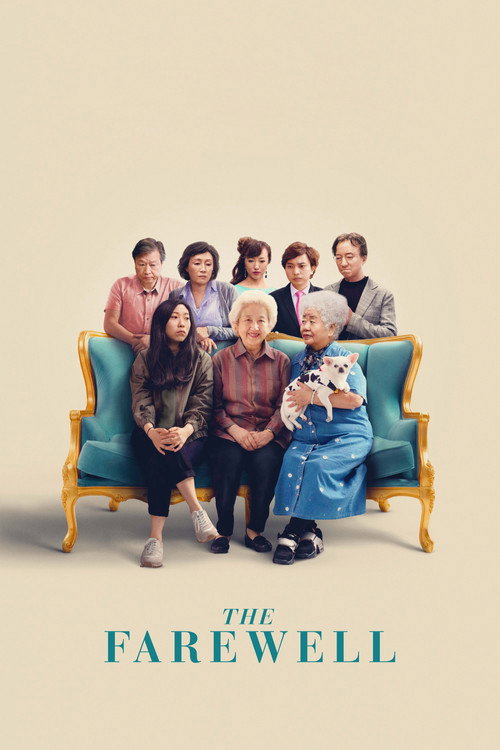
The Farewell2019
A multigenerational story about memory, family secrets, and what we choose to hold onto. It balances melancholy with warmth in a way that feels alive and human.
But The emotional logic moves sideways rather than forward, which can feel frustrating if you want clear narrative momentum.
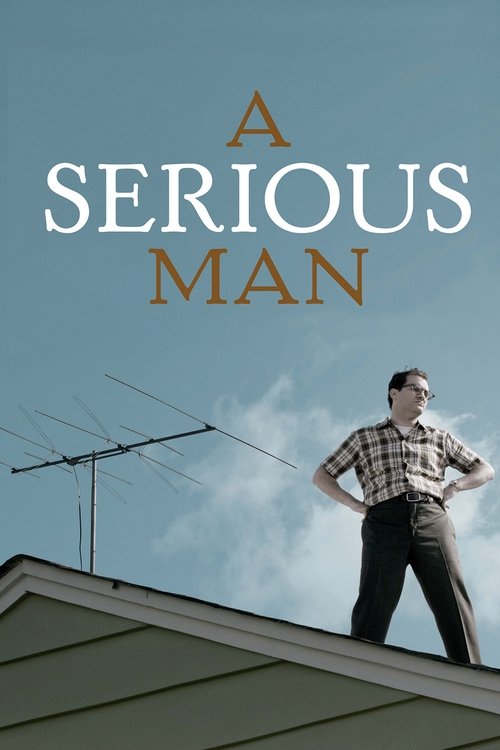
A Serious Man2009
Another portrait of a man watching his life come apart, surrounded by small humiliations and the weight of ordinary disappointment. The Coen Brothers' best meditation on regret and acceptance.
But Deliberately bleak and funny in a way that lands better some days than others. It doesn't offer easy answers.
Not sure tonight? Get a pick in a minute, starting from Nostalgia
The wildcard
Something you would not have found on your own.
Boyhood2014
Both films understand that a life is a collection of moments that don't always cohere into meaning. Both trust duration and return instead of plot.
Richard Linklater filmed the same actor over twelve years, creating a lived record of memory itself. Time is the subject, and you watch it pass. It's a structural mirror to Nostalgia's fragmented approach to accumulated life.
But Three hours of a boy becoming a man without dramatic turning points. Some experience it as profound; others as a gimmick that exhausts its premise.

More like this (8)
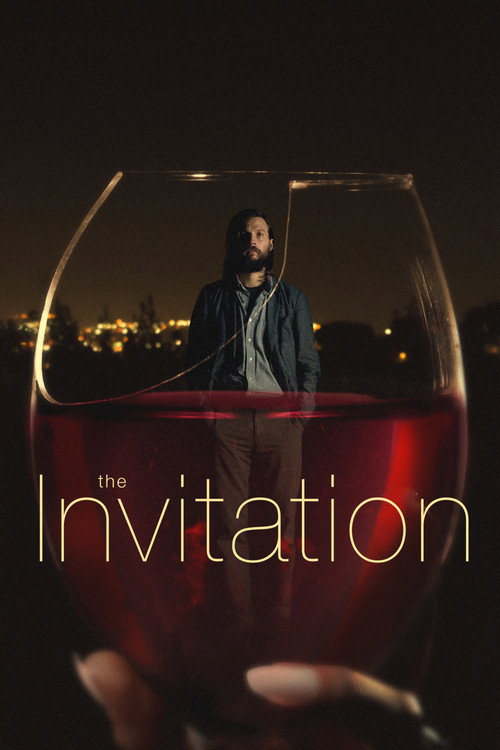
The Invitation2016
A chamber piece about old friends, unresolved history, and the way memory divides us. It builds dread from stasis and conversation, trusting the audience's patience.
But Long stretches of dinner-table talk with minimal plot. Some find it claustrophobic rather than intimate.
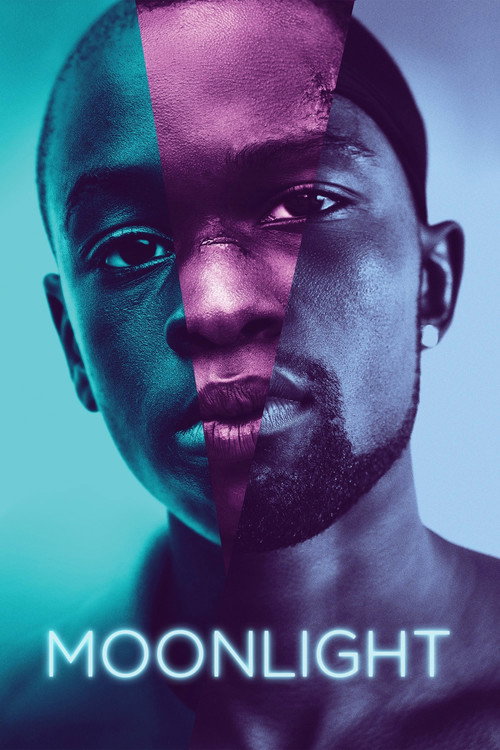
Moonlight2016
Three chapters in a man's life, told in fragments and silences. It understands how memory works, how we return to moments, how love shapes us in ways we can't fully articulate.
But Fragmented structure and long sequences without dialogue can feel obscure. Some viewers want more conventional narrative scaffolding.
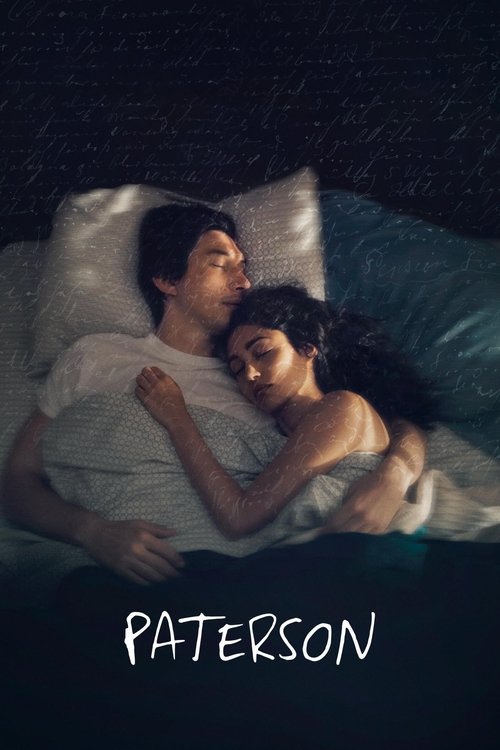
Paterson2016
Jim Jarmusch's portrait of a bus driver who writes poems and loves his wife. It finds profound beauty in routine and repetition, the way a life accumulates meaning.
But Almost nothing happens. It's an anti-narrative that some will find wise and others will find pointless.
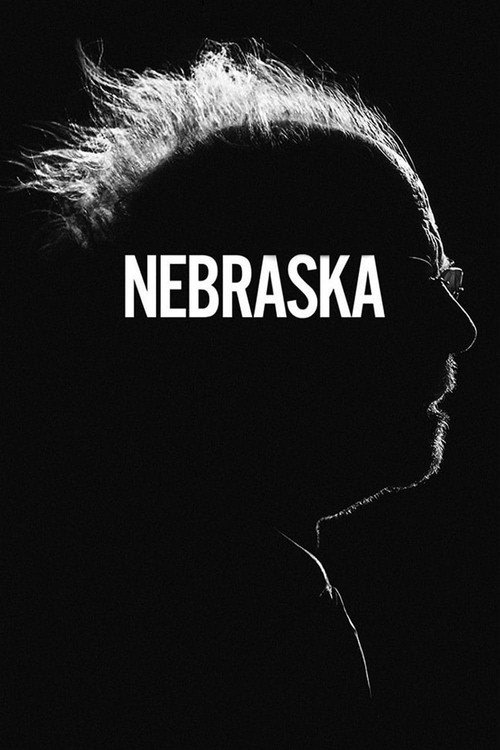
Nebraska2013
Bruce Dern (who appears here) gives the performance of his life in a road movie about an aging man and his son. It's about stubbornness, love, and the stories we tell ourselves.
But Black and white, sparse, deliberately unglamorous. It moves at its own pace, which is glacial.
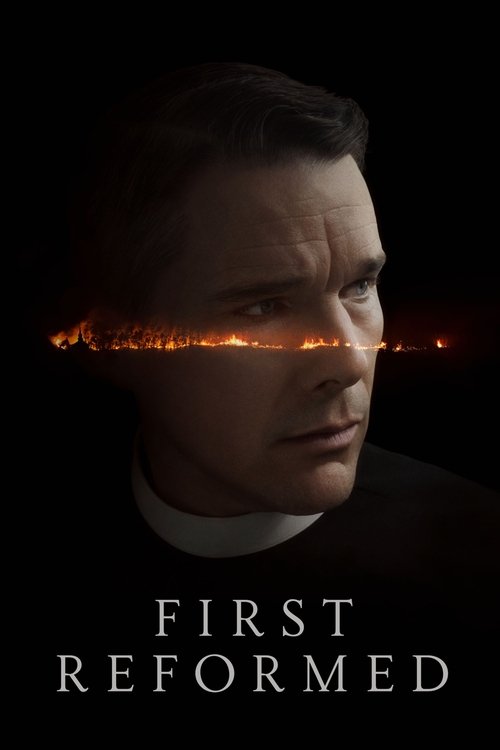
First Reformed2018
Paul Schrader's film about a pastor's crisis of faith. Like Nostalgia, it's interested in interior collapse and the way we search for meaning in objects and ritual.
But Punishing and austere. Some will find it profound; others will find it self-punishing in a way that feels performative.
The Last Picture Show1971
Peter Bogdanovich's elegy for a dying Texas town and the way time erodes even our most vivid memories. Nostalgic without being sentimental.
But Black and white, from 1971, slow. It requires the viewer to meet it halfway and may feel remote or too deliberately paced.
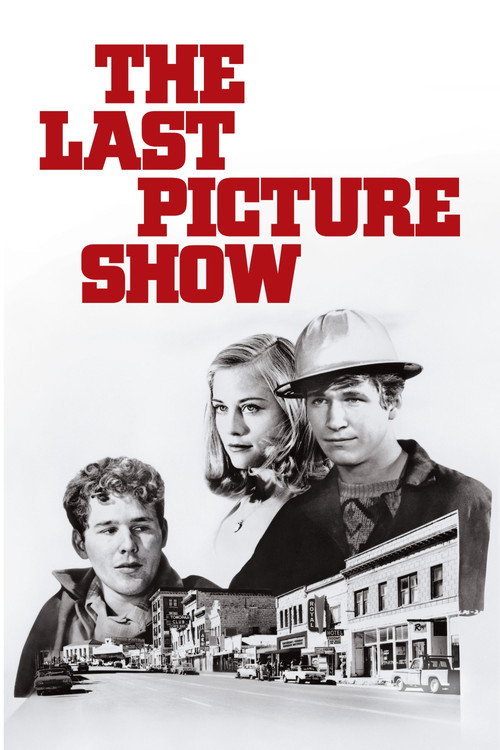
Stalker1979
Both films move inward rather than outward. Both are interested in the gap between what we want and what we discover about ourselves.
Andrei Tarkovsky's science-fiction meditation on desire, memory, and the objects we pursue. Slow, hypnotic, about the interior landscape more than anything external. Profoundly about nostalgia and longing.
But Soviet science fiction from 1979. 163 minutes. Long passages of landscape and silence. Not for viewers who need incident and pace.

A Ghost Story2017
Both are about the things we leave behind and the way memory clings to objects. Both refuse easy sentiment while remaining deeply, quietly mournful.
David Lowery's strange, haunting film about a man watching his wife move on after his death. It's about the way objects hold memory, the way we haunt our own lives, the way time erodes everything.
But Conceptually weird, sometimes filmed with a white sheet over the protagonist. Experimental in form, which works beautifully or feels precious depending on your mood.

People
Cast
 Jon HammWill Beam
 Catherine KeenerDonna Beam
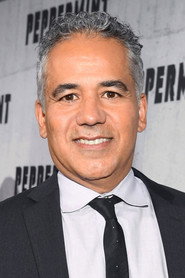 John OrtizDaniel Kalman
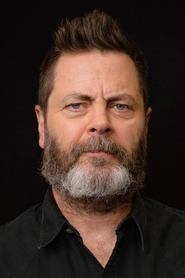 Nick OffermanHenry Greer
 James Le GrosPatrick Beam
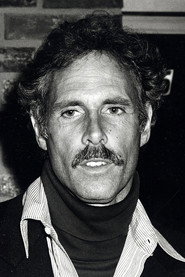 Bruce DernRonnie Ashemore
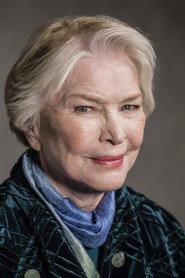 Ellen BurstynHelen Greer
 Amber TamblynBethany Ashemore
 Annalise BassoTallie Beam
 Jennifer MudgeCaitlin
 Joanna GoingMarge
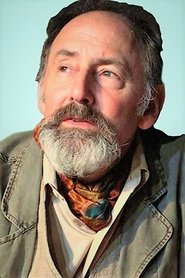 Arye GrossRiley O'Bryan
Directing
- Mark PellingtonDirector
Writing
- Alex Ross PerryStory
- Mark PellingtonStory
- Alex Ross PerryWriter
Production
- Bobbi Sue LutherCo-Producer
- Alex Ross PerryExecutive Producer
- Jim SteeleExecutive Producer
- O'Shea ReadExecutive Producer
- Mark PellingtonProducer
- Tom GoraiProducer
Recommended by
Nowhere to Hide, High on the Hog: How African American Cuisine Transformed America, Midnight Traveler, The Hottest August, The Sense of an Ending, Vienna Blood, Becoming Iconic, Stanley Tucci: Searching for Italy, The Miners' Hymns, Transit