
Film
The Hottest August
Brett Story's essayistic documentary captures New York City during August 2019, moving through neighborhoods and conversations as the city sits uneasily between prosperity and precarity. It's atmospheric and contemplative rather than argumentative, building mood through accumulated images, voices, and silences. For viewers drawn to urban poetry and structural unease.
Should you watch it?
Watch it if you like city films that let ordinary voices and street-level textures carry a big anxiety, and you're happy to sit with a mood rather than be told what to think about it.
Skip it if you want a firm through-line or a clear argument, since this drifts through the city at its own unhurried pace and leaves the connections for you to make.
What it asks of you: Settle in for ninety-four minutes of watching and listening, with long unhurried stretches of street, faces and heat that reward patience more than scrutiny.
Not sure? Find tonight's pick in a minute.
If you liked this
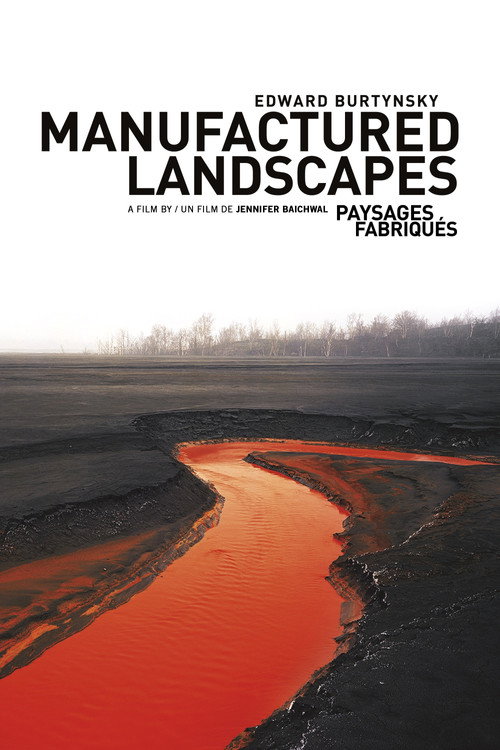
Manufactured Landscapes2006
Jennifer Baichwal's formally inventive documentary uses long, patient shots to reveal how human systems reshape the world. Shares Story's commitment to letting images accumulate emotional weight without didacticism.
But It's slow and meditative. Some will find it repetitive; others will find it hypnotic. Your mileage varies sharply.
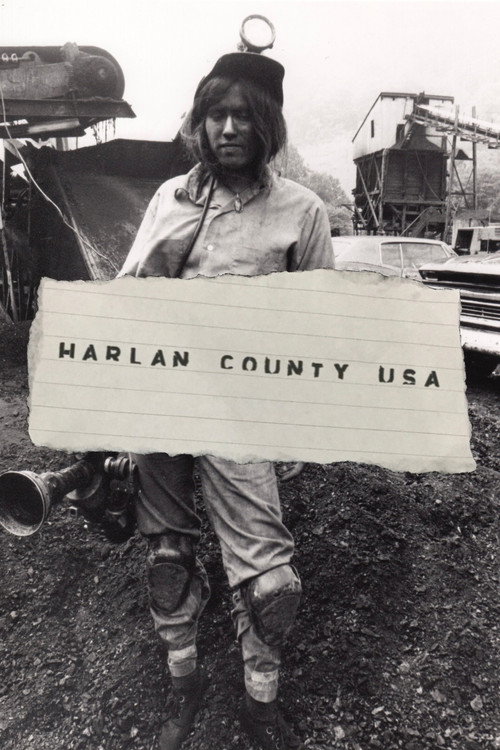
Harlan County U.S.A.1976
Barbara Kopple documents a Kentucky coal miners' strike with extraordinary access and moral clarity. Proof that documentary can be intimate, urgent, and formally sophisticated all at once.
But The conditions depicted are genuinely grim. It's not easy watching, and it doesn't offer easy answers or comfort.
Sans Soleil1983
Chris Marker's essay-film weaves travel footage, philosophy, and haunting voice-over into meditation on memory and time. Pure cinema thinking, the way Story uses language and image as equals.
But It's deliberately fragmented and elliptical. If you need narrative clarity and answers, this will frustrate you.

Not sure tonight? Get a pick in a minute, starting from The Hottest August
The wildcard
Something you would not have found on your own.
Stalker1979
Both films refuse to resolve the tension between material surfaces and spiritual questioning. They sit in dread about what the future holds. They trust silence and image-making.
Tarkovsky's science-fiction metaphysical journey—a man guiding seekers through a mysterious zone toward a room that grants wishes—is really about uncertainty, desire, and standing at a threshold. Like Story, it finds profound unease in atmosphere and waiting.
But 163 minutes of deliberate, glacial pacing. Dialogue is sparse and philosophical. Mainstream audiences often experience it as pretentious and punishing rather than contemplative.

More like this (6)
The Act of Killing2012
Joshua Oppenheimer creates a documentary that unfolds in unpredictable registers—confessional, surreal, devastating. Formal inventiveness serving genuine moral inquiry about complicity and accountability.
But It's morally and emotionally demanding. The recreations are sometimes garish in ways that trouble viewers; the questions it raises have no satisfying resolution.

Nostalgia2018
Andrei Ujica's collage of archival footage and atmospheric sound builds a meditation on the Soviet collapse and memory. Wordless observation meeting historical consciousness in ways Story recognizes.
But Almost entirely without narration or conventional structure. You're assembling meaning from fragments; some will find that rewarding, others will find it opaque.
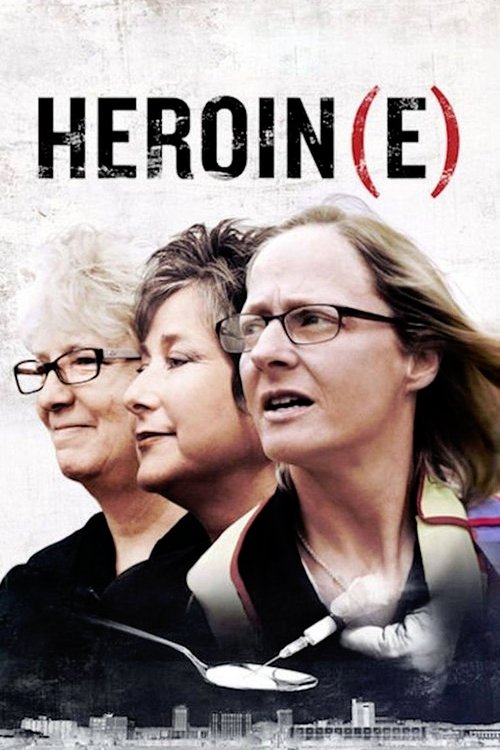
Heroin(e)2017
Elaine McMillion Gorman and Kerby Farris document West Virginia addiction crisis through intimate character focus. Unflinching humanity without descent into exploitation or sentimentality.
But The subject matter is heavy and immediate. It doesn't offer systemic solutions, only particular lives—which some experience as political failure.
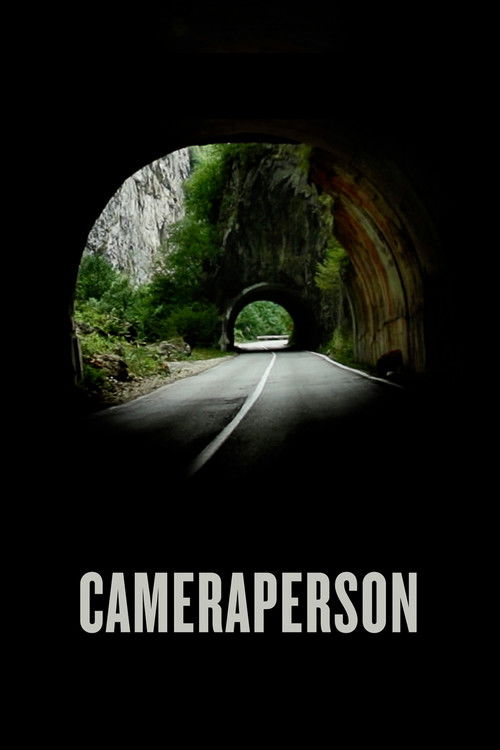
Cameraperson2016
Kirsten Johnson's autobiography-through-footage turns her decades of documentary shooting into meditation on witness, trauma, and what it means to observe suffering through a lens.
But Fragmentary and self-reflexive in ways that can feel self-indulgent. The focus on the filmmaker's consciousness rather than external narrative disturbs viewers wanting clarity.
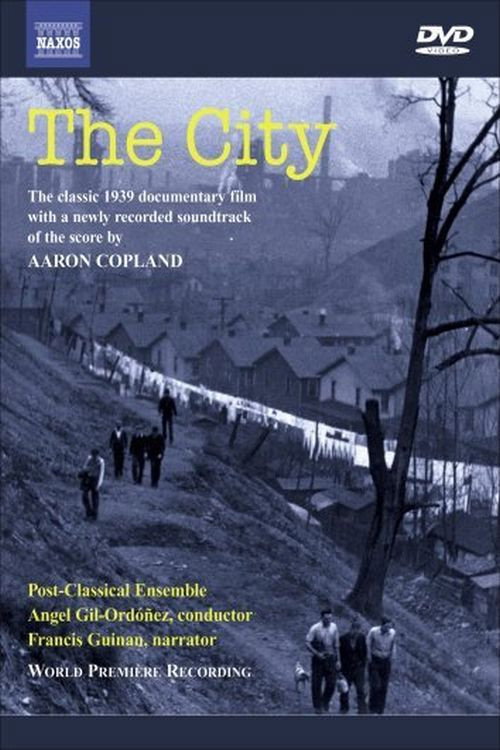
The City1939
Ralph Steiner and Willard Van Dyke's early American documentary poems New York itself—its rhythms, energy, and anonymity. Spiritual ancestor to Story's urban meditation; proof the form is old.
But Very of its era. The optimistic modernism feels distant now, which is precisely its strange power but also its limit for contemporary viewers seeking now.
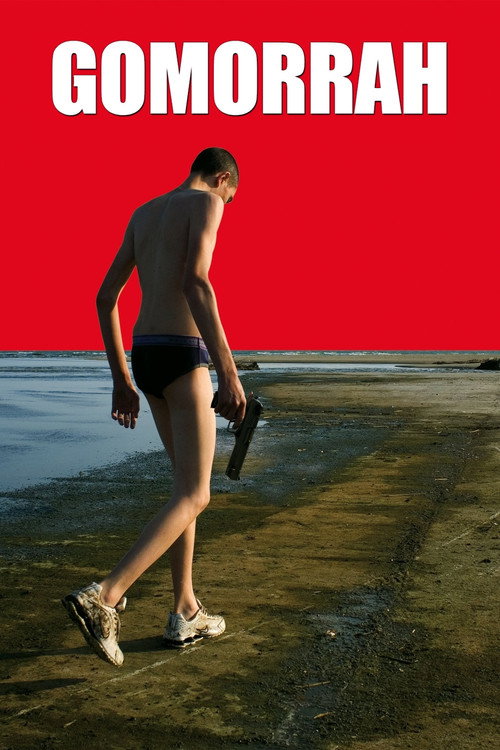
Gomorrah2008
Both understand that documentary impulse—revealing what's hidden—can work through fiction. Both show cities as shaped by forces larger than individuals, visible only through accumulated detail and refusal to look away.
Matteo Garrone's fiction film documents Neapolitan organized crime not as spectacle but as bureaucratic, banal, structuring force in everyday life. Shares Story's commitment to showing how invisible systems shape visible surfaces.
But It's violent, degrading, and offers no narrative catharsis. The crimes are casual and economically motivated rather than theatrical. It can feel bleak without redemptive arc.
People
Cast
 Clare Coulternarrator
Directing
- Brett StoryDirector
Production
- Lois VossenExecutive Producer
- Maida LynnExecutive Producer
- Sally Jo FiferExecutive Producer
- Brett StoryProducer
- Danielle VargaProducer