
Television series
What on Earth?
- Mystery
- Dip in and out
What on Earth? pairs spectacular satellite imagery with mystery-box storytelling, asking viewers to identify strange geological formations and human structures before revealing what they actually are. It's pure visual puzzle-solving dressed in natural history, perfect for people who love maps, geology, or just staring at satellite photos for an hour feeling clever.
If you liked this
Cosmos1980
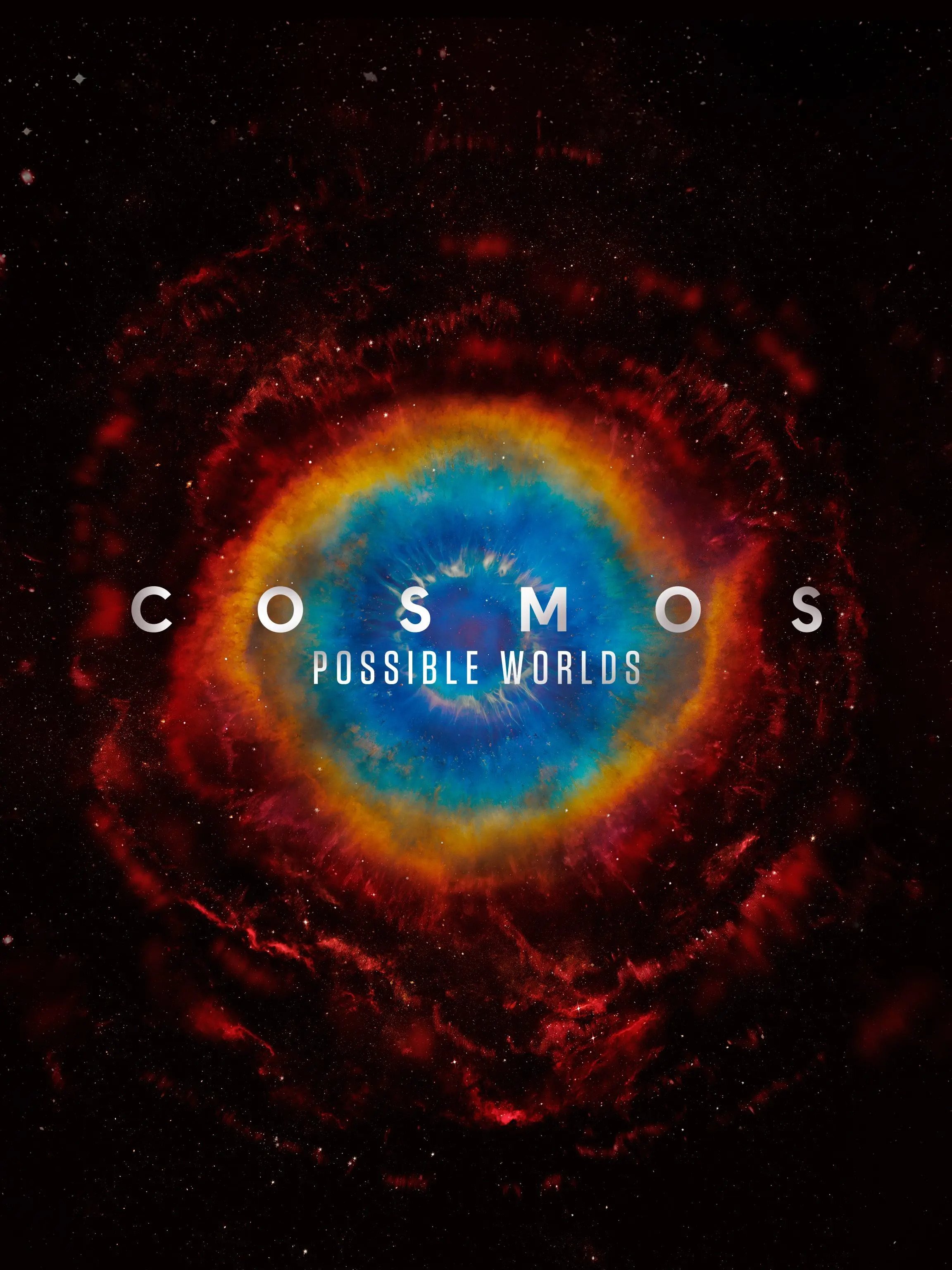
Carl Sagan's legacy reimagined with stunning modern visuals and genuine awe at Earth's place in the universe. Each episode opens with the same sense of 'look at this extraordinary thing' that drives What on Earth?.
But Grander in scope and more philosophically ambitious, so if you want pure geographical puzzles rather than cosmic meditation, it reaches further than you might want.
Planet Earth2006
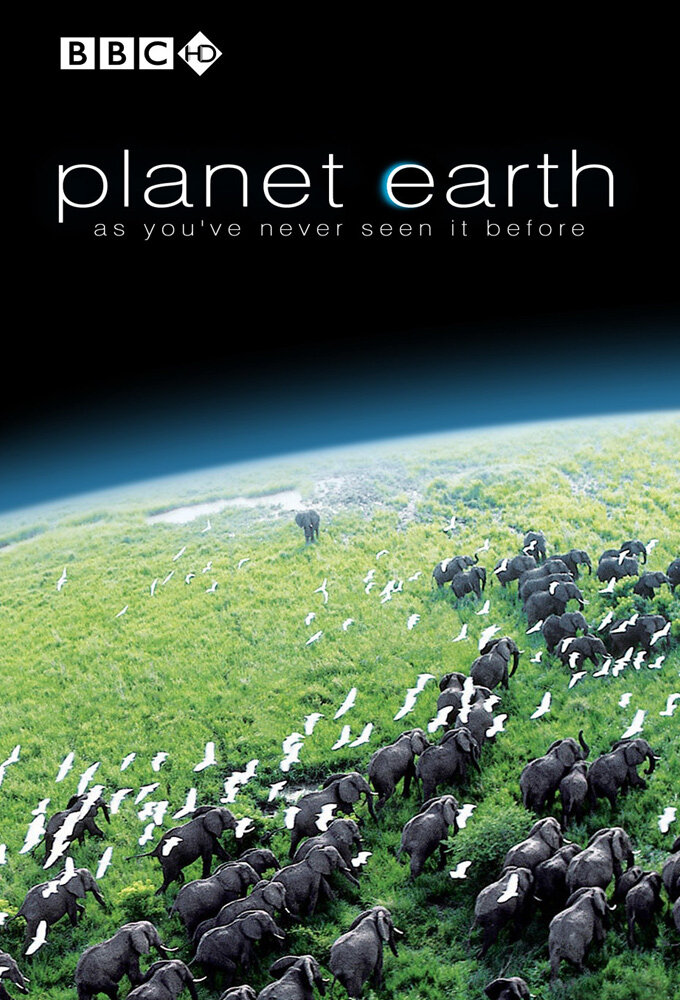
David Attenborough's masterpiece captures extreme ecosystems and hidden corners of the world with breathtaking cinematography. The sense of discovery and 'how did life get here?' mirrors the documentary's investigative curiosity.
But It's a nature series first, not a mystery; you're watching animals and landscapes unfold, not solving puzzles about them.
Our Planet2019
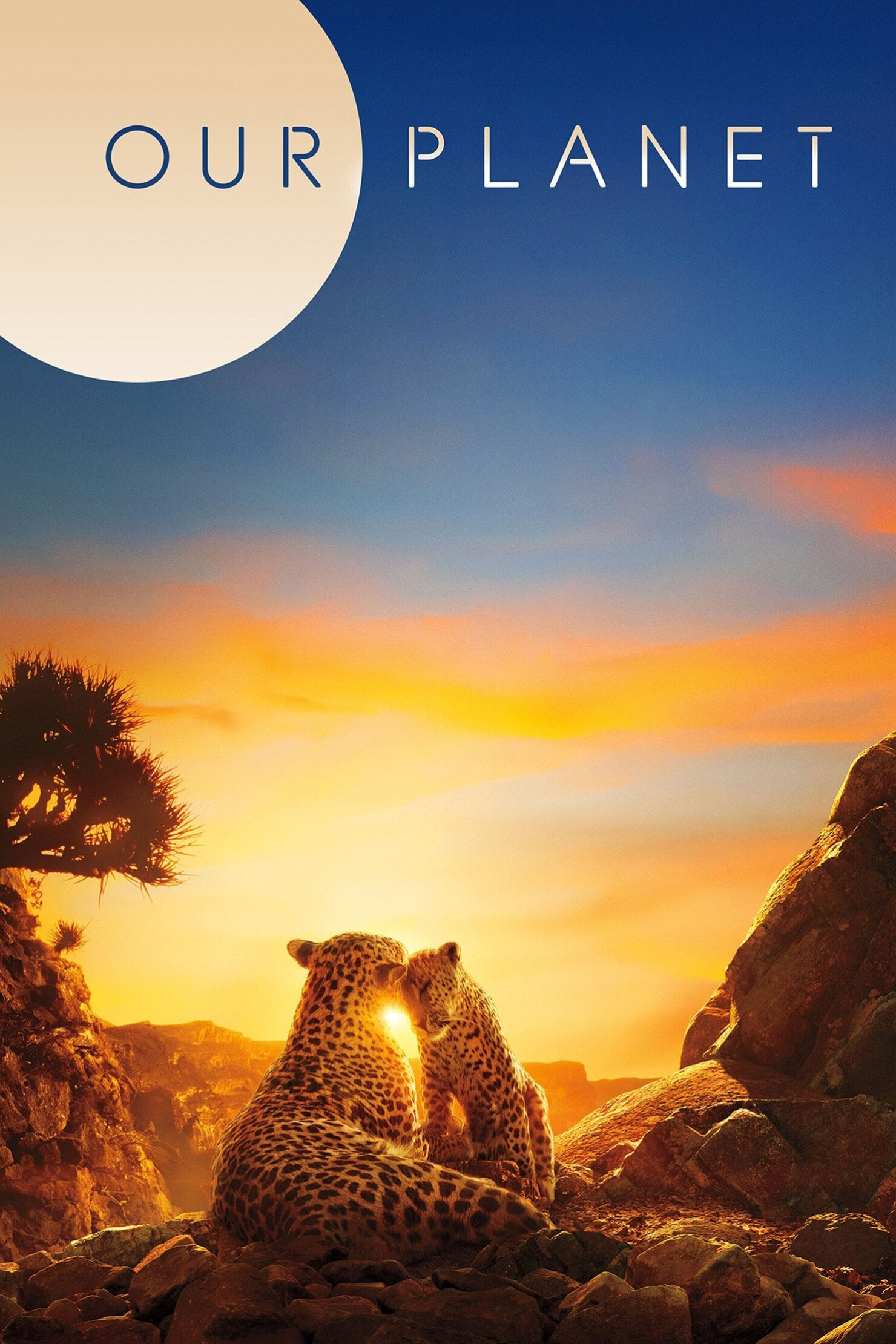
Another Attenborough gem using cutting-edge satellite and remote-camera technology to reveal places humans have rarely seen. That marriage of technology and discovery feels kindred.
But Heavily focused on climate change and human impact—heavier emotional weight than the puzzle-box fun of What on Earth?.
Not sure tonight? Get a pick in a minute, starting from What on Earth?
The wildcard
Something you would not have found on your own.
Powers of Ten1977
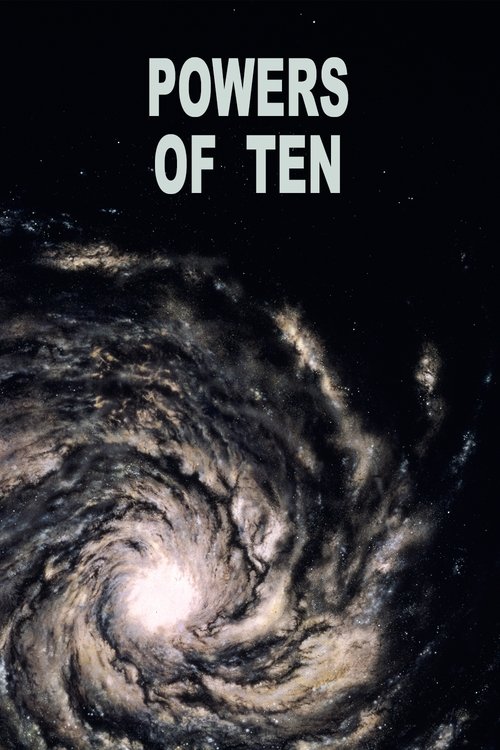
Both use 'the view from above and far away' as the fundamental tool for understanding; both make scale and perspective the whole point.
A 9-minute experimental film that zooms outward from a couple in Chicago to the edge of the observable universe, then back in. It's the ancestor of satellite imagery as narrative—using scale and perspective as the entire storytelling device. If What on Earth? made you think about how we see our planet, this goes further.
But Made in 1977, it's deliberately abstract and mathematical, not flashy. No narrator explaining things; you have to sit with the vertigo of scale. Some will find it boring or cold.
More like this (5)
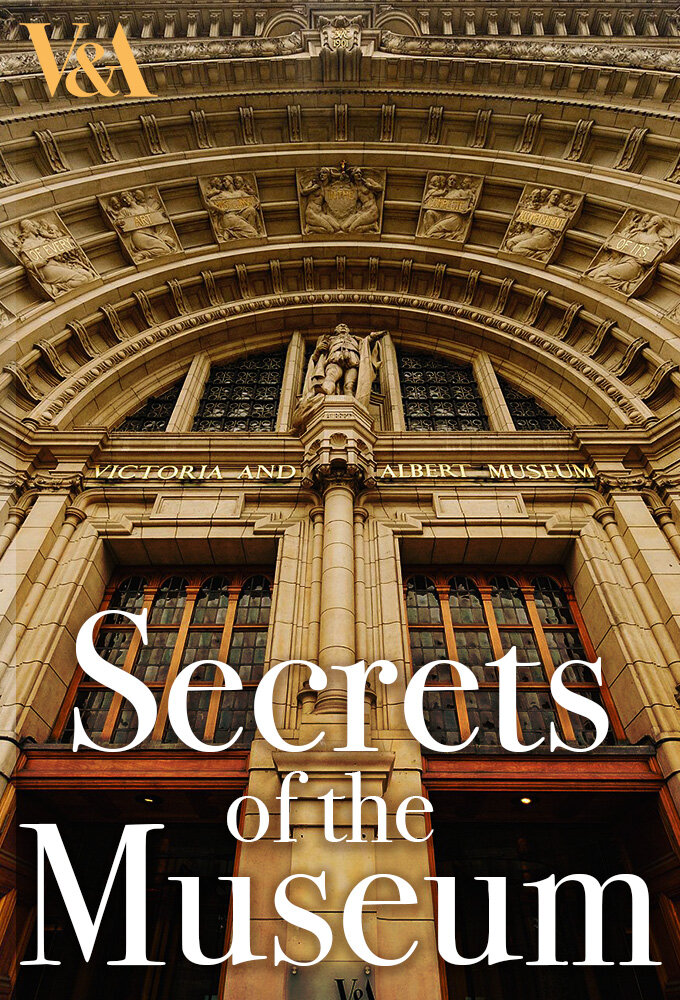
Secrets of the Museum2020
Natural history collections examined through mystery and discovery, with the same reveal-and-explain structure. Less geology, more anthropology, but the same delight in 'what is this thing and where did it come from?'
But Museums and artifacts instead of Earth phenomena; if you specifically want planetary science, this detours into culture and history.
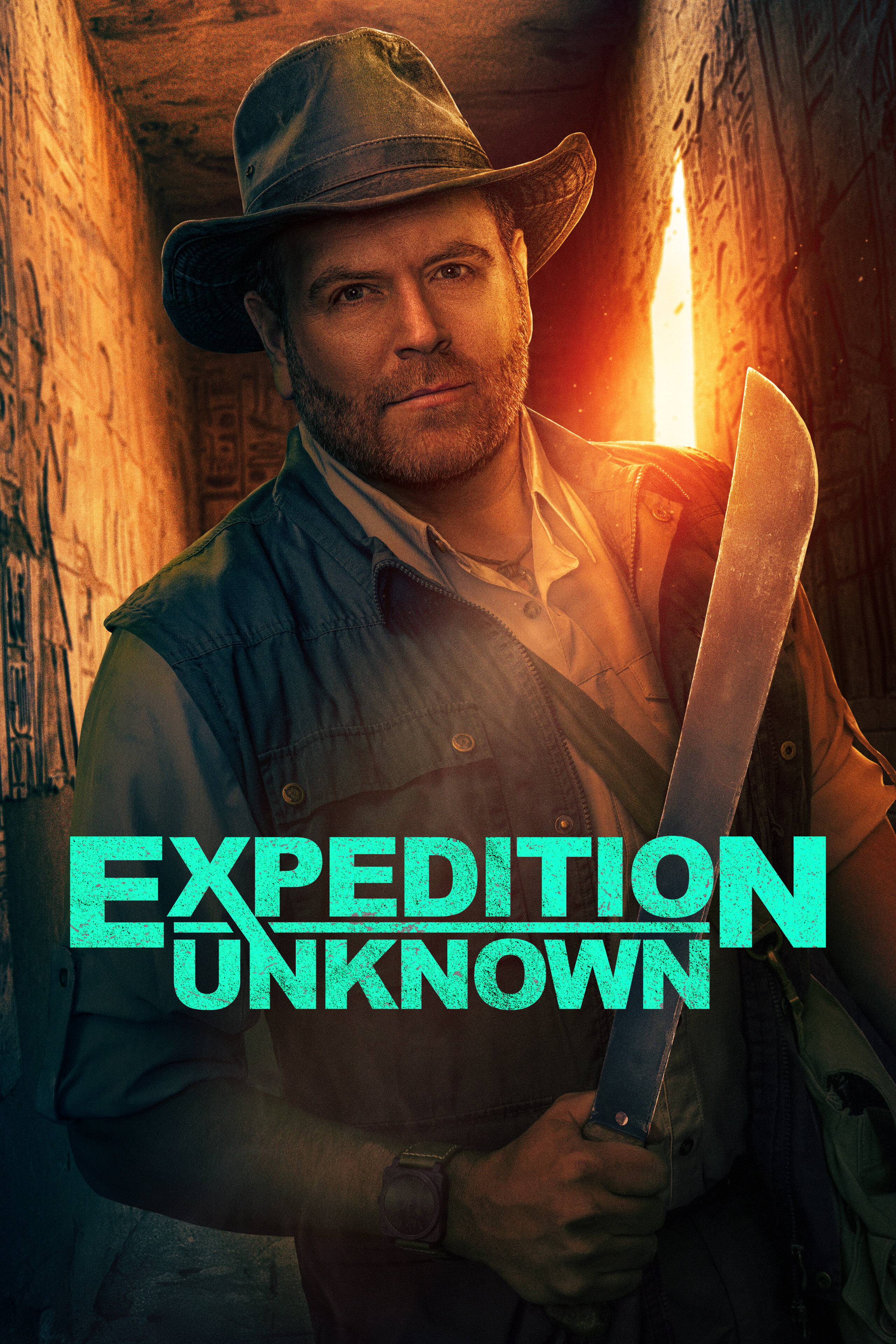
Expedition Unknown2015
Josh Gates investigates real historical mysteries and strange locations around the world. Less scientific, more adventure, but that same appetite for 'let's go find out what this actually is.'
But Pop-culture documentary feel rather than hard science; less rigorous analysis, more treasure-hunt energy.
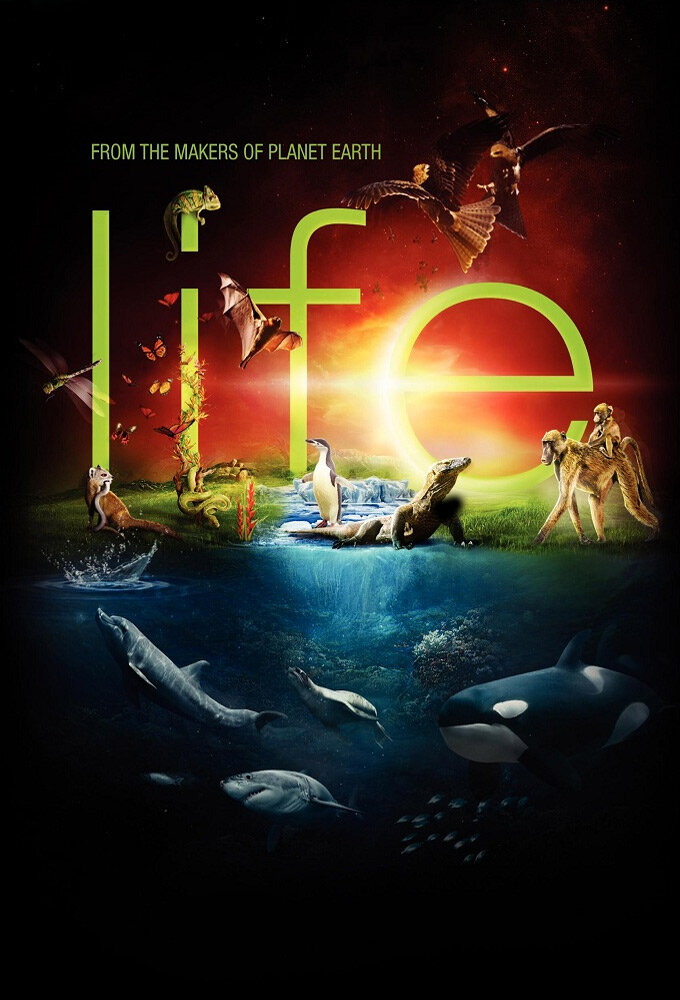
Life2009
BBC's sweeping survey of how creatures survive in Earth's harshest places. Attenborough narration, stunning imagery, that same sense of 'the planet contains impossibilities.'
But Biology-focused, not geology or structure-hunting; if you loved the puzzle aspect of What on Earth?, this emphasizes living systems instead.
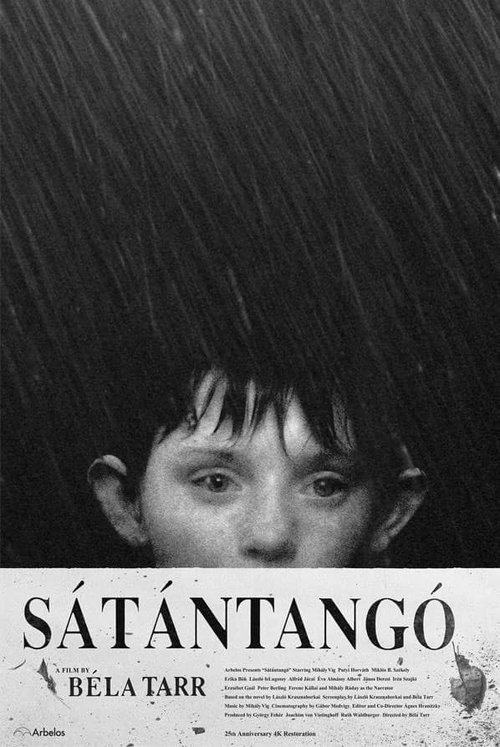
Satantango1994
Both make you look at place and spatial arrangement as the primary text. Both ask 'what is this, and what story does the land itself tell?'
A seven-hour Hungarian experimental film about a remote settlement by Béla Tarr. Almost entirely in long, static shots from a fixed vantage point. It sounds punishing but becomes hypnotic—you're forced to look at landscape and structure the way satellite imagery forces you to read meaning from a still image.
But Seven hours long, deliberately slow, no conventional plot. If you want entertainment, this is the opposite of it. Requires patience bordering on faith.
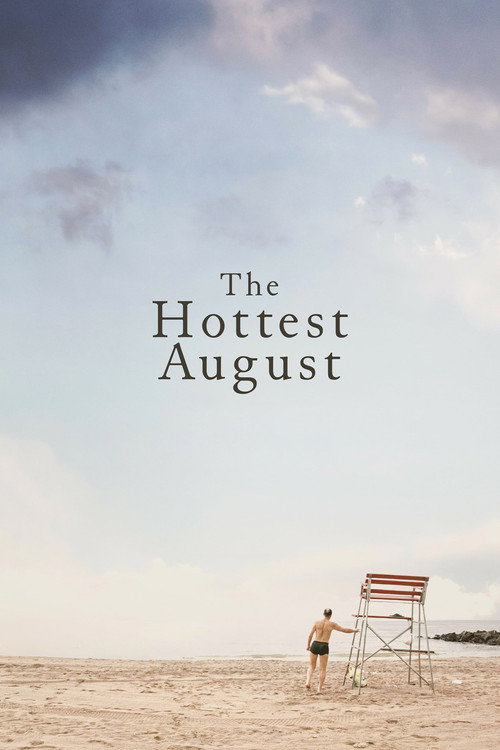
The Hottest August2019
Where What on Earth? reads geography from above, this reads it from within. Both trust landscape and place to be interesting without editorial insistence.
A documentary where the filmmaker points a camera at New York City for a month during August 2019 and films people's faces and conversations in public. No voiceover, no structure, just observation of place through the people occupying it. It's the opposite approach—instead of satellite distance, radical human closeness—but both are asking 'what does a place reveal about itself?'
But Deliberately unstructured and oblique; some will feel it goes nowhere. No answers, no explanations, only images and ambient sound.
People
Cast
 Steven KearneyNarrator