
Film
Made in China
A intimate 74-minute documentary following a young factory worker and his father as they prepare for their annual migration home during Chinese New Year. Shot in Shenzhen's industrial heartland, it's a quietly observant portrait of modern Chinese labor, family obligation, and the emotional weight of temporary separation. Unflinching without being sentimental—for anyone curious about lives beneath global supply chains.
If you liked this
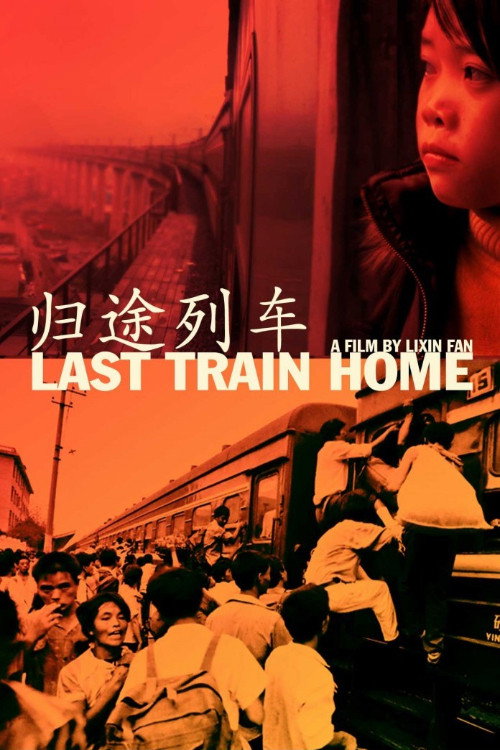
Last Train Home2009
Another documentary about Chinese migrant workers returning home for New Year, but told across three years and multiple family members. It captures the same tension between industrial survival and familial duty with devastating emotional clarity.
But The pace is deliberate and the family dynamics are complex enough to require real attention. Some may find the repetition of annual cycles frustrating rather than poignant.
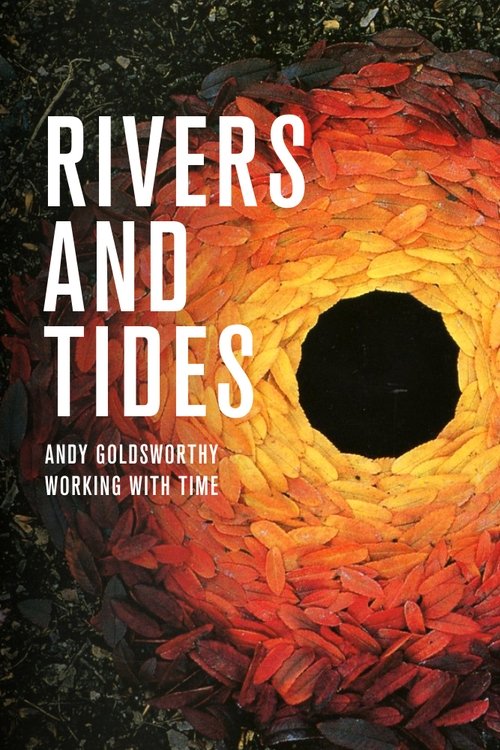
Rivers and Tides2001
A documentary about artist Andy Goldsworthy that mirrors Made in China's patient observation of work and process. Both films treat labor—whether artistic or industrial—as meditation, finding beauty in repetition and constraint.
But It's more philosophical than narrative-driven. If you want plot momentum or dramatic climax, this will feel slow and oblique.
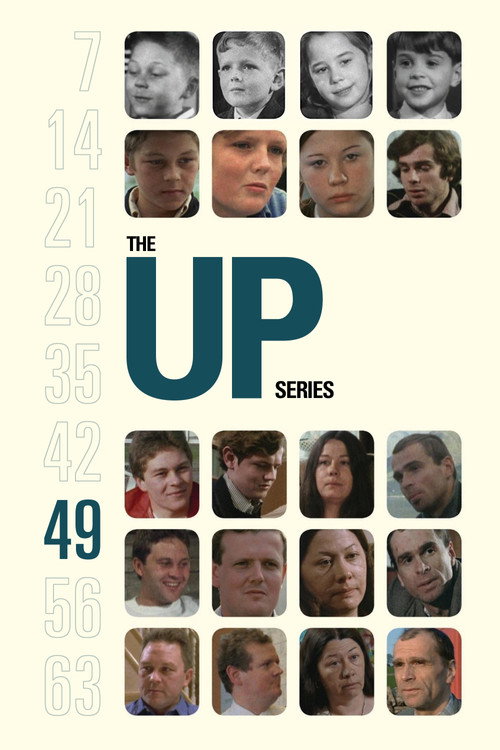
49 Up2006
Michael Apted's decades-spanning check-ins with the same people reveal how lives unfold across time. Like Made in China, it's about ordinary people, consequence, and the gap between aspiration and reality—but sprawling across half a century.
But The series is vast (fourteen films spanning 56 years). Even dipping in requires commitment, and the British subjects and contexts are far removed from the film's focus.
Not sure tonight? Get a pick in a minute, starting from Made in China
The wildcard
Something you would not have found on your own.
Harakiri1962
Both films are about systems that demand sacrifice from individuals, and the impossible choice between self-preservation and family/social duty. Each shows how structural pressure becomes personal heartbreak.
Masaki Kobayashi's masterpiece examines duty, honor, and the cruelty of obligation in feudal Japan. Like Made in China, it's a devastating portrait of what happens when personal survival conflicts with social expectation—but through ritual and ceremony rather than industry.
But It's a samurai film (in black and white, three and a half hours long) and moves with the gravity of tragedy. The formal register is almost Shakespearean. Modern viewers often find it austere and exhausting.

More like this (6)
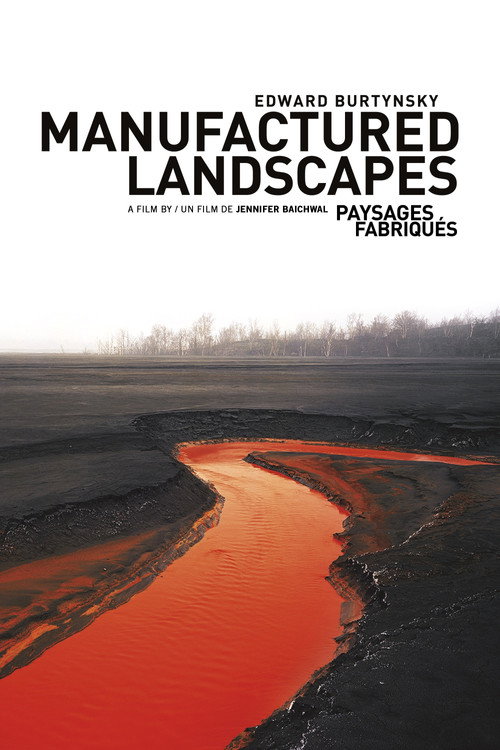
Manufactured Landscapes2006
Jennifer Baichwal's film explores China's industrial transformation through stunning photography and minimal narration. It shares Made in China's interest in how manufacturing shapes human geography and individual lives at scale.
But It's more visually essayistic than character-driven. The tone is remote and reflective where Made in China is intimate and personal.
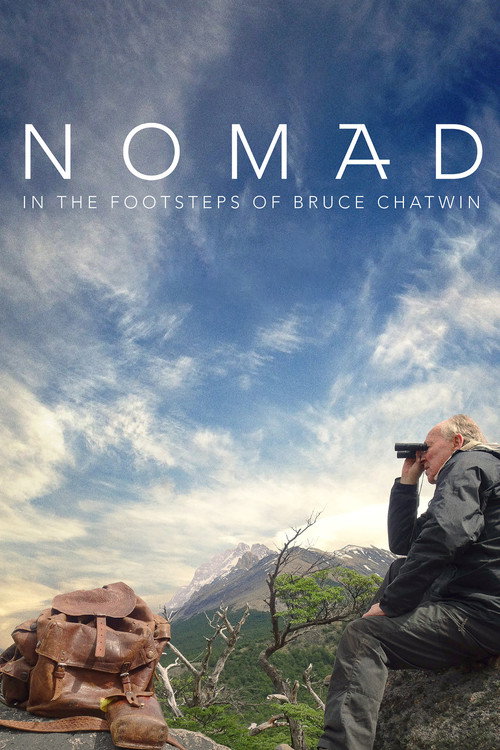
Nomad: In the Footsteps of Bruce Chatwin2019
Werner Herzog traces Chatwin's journeys in this meditation on movement, displacement, and what drives people to leave home. Thematically aligned with the film's exploration of migration and the pull between two places.
But Herzog's narration and philosophical bent make it abstract and digressive. It's not grounded in a single family's story the way Made in China is.
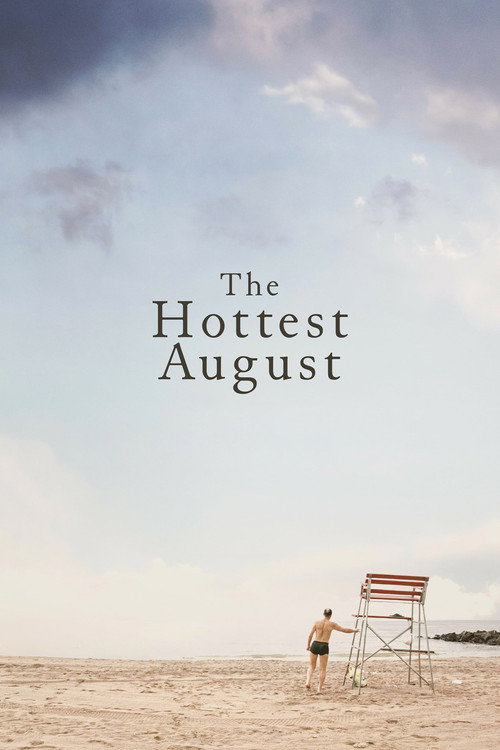
The Hottest August2019
Brett Story's observational documentary captures ordinary people navigating urban life and precarity. Like Made in China, it finds profound humanity in routine and constraint, building meaning through patient witnessing.
But It's deliberately fragmented and impressionistic. Some viewers will find it too formless or resistant to clear interpretation.
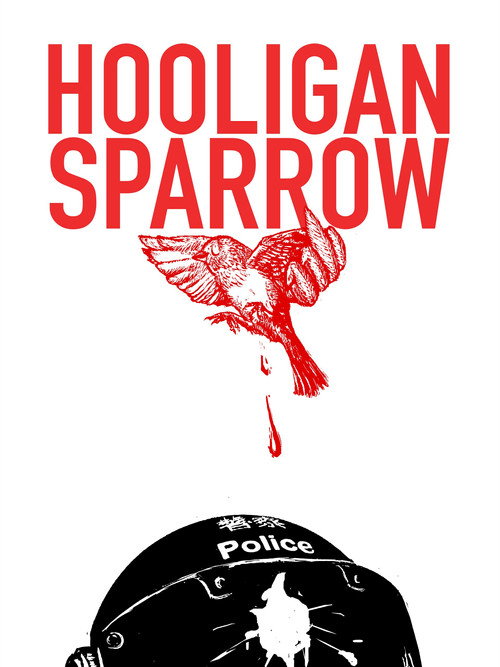
Hooligan Sparrow2016
Wen Zhao's documentary about a feminist activist in contemporary China shares the film's unflinching look at modern Chinese life and the pressures individuals face. Both are intimate portraits of people navigating constraint.
But The activism and political content make it more overtly confrontational. If you want observational distance rather than advocacy, this breaks that mood.
Stalker1979
Both are films about journeys that are also meditations on time, longing, and what we sacrifice for the people we're bound to. Both use extended observation to transform the ordinary into the profound.
Tarkovsky's philosophical SF masterpiece follows a guide leading people through a mysterious zone. Structurally and thematically it mirrors Made in China: a journey toward something half-understood, the weight of obligation, the gap between hope and reality, and time as the true subject.
But It's 163 minutes of glacial pacing and metaphysical abstraction. Tarkovsky demands surrender to his rhythm. If you need narrative clarity or momentum, this will feel punishingly oblique.

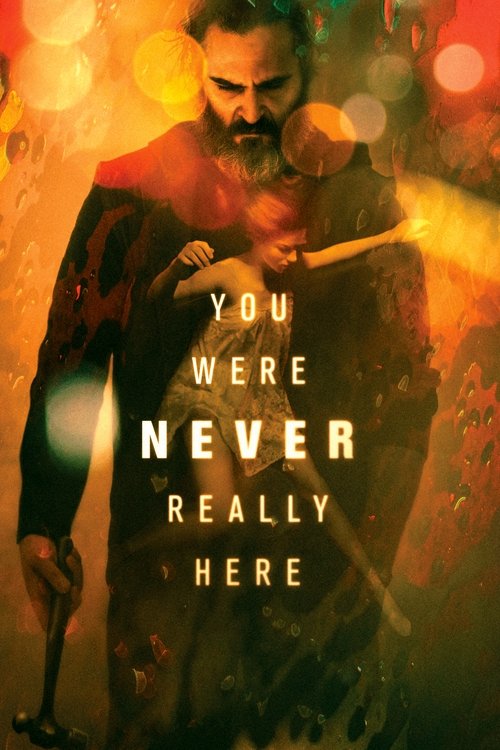
You Were Never Really Here2017
Both films center on the psychological weight of obligation and survival. Made in China observes it directly; this film inverts the form to show how pressure distorts the mind from the inside. One is a mirror; the other is a scream.
Lynne Ramsay's nightmarish portrait of a damaged man in crisis unfolds in fragmented, sensory waves rather than linear narrative. Like Made in China, it excavates the interior life of someone under structural pressure, but through formal experimentation instead of documentary observation.
But It's violent, hallucinatory, and formally fractured. The editing is deliberately disorienting. If you want clarity or conventional storytelling, this will feel hostile to your comfort.
People
Directing
- Marc Chica i JoséDirector
Production
- David Delgado PonsCo-Producer
- Pep Bosch CalvoCo-Producer
- Marc Chica i JoséProducer