
Film
Last Men in Aleppo
Last Men in Aleppo follows founding White Helmets volunteers—Khaled, Subhi, Mahmoud—as they race toward airstrikes to pull survivors from rubble, week after week, deciding again and again whether to stay in their dying city or flee. There's no score, no narration, just men choosing this as routine. Watch it if you can sit with grief that never resolves into catharsis, only witness.
If you liked this
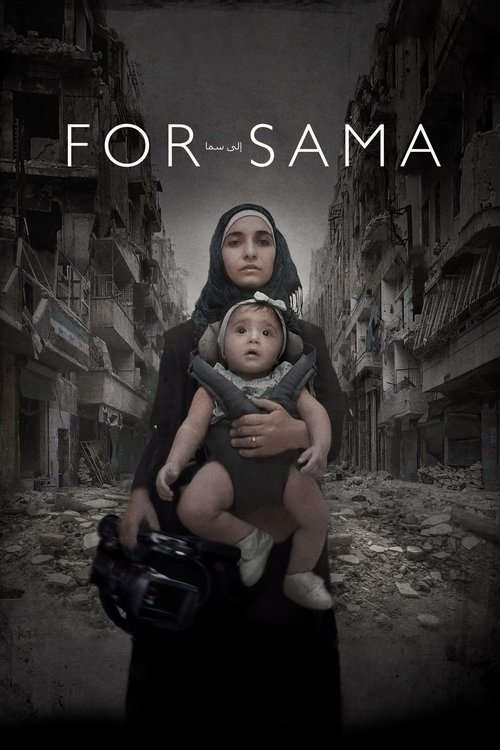
For Sama2019
Waad al-Kateab filmed her own siege of Aleppo as a letter to her infant daughter, turning the same devastation into something unbearably personal and specific. It's the closest companion piece there is.
But It's grief without distance—raw home footage of a mother and baby under bombardment, with almost no relief.
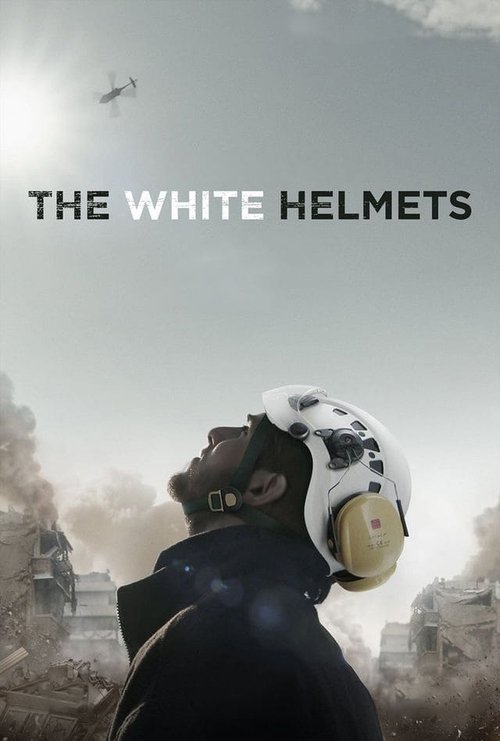
The White Helmets2016
The 40-minute Netflix short that first brought these volunteers to a global audience, following a different rescue and a different crew member's crisis of conscience. Same organisation, tighter frame.
But Slighter and more polished than Last Men in Aleppo—less time to sit with the full weight of what it's showing.
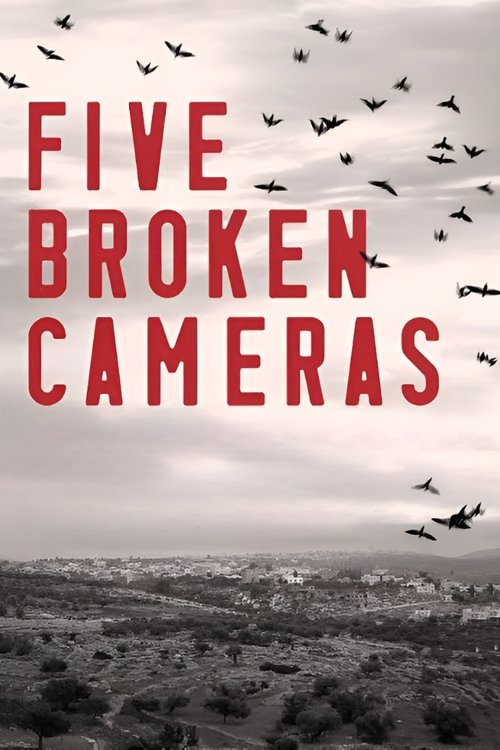
Five Broken Cameras2011
A Palestinian farmer documents years of occupation and resistance on a series of cameras, each one destroyed and replaced as the story escalates. Personal, cumulative, quietly devastating.
But Slower pace, more explicit politics—it argues its case where Last Men in Aleppo simply shows and lets you sit with it.
The wildcard
Something you would not have found on your own.
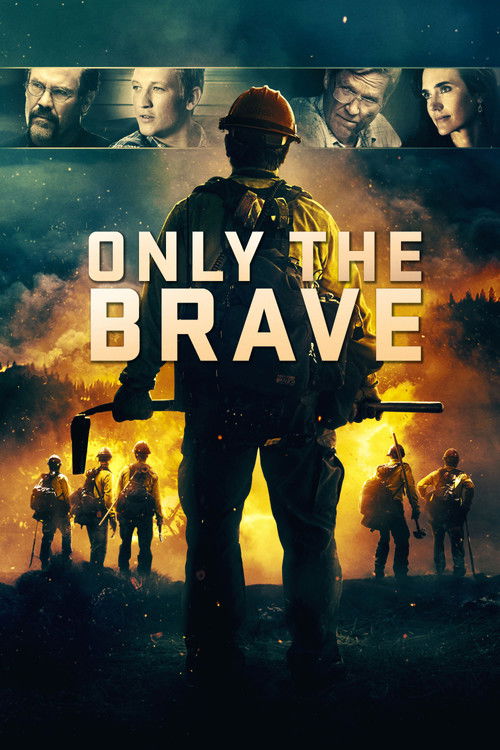
Only the Brave2017
It's the same dilemma the White Helmets live with—people who run toward the fire instead of away from it, and the families who beg them to stop—relocated to Arizona wildfire country and told with a Hollywood budget.
A big, glossy studio drama about real hotshot firefighters asks the same question this documentary does—why people keep running toward disaster—just with a script, a score, and movie stars.
But It's polished where Last Men in Aleppo is raw, and its structure offers a catharsis the real world it's echoing never quite gives you.
More like this (8)
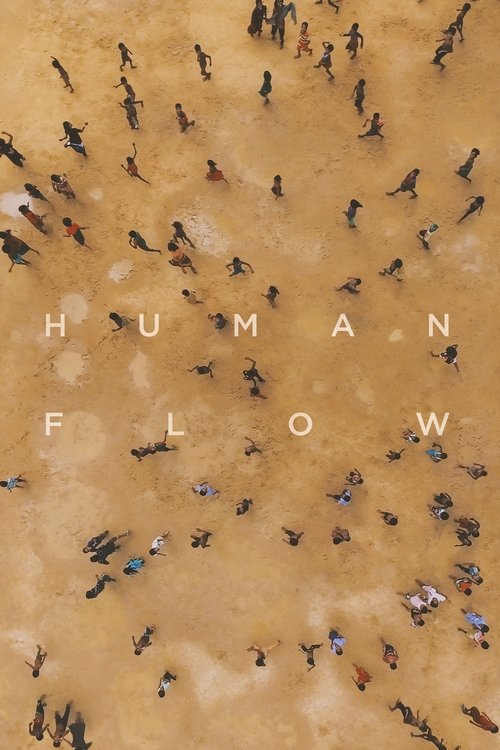
Human Flow2017
Ai Weiwei's sprawling, drone-heavy survey of the global refugee crisis puts Aleppo's exodus inside a much wider frame—dozens of countries, millions of people, one continuous displacement.
But The scale can flatten individual stories; it's more essay than immersion, and less gripping minute to minute.
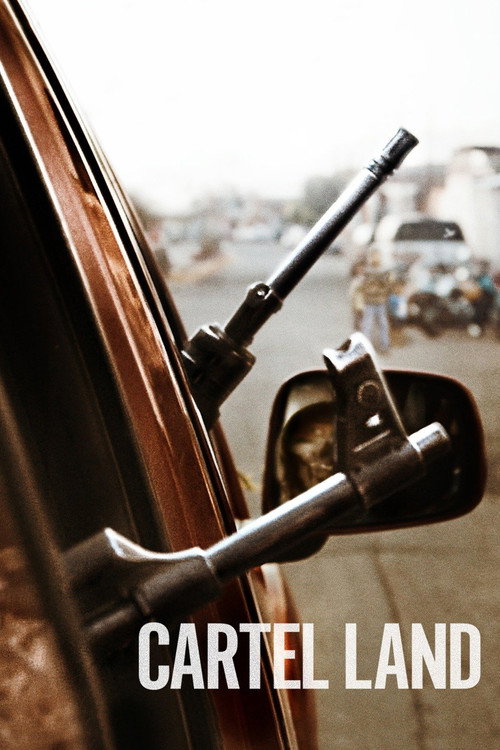
Cartel Land2015
Vigilante citizens take up arms against cartel violence in Mexico, echoing the same question Last Men in Aleppo keeps asking: what do ordinary people owe a collapsing state?
But The moral lines blur uncomfortably as it goes on—less clear-cut heroism here, more compromise and violence.
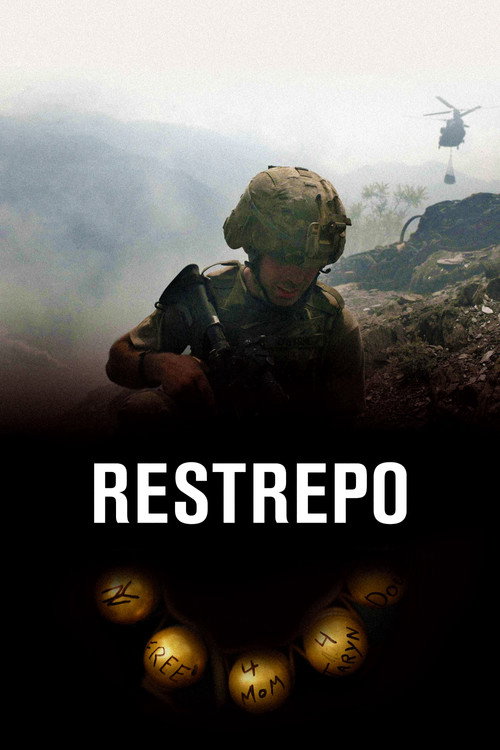
Restrepo2010
Junger and Hetherington embedded with a US platoon in Afghanistan's most contested valley, filming combat with the same unflinching, no-narration immediacy.
But These are soldiers, not rescuers—occupiers rather than people trying to save their own city and neighbours.
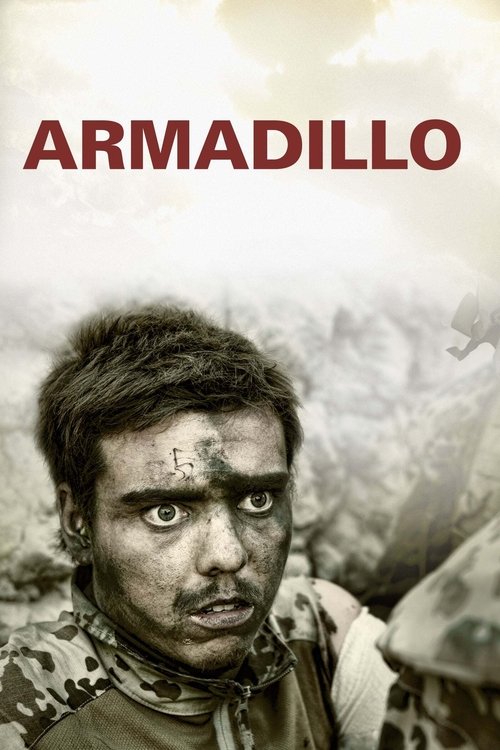
Armadillo2010
Danish troops in Afghanistan, filmed with a similarly close, unnarrated intensity that refuses to look away from what war does to the people fighting it.
But Colder and more clinical in tone; it's interested in complicity and drift more than courage or rescue.
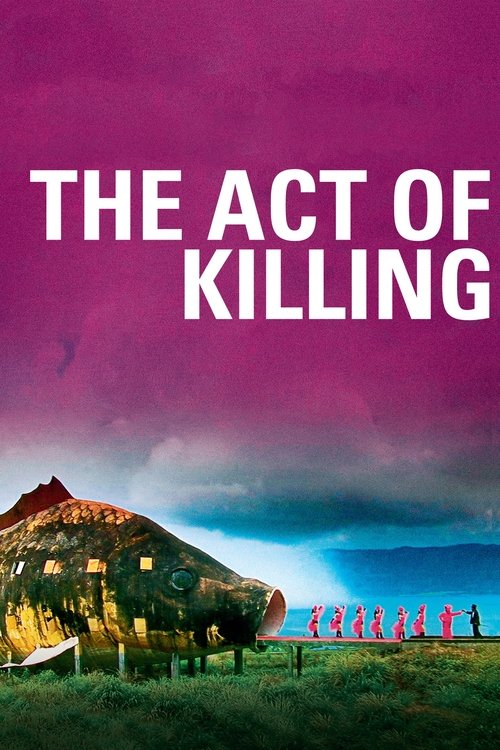
The Act of Killing2012
Indonesian death-squad leaders re-enact their own killings for the camera, turning documentary into something closer to nightmare—atrocity examined from the other side of the wall.
But Deliberately unsettling rather than moving. This is about perpetrators, not the people trying to save lives.
Dirty Wars2013no page yet
Jeremy Scahill traces covert American operations across multiple war zones, giving the political machinery behind conflicts like Syria's a face and a paper trail.
But More investigative journalism than vérité—talking heads and reporting rather than boots-on-the-ground footage.
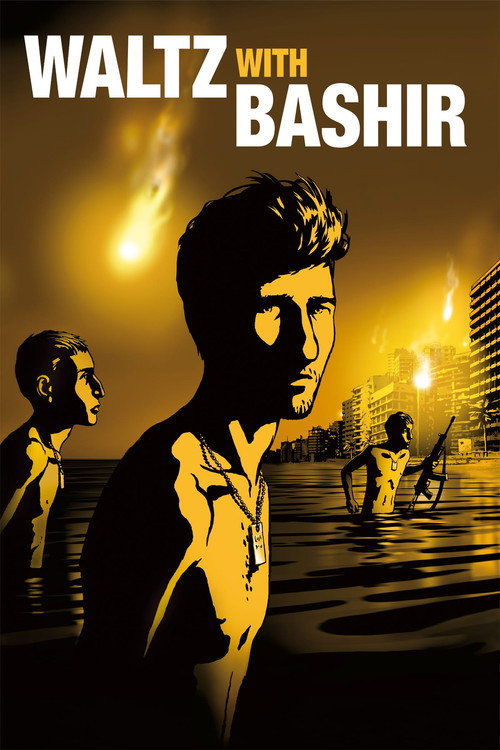
Waltz with Bashir2008
Ari Folman couldn't film his own war memories, so he rotoscoped them instead—a different medium wrestling with the same question of what witnessing a war does to the people who survive it.
An animated documentary that turns fractured, half-buried memories of the 1982 Lebanon war into something dreamlike and precise, using a medium built for fantasy to tell an entirely true story.
But The animation creates distance rather than intimacy—if you want raw footage over stylised memory, this will frustrate you.
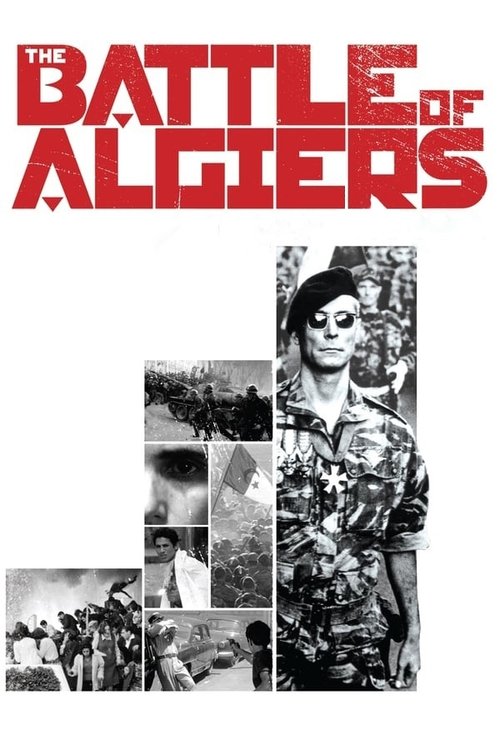
The Battle of Algiers1966
Pontecorvo shot this fictional account of Algiers' independence struggle with handheld cameras and non-actors to look exactly like the newsreel footage it wasn't—the same choice to stay and fight instead of flee, in a different war, six decades earlier.
It invented the visual grammar that war documentaries like Last Men in Aleppo still use—grainy immediacy, no comfortable distance, sympathy for people choosing armed resistance over safety.
But It's a dramatised film, not documentary, and its portrayal of urban resistance as heroic was and remains genuinely controversial.
People
Cast
Directing
- Feras FayyadDirector
- Steen JohannessenDirector
Writing
- Feras FayyadWriter
Production
- Kareem AbeedProducer
- Søeren Steen JespersenProducer
- Stefan KloosProducer