
Film
The Cave
Filmed largely underground during the siege of Eastern Ghouta, this observational documentary follows Dr. Amani Ballour, a young paediatrician running a subterranean hospital while government bombs fall overhead. It's claustrophobic and unglamorous, built from grinding routine rather than dramatic rescue, and quietly furious about a woman commanding authority from male colleagues while the war outside negotiates everything else away. Watch it for witness, not entertainment.
If you liked this
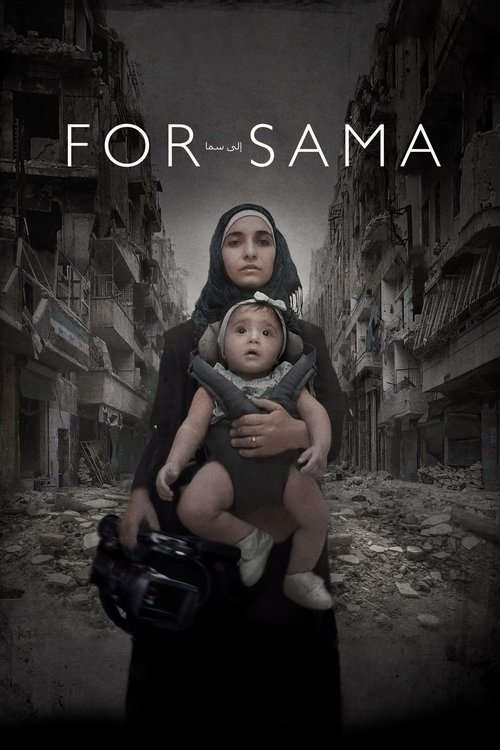
For Sama2019
Made in real time inside besieged Aleppo by a young mother filming her own life alongside her infant daughter, it's the closest sibling to The Cave — same siege-era Syria, same impossible calculus of love and duty under bombardment.
But The intimacy is almost unbearable; if The Cave was hard to breathe through, this leaves even less room.
Last Men in Aleppo2017
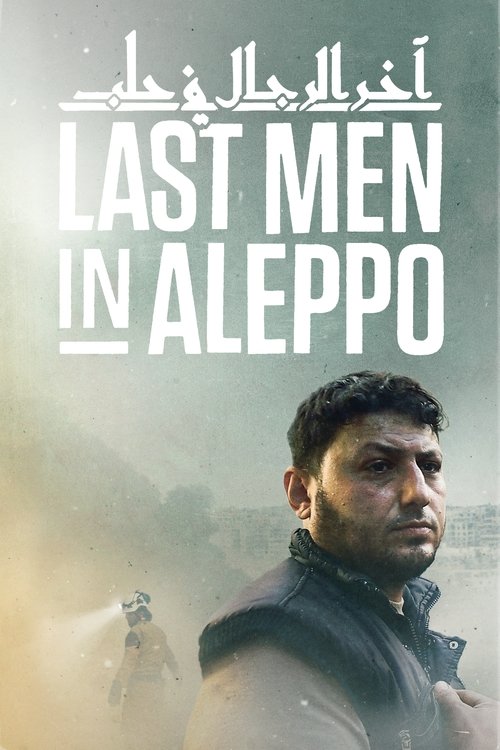
Follows Syrian Civil Defence volunteers who run into the rubble instead of away from it, an Oscar-nominated close cousin to Amani's story of ordinary people refusing to stop working.
But Looser and less structured than The Cave, and the repetition of rescue after rescue can numb rather than build.
City of Ghosts2017
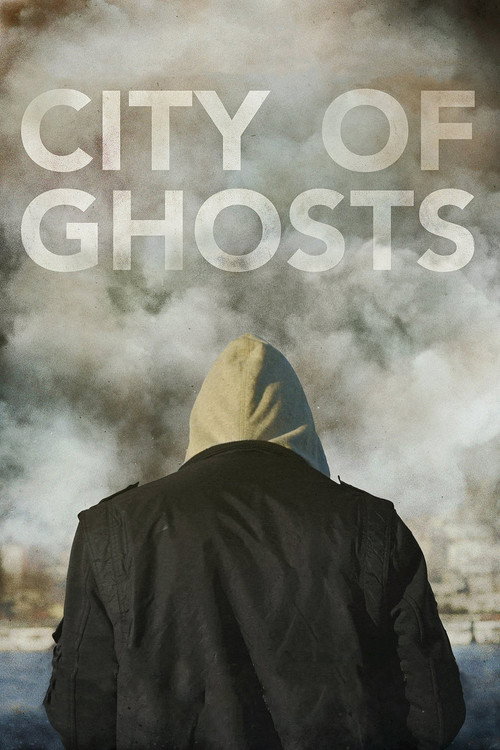
Citizen journalists secretly document ISIS's takeover of Raqqa and pay for it in exile and grief, widening the war-documentary lens from a single hospital to an entire occupied city.
But Less claustrophobic than The Cave, more sprawling and geopolitical, which some will find less immediate.
The wildcard
Something you would not have found on your own.
M*A*S*H1970
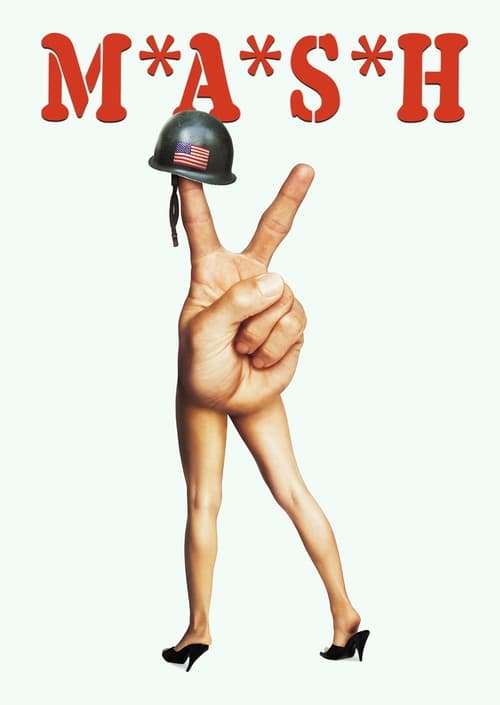
Same structural engine — a makeshift medical unit absorbing war's casualties one gurney at a time — but where The Cave asks you to grieve, MASH asks you to laugh, and watching both shows how thin that line actually is.
A boozy, wisecracking satire about surgeons keeping their sanity by refusing to take the Korean War seriously, even as the wounded keep arriving — the same underground-field-hospital premise as The Cave, played entirely for laughs.
But If you found The Cave sacred, this will feel almost sacrilegious — flip, horny, and dated in its sexual politics.
More like this (8)
A Private War2018no page yet
Rosamund Pike plays war correspondent Marie Colvin covering the same Syrian conflict from the press side, a fictionalised counterpart to the doctors who stayed behind to treat what she reported.
But It's a conventional biopic, glossier and more Hollywood than anything Amani's handheld cameras ever caught.
Cries from Syria2017no page yet
A wider-angle survey of the entire war using smuggled footage, protest chants and testimony, useful if The Cave left you wanting the political and historical context around Ghouta.
But Broader and more didactic, it trades The Cave's intimacy for scale and explanation.
Of Fathers and Sons2017no page yet
An extraordinary embedded portrait of a Syrian jihadist family raising sons for war, filmed from deep inside the other side of the conflict Amani's patients were fleeing.
But Deeply uncomfortable by design, and offers none of the moral clarity or hope that anchors The Cave.
Human Flow2017
Ai Weiwei's sweeping survey follows refugees fleeing wars like Syria's across dozens of countries, the aftermath of exactly the displacement The Cave's patients are trying to survive.
But Its scale is the opposite of intimate — expect statistics and vistas rather than one doctor's face.
Five Broken Cameras2011
A Palestinian farmer's home-video diary of resistance and loss offers an earlier template for the first-person, camera-as-witness documentary that The Cave belongs to.
But A different conflict entirely, and its rougher, more personal style is less polished than Amani's footage.
Restrepo2010
Embedded with American soldiers at a remote outpost in Afghanistan, it shares The Cave's you-are-there tension and refusal to editorialise about what combat does to people.
But No hospital, no children, and its focus on soldiers rather than civilians makes it a very different kind of witness.
Night and Fog1956
Both films are built around the same unresolved dare — point a lens at unbearable suffering and trust that witnessing it matters — Resnais just asked the question first, in ruins instead of tunnels.
Alain Resnais's 32-minute confrontation with the Nazi camps, shot a decade after liberation, is the film that first asked whether a camera can do justice to atrocity — the same question Amani's footage keeps circling from inside the tunnels.
But It's blunt and formally strange by modern standards, and offers none of the hope The Cave clings to.
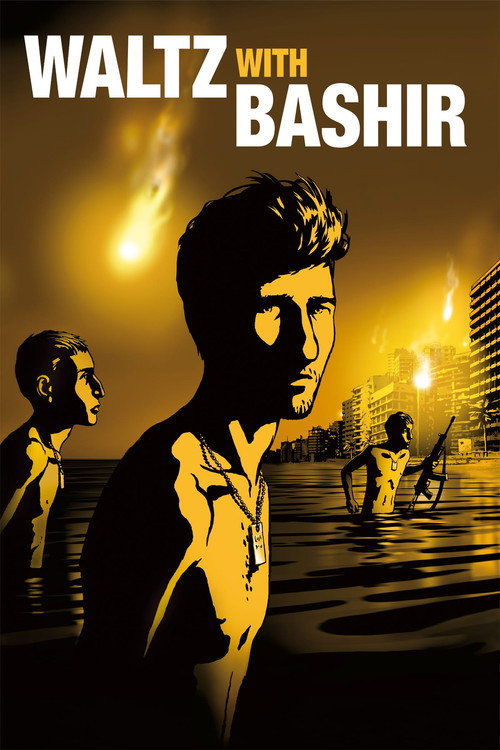
Waltz with Bashir2008
Where The Cave insists on unmediated footage as proof, Waltz with Bashir chooses cartoon imagery to reach a truth memory can't hold steady — both wrestling with how war should even be shown.
An Israeli filmmaker animates his own fractured memories of the 1982 Lebanon war, turning traumatic testimony into rotoscoped dream-logic instead of raw footage — a completely different tool aimed at the same target as The Cave.
But Animation distances you from the reality in a way The Cave's handheld camera never lets you escape — some will find that a cop-out.
People
Cast
- Amani BallourHerself
- Salim NamourHimself
Directing
- Feras FayyadDirector
Writing
- Alisar HasanWriter
- Feras FayyadWriter
Production
- Chadi AboAssociate Producer
- Michelle StapletonCo-Producer
- Carolyn BernsteinExecutive Producer
- Matt RennerExecutive Producer
- Ryan HarringtonExecutive Producer
- Kirstine BarfodProducer
- Sigrid DyekjærProducer
Recommended by
The Rescue, For Sama, The White Helmets, 20 Days in Mariupol