
Film
Into the Inferno
Werner Herzog's expedition into active volcanoes is part scientific inquiry, part spiritual reckoning. He moves between volcanic geology and indigenous beliefs with restless curiosity, finding profound questions in molten rock. It's hypnotic and strange—Herzog asking a volcanologist about death while standing near flowing lava. For viewers who want documentaries that think sideways.
Should you watch it?
Watch it if you love documentaries driven by a restless, philosophical narrator who wanders off to ask odd questions, and you're happy to let a camera crew's footage of molten rock and remote villages carry the weight of an idea.
Skip it if you want a tightly structured science lesson; this one drifts between volcanologists, village rituals and fossil hunting, and its digressions can feel like a loose thread rather than a path.
What it asks of you: About an hour and three-quarters of patient attention, with long stretches of watching and listening rather than being told things; it is unhurried, sometimes meditative, and shifts moods without much warning.
Not sure? Find tonight's pick in a minute.
If you liked this
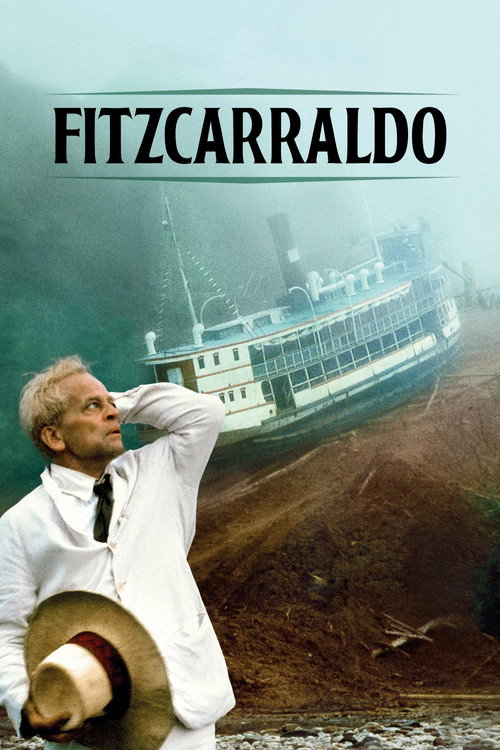
Fitzcarraldo1982
Herzog's obsessive masterpiece about a man dragging a steamship over a mountain. It's dangerous, visionary, and makes you question why anyone does anything. A perfect introduction to his particular madness.
But Slow, demanding, and genuinely unsettling. At 158 minutes, it requires patience and a tolerance for discomfort.
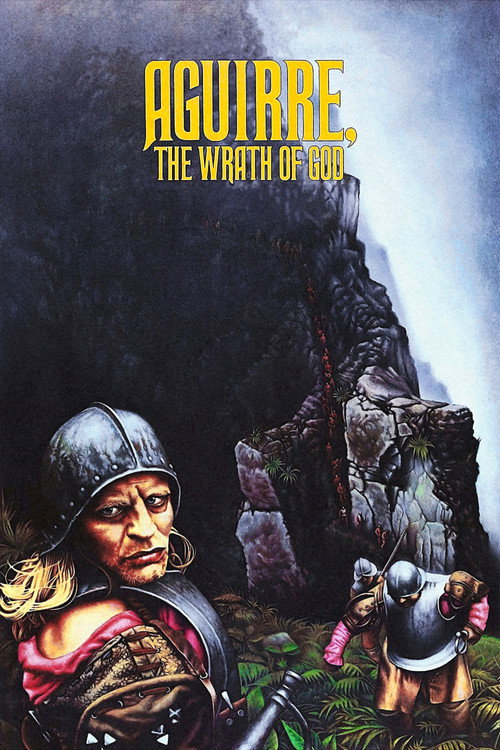
Aguirre, the Wrath of God1972
Herzog's breakthrough: conquistadors searching for El Dorado in the jungle, with Klaus Kinski in a trance-like performance. It's apocalyptic, hypnotic, and you'll feel it for days.
But Very strange, deliberately paced, and not much plot. If you need conventional narrative structure, look elsewhere.
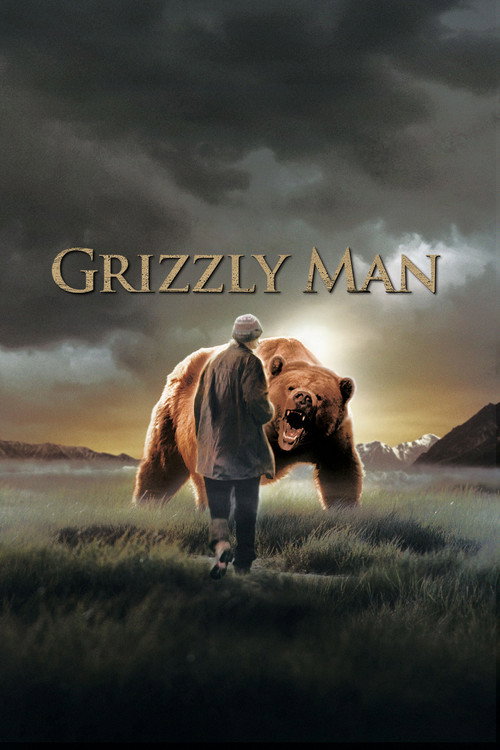
Grizzly Man2005
Herzog examines a man who lived among bears and was killed by one. It's part elegy, part interrogation of why we're drawn to the wild. Deeply humane without being sentimental.
But The footage of his death exists; Herzog includes audio. It's not gratuitous, but it's heavy, and not everyone wants to sit with that.
Not sure tonight? Get a pick in a minute, starting from Into the Inferno
The wildcard
Something you would not have found on your own.
Häxan1922
Both are Herzog-adjacent meditations on human belief systems. Häxan asks how societies create meaning from fear; Herzog asks how belief survives in the face of geological indifference. Both sit on the border between inquiry and wonder.
A Swedish filmmaker documents witchcraft through history, demonology, and performance. Shot in 1922, it feels like a fever dream—part educational film, part horror, part philosophy. Herzog clearly saw this as ancestral.
But Silent film with intertitles and a sometimes muddled structure. Very strange by any era's standards, and the pacing tests modern attention spans.

More like this (8)
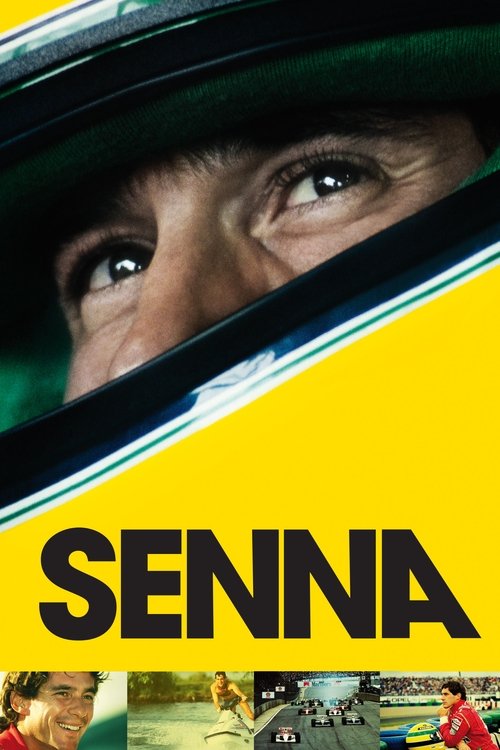
Senna2010
Asif Kapadia's portrait of the racing driver is a masterclass in documentary structure. Pure narrative momentum built from archival footage and interviews. Thrilling even if you don't care about F1.
But It's very focused on one life. If you need broader context about racing or Brazil, you won't find much of it here.
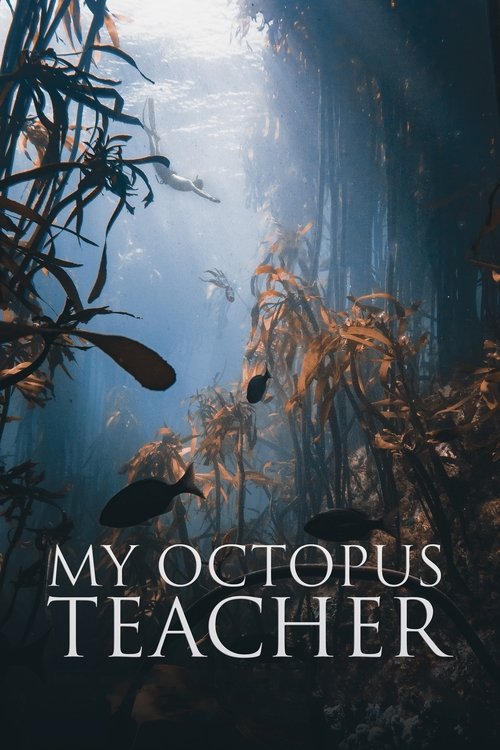
My Octopus Teacher2020
A filmmaker forms a relationship with an octopus over a year. Meditative, gorgeous, surprisingly moving. It's about curiosity and attention in a way that mirrors Herzog's work.
But If you're cynical about man-and-nature narratives, the sincerity might feel naive. It's gentle when some prefer their documentaries sharp.
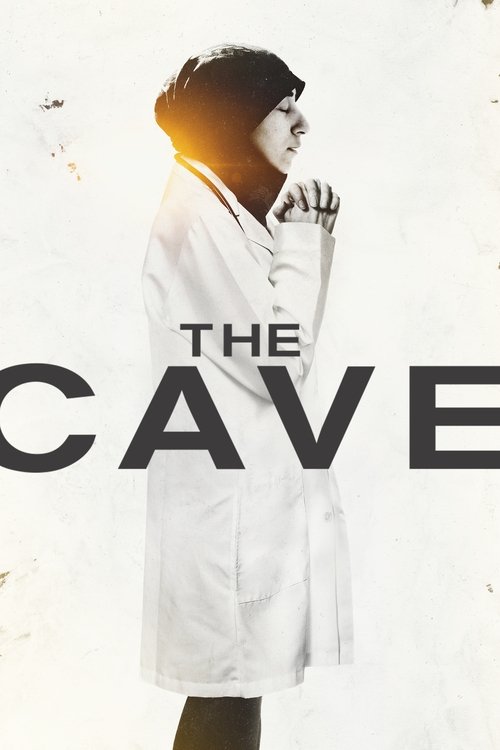
The Cave2019
Syrian rescue workers attempting to save people trapped in caves during the war. Stunning cinematography and extraordinary human courage. Urgent and necessary.
But Harrowing and often difficult to watch. The suffering is real and present. Heavy emotional weight throughout.
The True Cost2015
Documentary tracing the fashion industry's human cost. Well-made, accessible, genuinely angry without being preachy. Changes how you think about clothes.
But Sometimes simplifies complex economics. Feels like an advocacy film more than an investigation, which some find reductive.

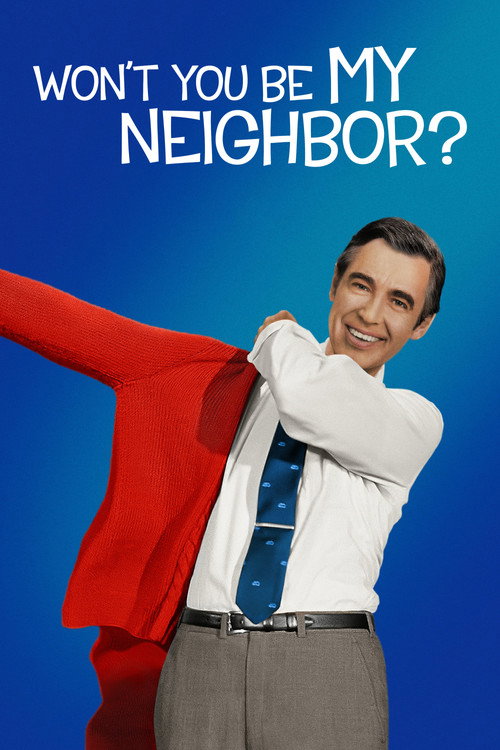
Won't You Be My Neighbor?2018
Documentary about Mr. Rogers that's warm without being saccharine. It asks real questions about kindness and media while celebrating something genuine. Deeply humanizing.
But If you're allergic to earnestness, this will test you. It's unironic in its love for its subject.
The Toys That Made Us2017
Each episode traces a toy's cultural impact with archival footage and interviews. Comforting, nostalgic, and surprisingly substantive about capitalism and play.
But Ultimately promotional. The nostalgia can override critical distance, and it rarely asks uncomfortable questions about marketing to children.

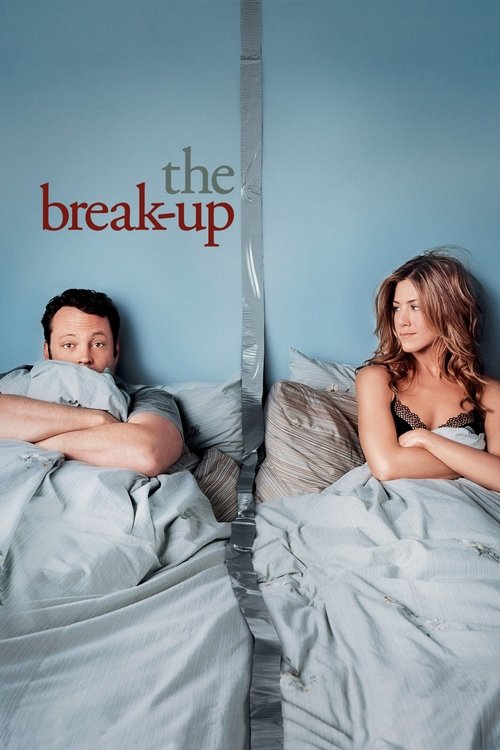
The Break-Up2006
Both films find profound strangeness in earth itself. Into the Inferno sees volcanoes as places where the earth speaks; La Brea sees tar pits the same way—as archives of life and death that predate human meaning-making. Different registers of the same awe.
A documentary about the Brea Tar Pits in Los Angeles—a place where animals fell into tar and died, leaving a record of Ice Age life. Paleontologists puzzle over remains; the film is quietly contemplative about death and time.
But Extremely slow and niche. If you're not interested in paleontology or geological time, it will feel like watching paint dry. Very little narrative momentum.
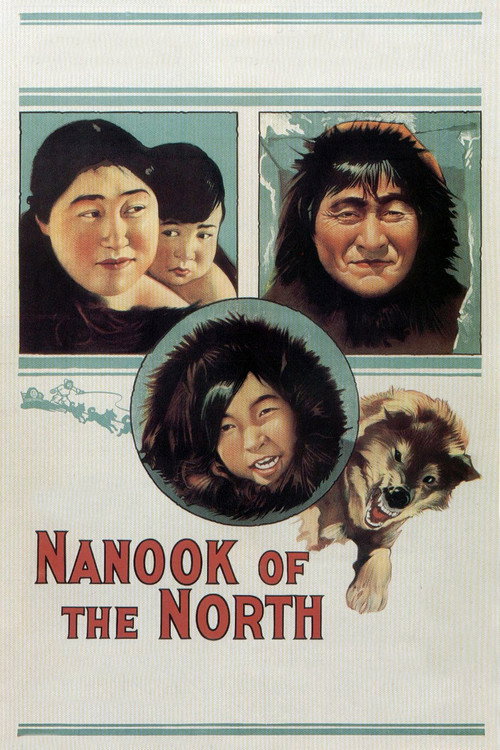
Nanook of the North1922
Both Herzog and Flaherty center indigenous perspectives without patronizing them. Into the Inferno listens to Endu Village's spiritual relationship with Mount Nyiragongo; Nanook centers Inuit expertise and survival. Both filmmakers trust their subjects' intelligence and interiority.
Robert Flaherty's 1922 film of Inuit life is cinema's first feature documentary. It's patient, attentive, and treats indigenous knowledge as wisdom rather than exotic detail. Foundational and still moving.
But Shot in 1922 with limitations that show. Some sequences are staged or reconstructed. If you need total documentary purity, the ethics get complicated.
People
Cast
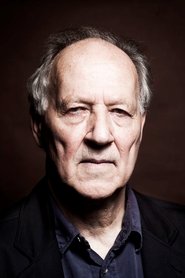 Werner HerzogSelf
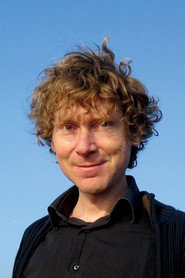 Clive OppenheimerSelf - Volcanologist
- Mael MosesSelf - Chief, Endu Village
- Sri SumartiSelf - Volcanologist
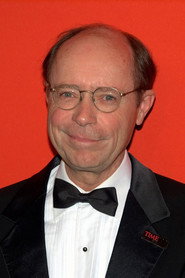 Tim D. WhiteSelf - Paleoanthropologist
- Kampiro KayrentoSelf - Fossil Hunter
- Yonatan SahleSelf - Archaeologist
- Isaac WanSelf - Chief, Lamakara Village
- Moli IsaacSelf - Son of Chief Isaac
Directing
- Werner HerzogDirector
Writing
- Clive OppenheimerBook
- Werner HerzogWriter
Production
- Adam Del DeoExecutive Producer
- Jason Spingarn-KoffExecutive Producer
- Lisa NishimuraExecutive Producer
- Richard MelmanExecutive Producer
- Vanessa DylynExecutive Producer
- André SingerProducer
- Lucki StipetićProducer