
Film
Five Broken Cameras
Five Broken Cameras is a first-person record of a decade under occupation, told through the five cameras a Bil'in farmer wore out documenting it. Each dies violently — shot, smashed, run over — and each death marks an escalation. It's intimate rather than polemical: home movies of a son growing up beside village protest, funerals, and a wall rising next door. Essential, hard to watch, unforgettable.
If you liked this
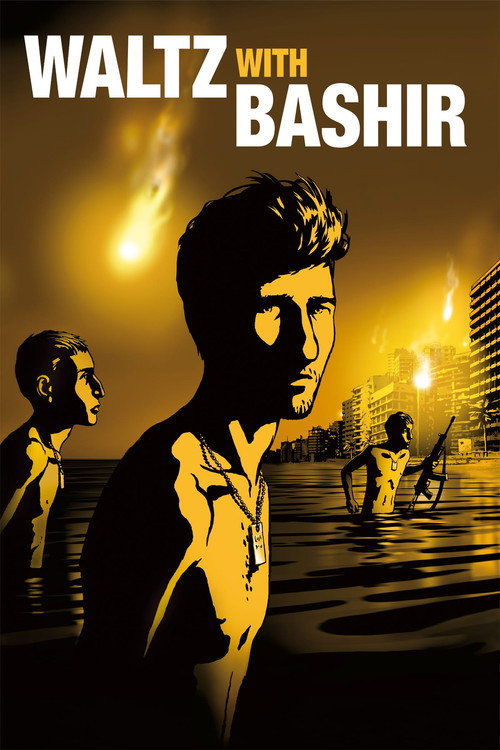
Waltz with Bashir2008
An animated memoir of an Israeli soldier's fractured memories of the 1982 Lebanon war, urgent and dreamlike — proof that animation can carry the weight of real atrocity as forcefully as any footage.
But Animation as a vehicle for war memory can feel oddly distancing if you're after unmediated documentary footage.
The Gatekeepers2012no page yet
Six former heads of Israel's Shin Bet speak with startling candour about the machinery of occupation from the inside — the perfect institutional counterpoint to Burnat's view from the ground.
But A talking-heads format that's analytical and dry compared to Cameras' visceral, lived-in footage.
Budrus2010no page yet
The village next door, the same nonviolent tactics, the same wall going up — this is the closest sibling to Five Broken Cameras, galvanising in its own right, with a fierce teenage girl at its centre.
But Covers such similar ground that watching it right after Cameras can feel like repetition rather than expansion.
The wildcard
Something you would not have found on your own.
This Is Not a Film2011no page yet
Where Burnat's cameras survive bullets to keep recording, Panahi's camera is the last tool left to a man stripped of every other right — filming itself as resistance, shrunk down to one room.
Banned from filmmaking, Jafar Panahi documents a single day of house arrest on an iPhone, turning the camera itself into an act of defiance against a state that wants him silent.
But Almost nothing happens by design — a claustrophobic, talky experiment rather than a document of visible conflict.
More like this (8)
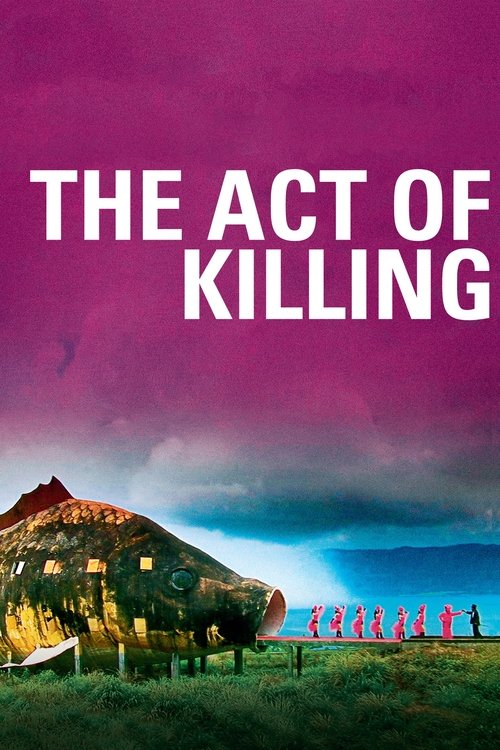
The Act of Killing2012
Indonesian death-squad leaders reenact their killings for the camera, an act of documentary so audacious it redefines what nonfiction film can do with memory, guilt and complicity.
But Deliberately queasy and confrontational — some viewers find its style closer to exploitation than illumination.
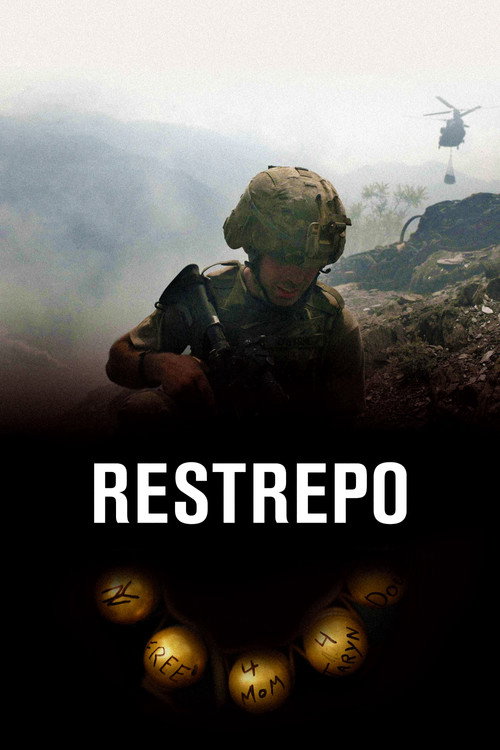
Restrepo2010
Embedded with US soldiers in Afghanistan's deadliest valley, this is what war footage looks like with no narration and no politics — just fear, tedium and sudden violence, shot from inside it.
But Its strictly apolitical framing means almost no context on why the war is happening at all.
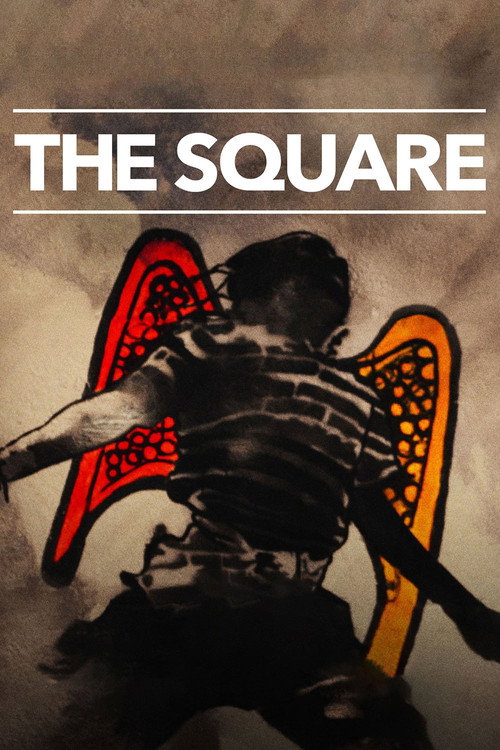
The Square2013
Shot on the ground through years of Egypt's revolution, it captures the same thing Cameras does — ordinary people filming history as it breaks over them in real time.
But The chaos and pace of revolution on screen can be as exhausting to sit through as it is exhilarating.
Promises2001no page yet
Israeli and Palestinian children talk to each other and to the camera with a candour adults have long since lost, offering a gentler, more hopeful lens on the same conflict.
But Its warmer, more generous tone is a world away from Cameras' escalating dread and violence.
Omar2013no page yet
A tense fictional thriller about a young Palestinian caught between resistance and betrayal, giving dramatic shape to the same checkpoints and impossible choices Burnat filmed as fact.
But As fiction it trades documentary's raw authenticity for genre plotting and a romantic subplot.
Fire at Sea2016
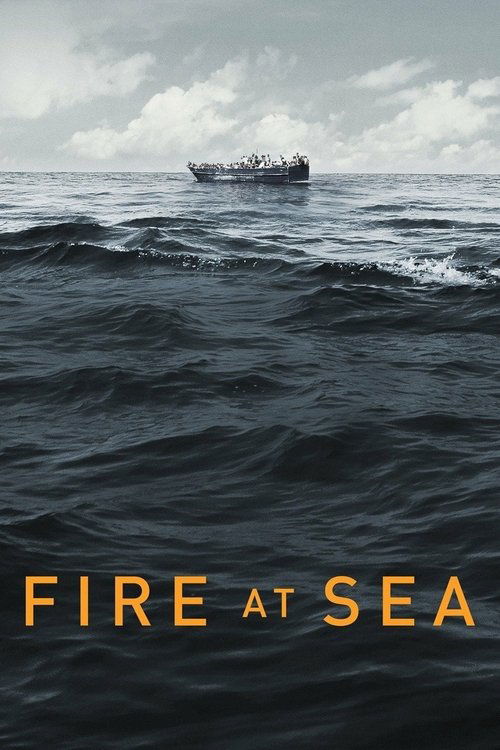
A different crisis, the same patient camera: this Lampedusa migration documentary finds the same unbearable ordinariness of daily life lived alongside catastrophe just offshore.
But Slow and observational, largely free of the direct confrontation that drives Cameras forward.
The Battle of Chile: Part I1975
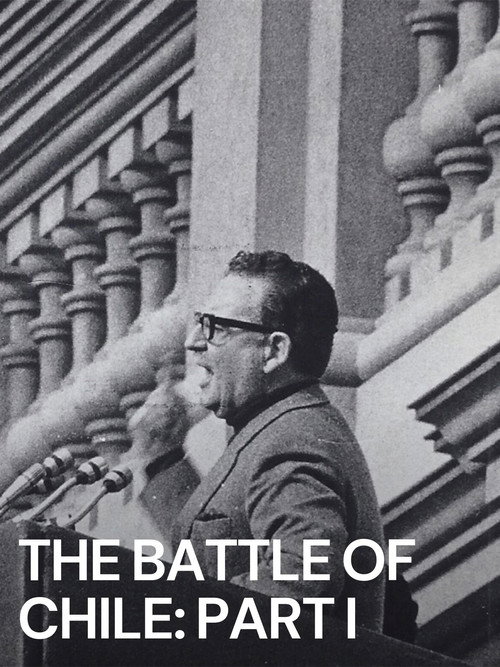
Both are first-person cameras present at the exact moment a mass movement meets state violence, and both directors risked the footage itself, and their own safety, to get the story out.
Patricio Guzmán filmed Chile's collapse into coup and dictatorship as it happened, smuggling the footage out of the country to finish it abroad — the great-grandparent of embedded political documentary, still terrifying decades on.
But Nearly four and a half hours across three parts, in Spanish, with little concession to viewers unfamiliar with Chilean politics.
Capturing the Friedmans2003
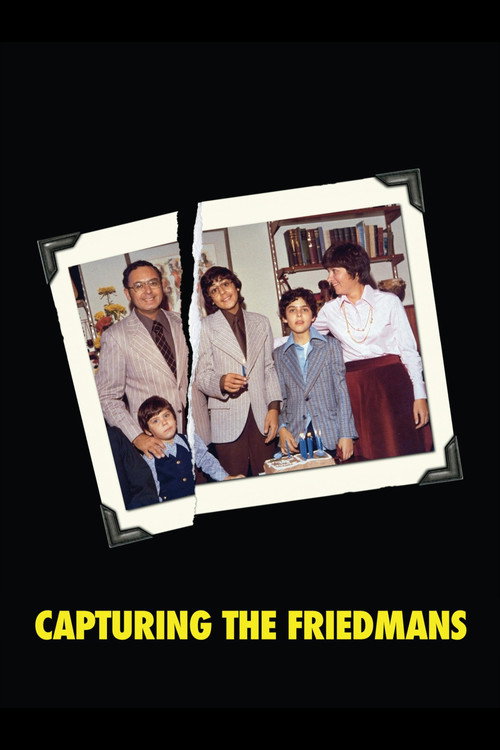
Same structural trick as Cameras: years of unpolished home footage, shot by an insider who never meant it as evidence, becomes the only honest record of a world falling apart.
A family's own home movies, shot obsessively over years, become the evidence in a documentary about accusation, denial and collapse — proof that amateur footage can hold more truth than any official record.
But No war, no occupation — this is a domestic scandal, and the crime at its centre is upsetting in a wholly different, more private way.
People
Cast
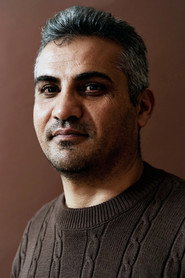 Emad BurnatHimself (Narrator)
- Soraya BurnatHerself (Emad's wife)
- Gibreel BurnatHimself (Emad's 4th son)
- Mohammed BurnatHimself (Emad's 1st son)
- Yasin BurnatHimself (Emad's 2nd son)
- Taki-Ydin BurnatHimself (Emad's 3rd son)
- Muhammad BurnatHimself (Emad's Father)
- Intisar BurnatHerself (Emad's mother)
- Bassem Abu-Rahma "Phil"Himself (Emad's friend)
- Adeeb Abu-RahmaHimself (Emad's friend)
- Ashraf Abu-Rahma "Daba"Himself (Emad's friend)
- Eyad BurnatHimself (Emad's brother)
Directing
- Emad BurnatDirector
- Guy DavidiDirector
Writing
- Emad BurnatWriter
- Guy DavidiWriter
Production
- Laurence FavreauHead of Production
- Christine CamdessusProducer
- Emad BurnatProducer
- Guy DavidiProducer
- Serge GordeyProducer
- Virginie SarazinProduction Manager
Recommended by
The Cave, Winter on Fire: Ukraine's Fight for Freedom, The Square, The Silence of Others, The White Helmets, Last Men in Aleppo