
Film
Bobby Sands: 66 Days
- Biopic
- Very dark
A documentary about Bobby Sands' 1981 hunger strike in the Maze Prison, using archival footage, reconstructions, and his own diary to chronicle 66 days that transformed Irish republicanism and international perception of the conflict. Intimate and historically essential, it treats its subject with gravity without didacticism, letting the weight of events speak.
Should you watch it?
Watch it if you want history told through a patchwork of archive footage, reconstructions and a prisoner's own diary, and you're happy to let a single voice carry the weight of a whole conflict.
Skip it if you're after a neutral overview of the Troubles, since this leans hard on Sands's own perspective and the recollections of those who shared his cause.
What it asks of you: Patience for a slow, sombre rhythm across under two hours of talking heads, grainy archive and a diary read aloud, with little relief from the weight of it.
Not sure? Find tonight's pick in a minute.
If you liked this
The Battle of Algiers1966
Gillo Pontecorvo's masterwork about anti-colonial struggle uses documentary-like realism to show how ordinary people become revolutionaries. It shares Sands' interest in how conviction survives impossible circumstances.
But It's formally demanding and has an austere, analytical tone that keeps emotional distance. Some find the black-and-white cinematography and 1960s pacing slow.

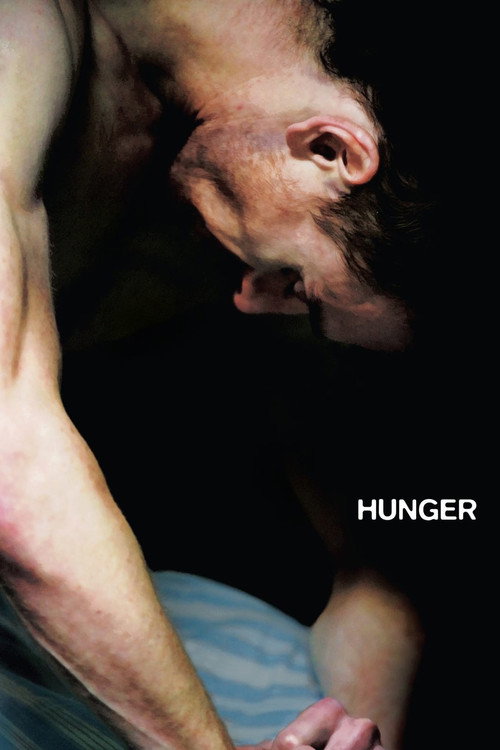
Hunger2008
Steve McQueen's film about Sands' strike is visually stunning and psychologically brutal. If you want to see the subject rendered in pure cinema, this is the definitive artistic statement.
But It's deliberately difficult to watch—long static shots, minimal dialogue, and an unflinching look at bodily deterioration. Not a conventional narrative.
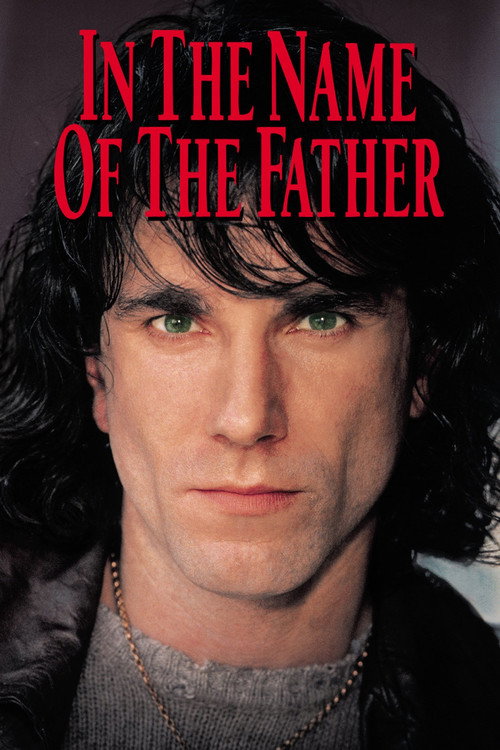
In the Name of the Father1993
Jim Sheridan's drama about the Guildford Four wrongly imprisoned for IRA bombings captures the same era and moral fury. It's more accessible than Hunger but equally angry about justice and identity.
But It simplifies some complexities and occasionally leans into courtroom drama conventions. The emotional beats are sometimes telegraphed.
Not sure tonight? Get a pick in a minute, starting from Bobby Sands: 66 Days
The wildcard
Something you would not have found on your own.
Come and See1985
Both refuse to abstract their subject into rhetoric. Both show conviction and sacrifice at the moment it becomes irreversible, with no comfort offered.
Elem Klimov's Soviet war film is a masterpiece about how ideology destroys innocence. It approaches the cost of political conviction through a different historical trauma, but with the same unflinching intensity about how systems consume individuals.
But It is genuinely difficult to finish—visceral, relentless, and designed to traumatize. The violence isn't political analysis; it's harrowing cinema.

More like this (7)
Bloody Sunday2002
Paul Greengrass reconstructs the 1972 massacre in Derry with forensic precision and intimate human detail. Essential context for understanding the desperation that led to Sands' protest.
But It's a procedural reconstruction, which can feel clinical even when depicting violence. Some viewers find the approach dry despite the subject matter.
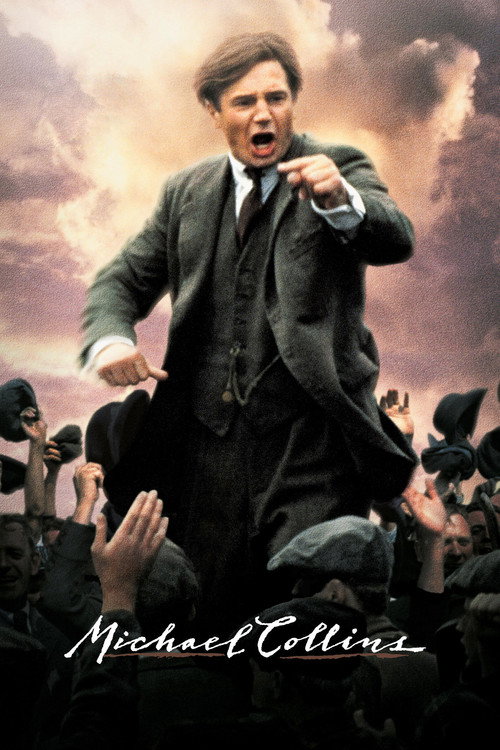
Michael Collins1996
Neil Jordan's epic biography shows the Irish independence struggle that Sands saw himself continuing. The film captures how historical myth shapes contemporary politics.
But It's a big, sometimes melodramatic biopic that takes liberties with history. The romance subplot feels obligatory and softens the harder edges.
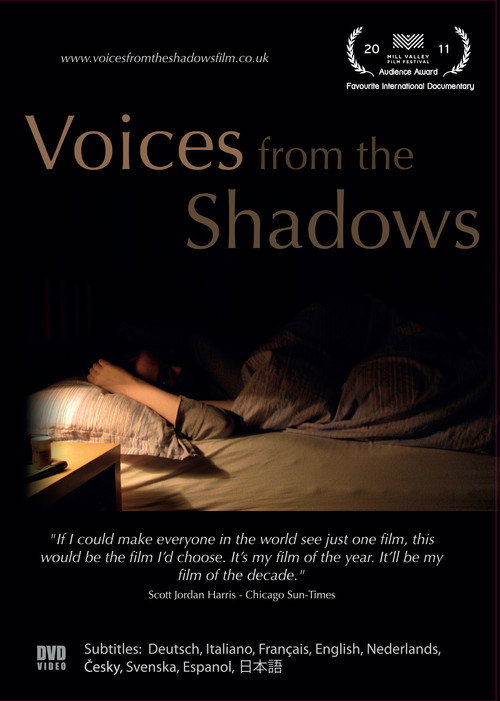
Voices from the Shadows
This documentary about disability activism and Irish history overlaps thematically with Sands' documentary—both examine how bodies become political statements and how institutions silence dissent.
But It's more niche and less polished than Sands' film. The connection requires some patience to perceive.
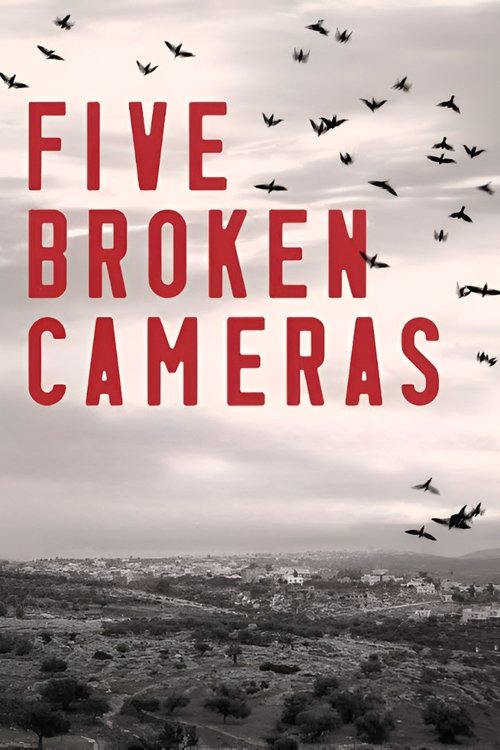
Five Broken Cameras2011
A Palestinian filmmaker documents resistance to occupation over five years. It offers a direct parallel to Sands' story—political struggle, prison, loss, and how documentary itself becomes an act of witness.
But It's emotionally harrowing and the aesthetic is deliberately rough. Some viewers find the handheld style distracting.
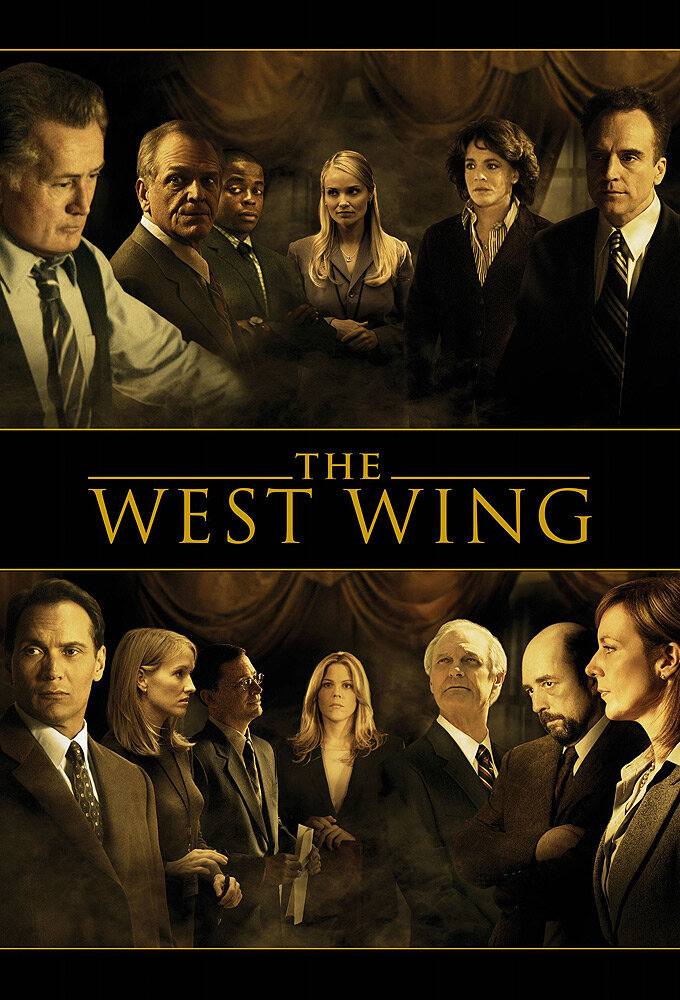
The West Wing1999
For viewers who found the political machinery interesting in Sands' film, this explores how power actually operates in democratic institutions. It shows what Sands was excluded from.
But It's essentially propaganda for institutional politics dressed as drama. If you're watching Sands, you may find its optimism about systems naïve or offensive.
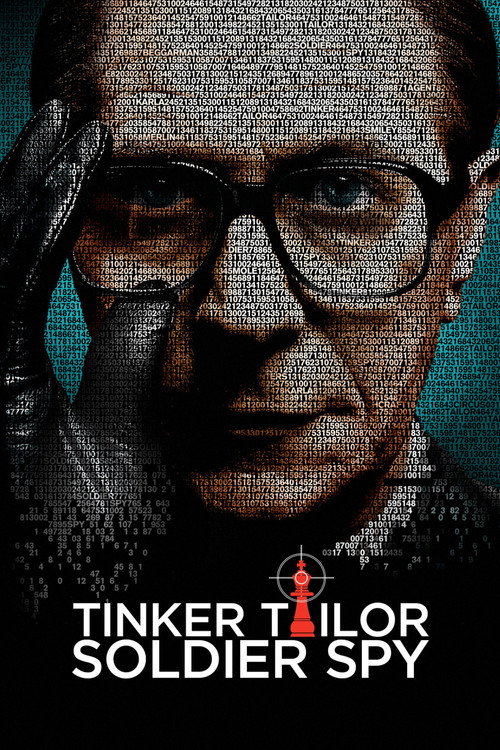
Tinker Tailor Soldier Spy2011
Tomas Alfredson's Cold War espionage film shares the era and a fascination with how belief systems collide with individual conscience. Both ask what conviction costs.
But It's oblique, slow, and often cryptic. Viewers expecting clarity or conventional narrative momentum will find it frustrating.
The Act of Killing2012
Both examine how individuals become historical figures through violence. Both refuse easy narrative about victims and villains, instead asking how humans justify the unjustifiable.
Joshua Oppenheimer lets Indonesian death squad leaders reconstruct and justify their atrocities. It's about how conviction and violence intertwine, and what happens when perpetrators face their own mythology. Radically different perspective, same moral seriousness.
But It's morally vertiginous and can feel complicit with evil by giving it screen time. Watching perpetrators perform is unsettling in ways that may feel wrong rather than educational.

People
Cast
 Martin McCannBobby Sands (voice)
- Gerry AdamsSelf
 Norman TebbitSelf
- Seán DonlonSelf
- Raymond McCordSelf
- Danny DevennySelf
 Fintan O'TooleSelf
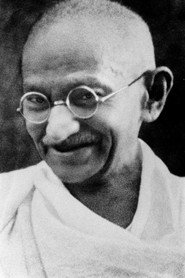 Mahatma GandhiSelf (archive footage)
Directing
- Brendan J. ByrneDirector