
Film
Voices from the Shadows
- Very dark
Voices from the Shadows documents the reality of ME (myalgic encephalomyelitis) through the eyes of five patients and their carers, alongside medical experts. Shot between 2009 and 2011 by a patient's family members, it's a careful, unflinching look at how misdiagnosis and inappropriate treatment devastate lives. Essential viewing for anyone affected by ME, and urgent for those in healthcare who need to understand what they're missing.
If you liked this
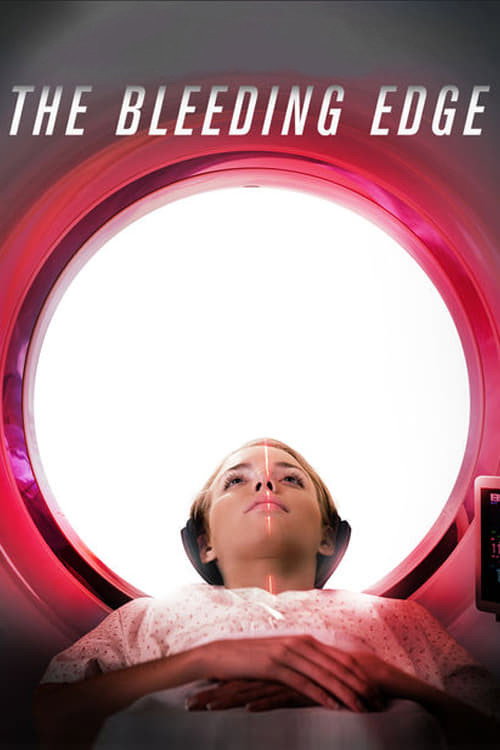
The Bleeding Edge2018
Investigative documentary about a surgical device approved despite safety concerns, showing how bureaucracy and profit incentives endanger patients. Sharp, methodical, and deeply angry in the right way.
But Medical documentaries can feel repetitive if you've seen similar investigations. This one moves quickly, but doesn't linger on character the way some prefer.
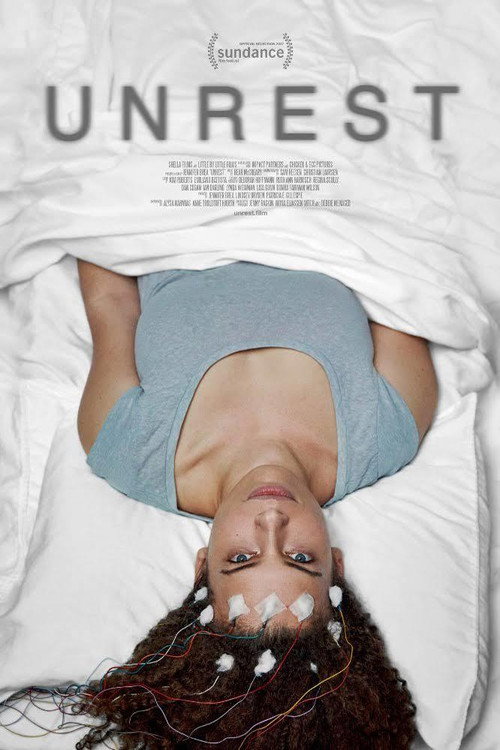
Unrest2017
An ME patient filmmaker documents her own declining health with unflinching honesty and visual creativity. Lyrical and devastating, it does what autobiography can do that clinical footage cannot.
But Watching someone's deterioration is genuinely hard. The beauty of the filmmaking makes it more affecting, not easier.
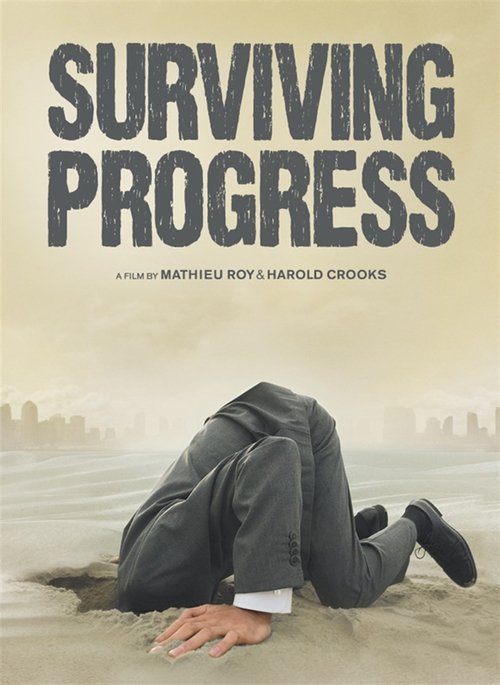
Surviving Progress2011
Broader documentary questioning whether modern progress always serves human welfare. Shares Voices' skepticism toward institutional narratives and expert consensus built on shaky ground.
But Covers a lot of ground—climate, finance, technology—so ME isn't the focus. Requires patience with larger themes.
Not sure tonight? Get a pick in a minute, starting from Voices from the Shadows
The wildcard
Something you would not have found on your own.
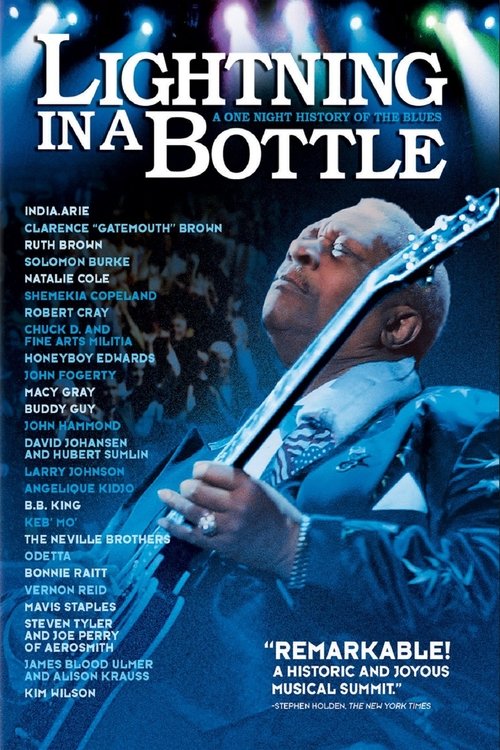
Lightning in a Bottle2004
Directly addresses the false choice between 'physical' and 'psychological' illness that ME patients are trapped in. Science itself proves the categories are broken, but institutions haven't caught up.
A neuroscientist's TED talk documentary about placebo and nocebo effects—how belief shapes biology. If you've felt gaslit about whether ME is 'real,' this explores the actual science of why mind-body isn't a dichotomy.
But Very short format (under 20 minutes), more explanatory than investigative. Might feel too optimistic about medical institutions after watching Voices.
More like this (3)
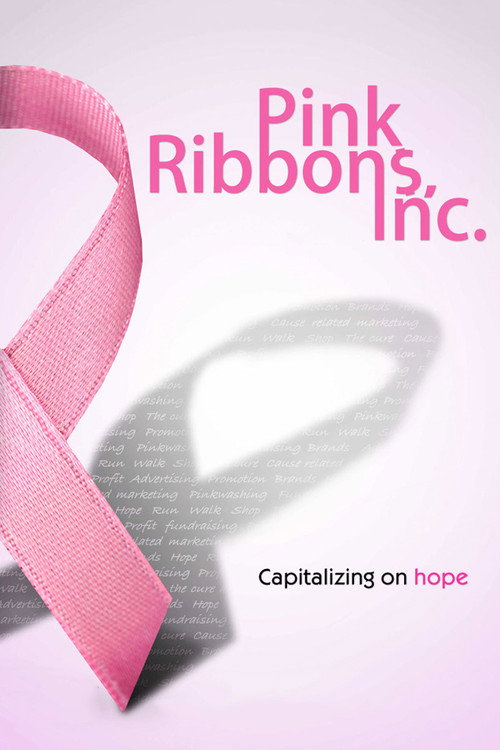
Pink Ribbons, Inc.2011
Examines how illness gets marketed and misunderstood by institutions claiming to help. Same era, same critique of how medicine's authority can obscure patient reality.
But Cancer focus means the specific details won't map directly. Some activism documentaries can feel preachy.
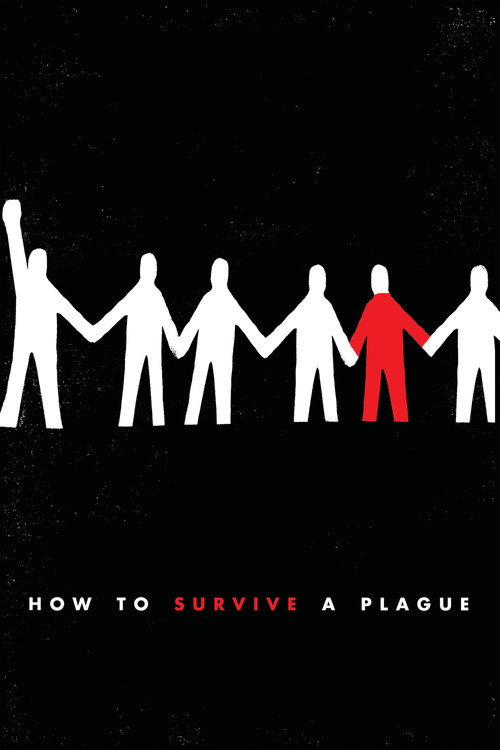
How to Survive a Plague2012
AIDS activists fighting an indifferent establishment that denies their suffering. The historical parallel is stark: marginalized patients forced to become their own experts while institutions dismiss them.
But Different illness, different era, so the specifics won't help ME patients directly. Heavy subject matter handled with rage rather than gentleness.
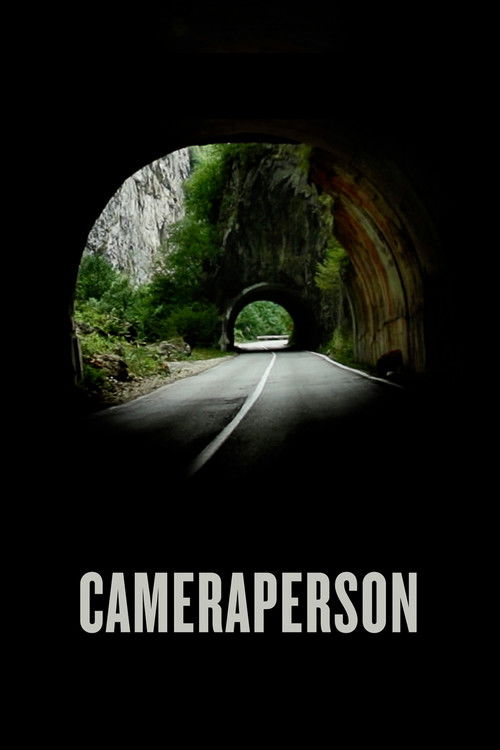
Cameraperson2016
Like Voices, made by someone with skin in the game (Johnson's mother dying as the film unfolds). But where Voices argues a case, Cameraperson asks whether witnessing itself is enough, and what we owe to those we film. Both are about the ethics of seeing someone in pain.
Documentary cinematographer Kirsten Johnson pieces together fragments from her own footage—war, birth, illness, beauty—to ask what it means to witness suffering. Formally experimental, deeply human, refuses simple answers.
But Abstract and meditative rather than investigative. No narrative to grab. Some will find it too indirect when directness is required.
People
Directing
- Josh BiggsDirector
- Natalie BoultonDirector