
Film
Unrest
Unrest documents ME/CFS, a devastating neurological illness that leaves sufferers bedridden and largely disbelieved by medicine. Filmmaker Jennifer Brea traces her own sudden collapse and combines patient testimony with animation and archival material to interrogate why a disease affecting millions remains invisible to science. It's urgent, intimate, and angry in the way necessary truths often are.
Should you watch it?
Watch it if you want a patient, intimate look at chronic illness told through people who film their own lives from bed, and you don't mind a documentary that argues hard for its cause.
Skip it if you want a brisk medical explainer or a film at arm's length from its subjects; this one stays close, and its anger rarely lets up.
What it asks of you: Ninety-seven minutes, much of it in bedrooms and on screens, with long stillness that mirrors its subjects' days.
Not sure? Find tonight's pick in a minute.
If you liked this
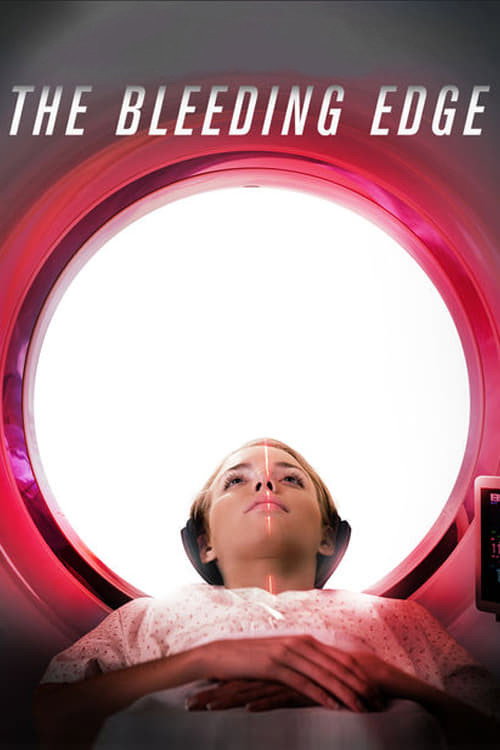
The Bleeding Edge2018
Investigates how medical devices reach patients with minimal safety testing, following families harmed by products approved by regulators. Shares Unrest's fury at institutional failure and the human cost of negligence dressed up as procedure.
But The specificity to orthopedic and pelvic mesh devices may feel narrow if you're expecting broader medical critique; it's more technical brief than sweeping argument.
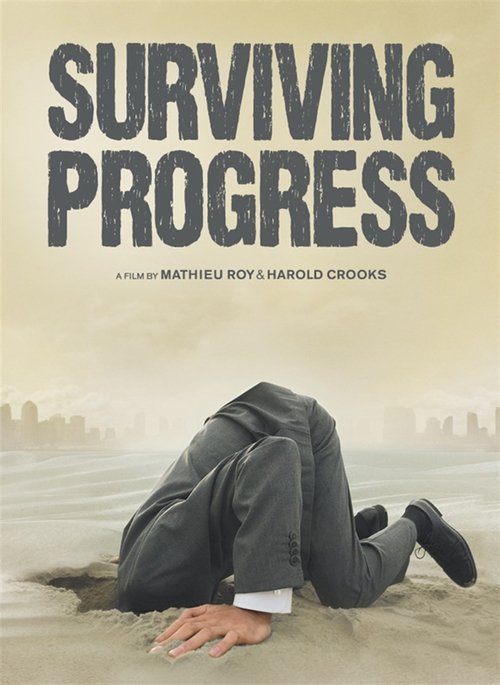
Surviving Progress2011
Examines how the belief in progress blinds us to systemic harm, with particular focus on how societies rationalize suffering. The philosophical scope complements Unrest's investigation of why medicine abandons patients it cannot quickly categorize.
But More essay-film than narrative; it moves between ideas and interviews rather than following characters, which can feel detached if you want emotional throughline.
Ask Dr. Ruth2019
A portrait of an outsider who challenged medical and social orthodoxy through sheer refusal to shut up. Ruth Westheimer's story mirrors Brea's: demanding visibility for what authorities preferred invisible, using media as witness.
But The tone is considerably lighter and more celebratory; it won't carry the same weight of suffering or institutional anger.

Not sure tonight? Get a pick in a minute, starting from Unrest
The wildcard
Something you would not have found on your own.
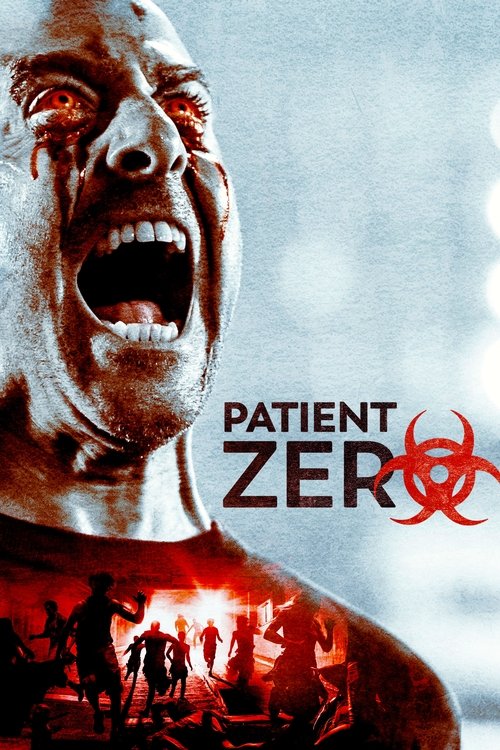
Patient Zero2018
Both trace how disease becomes invisible through medical and social denial, and how the people suffering must document their own reality because institutions won't.
Five-part series about the early days of AIDS, how it was systematized as a gay disease, and how institutional medicine weaponized ignorance. It's historical, but the mechanisms of denial and bureaucratic negligence are the same machinery Unrest documents happening now.
But It's a historical analysis, not contemporary testimony; the emotional register is more measured and educational than urgent and personal.
More like this (5)
The Pharmacist2020
Follows a Louisiana pharmacist's obsession with corporate and governmental indifference to the opioid crisis. Same blueprint: one person's refusal to accept injustice, documentation as activism, medicine as profit machine.
But It pivots toward true crime in the final episodes in ways that feel both inevitable and slightly sensationalized; the focus blurs.

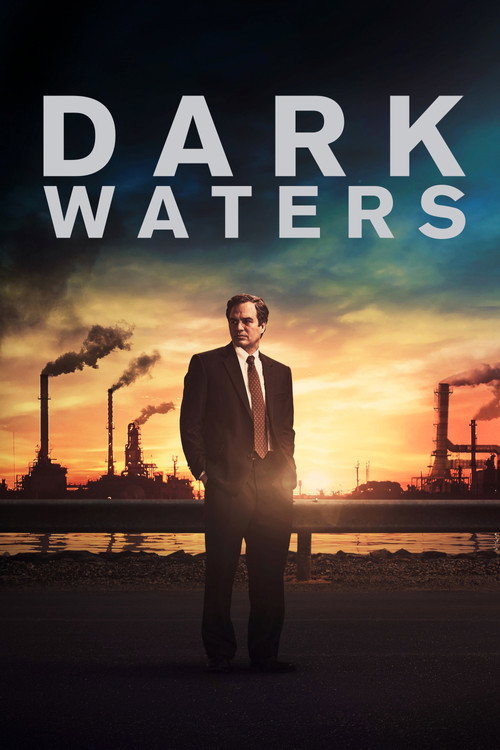
Dark Waters2019
Dramatizes a lawyer's decades-long battle against DuPont's contamination of drinking water and its cover-up. The institutional stonewalling and evidence denial echo Unrest's portrayal of how power protects itself over lives.
But It's a procedural thriller at heart; the righteous anger is there but mediated through court scenes and legal maneuvering rather than lived testimony.
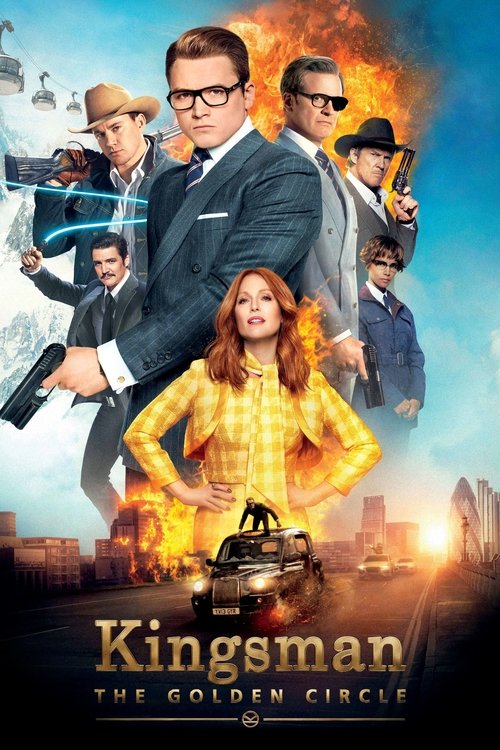
Kingsman: The Golden Circle2017
A poetic documentary about two women with rare diseases navigating medical gaslighting and the search for diagnosis. Smaller scale than Unrest but equally tender about what it costs to be chronically ill and constantly disbelieved.
But Much quieter and more meditative; if you want the fire of Unrest's activism, this is contemplation instead.
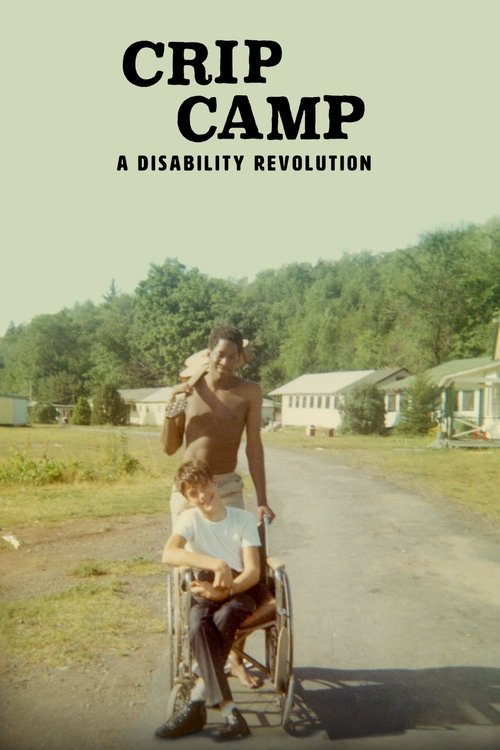
Crip Camp: A Disability Revolution2020
Where Unrest documents what's being forgotten and denied, Crip Camp documents disabled people insisting on their own significance. They're conversations across decades.
About disability activism in the 1970s—how disabled people built community and demanded visibility. Unrest has no optimism; Crip Camp is fired by it. You need to know that resistance and joy are possible, that disabled people have fought this before and won ground.
But It's a film about activism and political history rather than individual suffering; the arc is toward hope, which can feel naive after watching Unrest's fury.
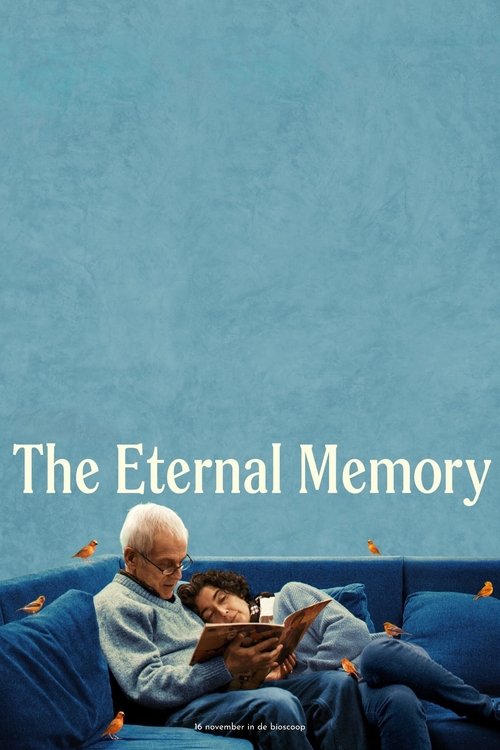
The Eternal Memory2023
Both refuse to look away from bodies that medicine can't cure, and both suggest that documentation—of love, of presence, of reality—is sometimes all we have against erasure.
A Chilean documentary about a poet with dementia and his wife: how to love someone disappearing, how memory and identity dissolve. Formally inventive and devastating. It won't explain or argue—it sits with suffering without needing to fix it or prove it to anyone.
But It's about cognitive decline and loss, not contested illness; the pain is existential rather than systemic, and there's no target for anger.
People
Cast
 Jennifer BreaSelf
- Whitney DafoeSelf
- Samuel BearmanSelf
- Jessica TaylorSelf
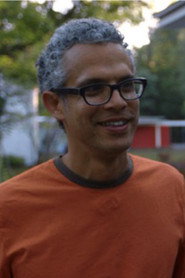 Omar WasowSelf
- Ruby TaylorSelf
- Colin TaylorSelf
- Kate TaylorSelf
- Dr. Nancy KlimasSelf
- Dr. Paul CheneySelf
- Casie JacksonSelf
- Darwin JacksonSelf
Directing
- Jennifer BreaDirector
Writing
- Jennifer BreaWriter
- Kim RobertsWriter
Production
- Alex UsborneAssociate Producer
- Alison BrewerAssociate Producer
- Blake AshmanAssociate Producer
- Els BakkerAssociate Producer
- Emma D. MillerAssociate Producer
- Jason Delane LeeAssociate Producer
- Joanna KernsAssociate Producer
- John TrenzAssociate Producer
- Justin EdgarAssociate Producer
- Laura HessAssociate Producer
- Li LuAssociate Producer
- Sophia KruzAssociate Producer
- Spade RobinsonAssociate Producer
- Yvonne HuffAssociate Producer
- Debbie MenagedCo-Executive Producer
- Jenny RaskinCo-Executive Producer
- Mitch MenagedCo-Executive Producer
- Anne Troldtoft HjorthCo-Producer
- Leslie BerrimanCo-Producer
- Mara SandlerCo-Producer
- Michael ThiesCo-Producer
- Michelle YeeCo-Producer
- Nion McEvoyCo-Producer
- Reid HoffmanCo-Producer
- Kiran ChitanvisConsulting Producer
- Dan CoganExecutive Producer
- Deborah HoffmannExecutive Producer
- Donna Fairman WilsonExecutive Producer
- Ian DarlingExecutive Producer
- Lisa GunnExecutive Producer
- Lynda WeinmanExecutive Producer
- Mona Eliassen-TaliaferroExecutive Producer
- Omar WasowExecutive Producer
- Regina K. ScullyExecutive Producer
- Ruth Ann HarnischExecutive Producer
- Alysa NahmiasProducer
- Jennifer BreaProducer
- Lindsey DrydenProducer
- Patricia E. GillespieProducer
- Elisha GustafsonPublicist
Recommended by
Fixed: The Science/Fiction of Human Enhancement, Procession, Life According to Sam, Private Violence, Voices from the Shadows, My Beautiful Broken Brain, The Janes, After Tiller