
Film
Surviving Progress
A documentary essay on civilizational collapse, anchored by Ronald Wright's thesis that progress itself is a trap. It draws on interviews with neuroscientists, biologists and philosophers to argue that humanity has repeatedly engineered its own decline through seductive technologies and systems. Sobering, visually striking, pitched at viewers ready to sit with hard questions about our future.
Should you watch it?
Watch it if you enjoy big-picture essays where history, ecology and philosophy get braided together, and you don't mind a film that argues its case out loud rather than through characters.
Skip it if you want a tight narrative or a hopeful, rousing ending; this is a talking-heads lecture on civilisation's fragility, and the mood stays sober from start to finish.
What it asks of you: It runs about an hour and a half of seated interviews and archival-style imagery, so it asks you to sit still and follow an argument rather than be carried by plot or pace.
Not sure? Find tonight's pick in a minute.
If you liked this
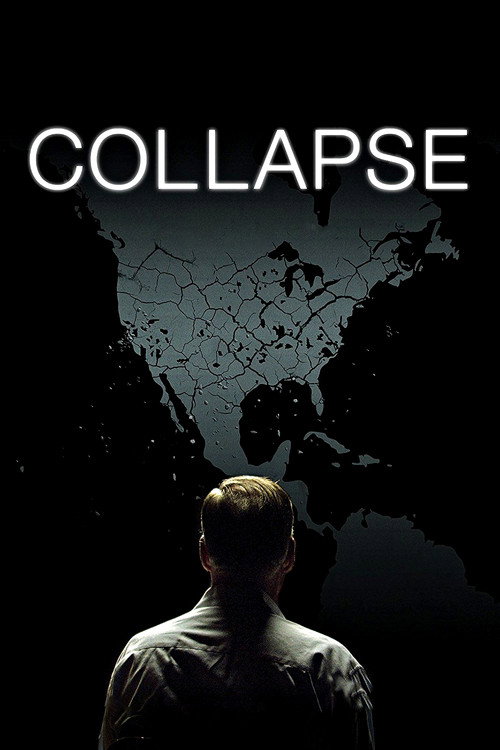
Collapse2009
Jared Diamond traces how societies from Easter Island to the Greenland Norse destroyed themselves through resource mismanagement and short-term thinking. A companion piece that grounds the same argument in concrete historical case studies.
But At nearly two hours, it's a lot of civilizations falling. The pacing is academic and unhurried.
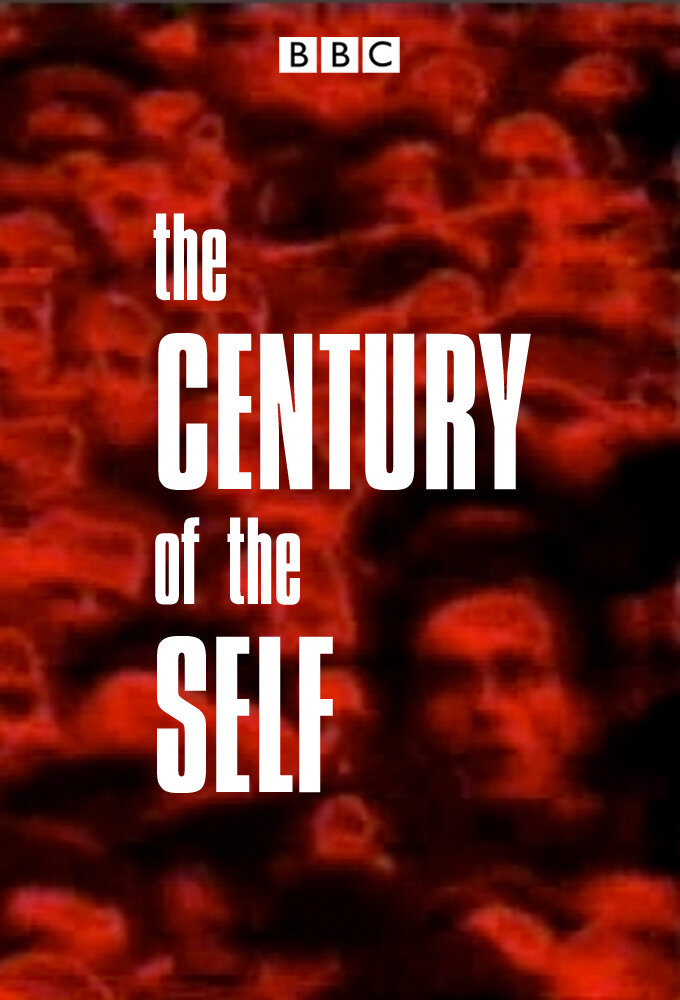
The Century of the Self2002
Adam Curtis's four-part essay on how consumerism and psychology engineered modern desires. If Surviving Progress asks what went wrong, this explains how we got here and who profited from convincing us we need it.
But Curtis's voice-over style is hypnotic but can feel manipulative; the connections he draws are provocative rather than airtight.
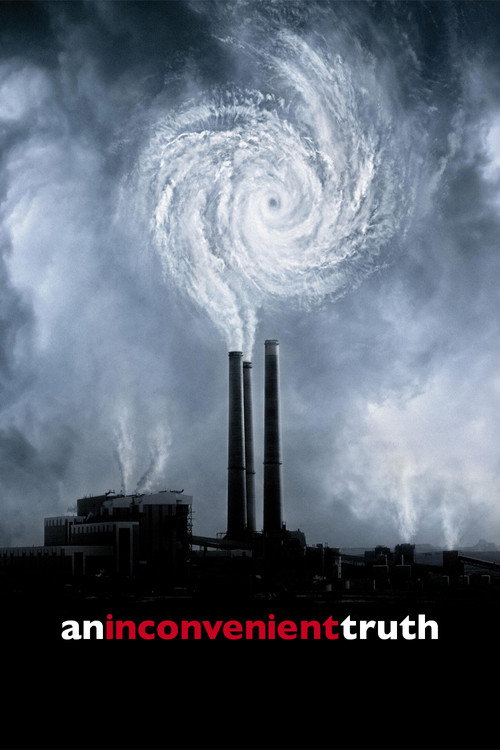
An Inconvenient Truth2006
Al Gore's presentation of climate data as a moral reckoning. Shares Surviving Progress's urgency and its conviction that the system itself is the problem, not individual choices.
But It's become a cultural reference point for 'sincere environmentalism,' which means some will dismiss it before watching. Also somewhat dated in its predictions.
Not sure tonight? Get a pick in a minute, starting from Surviving Progress
The wildcard
Something you would not have found on your own.
Come and See1985
Both ask the question: at what point does the cost of our systems become too high to call it progress? Surviving Progress reasons it out; this film makes you feel it.
Elem Klimov's film about a teenage boy conscripted into a Soviet combat unit is one of cinema's most devastating records of what progress—nationalism, industrialized warfare, civilization itself—actually costs. No interviews, no argument: just witnessing.
But It is extremely graphic and emotionally punishing. Not a film that leaves you feeling heard or comforted. Some sequences are hard to forget in ways you may not want.

More like this (7)
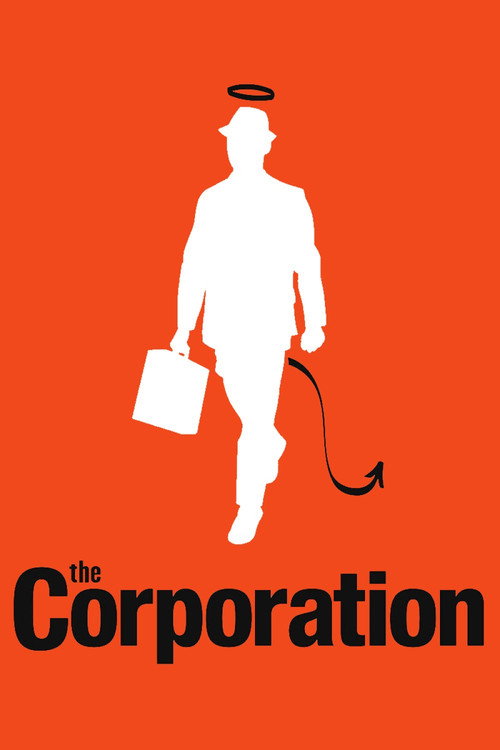
The Corporation2003
A forensic examination of how corporate structures have become legally insulated from accountability, with interviews from Noam Chomsky and others. Directly addresses the power imbalances hinted at in Surviving Progress.
But Nearly two and a half hours; feels like sitting in on a very engaged lecture. The montage style can be repetitive.
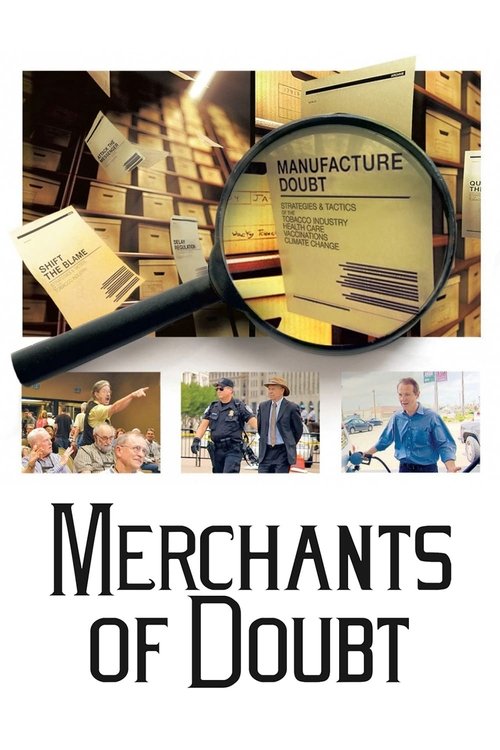
Merchants of Doubt2014
Robert Kenner shows how industries manufacture uncertainty around inconvenient science. A darker answer to how societies ignore warnings—and a mirror to the experts in Surviving Progress who go unheeded.
But It's an anger machine designed to work on you; if you resist being guided to conclusions, the technique shows.
The True Cost2015
A documentary about fast fashion and global supply chains that demonstrates the progress trap in real time—convenience for consumers, devastation everywhere else. Visceral and specific where Surviving Progress is abstract.
But Heavy on guilt; light on solutions. Can feel like watching to feel worse about yourself.

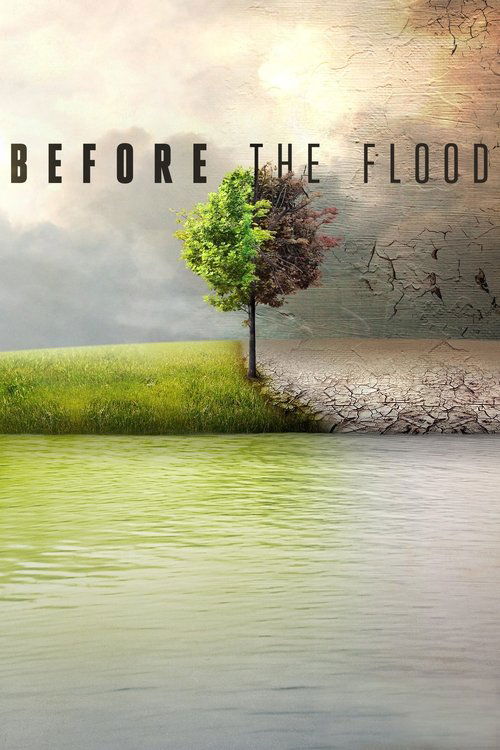
Before the Flood2016
Leonardo DiCaprio's climate investigation combines the urgency of An Inconvenient Truth with conversations across the globe. Asks the same survival question, with contemporary urgency.
But DiCaprio's presence and the film's scope can feel celebrity-driven rather than intellectually rigorous. Slightly more hopeful than the tone here warrants.
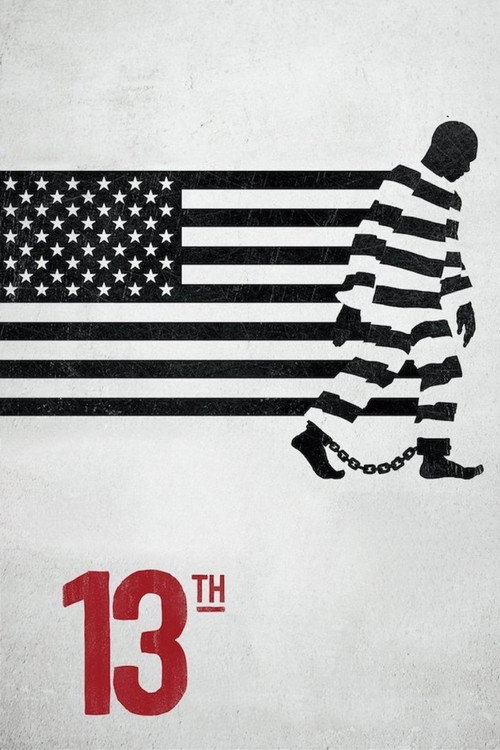
13th2016
Ava DuVernay traces mass incarceration as a progress trap—technology and law presented as solutions that entrenched new forms of control. The argument is surgical and impossible to unsee.
But Understandably angry throughout; structured as an indictment rather than a balanced exploration. Some may find it didactic.
The Trap: What Happened to Our Dream of Freedom2007
While Surviving Progress asks if progress will destroy us, this asks if our concept of freedom has already done so. Philosophical companion piece rather than practical one.
Adam Curtis again, but this time examining how the pursuit of total freedom through markets and individualism has created new forms of control. A three-part series that interrogates the philosophy underpinning the progress trap.
But Curtis can be opaque; his argument coils back on itself. You may finish uncertain what he's actually said. Very long.
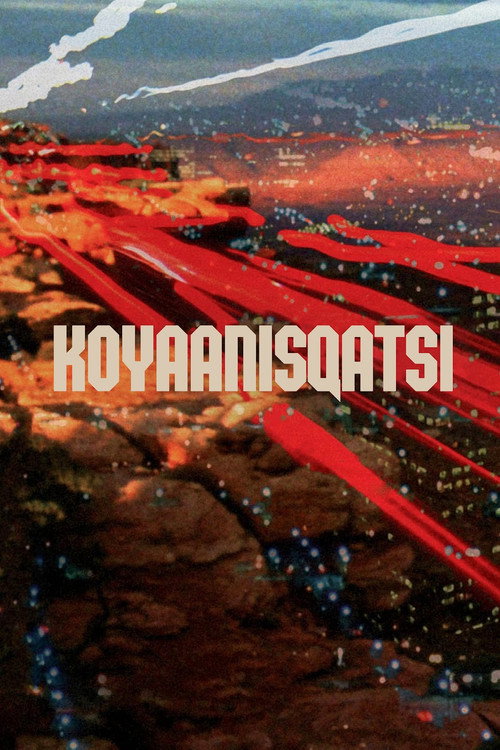
Koyaanisqatsi1983
Surviving Progress builds a case about progress. This film is what progress looks like when you remove the story we tell about it—pure spectacle and rhythm, divorced from intention.
Godfrey Reggio's experimental film of time-lapse and slow-motion imagery—no dialogue, only Philip Glass—shows modern systems and technology as a kind of visual poetry. Hypnotic and strange, it's what happens when you film progress without narrating it.
But No argument, no guidance. You project meaning onto abstraction for 87 minutes. Some will find it pretentious; others will find it simply boring.
People
Cast
 Stephen HawkingSelf
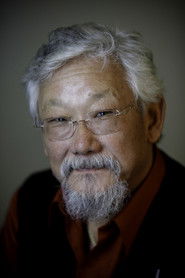 David SuzukiSelf
 Jane GoodallSelf
Directing
- Harold CrooksDirector
- Mathieu RoyDirector
Writing
- Harold CrooksWriter
- Mathieu RoyWriter
Production
- François GirardAssociate Producer
- Betsy CarsonExecutive Producer
- Emma Tillinger KoskoffExecutive Producer
- Mark AchbarExecutive Producer
- Martin ScorseseExecutive Producer
- Daniel LouisProducer
- Denise RobertProducer