
Film
Bloody Sunday
Paul Greengrass's 2002 docudrama reconstructs the 1972 Bogside march in near-real time, using handheld cameras, largely improvised dialogue and non-actors alongside James Nesbitt to make history feel like breaking news rather than costume drama. It's procedural, unglamorous and deliberately short on clean villains or heroes, watching a peaceful protest curdle into thirteen deaths. Bruising, essential viewing for anyone wanting the Troubles from the inside.
If you liked this
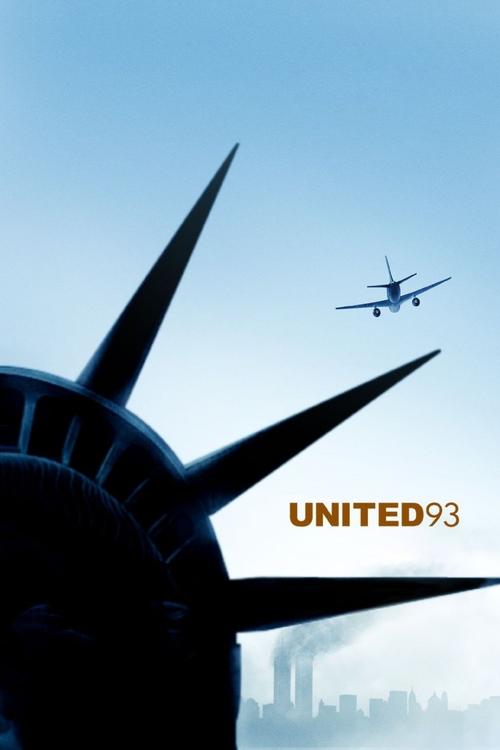
United 932006
Greengrass again turns real-time reconstruction into unbearable suspense, applying the same handheld cameras, non-actors and absence of music to another day ordinary people were swallowed by history. It's his toolkit used on an equally raw wound.
But The tension is relentless and the ending is never in doubt, which some find exhausting rather than illuminating.
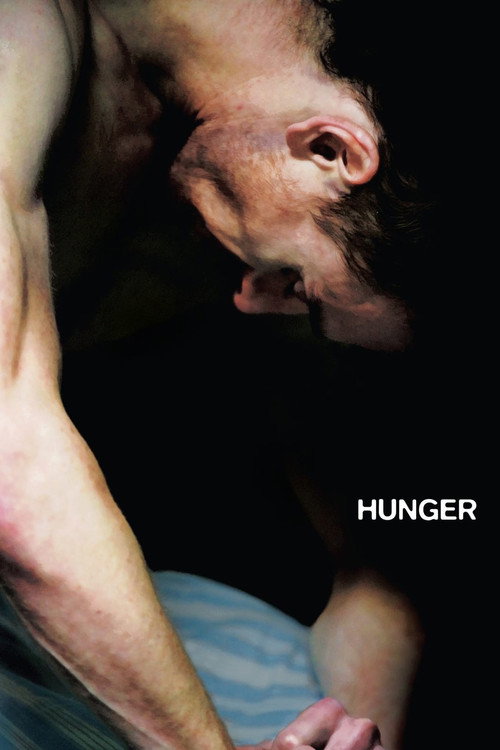
Hunger2008
Steve McQueen's stark, near-wordless account of the 1981 hunger strikes returns to the same Troubles and the same institutional cruelty, but trades documentary urgency for austere, painterly stillness — a very different way of making state violence feel unbearable.
But Its slowness and minimal dialogue demand patience; this isn't something you can half-watch.
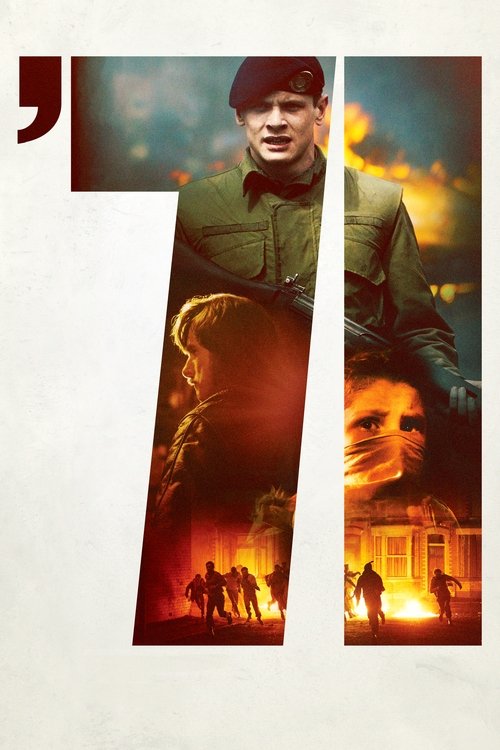
'712014
A young British soldier stranded in Belfast turns the Troubles into a night-long chase thriller — tense, propulsive, morally murky, shot with the same street-level immediacy that makes Bloody Sunday feel like it's happening now.
But The thriller mechanics occasionally feel more genre exercise than lived history.
The wildcard
Something you would not have found on your own.
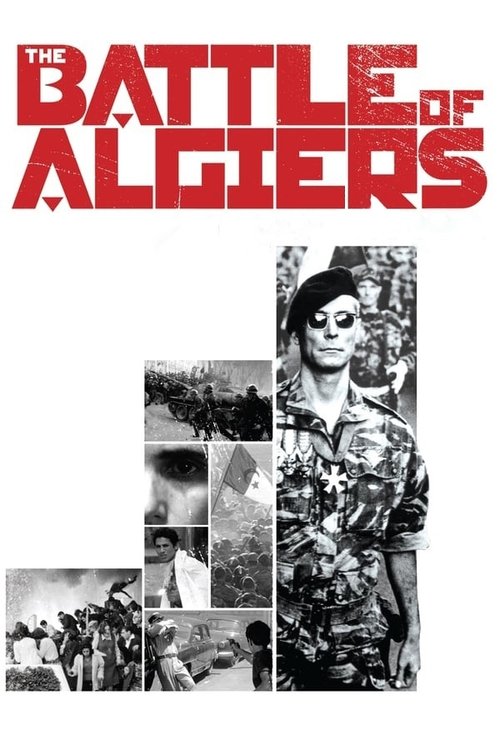
The Battle of Algiers1966
Greengrass has cited this film explicitly as his template — the same handheld, street-level camera turning historical massacre into lived chaos, decades before he used the trick himself.
Pontecorvo's 1966 newsreel-style reconstruction of Algiers under French occupation is the film Greengrass studied before making Bloody Sunday — the same crowd-level camera and refusal to grant either side a clean moral victory.
But It's in French and Arabic with subtitles, and its politics were controversial enough to get it banned in France for years.
More like this (8)
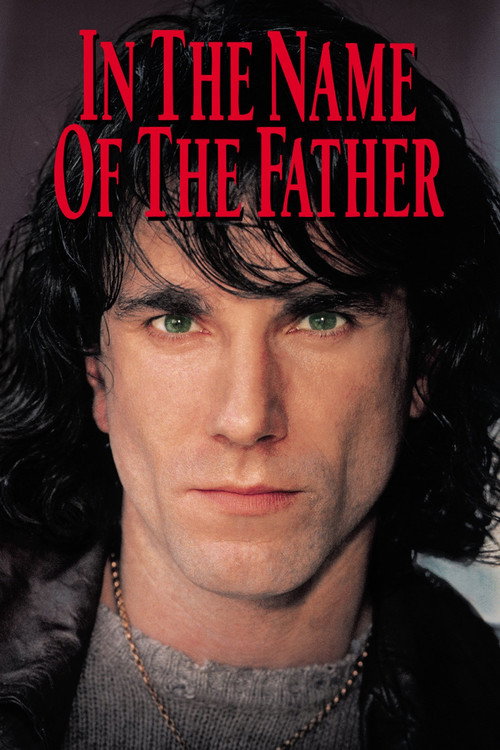
In the Name of the Father1993
Daniel Day-Lewis anchors the true story of the Guildford Four, wrongly imprisoned for IRA bombings — an outraged, big-hearted drama about British justice failing Irish people, told with more warmth than Greengrass allows himself.
But It's more conventionally crowd-pleasing and Oscar-shaped than the raw reportage of Bloody Sunday.
The Wind That Shakes the Barley2006no page yet
Ken Loach goes back further, to the Irish War of Independence, but asks the same question — what occupying-force violence does to a community, and what it does back. Cillian Murphy is superb.
But Loach's politics are worn openly on the sleeve, which some viewers find didactic.
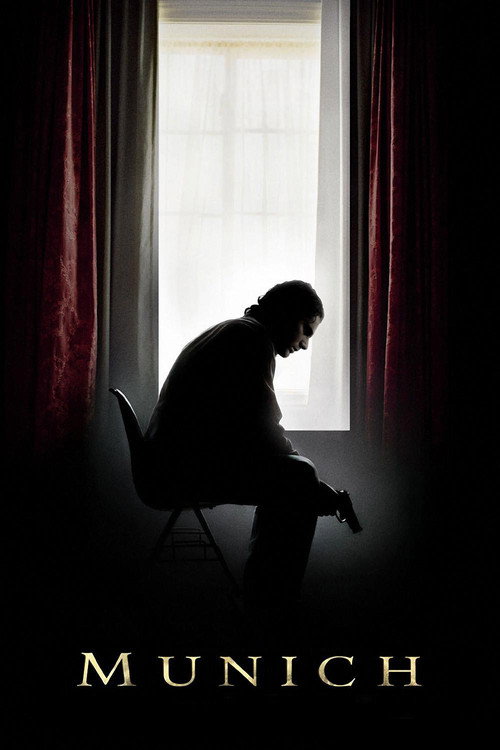
Munich2005
Spielberg's tense, guilt-ridden thriller about the aftermath of the 1972 Munich massacre shares an interest in how a single act of state violence ripples outward, corrupting everyone who responds to it.
But It's a slicker, more Hollywood machine than Greengrass's austere reconstruction, with movie-star gloss.
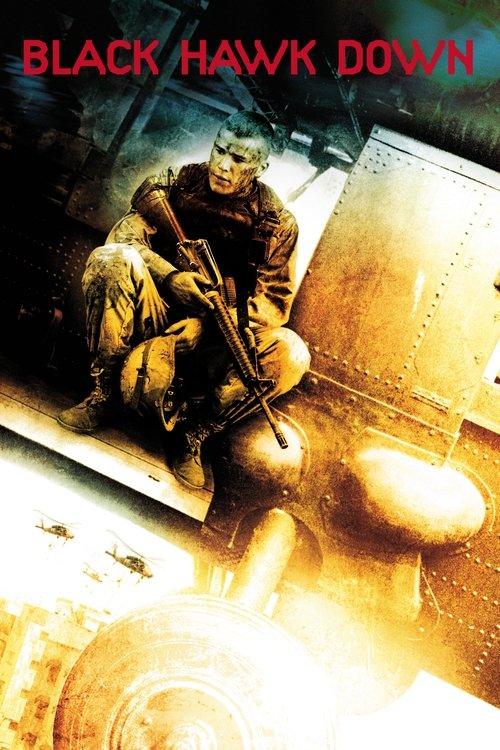
Black Hawk Down2001
Another real battle rebuilt almost minute by minute, with the same you-are-there chaos and confusion Greengrass specialises in — the technique applied to a firefight instead of a massacre.
But It's far more interested in combat spectacle than in the political context surrounding it.
Omagh2005no page yet
Made by some of the same team, this is the closest sibling to Bloody Sunday — a docudrama about the 1998 bombing and the families' fight for accountability, told with the same unshowy rigor.
But It covers similar ground in a similar style, so it can feel like more of the same rather than something new.
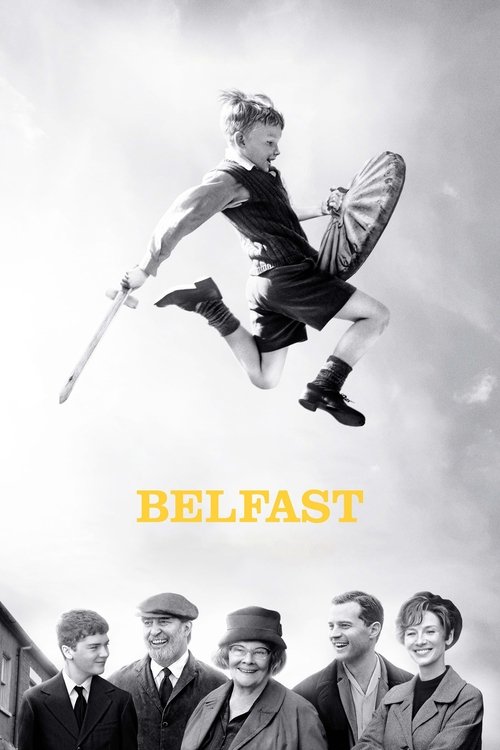
Belfast2021
Kenneth Branagh's memory-piece takes the same Troubles-era city and shrinks it down to one family's kitchen table, trading wide-angle reconstruction for a child's-eye, black-and-white nostalgia.
But It's gentler and more sentimental than the events it's set against, which can feel like a mismatch.
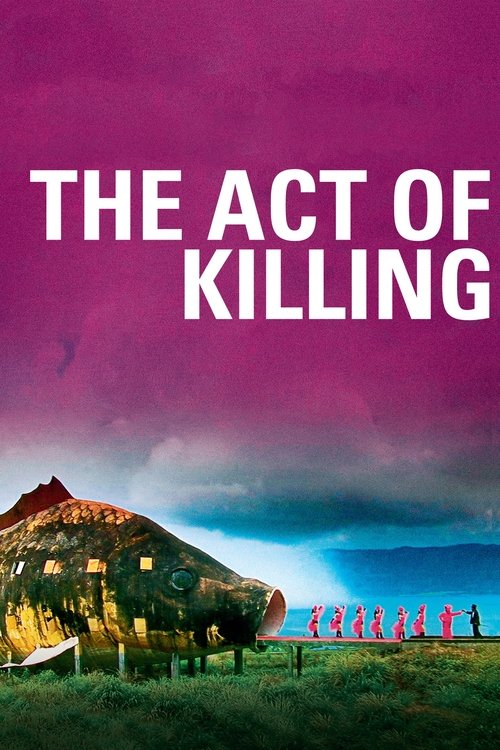
The Act of Killing2012
Both films use reconstruction to understand atrocity — Bloody Sunday restages the massacre from the marchers' side, this restages it from the killers', and the gap between the two is the whole point.
This documentary asks the men who carried out Indonesia's 1965-66 massacres to re-enact their own killings for the camera — a stomach-turning inversion of the question of how ordinary men become instruments of mass violence.
But It's disturbing in a different way — not violent onscreen, but morally vertiginous, and some viewers find its perpetrator's-eye approach unbearable.
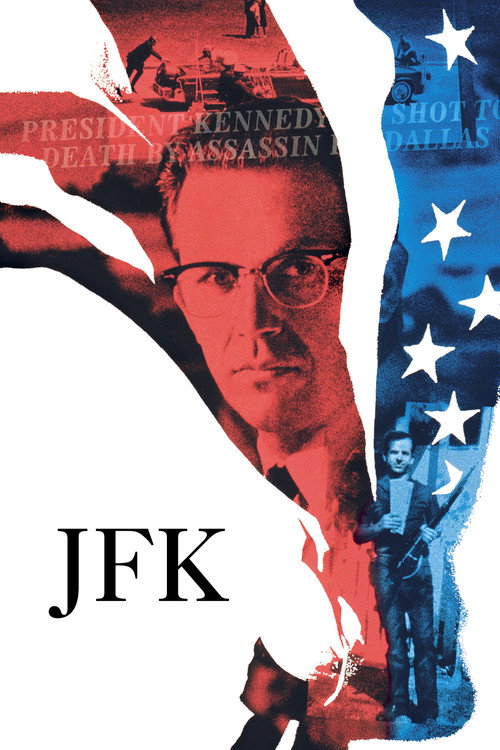
JFK1991
Both are furious about an official inquiry that got the story wrong — one dramatises the massacre itself, the other the decades-long fight to expose the whitewash that followed.
Oliver Stone's sprawling conspiracy thriller takes a single day of state violence and turns the search for truth about it into a decade-long obsession — the same fury at official cover-up, blown up to Hollywood scale.
But It's speculative where Bloody Sunday is scrupulously factual, and its three-hour conspiracy-theorising can feel like a different animal entirely.
People
Cast
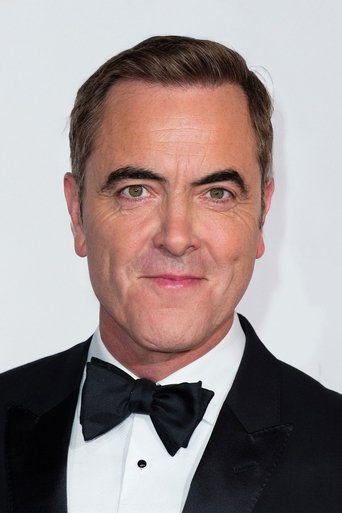 James NesbittIvan Cooper
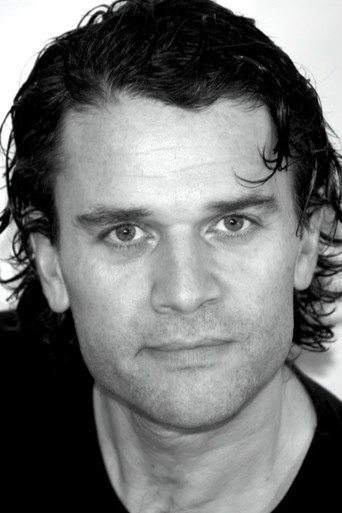 Allan GildeaKevin McCorry
- Gerard CrossanEamonn McCann
 Mary MouldsBernadette Devlin
- Carmel McCallionBridget Bond
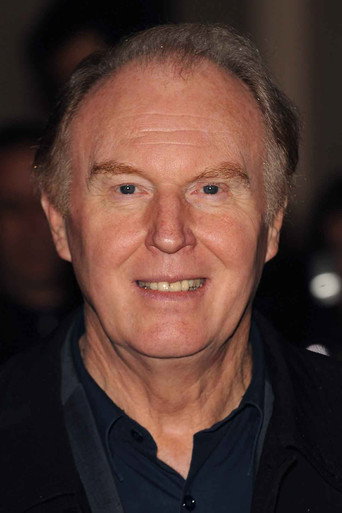 Tim Pigott-SmithMajor General Ford
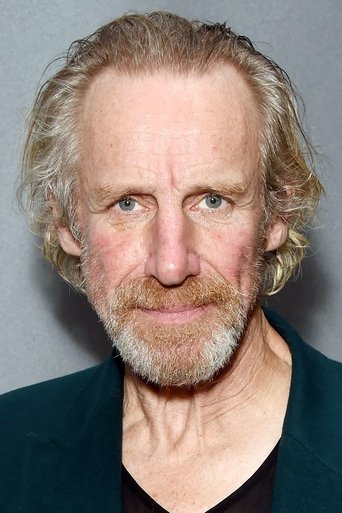 Nicholas FarrellBrigadier Maclellan
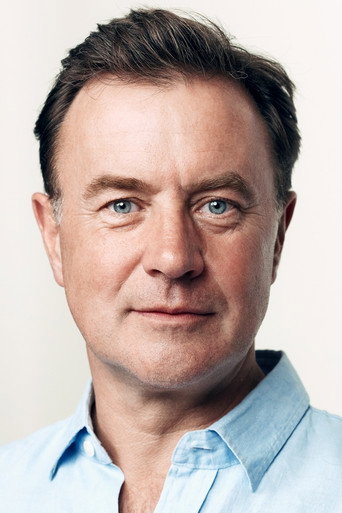 Christopher VilliersMajor Steele
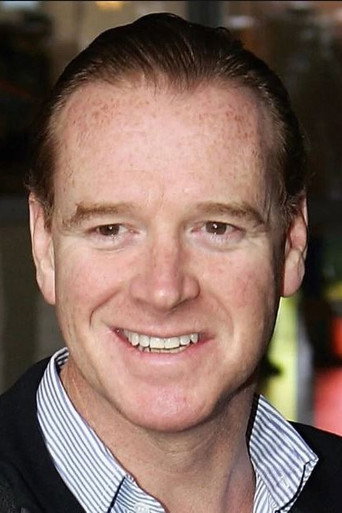 James HewittColonel Tugwell
- Declan DuddyGerry Donaghy
- Edel FrazerGerry's girl
- Joanne LindsayMary Donaghy
Directing
- Paul GreengrassDirector
Writing
- Paul GreengrassScreenplay
Production
- Jim SheridanExecutive Producer
- Mark RedheadProducer
Recommended by
The Battle of Algiers, Hunger, In the Name of the Father, United 93, '71, Odd Man Out