
Film
The Wind That Shakes the Barley
- Drama
- Very dark
Ken Loach's austere account of the Irish War of Independence and its aftermath, told through two brothers whose ideological fracture mirrors a nation's. Quietly furious, shot in natural light with non-professional actors, it trusts you to sit with moral complexity and grief. For those drawn to political cinema that refuses easy answers.
Should you watch it?
Watch it if you like slow-burning political stories where the moral argument matters as much as the gunfire, and you don't need every character neatly sorted into heroes and villains.
Skip it if you want a lean, fast thriller, since at 127 minutes it lingers in talk and quiet argument, and its violence is brutal enough to be hard to watch.
What it asks of you: Two hours and seven minutes of unhurried talk, grim scenes and little relief, with shifting loyalties that reward close attention rather than easy following.
Not sure? Find tonight's pick in a minute.
If you liked this
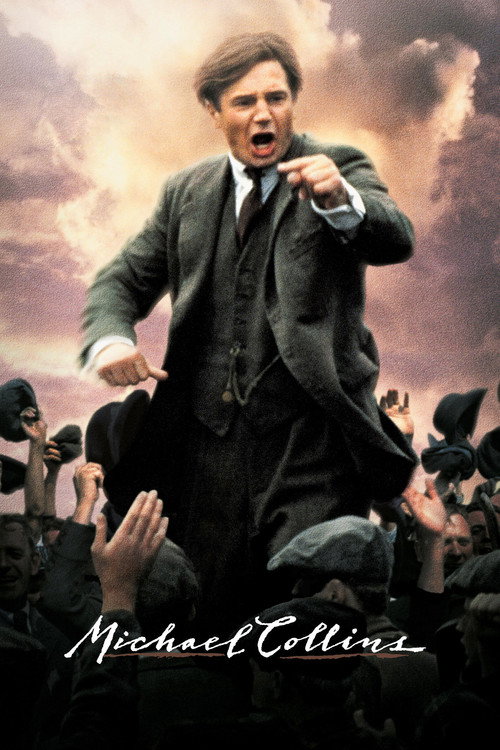
Michael Collins1996
Neil Jordan's vivid dramatization of the same historical period and figures, with Liam Neeson's magnetic performance as the revolutionary leader. Essential context for understanding the stakes of Loach's story.
But It's more conventional and heroic in its storytelling, less interested in the moral costs of independence than in narrative momentum and spectacle.
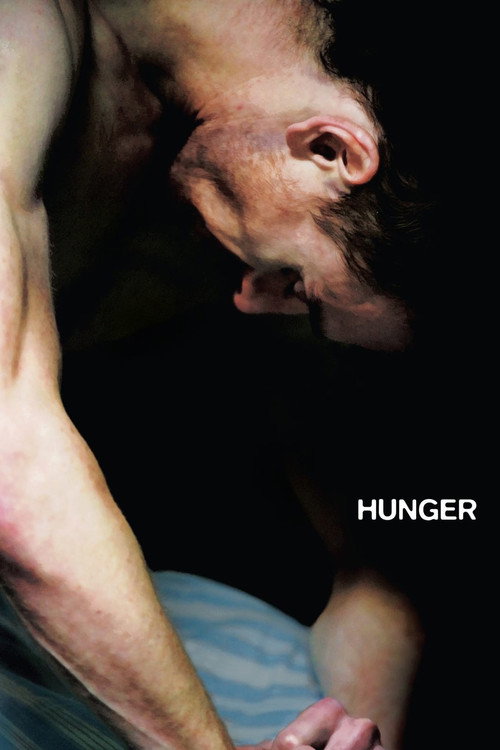
Hunger2008
Steve McQueen's unflinching account of Bobby Sands and the H-Block protests—another Irish political conflict told with the same unflinching intensity and refusal to sentimentalize suffering.
But Genuinely harrowing. The final act is grueling to watch and will stay with you in ways that demand emotional readiness.
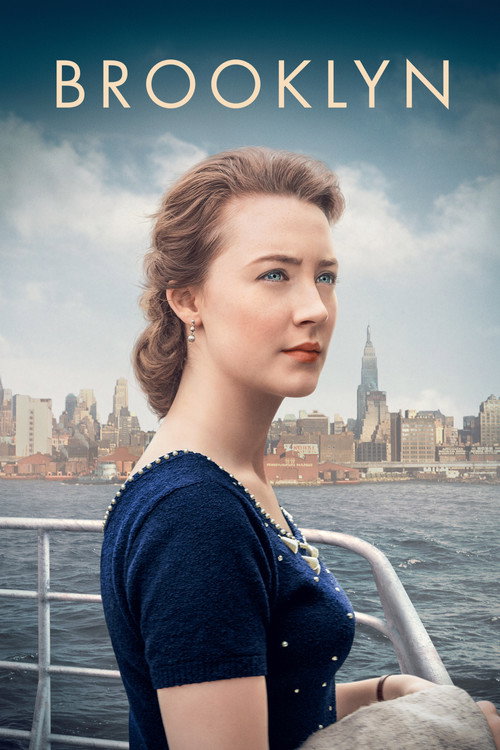
Brooklyn2015
A quieter Cillian Murphy film set in 1950s New York, with the same intimate attention to a young person navigating between two worlds and the ache of impossible choices.
But It's a romance first, much lighter in tone. If you want Loach's severity, this detours into gentleness.
Not sure tonight? Get a pick in a minute, starting from The Wind That Shakes the Barley
The wildcard
Something you would not have found on your own.
The Battle of Algiers1966
Both films treat revolution as a process that corrodes the people involved. Both refuse to separate violence from politics, or to tell a story where the right cause makes the right means painless. Neither offers redemption as an ending.
Pontecorvo's revolutionary masterpiece about anti-colonial struggle in 1950s Algeria. Structured like a procedural, shot in stark black-and-white, it shares Loach's refusal to let you off easy. A foundational text for political cinema.
But Made in 1966 and it shows—the pacing is glacial by modern standards, and it's a dense, intellectual film disguised as a thriller. Not a comfort watch.

More like this (8)
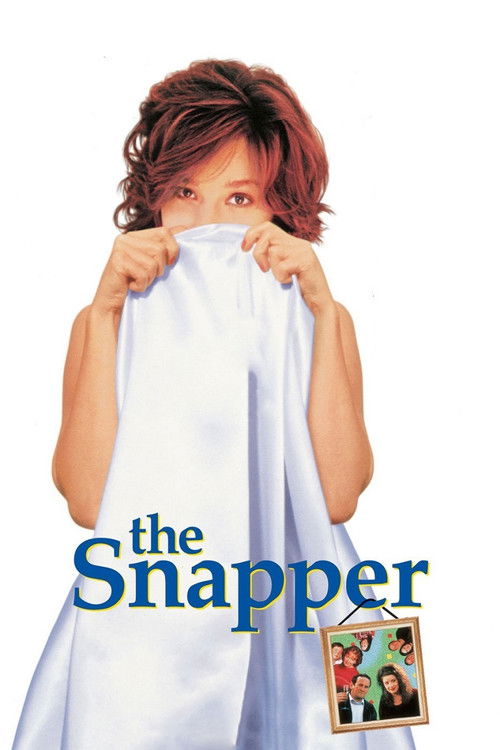
The Snapper1993
Stephen Frears directing Roddy Doyle's script about working-class Dublin life with warmth and humor—Irish social realism with character at its heart, though in a completely different register.
But Comedy-drama about a family dealing with an unmarried pregnancy. The tonal whiplash from Loach's grimness might feel jarring.
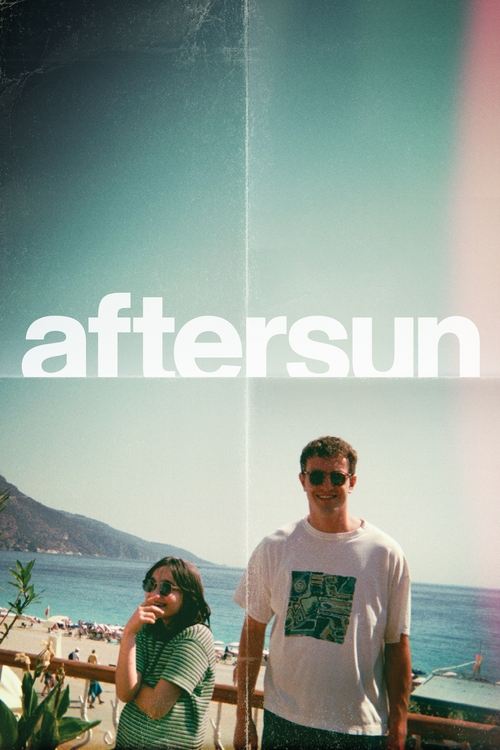
Aftersun2022
Charlotte Wells' meditation on memory, loss, and the gap between what we see and what we understand. A father and daughter film that builds its power quietly, like Loach does.
But Deliberately ambiguous and withholding. If you want plot clarity or emotional catharsis, it resists both.
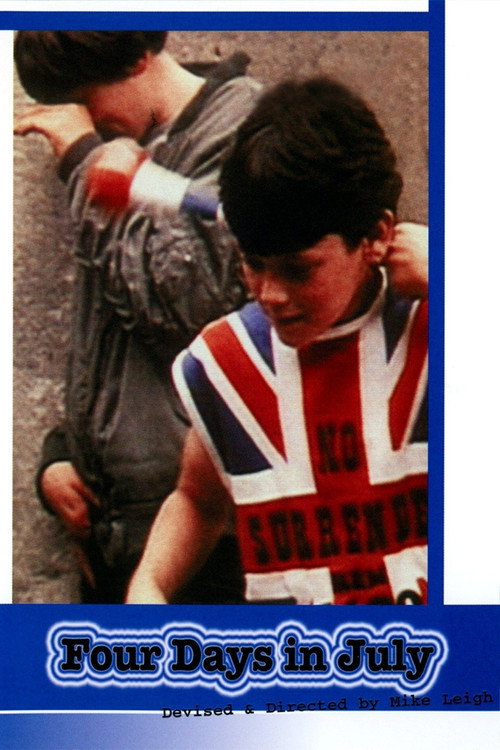
Four Days in July1984
Mike Leigh's rarely-screened film about two families—one Protestant, one Catholic—in Belfast, 1984. The same structural DNA as Barley: ordinary people caught in history's machinery.
But It's dated in look and pacing, and far less known than it should be. Good luck finding it in high quality.
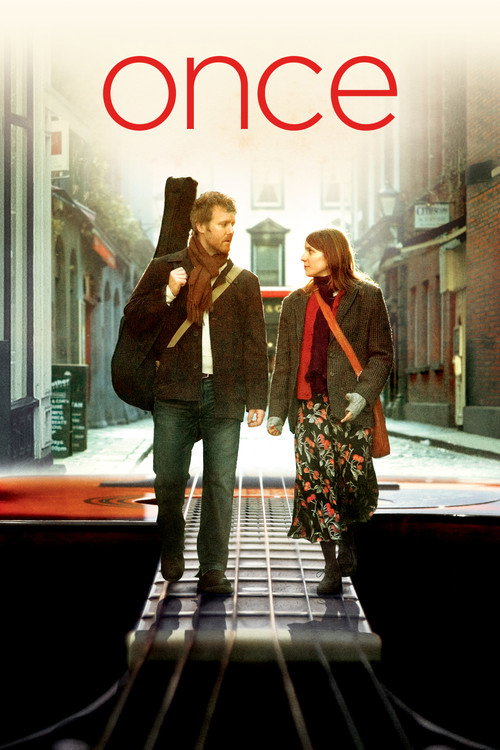
Once2007
John Carney's Dublin-set musical love story with Glen Hansard and Markéta Irglová. Irish cinema that values mood and authenticity over polish, with a genuine sense of place.
But It's whimsical and romantic—the opposite of Loach's cool distance. Some find the musical elements precious rather than moving.
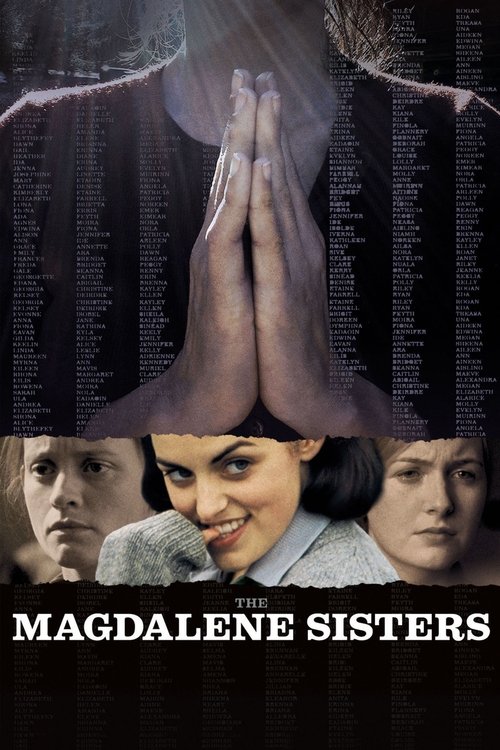
The Magdalene Sisters2002
Peter Mullan's brutal account of Ireland's institutional cruelty. Another portrait of Irish history that refuses to look away from what the country did to its own people.
But Relentlessly dark and angry. There's no counterweight of beauty or humor; it's a gauntlet to walk through.
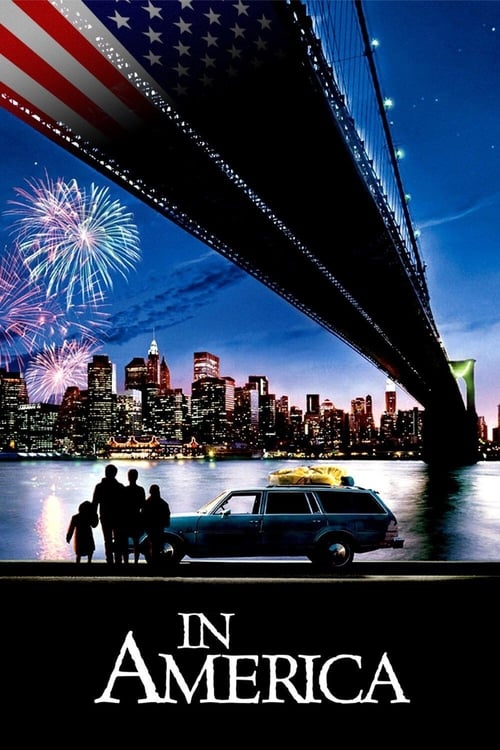
In America2003
Jim Sheridan's story of an Irish immigrant family arriving in New York. Emotional and less politically engaged than Loach, but shares his interest in how history shapes the intimate and personal.
But More sentimental than Loach's work, and the magical-realism elements some find affecting, others find manipulative.
Come and See1985
Both films center on idealistic young men who enter conflict believing in something larger, and emerge destroyed by what that belief costs. Both use non-professional actors and naturalistic settings to make violence feel immediate and inexplicable. Both are about what happens after the choice to fight—not the romance of it, but the aftermath in the body and soul.
Elem Klimov's devastating film about a boy soldier during WWII. Shot with hallucinatory intensity, it's a portrait of how war doesn't just kill bodies—it annihilates something essential in the living. Unforgettable.
But This is an ordeal. It's brutal, surreal, and emotionally catastrophic. Some sequences are genuinely difficult to bear. It's not depressing so much as it is traumatic.

The Remains of the Day1993
Both examine how political commitment—whether revolutionary or complicit—demands the erasure of self. Both are structured around a moment of moral reckoning too late to change anything. Both suggest that the real casualties of ideology are the ordinary people trying to keep their humanity intact within it.
James Ivory's film about a butler servicing a fascist household, adapted from Kazuo Ishiguro. Where Barley shows the violence of ideology, Remains shows its quiet seduction—how good men enable atrocity through deference and duty.
But Extremely restrained. Anthony Hopkins' performance is all silence and repression. If you need external emotion displayed, the film will seem cold.

People
Cast
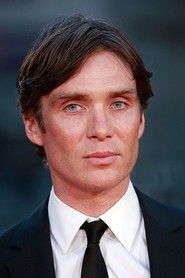 Cillian MurphyDamien
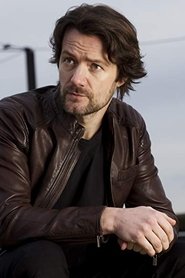 Pádraic DelaneyTeddy
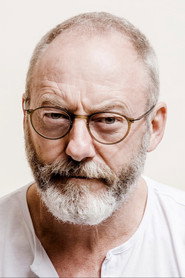
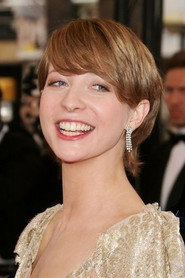 Orla FitzgeraldSinead
- Mary O'RiordanPeggy
- Mary MurphyBernadette
- Laurence BarryMicheail
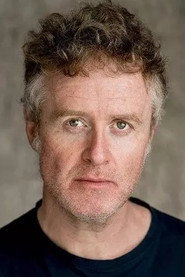 Damien KearneyFinbar
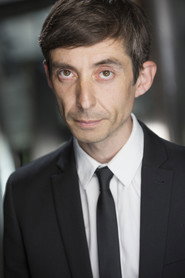 Frank BourkeLeo
- Myles HorganRory
- Martin LuceyCongo
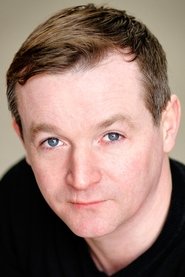 Aidan O'HareSteady Boy
Directing
- Ken LoachDirector
- Susanna LentonScript Supervisor
Writing
- Paul LavertyScreenplay
Production
- Kahleen CrawfordCasting
- Oonagh KearneyCasting
- Andrew LoweExecutive Producer
- Ed GuineyExecutive Producer
- Mark WoodsExecutive Producer
- Nigel ThomasExecutive Producer
- Paul TrijbitsExecutive Producer
- Ulrich FelsbergExecutive Producer
- Gerardo HerreroProducer
- Rebecca O'BrienProducer
- Redmond MorrisProducer
- Carol MoorheadProduction Manager
Recommended by
Bloody Sunday, Say Nothing, Land and Freedom, The Angels' Share, Some Mother's Son, Michael Collins, True History of the Kelly Gang, Age of Uprising: The Legend of Michael Kohlhaas, The Song of Sparrows, Cinco de Mayo: The Battle, Rangasthalam, Heidi, The Cow, Jimmy's Hall