
Film
The Cow
- Social drama
- Slow-burning
Kiarostami's debut is a formal meditation on loss and the structures that hold rural communities together. An old man's bond with his cow becomes the fulcrum for examining grief, dignity, and what happens when the ties that define us snap. Quietly devastating—a film that trusts your silence.
If you liked this
Bicycle Thieves1948
The template for neorealist dignity-in-poverty. A father and son search Rome for a stolen bicycle; what unfolds is unbearable tenderness about how little it takes to break a man's world.
But Shot like a documentary, deliberately unglamorous. If you need plot momentum or conventional emotional beats, this will feel like watching paint dry.

Ikiru1952
Kurosawa's masterpiece about a dying bureaucrat finding meaning. Structurally similar—a man confronts the fragility of what he thought mattered—but with more rage and a shattering final act.
But Over three hours of Japanese cinema from 1952. The pacing is deliberate, sometimes punishing. Requires patience and a certain mood.

A Prophet2009
Criminally good prison drama about a young man forced to navigate brutal hierarchies. The psychological depth rivals any drama made this century, and it grips you immediately.
But Brutal prison violence and racial tension. Heavy subject matter that never softens, which some will find relentless rather than cathartic.

Not sure tonight? Get a pick in a minute, starting from The Cow
The wildcard
Something you would not have found on your own.
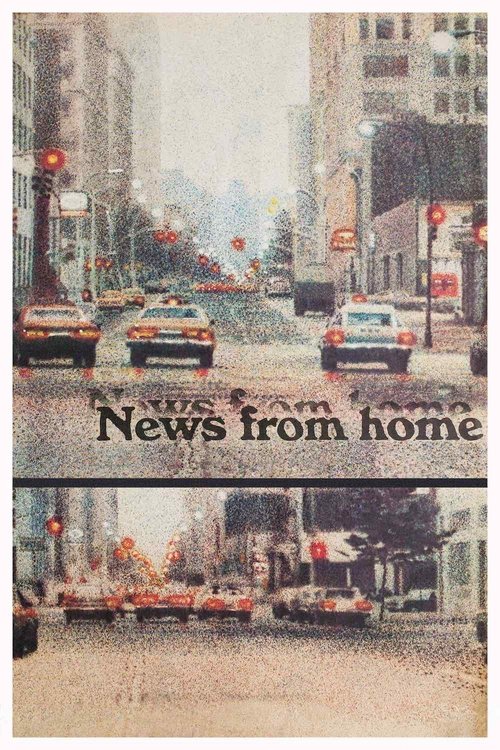
News from Home1976
Both use restraint and formal severity to make grief physical. Neither film explains itself. Both trust that repetition and silence are forms of eloquence.
Chantal Akerman reads her mother's letters over static shots of New York. Experimental, mournful, about distance and love expressed through absence. It does what *The Cow* does—transforms a simple premise into metaphysics—but through radical formal constraint.
But Avant-garde cinema. 105 minutes of nearly still shots and a woman's voice. If you approach it expecting narrative or dramatic arc, it will confound you.
More like this (8)
Stalker1979
Tarkovsky's philosophical odyssey about desire and meaning. Like *The Cow*, it uses a simple premise to excavate the spiritual weight of what humans carry. Hypnotic and strange.
But Slow cinema taken to extremes. 163 minutes of deliberate pacing. Not contemplative—actively asks you to surrender to its rhythm or leave.

Come and See1985
Elem Klimov's war film is a masterwork of trauma and innocence destroyed. Devastatingly human in the way *The Cow* is, but with apocalyptic scale. Essential viewing for anyone who loves cinema that breaks you.
But One of cinema's most harrowing films. Graphic violence, child suffering, and relentless bleakness. Not cathartic—corrosive. Plan your evening accordingly.

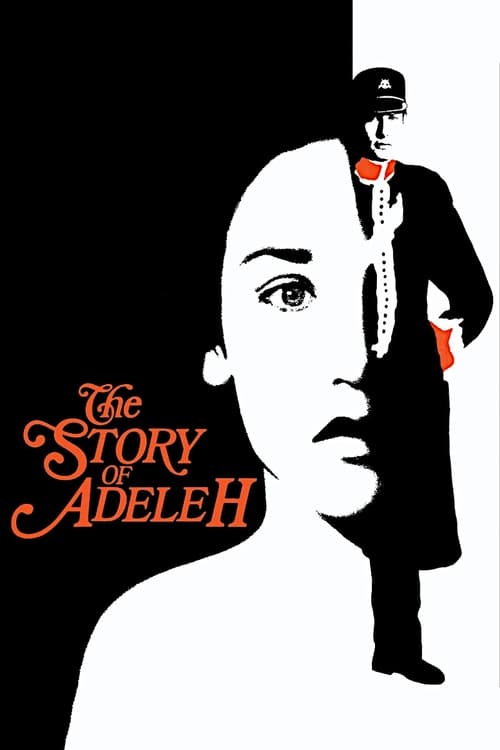
The Story of Adèle H.1975
Truffaut's obsessive portrait of a woman undone by love and obsession. Like *The Cow*, it's about how the heart can overwhelm reason, and what dignity looks like when we lose control.
But Claustrophobic and psychologically exhausting. The pacing is internal rather than external—very little happens, but everything means something.
Tokyo Story1953
Ozu's quiet masterpiece about an elderly couple visiting their children in Tokyo. It moves at the speed of grief and small moments. The closest Western equivalent to what Kiarostami was attempting.
But Almost nothing happens. If you want narrative drive or dramatic confrontation, you'll find it frustratingly gentle and oblique.

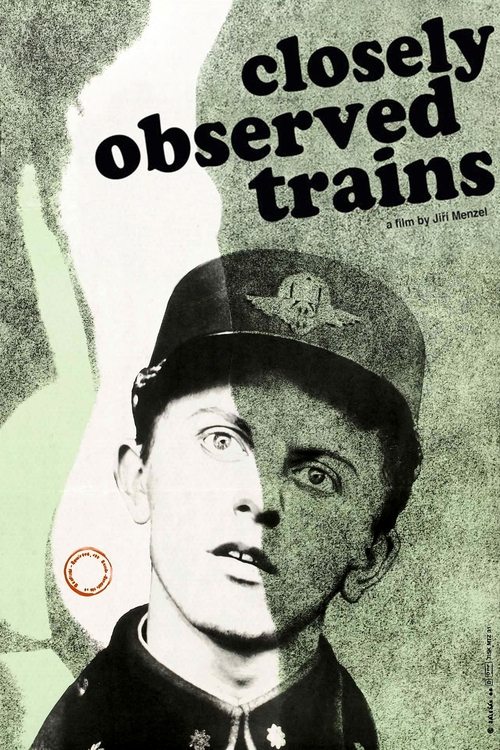
Closely Watched Trains1966
Czech New Wave gem about a young railway worker during WWII. It balances humor and heartbreak beautifully, with the same understated approach to human dignity that *The Cow* embodies.
But Subtitled, from an era of cinema that prizes restraint over spectacle. The tonal shifts between comedy and tragedy may feel jarring.
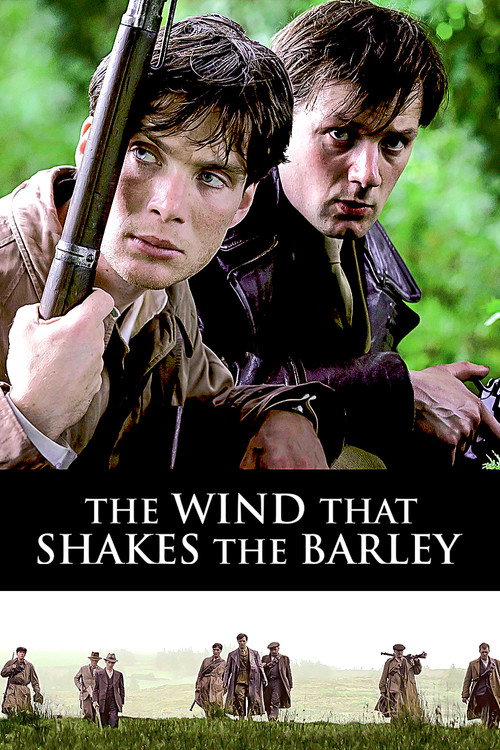
The Wind That Shakes the Barley2006
Loach's historical drama about Irish independence fighters. Rooted in specificity and place the way *The Cow* is rooted in the village. Political without being didactic.
But Didactic at times. If you're tired of social-realist cinema about oppression, this won't refresh you—it's exactly what it promises to be.
The Ballad of Little Jo1993
Both films examine the violence of conformity and what breaks when a person cannot reconcile their inner world with the world outside. Both are about being known and unknown.
Maggie Greenwald's Western about a woman passing as a man in the frontier. It's *The Cow* transplanted to gender and belonging—a meditation on what happens when you cannot be who you are, and what community costs.
But A gender-bending Western from 1993 that doesn't look or feel like contemporary cinema. Formally unfashionable and deliberately unglamorous about its subject.

The Turin Horse2011
Both use extreme formal constraint and repetition to make philosophical points about loss, community, and the fragility of human life. Both distrust sentiment and conventional narrative solutions.
Béla Tarr's last film, a meditation on decline and the end of things. Structured around repetition, silence, and a philosophical absence of hope. Formally it's a companion piece to *The Cow*—both collapse narrative into ritual.
But Bleak to the point of nihilism. Black-and-white, sparse, repetitive by design. If you need your cinema to affirm meaning or offer consolation, this will feel like punishment.

People
Cast
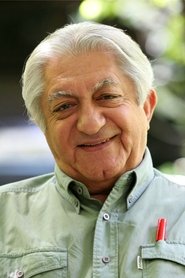 Ezzatollah EntezamiMasht Hassan
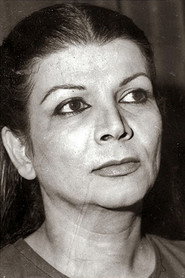 Mahin ShahabiHassan's Wife
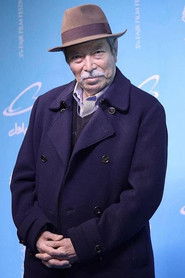 Ali NasirianIslam
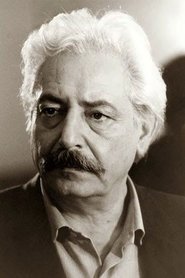 Jamshid MashayekhiAbbas
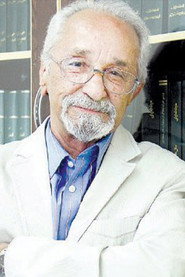 Jafar ValiKadkhoda
- Esmat SafaviOld Woman
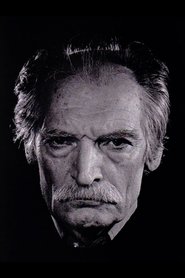 Mahmoud DowlatabadiEsmayil
- Parviz FanizadehJabbar
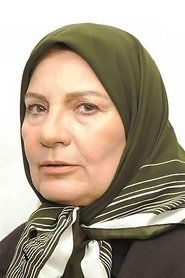 Mahtaj NojoomiEsmayil's Sister
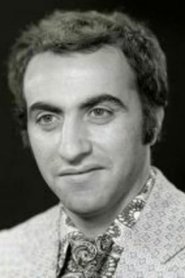 Ezzatollah RamazanifarMadman
Directing
- Dariush MehrjuiDirector
Writing
- Gholam-Hossein Sa'ediTheatre Play
- Dariush MehrjuiWriter
Production
- Dariush MehrjuiProducer
- Abbas Mohammadi NamProduction Manager
- Hassan ZandiProduction Manager