
Film
Prodigal Son
Other titles called Prodigal Son: the 2019 series (FOX).
A man returns to his rural Lithuanian farmstead after a decade in the city, confronting his restless older brother and the life he left behind. This Soviet-era drama moves with the unhurried pace of countryside rhythms, finding meaning in small gestures and unspoken tensions. Quietly powerful, it's for anyone drawn to character-driven stories about displacement, family obligation, and the possibility of homecoming.
Should you watch it?
Watch it if you enjoy slow, observant portraits of a man quietly weighing whether he still belongs where he grew up, with family friction doing the work that plot usually would.
Skip it if you need brisk momentum or a clear dramatic hook, since the brother's restless energy is the main source of tension and the film lingers in ordinary farm routine.
What it asks of you: Patience with unhurried scenes of farm work and sibling tension; it moves at the pace of its rural setting and rewards attention to small gestures rather than big moments.
Not sure? Find tonight's pick in a minute.
If you liked this
Come and See1985
A devastating portrait of displacement and moral corruption set in wartime Soviet territory. Like Prodigal Son, it examines how landscape and family define us, but with apocalyptic intensity. Extraordinary and unforgettable.
But Brutally graphic in its depiction of violence and suffering. Genuinely difficult to watch; not a film you enjoy so much as endure and respect.

In the Mirror of the City1975
Tarkovsky's fragmented meditation on memory, loss, and return to one's past. Shares Prodigal Son's interest in what home means and how time changes us. Hypnotic and deeply personal cinema.
But Deliberately obscure, non-linear, and demanding. Feels more like a poem than a plot. Long stretches where nothing conventionally 'happens.'
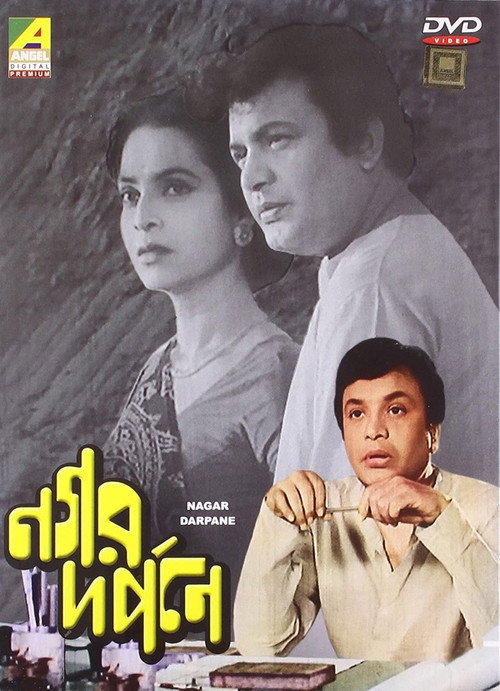
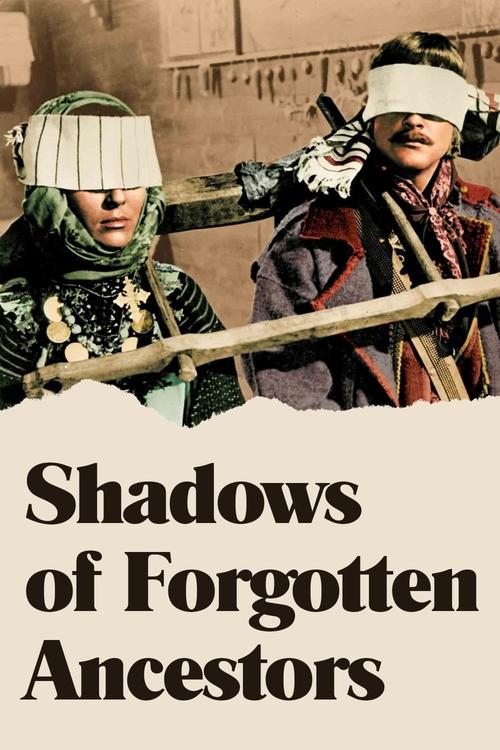
Shadows of Forgotten Ancestors1965
A Ukrainian epic about family, tradition, and the weight of the past. Uses landscape and communal life as both setting and character, much like this film does. Visually stunning and emotionally raw.
But Stylized and operatic in tone—the opposite of naturalistic. The dialect is thick; subtitles demand full attention.
Not sure tonight? Get a pick in a minute, starting from Prodigal Son
The wildcard
Something you would not have found on your own.
Dekalog1989
Both are Soviet-era works that use everyday provincial settings as stages for examining family obligation and moral reckoning. Where Prodigal Son finds meaning in silence and gesture, The Decalogue makes explicit what remains unspoken—but both trust viewers to sit with difficult feelings.
Kieslowski's ten-episode cycle explores moral choice through ordinary lives in a Polish housing complex. Each episode is a standalone drama examining one of the Ten Commandments. Shares Prodigal Son's interest in how people navigate duty, family, and conscience in constrained circumstances—but through a rigorously philosophical lens.
But Requires viewing all ten episodes to feel the full impact. Deliberately didactic; the moral framework is overt, not buried in subtext.
More like this (8)
Stalker1979
Another Tarkovsky work exploring spiritual return and the search for meaning. Long, meditative scenes that privilege silence and observation over plot. For those who want cinema to move at life's actual pace.
But Glacially slow. A 163-minute journey through industrial landscapes and philosophical questions. Patience is not optional.

Kes1970
Ken Loach's portrait of a working-class boy in rural England finding escape through a hawk. Like Prodigal Son, it captures provincial life without sentimentality and explores how people navigate constrained circumstances.
But The Yorkshire dialect can be hard to parse. The ending is deliberately bleak and offers no comfort.

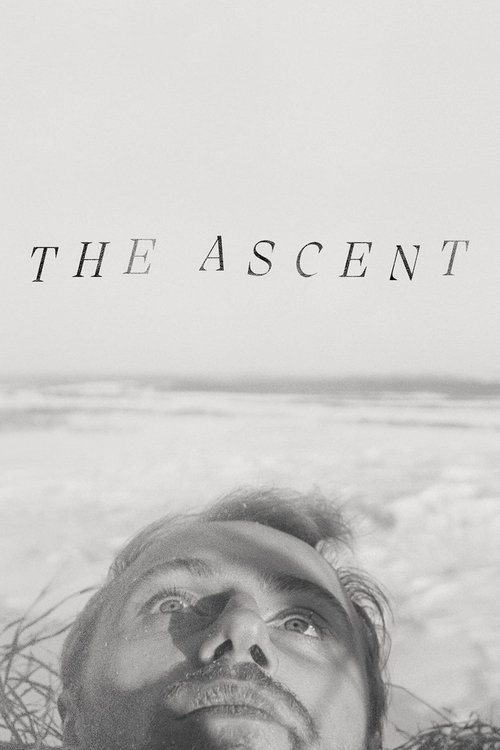
The Ascent1977
Larisa Shepitko's film about two Soviet partisans walking through snowy wilderness during wartime. Shares the Soviet sensibility and uses landscape as moral and spiritual terrain. Brief, intense, and unforgettable.
But Profoundly grim. Religious imagery and themes of sacrifice and suffering—not a film that releases tension.
Under the Skin2014
An elliptical meditation on alienation and displacement, with minimal dialogue and an uncanny mood. Like Prodigal Son, it finds strangeness in the everyday and suggests depths beneath quiet surfaces.
But Deliberately obscure; plot is secondary to atmosphere. Ends without resolution or explanation of what you've witnessed.

A Prophet2009
A character study about a young man navigating an enclosed world and gradually finding his place within it. Shares Prodigal Son's interest in quiet resilience and the slow accumulation of power through restraint.
But Set in a French prison; far more violent and morally compromised. Operates in a harsher register than a rural family drama.

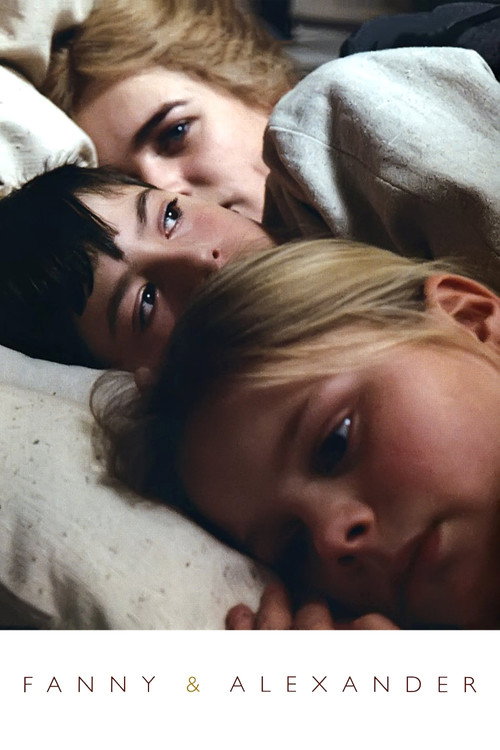
Fanny and Alexander1982
Bergman's sprawling family saga set in turn-of-century Sweden, exploring how family shapes us and what it means to belong. Epic in scope but intimate in feeling, much like the best Soviet dramas.
But Three hours long and explicitly theatrical. Concerned with Swedish bourgeois life—very distant from Soviet farmstead realism.
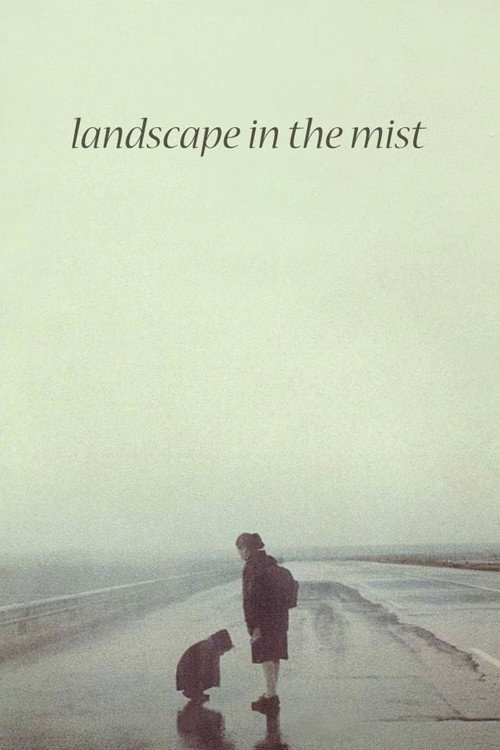
Landscape in the Mist1988
Both films use walking—literal and metaphorical—as the primary form of character development. Where Prodigal Son is about returning home, this is about seeking it. Both suggest that landscape and movement matter more than dialogue, and that longing is the real subject.
Theo Angelopoulos's hypnotic journey film follows two children walking across Greece toward Germany. Sparse dialogue, long takes, and a landscape that feels as much a character as the people. Achingly poetic about displacement, belonging, and the search for home.
But Glacially paced; almost nothing 'happens' in conventional plot terms. The style is more experimental cinema than drama. Requires patience measured in geological time.
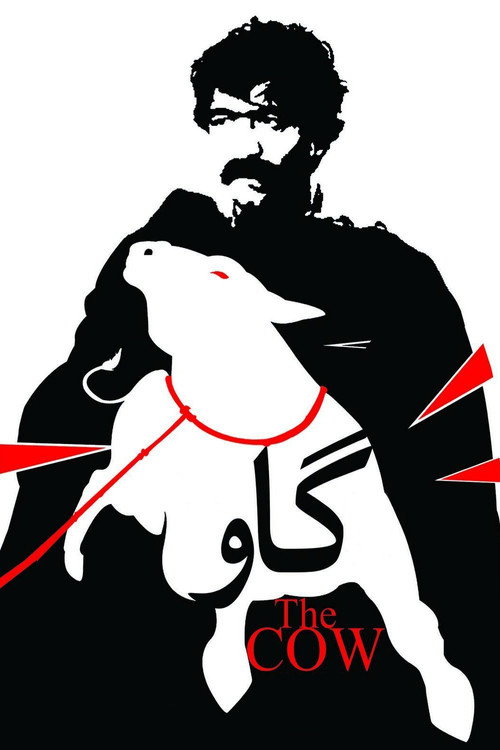
The Cow1969
Both are deceptively simple stories about rural men reckoning with their place in the world and their relationships to family and community. Both use non-professional actors and favor observation over explanation. Both understand that a man's work and his worth are bound up in the same question.
Kiarostami's Iranian masterpiece depicts a man's grief when his beloved cow dies. Shot in documentary style with non-professional actors, it transforms a simple loss into a study of dignity, community, and what binds us to place and livelihood. Quietly devastating.
But A feature-length meditation on the death of a cow. Minimal plot, documentary texture, and a register of sorrow that never lifts. Demands patience and an openness to the profound in the ordinary.
People
Cast
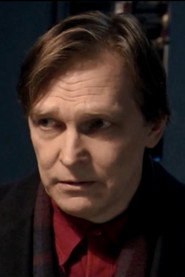 Rimas MorkūnasVilius
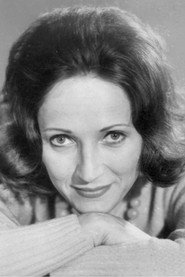 Doloresa KazragytėBirutė, Petro žmona
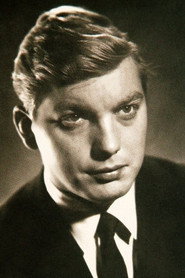 Uldis VazdiksPetras
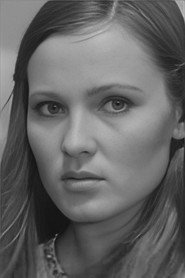 Brone BraskyteLiuda
 Ieva Gurinaitė-Paskienėmotina
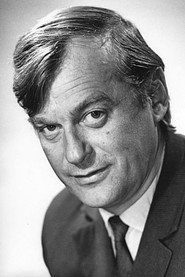 Antanas BarčasKostas
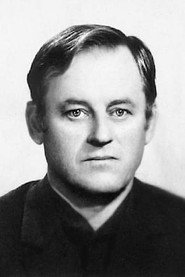 Eduardas Kunavičiustėvas
Directing
- Marijonas GiedrysDirector
Writing
- Raimondas KasauskasNovel
- Pranas MorkusWriter