
Film
Companion
Other titles called Companion: the 2025 film.
A 1975 Iranian romantic comedy about a wealthy man's daughter pursuing an evasive lover across the country, while her father hires a young man to retrieve her. It's a charming period piece that balances comedy, romance and social commentary, capturing Tehran's urban landscape and class dynamics with warmth and wit. Perfect for anyone curious about Iranian cinema before the revolution.
If you liked this
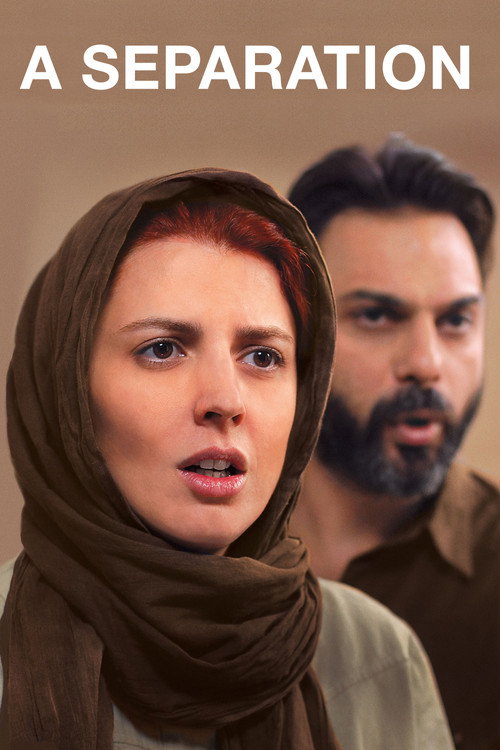
A Separation2011
A masterpiece of Iranian filmmaking that explores family, duty, and moral complexity with the same intelligence and emotional depth. Modern setting, contemporary crisis, but the same careful attention to how social forces shape personal lives.
But It's a divorce drama without much humour, and far heavier in tone. Deliberately paced and demanding of your attention.
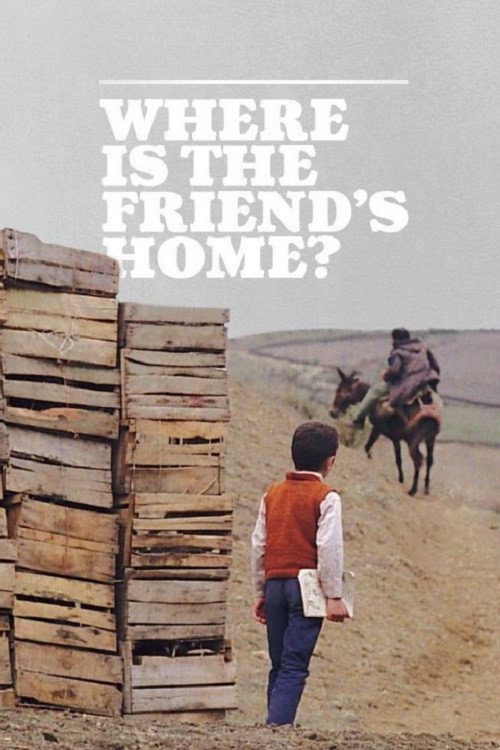
Where Is The Friend's House?1987
Kiarostami's gentle meditation on childhood responsibility and obligation. Like Companion, it's fundamentally about a journey to find someone, but filtered through a child's eyes and the poetry of everyday Iranian life.
But Barely anything happens. The 'plot' is minimal and the mood is contemplative rather than dramatic or comedic.
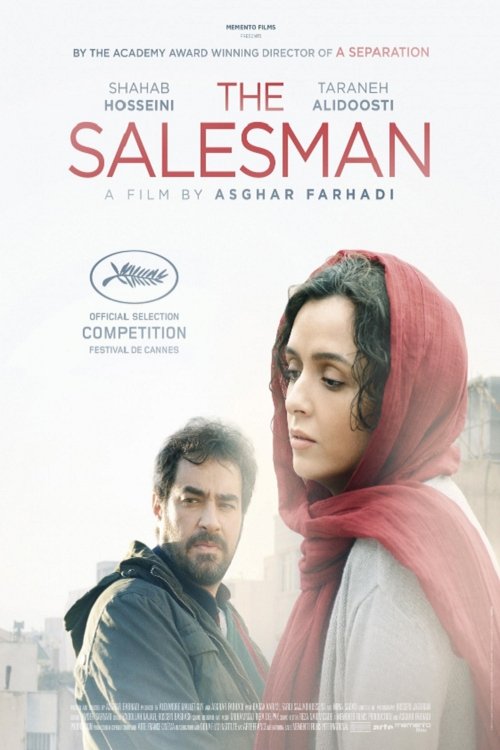
The Salesman2016
A thriller that shares Companion's interest in social class and dignity, set in modern Tehran. Asghar Farhadi again, exploring how ordinary people navigate duty, shame and circumstance with nuance and humanity.
But It's a revenge narrative that grows increasingly tense and troubling. Not a date-night film, and the ending is deliberately ambiguous in ways that frustrate some viewers.
Not sure tonight? Get a pick in a minute, starting from Companion
The wildcard
Something you would not have found on your own.
Umberto D.1952
Both films trust the audience to find meaning in everyday social interaction rather than plot mechanics. Both see romance and dignity in how people navigate systems and expectations that constrain them.
An Italian neorealist masterpiece about an elderly pensioner and his dog navigating bureaucracy and indifference in postwar Rome. Zero plot, maximum humanity. Like Companion, it finds comedy and dignity in the small negotiations of ordinary life, but inverts the class dynamic—here poverty, not privilege, is what shapes everything.
But Genuinely depressing in places, with a controversial ending. The 'plot' is almost nonexistent. And it's in Italian neorealist style—grainy, slow, devoted to the mundane.

More like this (6)
Taste of Cherry1997
Another Kiarostami film about a journey, this one philosophical and strange. Shares Companion's episodic road-movie structure and interest in how strangers connect through conversation and circumstance.
But It's deliberately enigmatic and slow-moving. The subject matter is suicide, treated with profound seriousness, and there's no conventional narrative payoff.
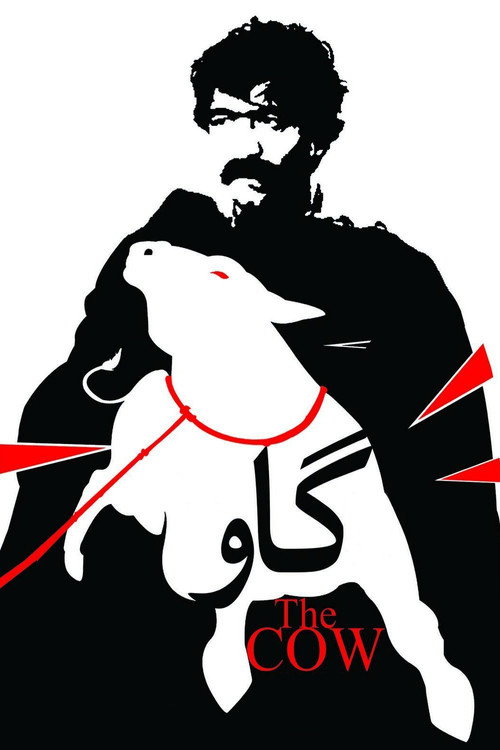
The Cow1969
Kiarostami again—a deceptively simple story about a man and his beloved cow that becomes a profound meditation on grief and identity. Pre-revolutionary Iranian cinema at its most poetic.
But Genuinely depressing. The minimalist style takes patience, and there's no emotional release or redemption.
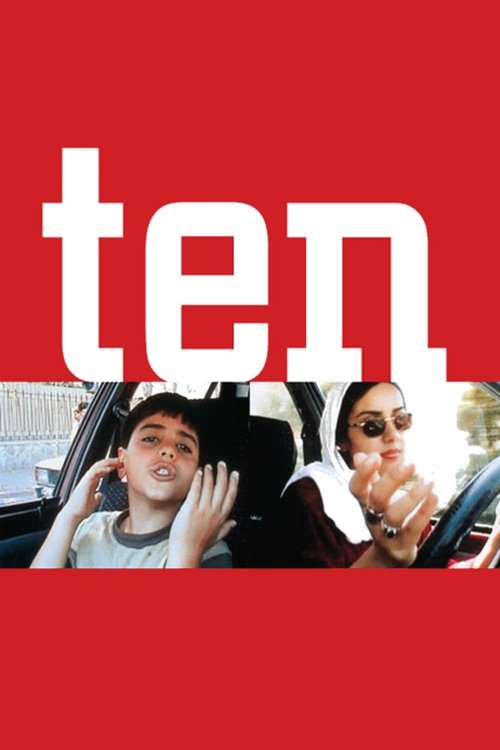
Ten2002
Kiarostami shoots a woman driving through Tehran with a hidden camera, conversations overheard. It's radically modern but shares Companion's interest in ordinary social interaction and what class and gender mean in everyday life.
But Experimental and demanding. Shot in long unbroken takes with minimal conventional direction. Some find it tedious rather than meditative.
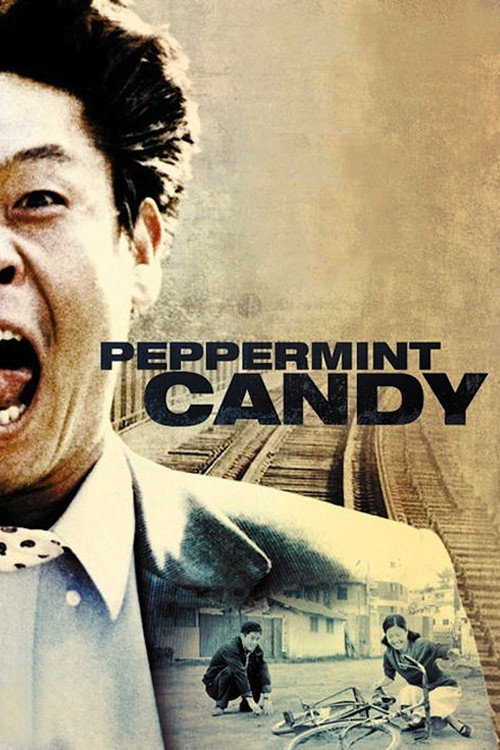
Peppermint Candy2000
A Korean film that similarly spans decades to show how history and circumstance shape people's lives. Like Companion, it's interested in how individuals navigate social forces beyond their control with both comedy and heartbreak.
But It goes backwards in time from 1999 to 1979, which confuses some viewers. The subject matter—colonial occupation, war, dictatorship—is heavy throughout.
Summer with Monika1953
Bergman's romantic idyll on an island—a couple in love against the world, but filmed with enough intelligence to see both their passion and its doom. Similar DNA of young romance, class, social pressure, and the gap between desire and reality.
But Black and white, 1950s Swedish cinema. Deliberately slow and introspective rather than plot-driven. The island sequence is long and may test patience.

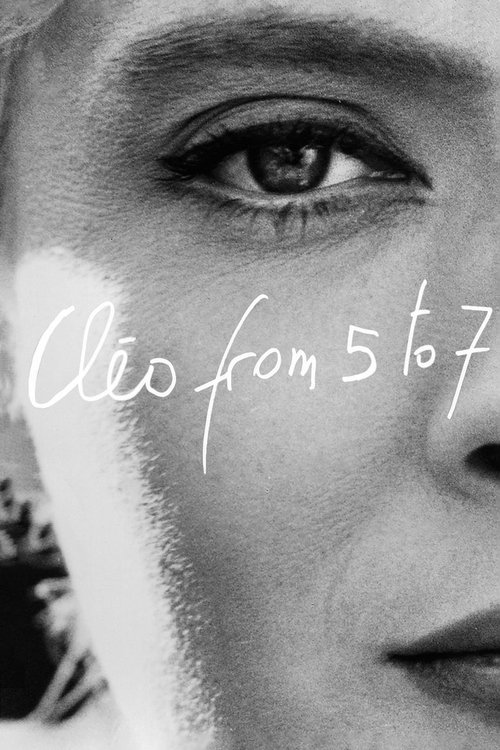
Cléo from 5 to 71962
Both centre on a woman in motion—physically pursuing someone or something. Both blend comedy with emotional vulnerability. But Varda is formally avant-garde where your film is classically structured; she's 1960s Paris existentialism where Companion is 1970s Tehran comedy-romance.
Agnès Varda's real-time portrait of a woman waiting for medical test results, wandering Paris. French New Wave, but what matters is that it's a journey film about a woman pursuing something (answers, connection, distraction) that mirrors Aatefeh's pursuit—but from a completely different era, culture, aesthetic.
But Literally just someone walking around Paris for 90 minutes with her thoughts. No traditional drama, no resolution. Requires you to care about observing a moment rather than following a plot.
People
Cast

- GoogooshAatefeh
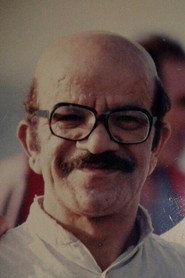 Reza Karam RezaiUncle Ghasem (Rostam)
 Asghar SemsarzadeGholamhossein
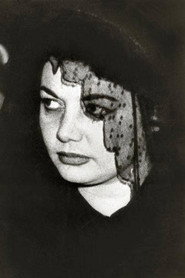 Hamide KheyrabadiAaliyeh
 Malihe NasiriAli's Mother
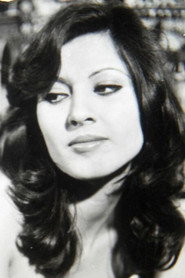 HodaAkram
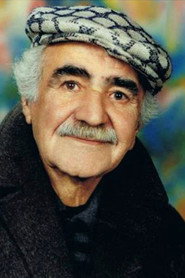 Nematollah GorjiGholamhossein's Servant
 Farhad HamidiYadollah
 Fahimeh AmouzandehAatefeh's Sister
 ShararehGholamhossein's Maid
 Giti BeheshtiAshraf
Directing
- Masud AsadollahiDirector
Writing
- Masud AsadollahiWriter