
Film
Where Is The Friend's House?
Kiarostami's tender masterpiece follows an eight-year-old boy through a single afternoon as he tries to return a borrowed notebook to a friend who faces expulsion. Shot in Iran's countryside, it moves with the unhurried rhythm of childhood—patient, precise, alive to small gestures and the weight of good intentions. For anyone moved by genuine human kindness and cinema that trusts silence.
Should you watch it?
Watch it if you find deep pleasure in a small, urgent errand seen at a child's eye level, where a stubborn adult world and the rhythm of a village quietly reveal themselves through patient, observant camera work.
Skip it if you need plot to keep moving, since this one runs on repetition, long walks and grownups who barely explain themselves.
What it asks of you: Expect eighty-three minutes of unhurried walking through the same lanes, and plenty of waiting for a door to open.
Not sure? Find tonight's pick in a minute.
If you liked this
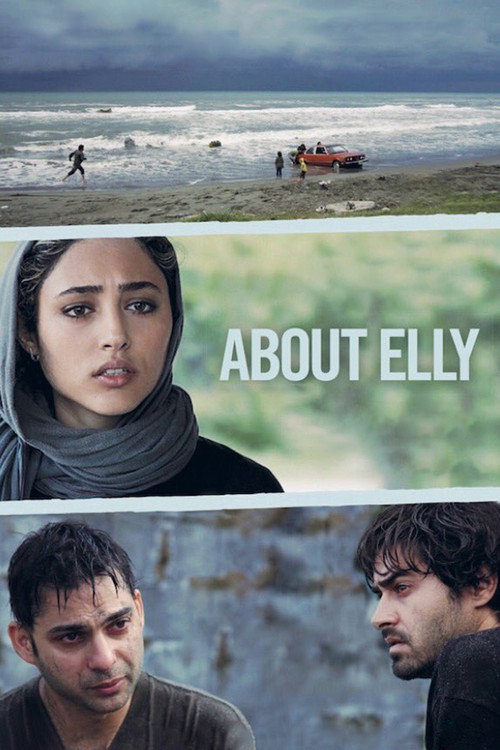
About Elly2009
Asghar Farhadi's deliberate unraveling of a group weekend explores how secrets fracture community and moral certainty. Each character reveals themselves gradually, with devastating specificity and human complexity.
But The pacing is slow and the emotional terrain is bleak. There's no catharsis, only the cold clarity of complicity.
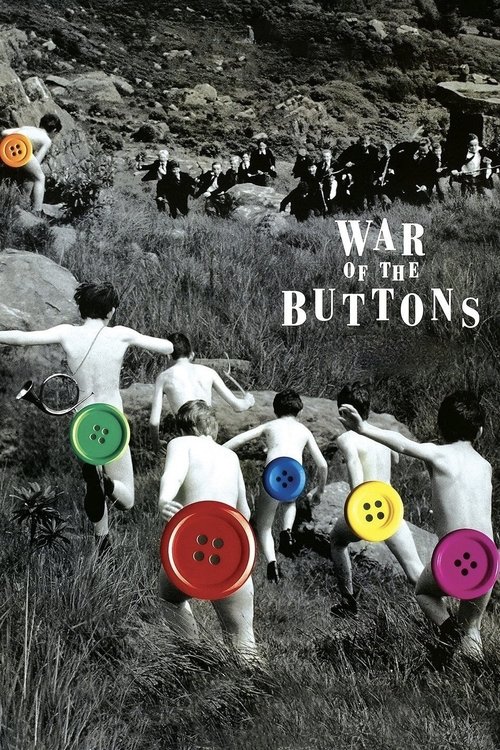
War of the Buttons1994
A French film about rival groups of village children waging suburban skirmishes. It captures the genuine stakes and diplomacy of childhood with the same attentive eye, though with more mischief and slapstick joy.
But It's lighter in tone—some may find it feels slight compared to the weight of what Kiarostami achieves in half the runtime.
Pan's Labyrinth2006
Del Toro's Spanish Civil War fairy tale follows a girl navigating impossible choices between two worlds. Like Kiarostami, it respects childhood as morally serious—the girl's agency matters absolutely, and the cost is real.
But It's dark, violent, and fantastical—a very different register from the neorealist clarity of a boy walking through a village.

Not sure tonight? Get a pick in a minute, starting from Where Is The Friend's House?
The wildcard
Something you would not have found on your own.
Stalker1979
Both are episodic journeys where what is learned en route matters more than the destination; both trust long takes and silence as moral instruments; both filmmakers believe that how you travel reveals who you are.
Tarkovsky's philosophical science-fiction film follows three men on a journey through a mysterious zone toward a room that grants wishes. Like Kiarostami, it's about the moral weight of desire and the journey mattering more than arrival. Shot with the same patient precision and faith in silence.
But It's 163 minutes of slow tracking shots and metaphysical dialogue. If you need plot momentum or even answers, this will feel glacial and opaque.

More like this (8)
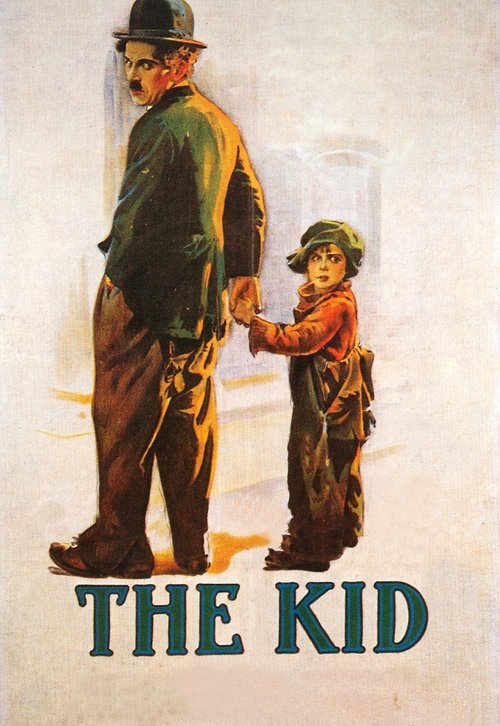
The Kid1921
Chaplin's silent film about a man and abandoned boy navigating poverty together. The same quiet emotional precision, the same faith in gesture over explanation, the same belief that small kindnesses are everything.
But It's nearly a century old and in black and white. The sentimentality, though genuine, can feel dated to modern eyes.
A Prophet2009
Audiard's prison drama tracks a young man's metamorphosis through accumulated small moments and conversations. The pacing is hypnotic, the observation surgical; you watch destiny forge itself through ordinary interactions.
But It's long, violent, and set in claustrophobic spaces. The world is harder and darker than anything in Kiarostami's village.

Moonlight2016
Jenkins' triptych about a boy becoming a man across three moments in time. It moves with the same patient rhythm, trusting silence and glances to communicate what dialogue cannot. Intimacy as a form of survival.
But The narrative is fragmented and elliptical. Some scenes feel underwritten if you're expecting plot momentum.

Come and See1985
Elem Klimov's Soviet war film follows a boy conscripted into WWII. It's harrowing and hallucinatory, but shot through with the same conviction that childhood perspective reveals moral truth that adults ignore.
But It is extraordinarily brutal and traumatic. This is cinema as ordeal, not comfort.

Bicycle Thieves1948
De Sica's Italian neorealist classic tracks a man and boy through Rome's streets hunting a stolen bike. Like Kiarostami, it finds profound humanity in the everyday pursuit of what matters, shot in actual locations with non-professional actors.
But The film's fatalism—its refusal of false redemption—can feel punishing. Some find the ending unbearably bleak.

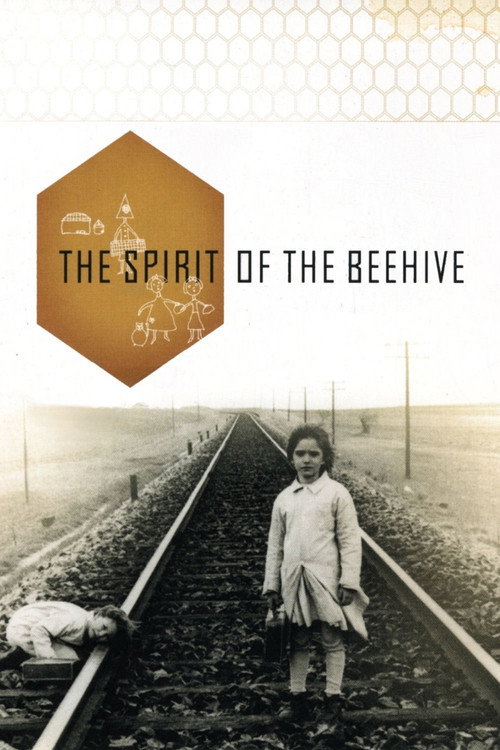
The Spirit of the Beehive1973
Víctor Erice's Spanish film observes a girl in the Basque country processing cinema, desire, and the adult world's secrets. Spare, haunting, and built entirely from the texture of looking and wondering.
But It requires active, patient viewing and rewards it sparsely. There's little plot, and the symbolism can feel obscure.
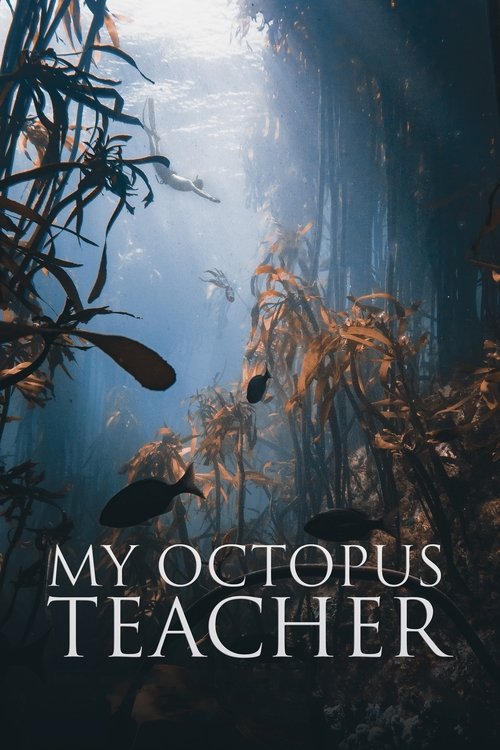
My Octopus Teacher2020
Both films are acts of attentive looking that transform the observer; both trust that quiet observation of routine behavior—walking to a house, hunting for food—contains everything that matters; both refuse to impose meaning, allowing it to emerge.
A documentary following a filmmaker observing a wild octopus in the South African kelp forest for a year. Like Kiarostami, it's built on patient looking, on the revelation that emerges when you truly pay attention to another creature's being. No narration, just presence and wonder.
But It's a nature documentary, not narrative cinema. Some will find it too gentle or too focused on marine biology rather than human drama.
L'Avventura1960
Both reject conventional plot momentum in favor of following a character through space and time, trusting that the texture of movement and encounter contains everything; both films believe cinema should feel like life, not like a story being told to you.
Antonioni's Italian masterpiece abandons its mystery plot halfway through to follow two people wandering through an island and then a city. It's formally radical—what appears to be the story isn't—and built from the texture of aimless searching and human disconnection. A very different world from Kiarostami's village, but the same unshakeable commitment to the rhythm of real time and what it reveals.
But The narrative deliberately undermines expectation. Most viewers find the first hour gripping and the second hour maddening. It's austere and can feel alienating.

People
Cast
 Babek AhmadpourAhmad Ahmadpour
 Ahmed AhmadpourMohamed Reza Nematzadeh
 Kheda Barech DefaiTeacher
- Iran OutariMother
- Ait AnsariFather
- Sadika TaohidiPersian Neighbour
- Biman MouafiAli, a Neighbour
- Ali DjamaliGrandfather's Friend
- Aziz BabaiWaiter
- Nader GhoulamiProperty Owner
- Akbar MouradiOld Man from Azerbaidjan
- Teba SlimaniHusband
Directing
- Kiumars PourahmadAssistant Director
- Abbas KiarostamiDirector
Writing
- Abbas KiarostamiScreenplay
Production
- Ali Reza ZarrinProducer
- Naser Zera'atiProduction Manager