
Film
Taste of Cherry
- Social drama
- Slow-burning
Abbas Kiarostami's Taste of Cherry is a quiet, philosophical film about a man seeking someone to bury him after his suicide. Told almost entirely through conversations in a car, it's hypnotic and strange—meditative rather than dramatic. It asks what makes life worth living without ever being heavy-handed. For viewers patient with slow cinema and willing to sit with ambiguity.
Should you watch it?
Watch it if you like cinema that makes you sit in a car for long stretches, listening to a stranger's unhurried talk while the city slides past the windscreen, and find the quiet itself rewarding.
Skip it if you need constant incident or a quick payoff, since little happens beyond talk in a car and the long exchanges can feel repetitive.
What it asks of you: A slow, mostly static ride of about ninety-nine minutes, with long silences and patient talk that carry the weight, rewarding close attention to small shifts in faces and light.
Not sure? Find tonight's pick in a minute.
If you liked this
Tokyo Story1953
Like Taste of Cherry, it builds profound emotional weight through ordinary moments and careful observation. Both films trust their audience completely, finding depth in the spaces between words and the rhythms of daily life.
But It moves at a glacial pace by modern standards, and the emotional payoff is internal rather than cathartic. Some find it frustrating rather than moving.

The Turin Horse2011
Béla Tarr's final film shares Kiarostami's interest in existential questions and routine. Both are austere, meditative, and treat philosophical inquiry as the substance of cinema rather than decoration.
But It's bleak and repetitive in ways that feel intentional but can feel punishing. Tarr offers no consolation, and the film knows this.

Ikiru1952
Kurosawa's masterpiece about a dying bureaucrat finding meaning shares Taste of Cherry's central question: what makes life worth living? Both approach the theme with tenderness rather than morbidity.
But It's long and its emotional crescendos may feel manipulative if you're resistant to earnestness about mortality. The ending divides viewers sharply.

Not sure tonight? Get a pick in a minute, starting from Taste of Cherry
The wildcard
Something you would not have found on your own.
Stalker1979
Both use a journey through landscape (literal or urban) as the framework for a character approaching a fundamental life question, trusting cinema's ability to make thought visible.
Tarkovsky's science-fiction meditation moves through a mysterious landscape toward a metaphysical question, just as Badii's car journey moves toward an existential one. Both films use patient, hypnotic pacing to make philosophy felt rather than stated. The connection is structural and spiritual, not thematic.
But It's nearly three hours of slow movement through spaces that don't obviously change. If you want science fiction as action or plot, this will feel like watching someone think very slowly about nothing.

More like this (8)
The Seventh Seal1957
Bergman's meditation on death and meaning uses a journey structure similar to Badii's drive, and both films see dialogue as the truest way to approach unanswerable questions about existence.
But It wears its philosophy visibly and sometimes heavily. The famous chess scene with Death can feel like exactly what you'd expect a 1950s film about existentialism to do.

In the Mood for Love2000
Wong Kar-wai's film, like Taste of Cherry, finds overwhelming emotion in constraint and repetition. Both films make longing and absence tangible through patient observation and formal beauty.
But The plot is minimal, and the film privileges mood and visual composition over narrative drive. It rewards stillness; it punishes restlessness.

A Ghost Story2017
Both films wrestle with mortality, memory, and what persists. This uses a fantastical premise to explore questions that Taste of Cherry approaches through realism—but the emotional territory is strikingly similar.
But The sheet-wearing ghost could feel gimmicky, and some scenes test patience severely. It's stranger and more formally experimental than you might expect.

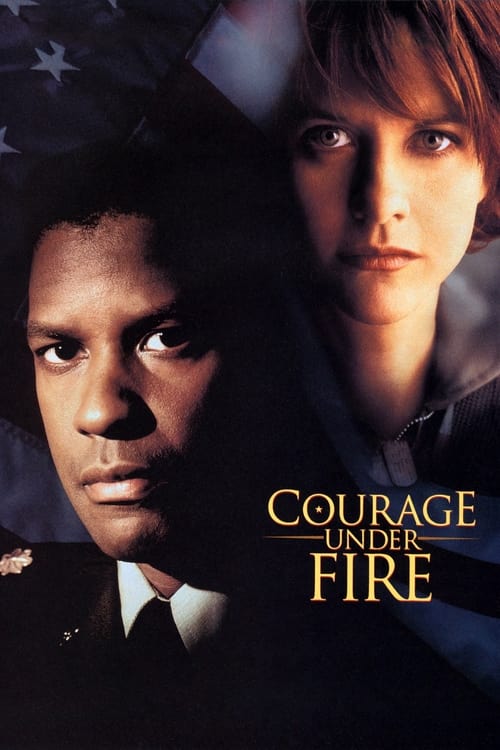
Courage Under Fire1996
Deepa Mehta's intimate drama uses confined spaces and careful dialogue to explore forbidden desire and the question of how to live authentically. The quiet intensity resembles Kiarostami's approach.
But It caused genuine controversy for its subject matter, and some cinematically adventurous viewers find the storytelling conventional despite its boldness thematically.
Woman in the Dunes1964
Hiroshi Teshigahara's film, like Taste of Cherry, asks whether existence itself is the question. Both are formally inventive about seemingly static situations and find philosophy in entrapment.
But The surrealism can feel dated, and the pacing is deliberately uncomfortable. It's genuinely alienating in ways that don't always pay off emotionally.

A Prophet2009
This French prison drama shares Taste of Cherry's interest in transformation through relationship and dialogue. Both films show how connection with another person can shift someone's entire understanding of their life.
But It's violent and brutal in places, and the optimism it offers can feel earned but still incomplete. The ending's hopefulness might feel unearned if you're cynical about redemption.

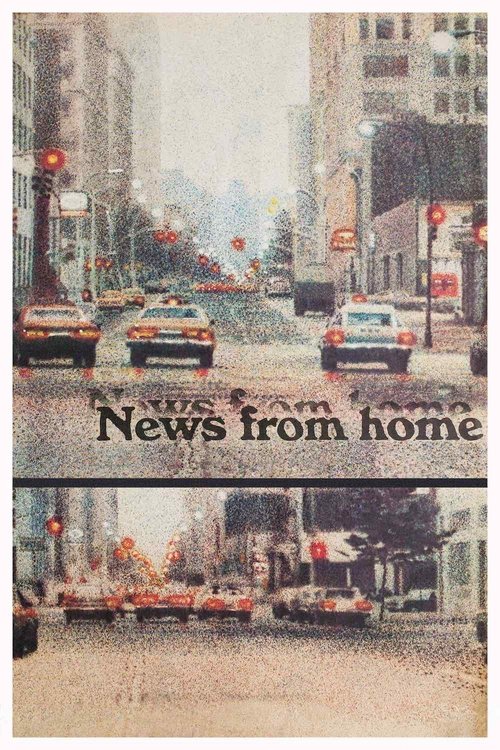
News from Home1976
Both use repetition and constraint (in Taste of Cherry, the car; here, the fixed camera) to make invisible emotional states—distance, desire, mortality—tangible.
Chantal Akerman's experimental documentary consists entirely of letters read over static shots of New York City streets. Like Taste of Cherry, it's a minimalist inquiry into isolation, distance, and connection. Radically different form, identical emotional terrain.
But There is almost no traditional documentary content. You're listening to private correspondence over blank urban footage. It's deliberately austere and can feel like an endurance test rather than art.
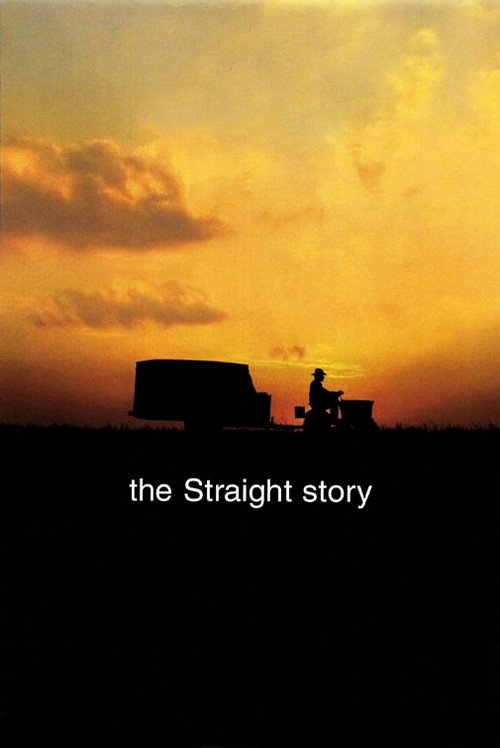
The Straight Story1999
Both are journeys by vehicle through landscapes meeting strangers, and both use these encounters to explore what it means to live with dignity and grace when life is hard.
David Lynch's G-rated film about an elderly man riding a lawnmower across Iowa to reconcile with his estranged brother is deceptively profound. Like Taste of Cherry, it finds metaphysical weight in quiet movement and ordinary encounters. It's Lynch at his most humane and least obvious.
But It's gentle where you might expect darkness. Lynch fans often resent it for being sincere rather than cryptic, and the warmth can feel saccharine if you're allergic to American sentimentality.
People
Cast
 Homayoun ErshadiMr. Badii
 Abdolrahman BagheriMr. Bagheri
 Safar Ali MoradiSoldier
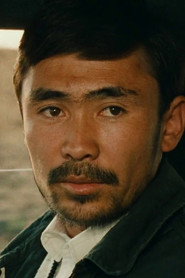 Mir Hossein NooriSeminarian
- Elham ImaniPhotographer
- Ahmad AnsariSelf
 Abbas KiarostamiSelf (uncredited)
Directing
- Abbas KiarostamiDirector
- Hassan YektapanahFirst Assistant Director
- Bahman KiarostamiSecond Assistant Director
Writing
- Abbas KiarostamiWriter
Production
- Abbas KiarostamiProducer
- Alain DepardieuProducer
Recommended by
Close-Up, The Go-Between, Our Mutual Friend, Time Indefinite, Before the Rain, Thérèse Raquin, Pelle the Conqueror, Sitcom, Museum Hours, The Long Farewell, Climates, Sex and Lucía, Pushpak Vimaan, Companion, Ghosts