
Film
Thérèse Raquin
A silent German-French co-production of Zola's claustrophobic novel about adultery and murder. Thérèse and her lover drown her husband, then descend into psychological torment as guilt poisons everything. Expressionist in mood, hypnotic in its fixation on damaged souls trapped by consequence. For anyone drawn to silent cinema's capacity for interior darkness.
Should you watch it?
Watch it if you are drawn to slow, claustrophobic melodrama where the camera lingers on faces and the dread builds from small domestic gestures rather than plot.
Skip it if you want quick cuts, bright company or a story that lightens up; the performances are broad and the mood stays bleak from start to finish.
What it asks of you: Ninety minutes, unhurried and close-framed; it wants you to settle into quiet scenes and read faces more than dialogue.
Not sure? Find tonight's pick in a minute.
If you liked this
Nosferatu1922
German Expressionism's masterpiece of dread and atmosphere. A vampire film that's really about plague, desire, and the creeping doom of fate. Hypnotic, genuinely disturbing, and visually astonishing even now.
But Slow by modern standards and the acting style takes adjustment. Black-and-white silent film is a commitment.

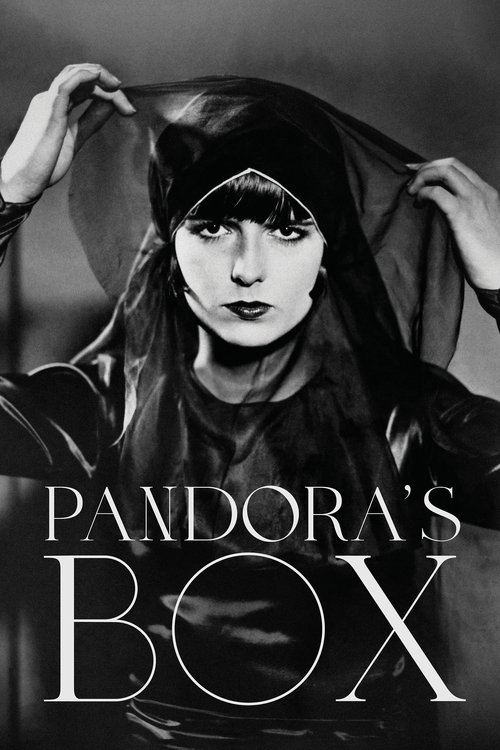
Pandora's Box1929
Louise Brooks in Pabst's portrait of moral corruption and sexual power. A woman's destructive charisma ruins everyone around her. Elegant, perverse, and surprisingly modern in its refusal to judge her.
But The print quality varies wildly depending on which version you find. Sexually frank for 1929 but visually restrained by today's standards.
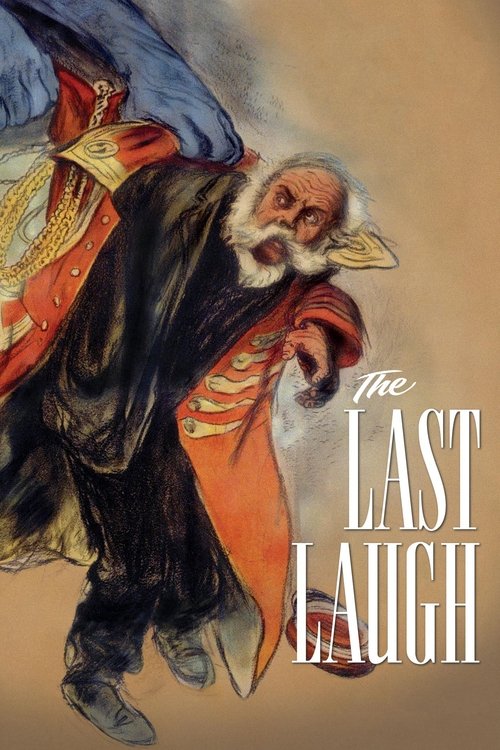
The Last Laugh1924
Emil Jannings as a doorman whose identity collapses. Emotionally devastating, technically revolutionary—the camera moves in ways that feel cinematic even now. Pure visual storytelling at its finest.
But Very short and very slow. No intertitles to explain, so you're reading gesture and expression constantly. Not a relaxing watch.
Not sure tonight? Get a pick in a minute, starting from Thérèse Raquin
The wildcard
Something you would not have found on your own.
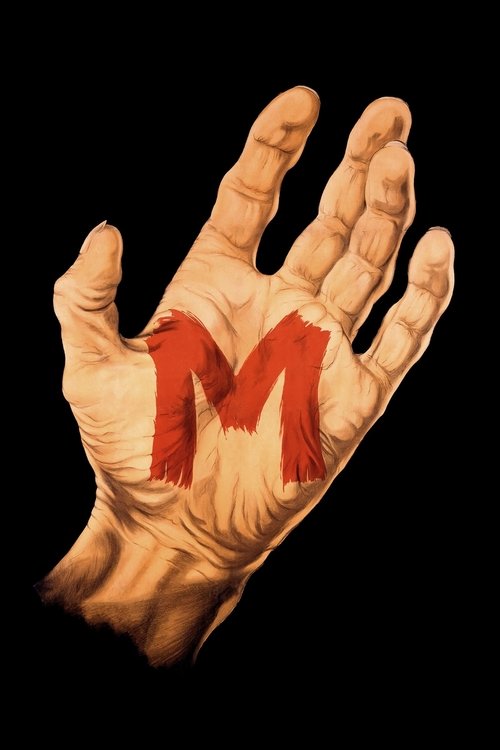
M1931
Both films descend into psychological torment as consequence. Both explore guilt, both trap their characters in rooms with their own corruption, both use German Expressionist visual language to show interior collapse.
Fritz Lang's Weimar masterpiece: a child murderer hunted by both police and the criminal underworld. Sound film's birth as a moral and artistic medium. Technically revolutionary, morally unsparing, terrifyingly modern.
But The depiction of a pedophile, even unsympathetically, is disturbing to watch. Long courtroom sequences are deliberately slow. Bleak without relief.
More like this (8)
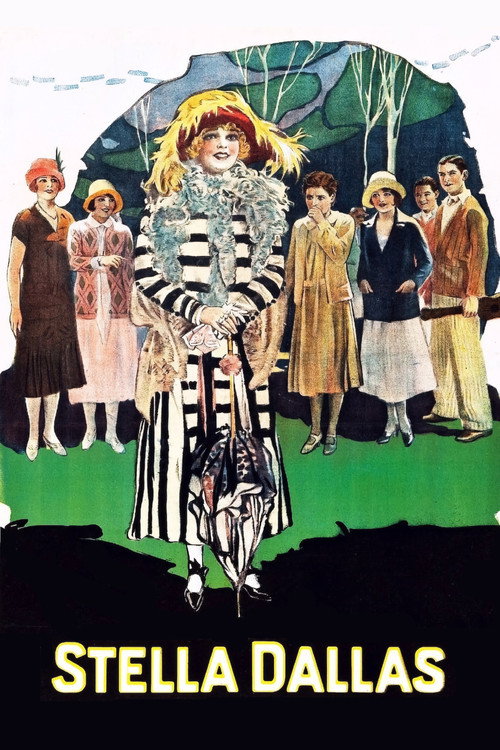
Stella Dallas1925
Belle Bennett's working-class mother sacrifices everything for her daughter's social advancement. A tearjerker about class, motherhood, and the cost of aspiration. Gorgeously shot and genuinely moving.
But The plot hinges entirely on sentimentality. If melodrama doesn't move you, this will feel manipulative and dated.
The Phantom Carriage1921
Swedish masterpiece about a drunkard confronted by ghosts on New Year's Eve. Visually inventive, morally serious, and built on genuine supernatural dread. Influenced everything that came after.
But Runs over two hours in some versions. The pacing is glacial and the spiritual moralizing feels heavy-handed by modern standards.

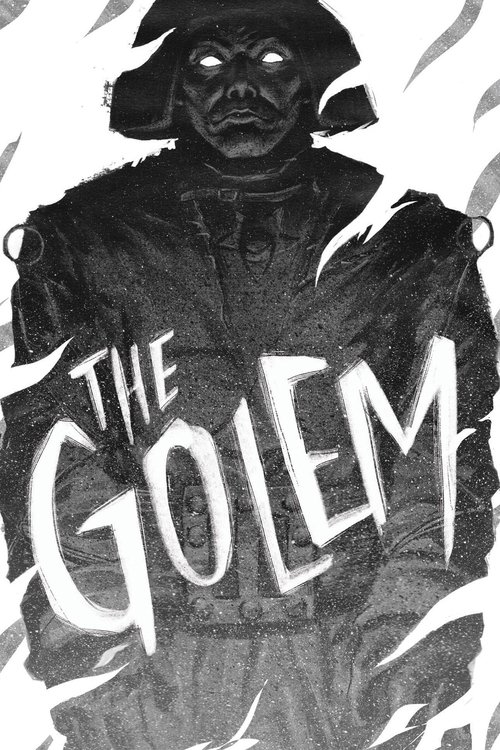
The Golem: How He Came into the World1920
Prague's Jewish ghetto, a rabbi's creation, and the collision between faith and consequence. Stunningly designed, thick with atmosphere, and genuinely unsettling about power and responsibility.
But Incoherent in places and the print deterioration is noticeable. The spiritual framework might feel obscure if you're unfamiliar with the legend.
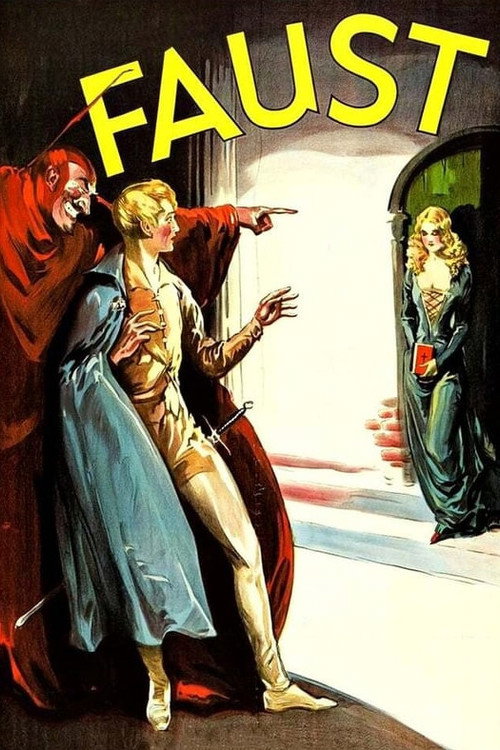
Faust1926
Murnau's lavish, dazzling version of the Faustian bargain. Technically audacious—the special effects still impress. Mephistopheles is genuinely charming and terrifying.
But Scales and ambition sometimes overwhelm the character work. At 107 minutes, it tests patience for silent-film pacing.
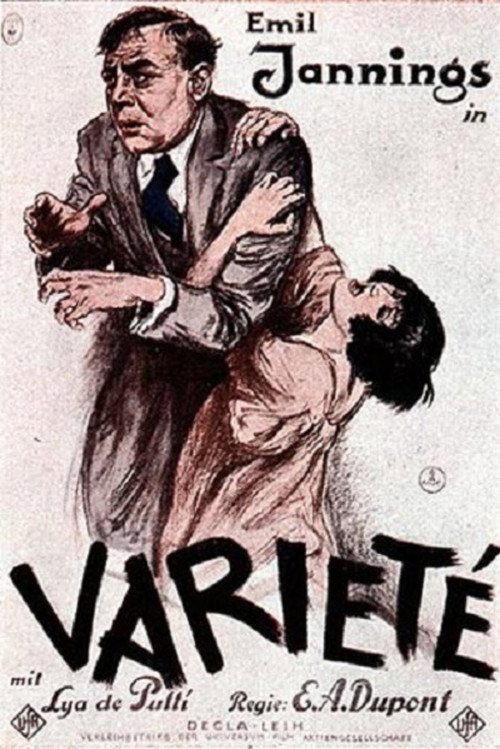
Variety1925
Emil Jannings again, now as a trapeze artist destroyed by obsession and betrayal. The carnival setting gives it sensual energy. The camera work is daring and the emotional wreckage feels real.
But The plot is somewhat familiar—jealousy, betrayal, downfall. The print quality can be rough. Requires comfort with theatrical performance styles.
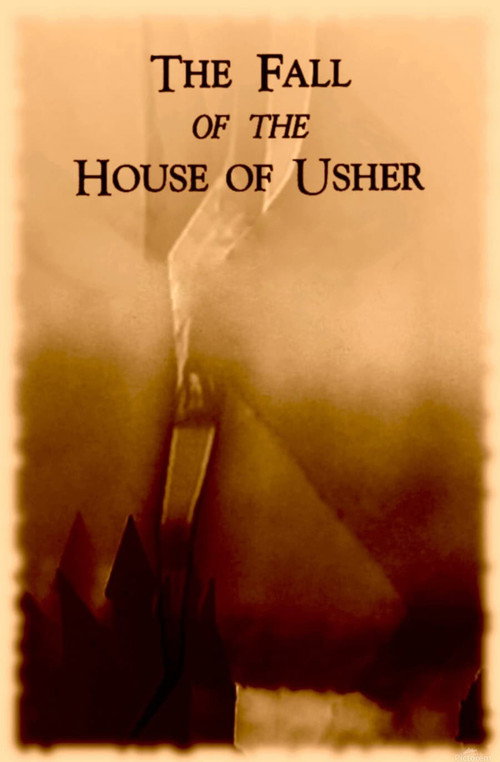
The Fall of the House of Usher1928
Jean Epstein's dreamlike adaptation of Poe. Decaying Gothic atmosphere, psychological deterioration, and visual experimentation. Haunting and formally inventive.
But Aggressively slow and abstract. Plot barely registers—it's mood and image. If you want narrative clarity, you'll be frustrated.
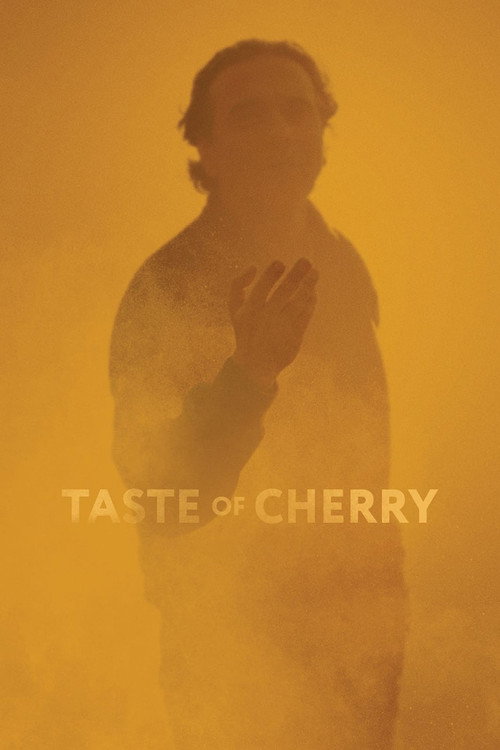
Taste of Cherry1997
Both are about characters consumed by their own thoughts, trapped in enclosed spaces (a room, a car), unable to escape the weight of what they've done or chosen. Both use sparseness—minimal dialogue, minimal setting—to force attention inward. Both suggest that isolation is its own form of drowning.
Kiarostami's Iranian film about a man driving through Tehran seeking someone to bury him after his suicide. Deceptively simple—really a meditation on mortality, meaning, and why we stay alive. Shot in long static takes. Hypnotic.
But Almost no plot. Three conversation-driven scenes in a car. If you need incident and forward momentum, this will bore you into frustration.
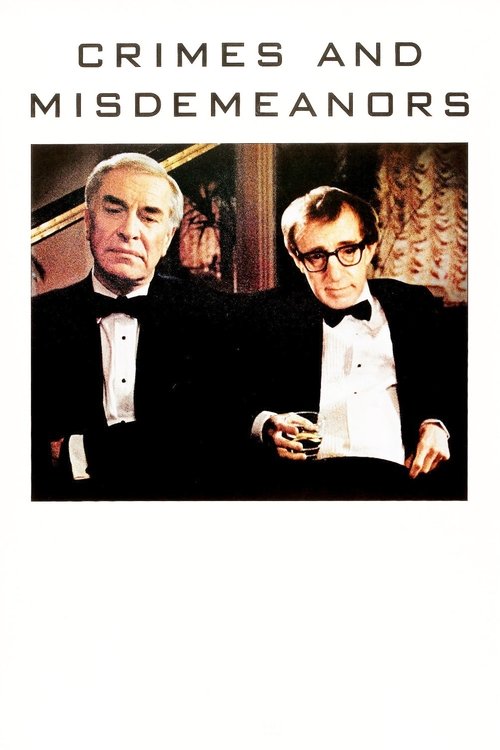
Crimes and Misdemeanors1989
Both films insist that guilt cannot be escaped even when legal consequences don't materialize. Both watch characters destroy themselves from within, unable to confess or be punished. Both understand that the real torment is internal, not external. One is silent and German; one is New York and chatty. Same moral engine.
Woody Allen's darkest film: a man murders his mistress and gets away with it, then must live with what he's done. It's funny and devastating. Treats guilt and consequence with genuine moral weight while never losing its dark comedy.
But Blends Allen's lighter touch with unbearable darkness—the tonal shifts can feel jarring. The ending refuses catharsis or redemption. Some will find it cynical.
People
Cast
- Gina ManèsThérèse Raquin
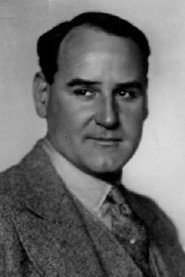 Hans Adalbert SchlettowLaurent
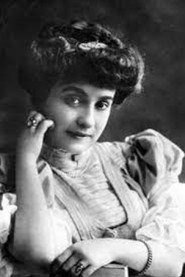 Jeanne Marie-LaurentMme. Raquin
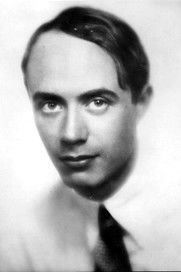 Wolfgang ZilzerCamille Raquin
 La JanaSusanne Michaud
- Paul HenckelsGrivet
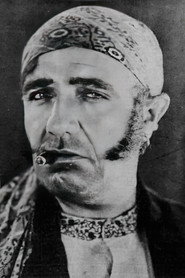 Charles BarroisMichaud
- Peter C. LeskaRolin
Directing
- Jacques FeyderDirector
Writing
- Émile ZolaNovel
- Fanny CarlsenScreenplay
- Willy HaasScreenplay
Production
- Jacques FeyderProducer