
Film
The Fall of the House of Usher
Other titles called The Fall of the House of Usher: the 2023 series (Netflix).
- Horror
- Psychological thriller
- Drama
- Very dark
A 1928 silent adaptation of Poe's Gothic tale, rendered as a fever dream of distorted angles and shadows. Roderick Usher descends into paranoia about his family's curse, determined to stop his sister's wedding. It's expressionist horror at its most purely visual—no dialogue, just mood, dread, and the architecture of decay made flesh.
If you liked this
Nosferatu1922
The grandfather of vampire cinema uses the same visual language of shadow and geometric dread. Count Orlok is terror incarnate, and the film moves with an uncanny, jerky grace that will feel immediately familiar to Usher fans.
But It's also silent and also 1920s German Expressionism, so if you find that era's pacing too slow or the aesthetic too austere, you won't connect here either.

The Phantom Carriage1921
Swedish Gothic about guilt and the supernatural, steeped in the same melancholy dread. It uses light and shadow as weapons, and the emotional weight—a man seeing the consequences of his cruelty—lingers far longer than the runtime suggests.
But Even slower than Usher, with sequences that ask you to sit in discomfort. The pacing will feel punishing if you're after conventional narrative momentum.

The Cabinet of Dr. Caligari1920
The definitive expressionist nightmare: warped sets, unreliable reality, a descent into madness that parallels Roderick's own psychological unraveling. It's viscerally unsettling in ways that transcend the century-old medium.
But The plot twist divides people sharply. Some find it brilliant; others feel cheated by the framing device. You'll know which camp you're in within minutes.

Not sure tonight? Get a pick in a minute, starting from The Fall of the House of Usher
The wildcard
Something you would not have found on your own.
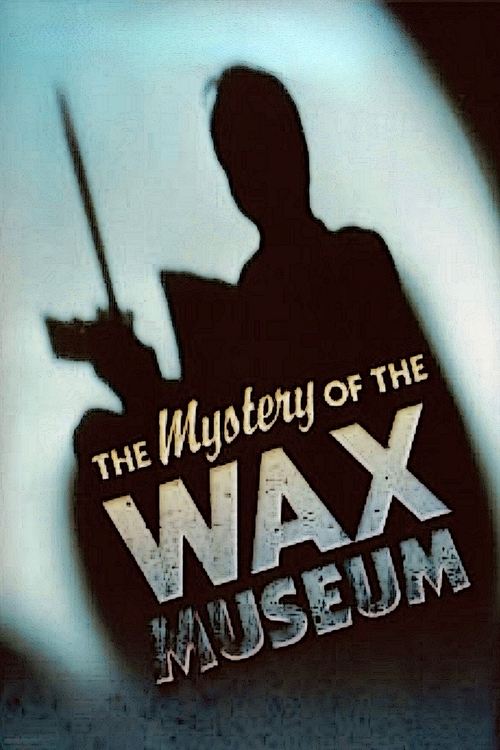
Mystery of the Wax Museum1933
Both are early horror shorts built on atmosphere and visual distortion rather than plot; both use confined spaces and psychological decay as the real monster.
Also a 1930s horror short, but French and in the Gothic tradition—yet visual rather than narrative. A man pursued through chambers of wax figures; the pace and pacing mirror Usher's fever-dream logic, but the aesthetic is darker, more deliberately grotesque.
But Even more obscure than Usher, rarely screened, and the print quality varies wildly depending on where you find it. You're committing to archaeological viewing.
More like this (8)
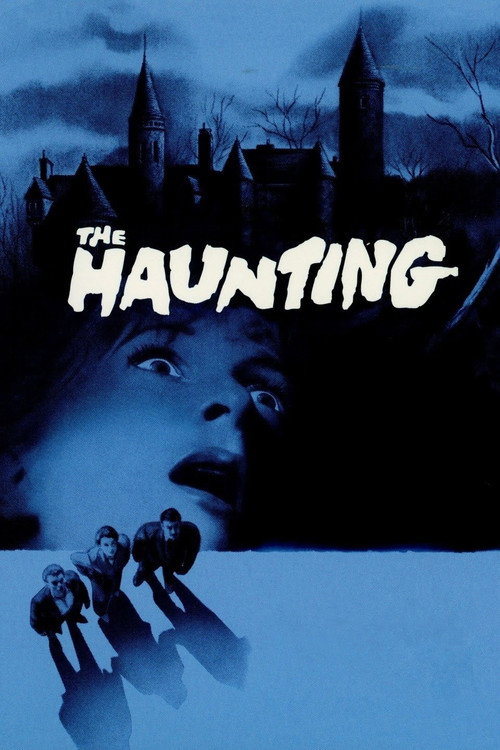
The Haunting1963
Robert Wise's masterpiece of psychological horror—a house that may or may not be genuinely haunted, a woman's sanity fragmenting, ambiguity weaponized. It trusts silence and suggestion the way Usher does, building dread through what you don't see.
But No jump scares, no gore, and a finale that resists resolution. If you need horror spelled out clearly, this will frustrate you.
Suspiria1977
Dario Argento's garish, dreamlike descent into a dance school run by witches. It prioritizes pure atmosphere and visual grotesquerie over plot coherence. The color palette is fever-bright, but the mood is suffocating—Expressionism's direct descendant.
But The sound design is aggressively artificial, the plot barely holds together, and the violence is stylized in ways that can feel silly rather than scary if it doesn't land for you.

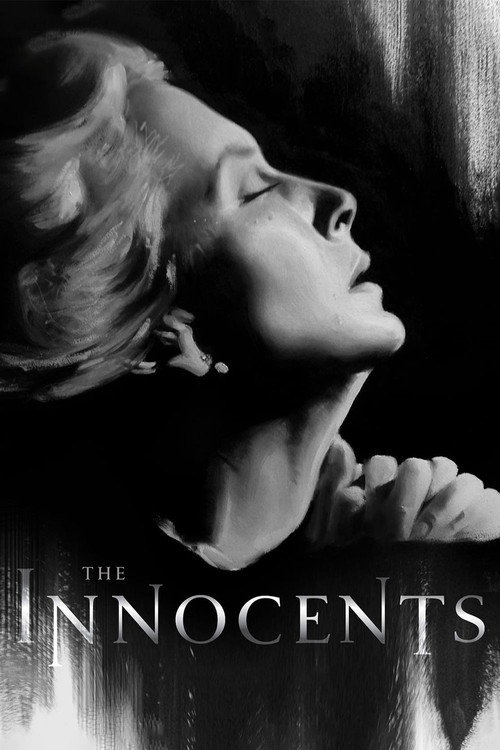
The Innocents1961
A governess and two children in an isolated estate; the ghosts may be real or imagined. Jack Clayton's film moves with the same creeping certainty of doom, and it understands that the most effective horror is psychological, not visceral.
But Patience is required. It builds gradually, and if you're expecting horror beats at regular intervals, you'll check your watch before the payoff arrives.
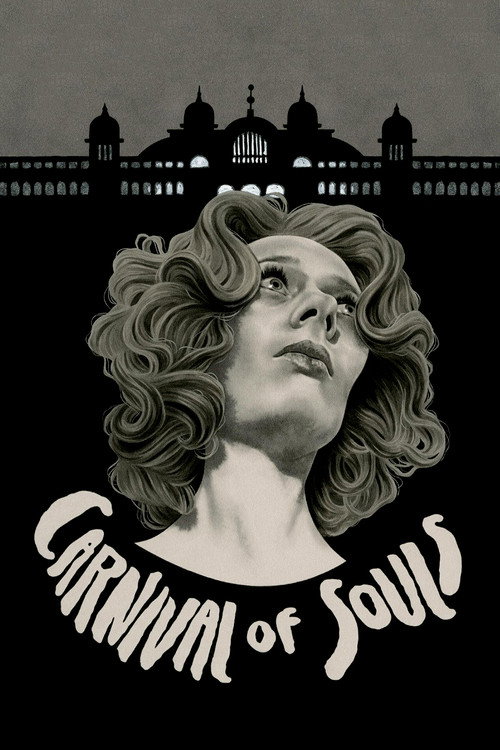
Carnival of Souls1962
A low-budget American film that captures genuine uncanniness through repetition and wrongness. The protagonist's alienation and the film's grainy, ghostly aesthetic create an atmosphere that lingers in your chest like Usher does.
But The acting is stiff, the dialogue functional, and the budget shows. Watching it demands you meet the film halfway on its own terms.
The Wailing2016
A modern horror film that returns to Expressionist ideas about ambiguity and dread. A woman's sickness spreads through a village; it may be supernatural or psychological. The final images haunt with the same inexplicable weight as Usher's collapse.
But Nearly three hours, with a narrative that deliberately refuses to resolve. Some viewers feel enlightened; others feel deliberately withheld from.

Under the Skin2014
Scarlett Johansson as an alien harvesting humans in Scotland. It's almost entirely visual and mood-based, with long sequences of pure atmosphere. The alienation and dread feel Expressionist even though it's a contemporary film.
But There's almost no dialogue, no conventional plot structure, and sequences designed to test your patience. It's the closest thing to experimental filmmaking in mainstream distribution.

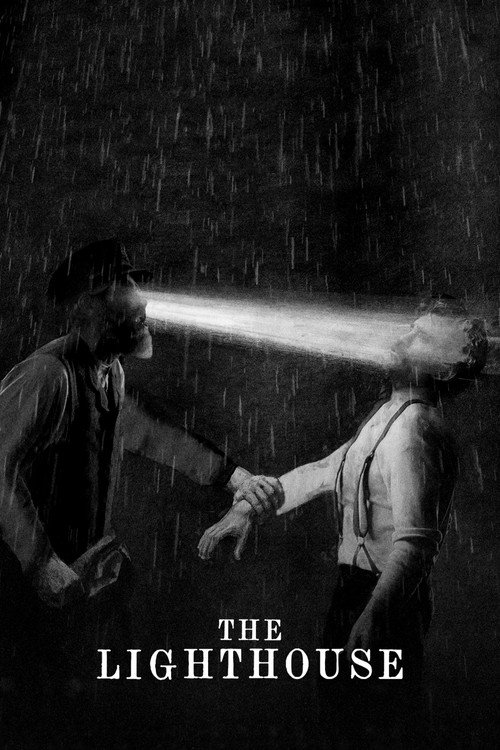
The Lighthouse2019
Both films treat the human mind as more dangerous than any supernatural force, and both use decay—of buildings, of morals, of sanity—as the actual subject.
Two men in isolation, madness creeping in, family secrets and moral rot. Shot in black-and-white on VistaVision and steeped in folklore. It has the same claustrophobic paranoia as Usher, but inverted—the horror is relational, two people corroding each other rather than a family legacy.
But Robert Eggers' stylization borders on parody for some viewers. The thick accents, the archaic language, and the commitment to artifice can feel more theatrical than terrifying.
Come and See1985
Both films use visual distortion and psychological decay to show corruption from within. Usher's family curse has the same inexorable weight as Come and See's historical inevitability.
A Soviet war film, not horror in the traditional sense, but it is a descent into apocalyptic nightmare. A boy's gradual corruption by violence, shot with the same relentless visual fever as Usher. Moral degeneration made visceral and inescapable.
But This is not escapism. It depicts real historical atrocity in unflinching detail. The commitment to showing human cost is uncompromising; it will exhaust and unsettle you in ways that may feel punitive.

People
Cast
- Herbert SternRoderick Usher
- Hildegarde WatsonMadeline Usher
- Melville WebberA Traveller
- Friedrich Haak(Uncredited)
- Dorthea House(Uncredited)
Directing
- James Sibley WatsonDirector
- Melville WebberDirector
Writing
- Melville WebberScreenplay
- Edgar Allan PoeShort Story