
Film
Story of My Death
Sergei Bodrov's audacious 2013 film imagines Casanova's final years in a Transylvanian castle, where the Enlightenment libertine confronts darkness, superstition, and mortality itself. It's a philosophically restless period piece that rejects comfort and narrative safety—poetic, strange, occasionally brutalist. For viewers hungry for cinema that thinks.
If you liked this
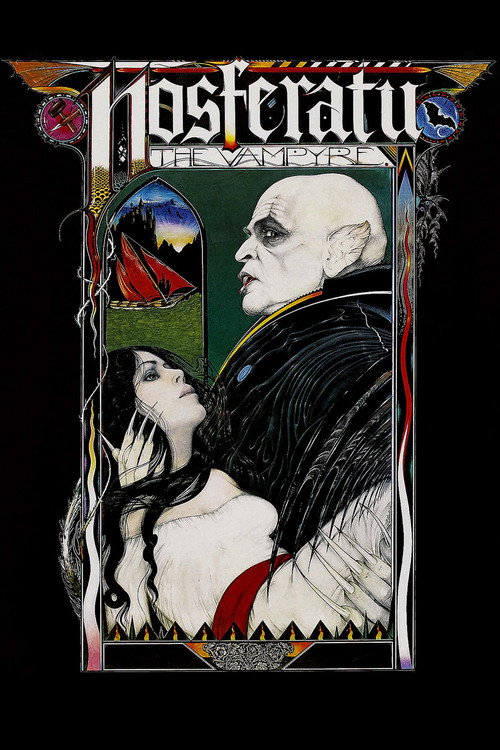
Nosferatu the Vampyre1979
Werner Herzog's hypnotic remake treats vampirism as cosmic loneliness and philosophical despair rather than Gothic melodrama. Kinski's Dracula is mortality made flesh, a perfect thematic companion to Bodrov's material.
But It moves like a funeral march. If you want propulsive storytelling or scares, this will frustrate you deeply.
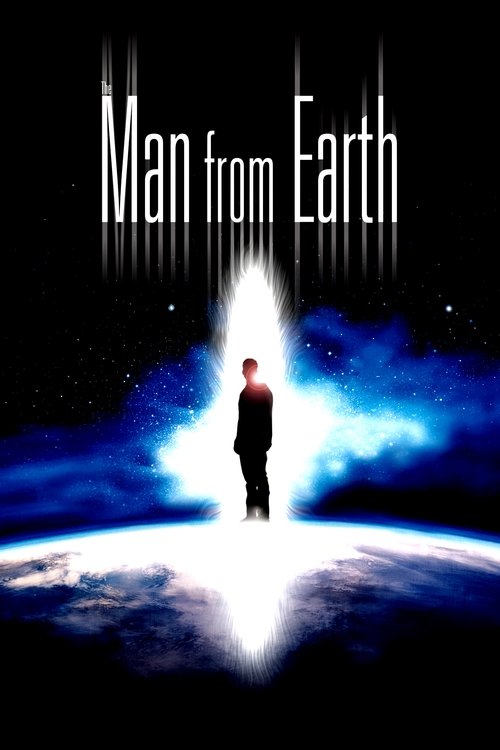
The Man from Earth2007
A chamberpiece where an immortal man's rationalism collides with belief, mystery, and the inadequacy of reason. Low-budget but philosophically serious in exactly the way Bodrov's film is.
But Deliberately sparse and talky. The entire film happens in one room with modest production values.
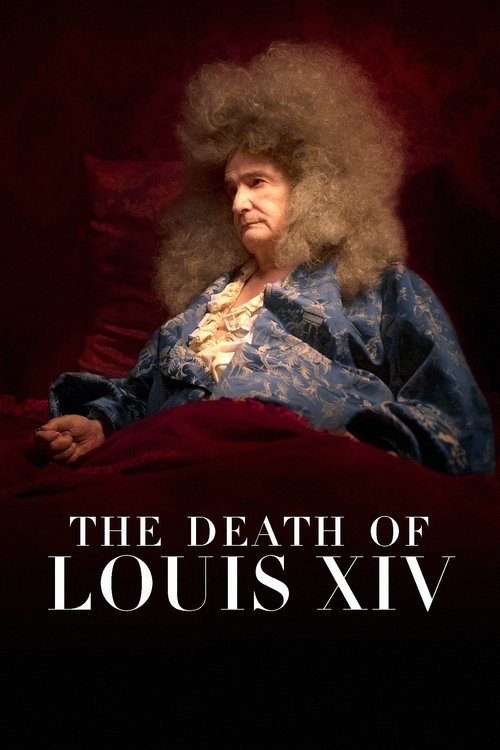
The Death of Louis XIV2016
Albert Serra also directs Versailles excess and royal mortality with painterly slowness. Both films treat the body's failure and power's ending as metaphysical rather than dramatic events.
But It is almost plotless. Serra's aesthetic of stasis and repetition will feel like nothing is happening if you're looking for conventional forward momentum.
Not sure tonight? Get a pick in a minute, starting from Story of My Death
The wildcard
Something you would not have found on your own.
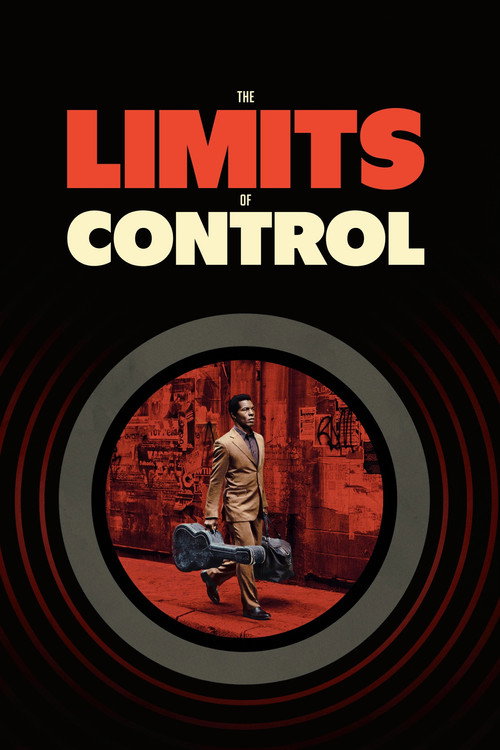
The Limits of Control2009
Both treat a man's journey through landscape and encounter as philosophical inquiry rather than adventure—reason stripped bare, leaving only presence and mortality.
Jim Jarmusch stages a philosophical Western where an assassin moves through Spain following cryptic instructions. Both films pit a man of reason against forces he cannot name or master—mood and metaphysics over plot.
But It is aggressively minimal and transcends narrative clarity entirely. This is not a thriller; it's closer to visual poetry.
More like this (5)
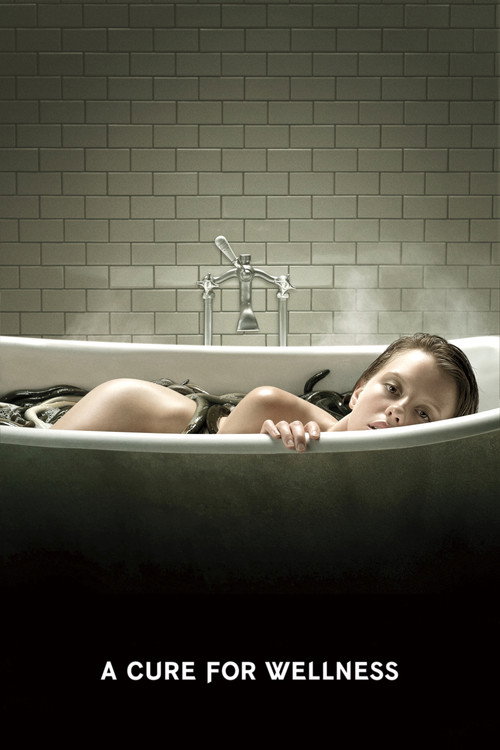
A Cure for Wellness2017
Corporate rationalist descends into an Alpine spa suffused with mythology and ritual. Visually baroque, philosophically restless, and equally suspicious of both reason and superstition.
But Nearly three hours of increasingly baroque excess. The plot becomes secondary to atmosphere and visual obsession.
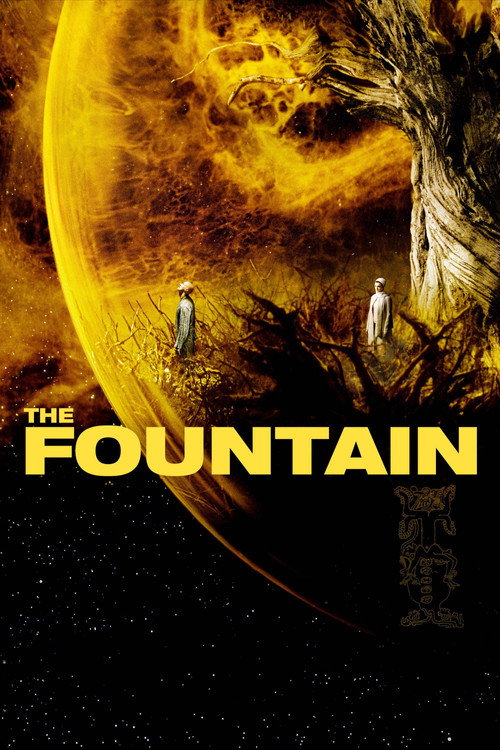
The Fountain2006
Aronofsky's three-timeline meditation on mortality, love, and the inadequacy of reason across centuries. Visually sumptuous and conceptually daring in ways that echo Bodrov's ambition.
But Cryptic and demanding. Many viewers find the structure confusing and the emotional payoff obscure.
Stalker1979
Tarkovsky's pilgrimage into a zone governed by unknown rules mirrors Bodrov's castle—a space where rational systems fail and desire, faith, and death become inseparable.
But 160 minutes of philosophical meditation with minimal conventional plot. Demands active, patient attention.

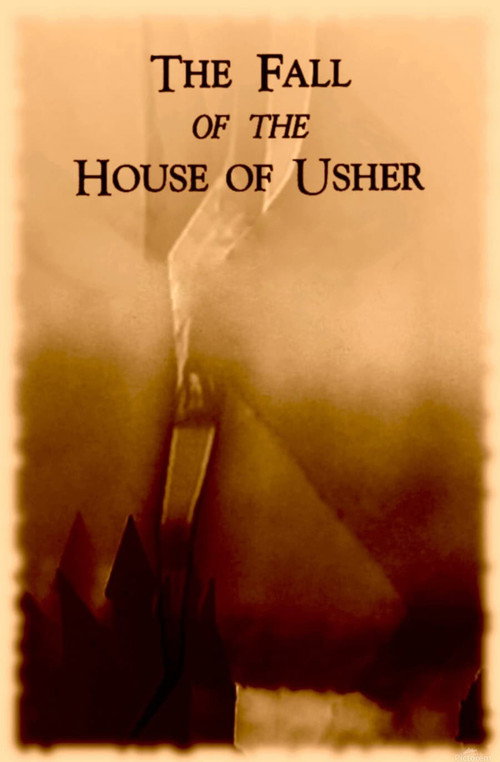
The Fall of the House of Usher1928
Epstein's silent film decadence and decay in an isolated manor. Same aesthetic DNA: rationalism crumbles before beauty, darkness, and architectural/emotional collapse.
But Silent and abstract by modern standards. The emotional register is expressionist rather than naturalistic.
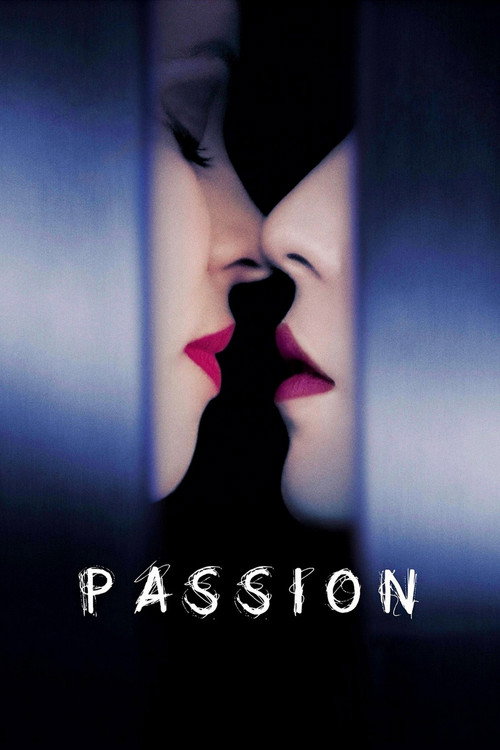
Passion2013
Both films use enclosed spaces and historical/aesthetic excess to explore how art, mortality, and desire destabilize rational perception.
Alain Resnais' final film scrambles time, desire, and theatrical artifice in a castle where a film crew's fantasies collide with reality. Like Bodrov, it treats the castle as a space where categories dissolve.
But Reflexive and puzzle-box in structure. You'll spend time confused about what's 'real' within the narrative, which some find maddening.
People
Cast
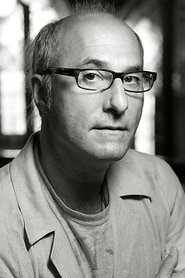 Vicenç AltaióCasanova
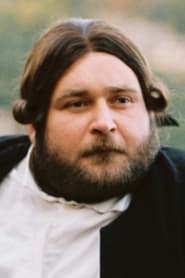 Lluís SerratPompeu
- Eliseu HuertasDràcula
- Xavier PauPare
- Clara VisaClar
- Noelia RodenasDelfina
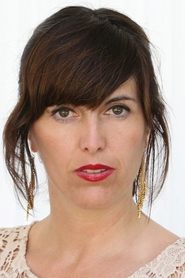 Montse TriolaCarmen
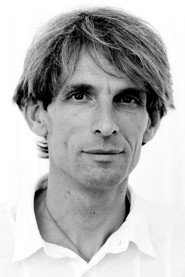 Mike LandscapePoeta
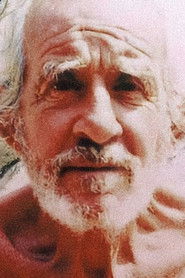 Lluís CarbóSenyor
- Clàudia RobertNoia
- Floarga DootzMare
- Rosa TharratsNoia
Directing
- Albert SerraDirector
Writing
- Albert SerraScreenplay
Production
- Montse TriolaExecutive Producer
- Albert SerraProducer
- Montse TriolaProducer
- Thierry LounasProducer
- Dan BurlacProduction Manager