
Film
The Limits of Control
- Noir mystery
- Strange
- Slow-burning
Jim Jarmusch's hypnotic noir about a solitary operative drifting through Spain in pursuit of something deliberately withheld from us—and from him. Deliberate and strange, favoring mood and visual rhythm over plot clarity. For patient viewers who prize atmosphere over answers, and who understand that mystery can be more interesting than resolution.
Should you watch it?
Watch it if you love slow, wordless films where a single hushed conversation in a café or a long walk through Spain carries more tension than any chase, and you're happy to sit with Jim Jarmusch-style stillness and a color palette built from reds and blues.
Skip it if you need plot to move forward and get restless when characters speak in riddles, meet strangers who say little, and repeat the same ritual exchange of matchboxes across scene after scene without explanation.
What it asks of you: It runs just under two hours at a deliberate, almost meditative pace, with long held shots and sparse dialogue, so it wants patience and a willingness to let meaning gather slowly rather than arrive on cue.
Not sure? Find tonight's pick in a minute.
If you liked this
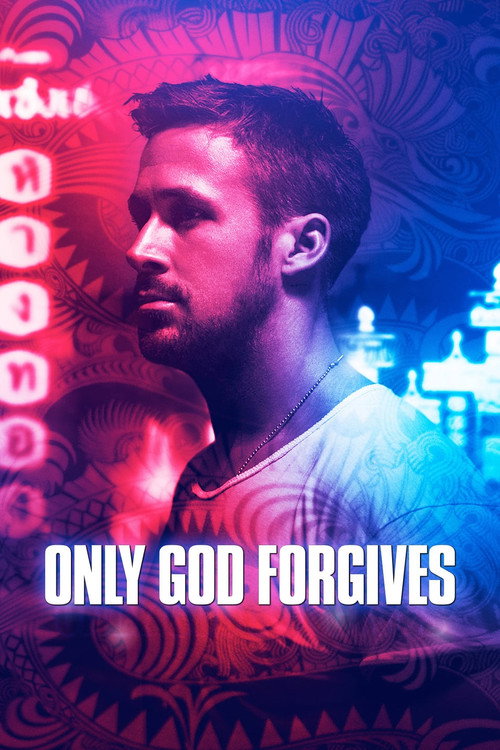
Only God Forgives2013
Nicolas Winding Refn's neon-soaked Bangkok thriller builds dread through color, silence, and the glacial intensity of Ryan Gosling's face. Hypnotic, almost meditative violence that privileges style and feeling over narrative momentum.
But Aggressively slow, emotionally remote, and the plot barely exists. Some viewers find it pretentious rather than profound.
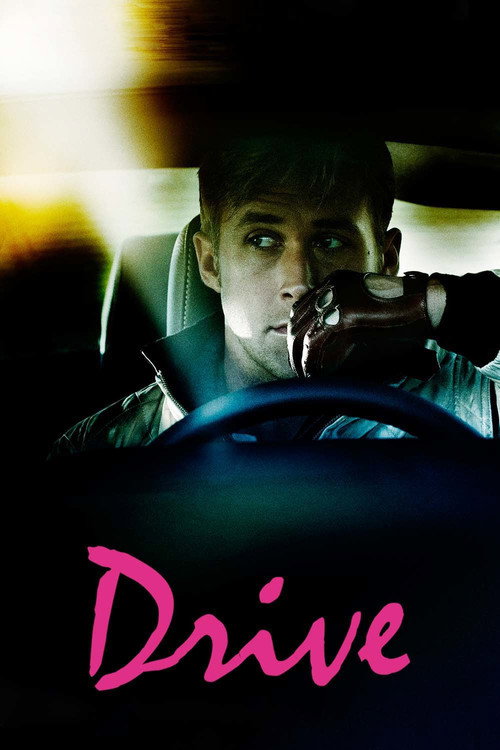
Drive2011
A laconic driver, a dangerous job, a moral line that shouldn't be crossed. Refn again finds tragedy in stillness and restraint, building extraordinary tension from what characters *don't* say, scored to a dreamy 80s synth palette.
But The narrative is simple to the point of thinness. Viewers wanting complex plotting or constant incident will find it glacial.
A Ghost Story2017
David Lowery's meditation on time, loss, and presence uses a white sheet ghost and long static shots to create something genuinely eerie and philosophical. Deeply moving without ever becoming sentimental.
But It's very slow and very strange. The ghost is literally a bedsheet. It demands patience and emotional openness, which not everyone wants from a film.

Not sure tonight? Get a pick in a minute, starting from The Limits of Control
The wildcard
Something you would not have found on your own.
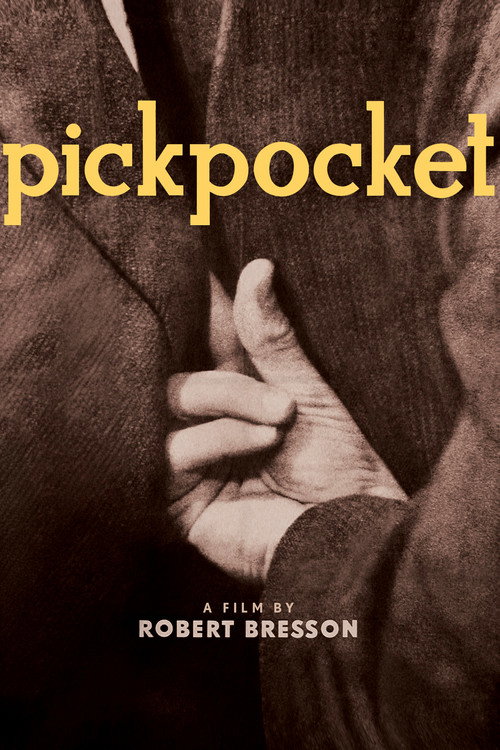
Pickpocket1959
Direct stylistic lineage. Jarmusch remakes Bresson's philosophy about the aesthetic and spiritual dimensions of solitary, ritualized action performed in public spaces.
Robert Bresson's masterwork about a compulsive thief treats crime as spiritual crisis rather than heist narrative. The hand gestures, the metro crowds, the jazz score—everything is precise and dreamlike at once. Jarmusch studied Bresson; this is where his visual language originates.
But Shot in black-and-white with non-professional actors, it's austere and demanding. The protagonist is unsympathetic and the film offers no moral comfort. It's about the *practice* of theft as a kind of prayer, not the glamour of crime.
More like this (7)
Stalker1979
Tarkovsky's Soviet science-fiction masterpiece uses long takes, natural light, and philosophical dialogue to explore desire, faith, and the nature of wants. Hypnotic and utterly singular, a film that changes how you see cinema.
But Nearly three hours of deliberate pacing and metaphysical debate. Requires complete surrender. Many find it beautiful; others find it tedious.

In the Mood for Love2000
Wong Kar-wai's ravishing Hong Kong romance uses color, costume, and camera movement to express emotions that words cannot. A film about longing told through pure visual poetry and the spacing between two people.
But Virtually nothing happens. The emotional core is conveyed entirely through composition and color, which demands active viewing and may feel cold to some.

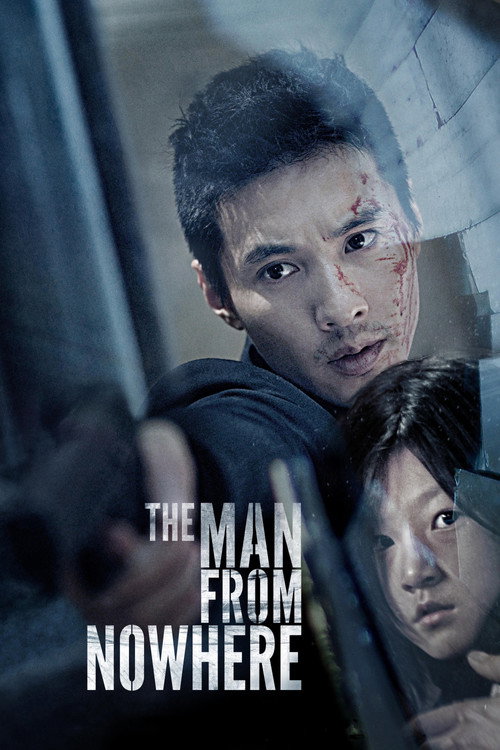
The Man from Nowhere2010
A withdrawn Korean loner with a mysterious past emerges to protect a child. Sharp, visceral action sequences and a lead performance of compelling minimalism make this genre filmmaking with real soul.
But Heavy on violence and some scenes are genuinely brutal. The emotional payoff requires patience through a fairly straightforward revenge plot.
Under the Skin2014
Jonathan Glazel's sci-fi film uses real locations, ambient sound, and Scarlett Johansson's inscrutability to create something genuinely alien and unsettling. More mood piece than narrative, utterly hypnotic.
But The plot is oblique and abstract. It's more interested in texture and unease than clarity, and feels more like an art installation than a story.

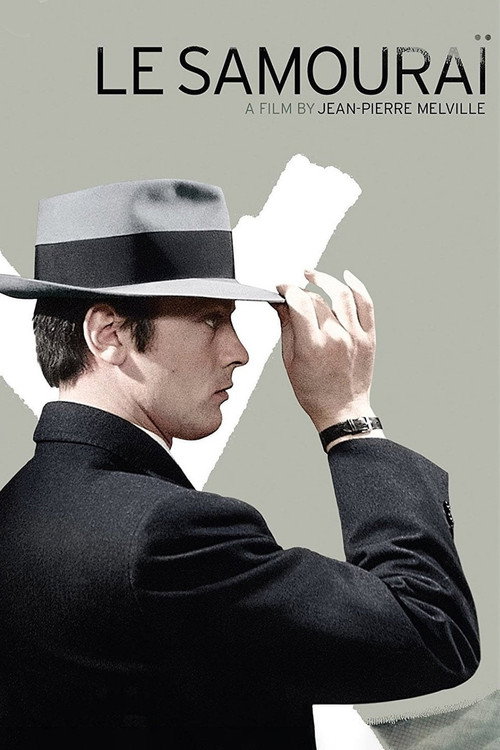
Le Samouraï1967
Jean-Pierre Melville's French crime masterpiece follows a hitman through Paris with such cool precision and visual control that even silence becomes tense. Alain Delon's face does most of the acting; the film does the rest.
But Glacially paced and emotionally remote. The plot is simple and fairly predictable; the appeal is purely in the execution and mood.
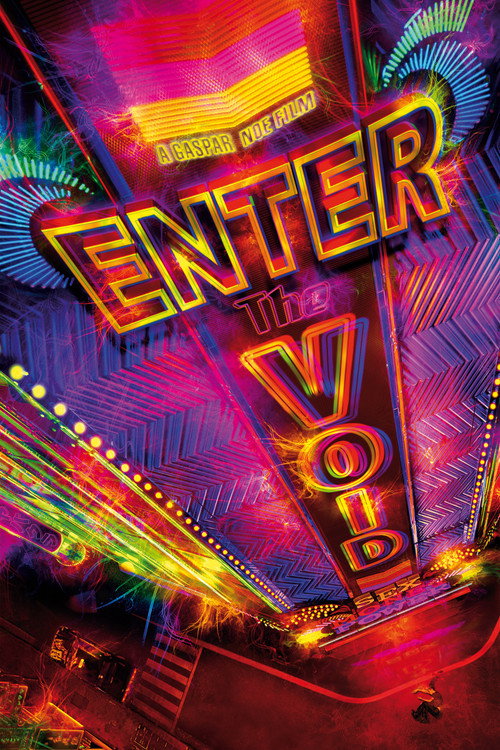
Enter the Void2010
Both films treat a protagonist's invisible mission through a city as pretext for visual and philosophical meditation. Both prioritize *watching* over *understanding*. Both arrived in 2009 as ambitious rejections of conventional narrative.
Gaspar Noé's hallucinatory Tokyo odyssey uses POV camerawork, neon, and sound design to create a visual poem about death, rebirth, and watching without agency. Aggressively strange but mesmerizing; released the same year as *Limits*.
But Nearly three hours of deliberately artificial, strobe-heavy visuals that cause actual discomfort. The plot involves suicide and is emotionally punishing. Not a film you relax into.
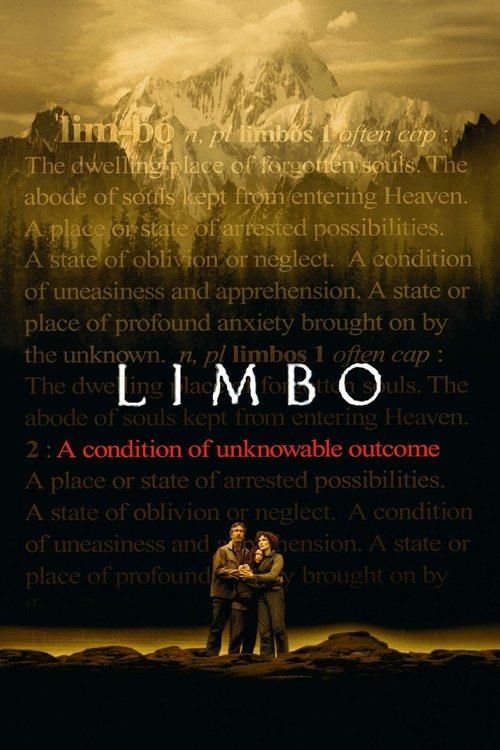
Limbo1999
Both are genre films—crime, mystery—that use those frameworks as permission to make something abstract and ambiguous instead of clarifying. Both trust the audience's discomfort.
John Sayles' Alaskan noir about a drifter, a waitress, and a dangerous secret uses landscape and silence instead of exposition. The mystery is genuine and unsettling; the ending does something genuinely different. An American indie that shares *Limits of Control*'s refusal to explain itself.
But Deliberately opaque about its own plot. Viewers who need narrative clarity will be frustrated. It's also not widely seen, so you're hunting for it yourself.
People
Cast
 Isaach de BankoléLone Man
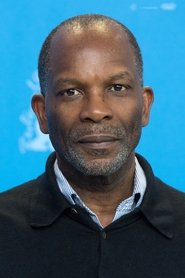 Alex DescasCreole
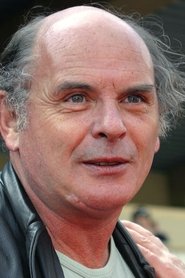 Jean-François StéveninFrench
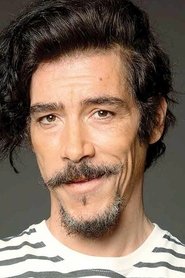 Óscar JaenadaWaiter
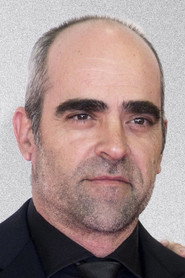 Luis TosarViolin
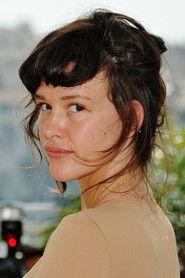 Paz de la HuertaNude
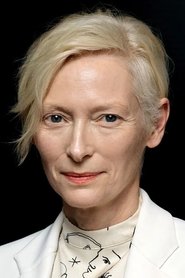 Tilda SwintonBlonde
 Youki KudohMolecules
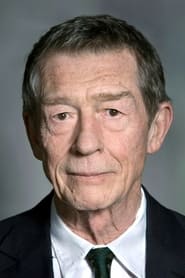 John HurtGuitar
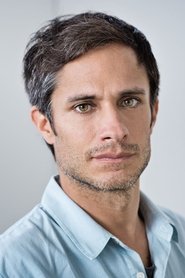 Gael García BernalMexican
 Hiam AbbassDriver
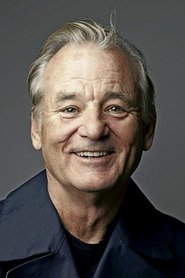 Bill MurrayAmerican
Directing
- Chris DownsAdditional Third Assistant Director
- Cristina Amengual WatsonAssistant Director Trainee
- Jim JarmuschDirector
- Adrian GrünbergFirst Assistant Director
- Maralyn CausleyScript Supervisor
- Richard DimentSecond Assistant Director
- Ferran RialSecond Second Assistant Director
- Andrea VázquezThird Assistant Director
- Catalina ParraThird Assistant Director
Writing
- Jim JarmuschWriter
Production
- David OcañaAdditional Production Assistant
- David H. KramerADR Voice Casting
- Liz ModenaAssistant Accountant
- Ignacio LozanoAssistant Location Manager
- Rubén GómezAssistant Location Manager
- Teddy VillalbaAssistant Location Manager
- Carter LoganAssociate Producer
- Ellen LewisCasting
- Eva LeiraCasting
- Yolanda SerranoCasting
- Beatriz BartoloméCasting Assistant
- Leticia CriadoCasting Assistant
- Meghan RaffertyCasting Associate
- Jane Nerlinger EvansExecutive In Charge Of Production
- Jon KilikExecutive Producer
- Yukie KitoExecutive Producer
- Ashley Jade ParkesExtras Casting Assistant
- Álvaro VillalbaKey Set Production Assistant
- Patricia NietoLine Producer
- Alberto Poveda ReyLocation Manager
- Gretchen McGowanProducer
- Stacey SmithProducer
- Abi SilaProduction Accountant
- William WelshProduction Assistant
- Ana PalaciosProduction Coordinator
- Antonia JuanesProduction Secretary
- Carlos BalseraProduction Trainee
- Sharyn YauPublicist
- Alberto Poveda ReyUnit Manager
Recommended by
Miss Bala, Cyclo, High Art, The Guy from Harlem, Angel Dust, Story of My Death, Caught