
Film
Cyclo
- Social drama
- Very dark
Tran Anh Hung's debut follows a cyclo driver's descent into crime in Ho Chi Minh City. It's visually sumptuous and morally murky—a film that makes poverty's desperation tactile and the machinery of exploitation visible. For viewers who want cinema that looks like painting and doesn't look away from how people survive.
Should you watch it?
Watch it if you want slow, painterly crime drama where mood and texture carry the story, the kind of film that rewards patience with images as much as plot.
Skip it if you need momentum and clear motives, since the story moves through long, hushed scenes of hardship and its lead is more pushed by circumstance than driven by choice.
What it asks of you: Two hours and change of unhurried, bleak observation; scenes linger on the city's noise and grime, and the darkness accumulates rather than arriving in bursts.
Not sure? Find tonight's pick in a minute.
If you liked this
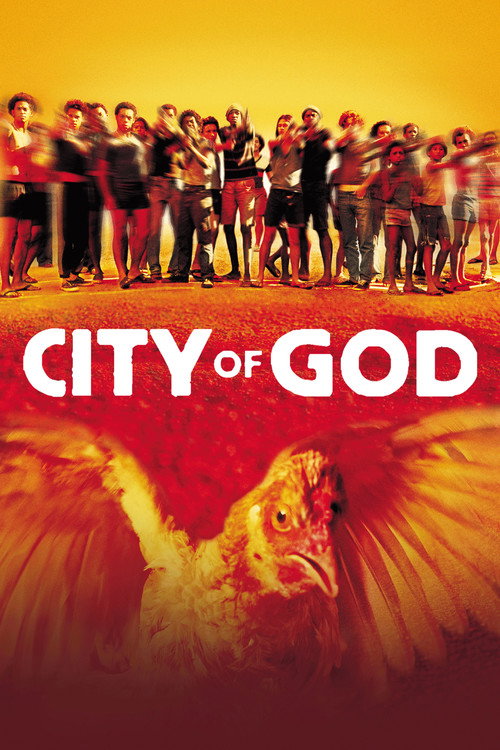
City of God2002
Another portrait of survival in a sprawling metropolis where poverty breeds criminality. Features the same unflinching eye for how systems grind people into complicity, with staggering visual invention.
But Relentlessly violent and chaotic. The rapid-fire editing and overlapping narrators can feel exhausting rather than clarifying.
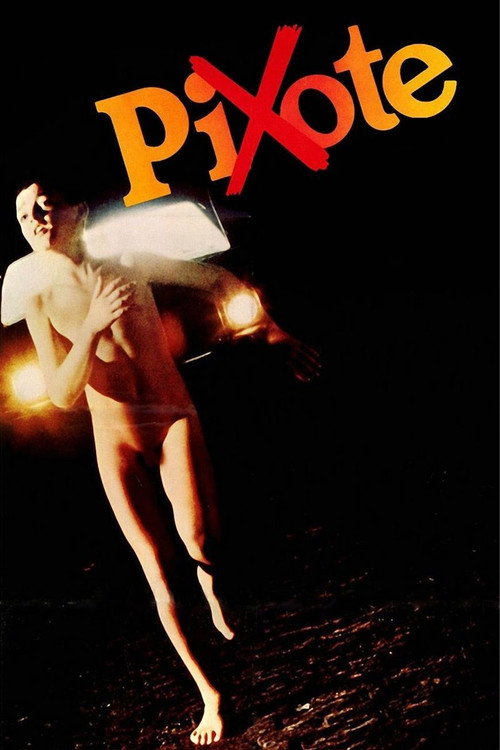
Pixote1980
A Brazilian masterpiece about a street kid's journey into crime. Shares Cyclo's refusal to sentimentalize poverty or offer redemption as consolation. Raw and devastating.
But The subject matter—child exploitation, abuse—is genuinely difficult. Shot in a gritty, unglamorous style that makes it harder to watch.
The Phantom Carriage1921
A ghost story that uses the supernatural to explore how poverty traps people across generations. Visually poetic in the way Cyclo is, though working with a completely different vocabulary.
But It's nearly a century old. The pacing and silent-film acting will feel mannered to modern eyes, and the spiritual framework may not land.

Not sure tonight? Get a pick in a minute, starting from Cyclo
The wildcard
Something you would not have found on your own.
Stalker1979
Both use visual poetry and long, architectural shots to show characters being slowly consumed by forces beyond their control—crime in one, desire in the other.
Andrei Tarkovsky's sci-fi meditation on desire, temptation, and the price of transgression. Like Cyclo, it uses visionary cinematography to explore moral corruption—but through metaphysical rather than social realism. A spiritual mirror.
But 163 minutes of philosophical science fiction. Minimal plot, maximal slowness. Requires patience that many viewers don't have.

More like this (8)
A Prophet2009
Follows a young man's brutal education into crime within prison. Methodical, tense, and precise about how systems corrupt and how survival demands compromise. Superb character study.
But French prison drama isn't for everyone. The violence is clinical rather than cathartic, which some find exhausting.

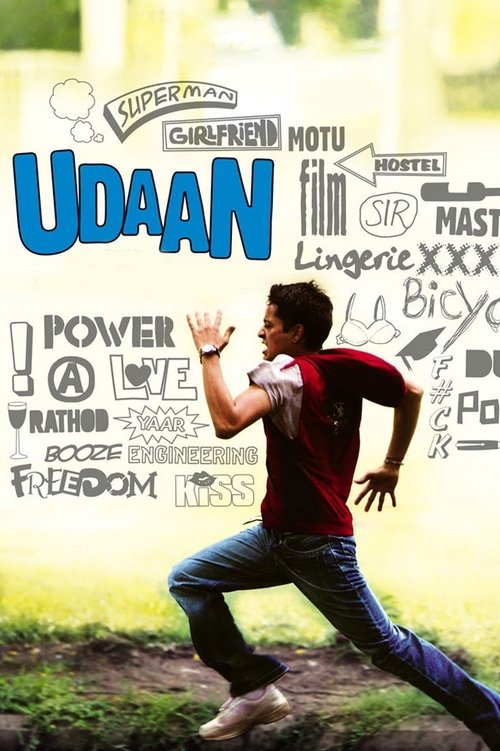
Udaan2010
An Indian film about a teenager caught between family obligation and survival. Like Cyclo, it shows how love and circumstance can force good people toward bad choices.
But Slower-paced and more inward-looking than Cyclo. The emotional restraint might read as distant.
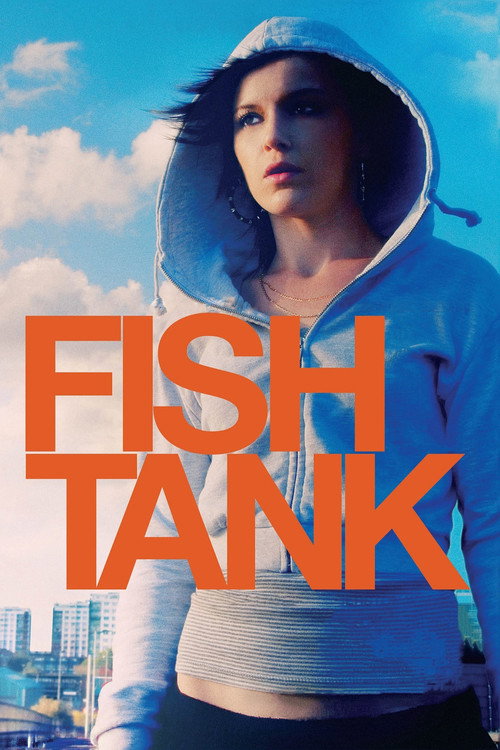
Fish Tank2009
Andrea Arnold's portrait of a young woman in urban poverty, pursuing dance and escape. Shares Cyclo's visual intelligence and refusal to judge its protagonist, though it's more contemporary.
But Bleak and quiet. No catharsis or uplift. Some viewers find the lack of narrative direction frustrating.
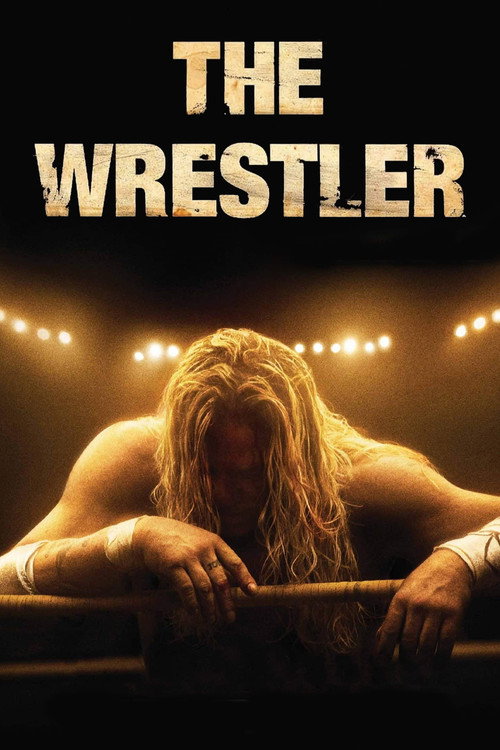
The Wrestler2008
A character study of someone doing what they must to survive, watching their own degradation with clear eyes. Darren Aronofsky captures the same mixture of dignity and desperation.
But Repetitive by design—it's meant to mirror the cycle of decline. That thematic choice can feel like narrative stalling.
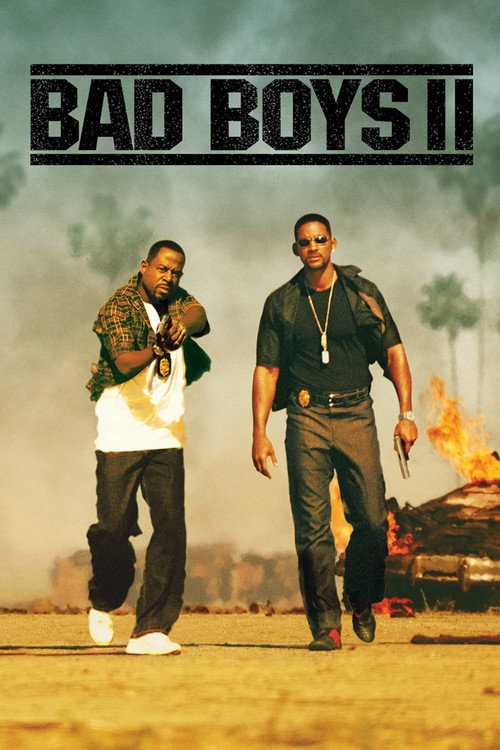
Bad Boys II2003
A very different film, but it captures Ho Chi Minh City's underworld energy with the same kinetic visual style. Great if you want the city itself as a character.
But A mainstream action comedy with Will Smith and Martin Lawrence. Tonally opposite to Cyclo's poetry. You'll be watching a completely different movie.
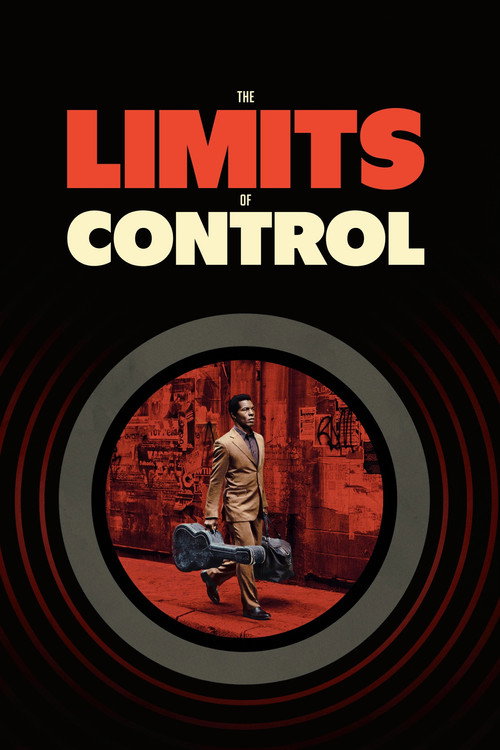
The Limits of Control2009
Jim Jarmusch's meditation on silence, space, and hidden crime networks. It shares Cyclo's visual patience and refusal to explain everything.
But Deliberately oblique and glacial. If you want plot clarity or character motivation spelled out, this will frustrate you.
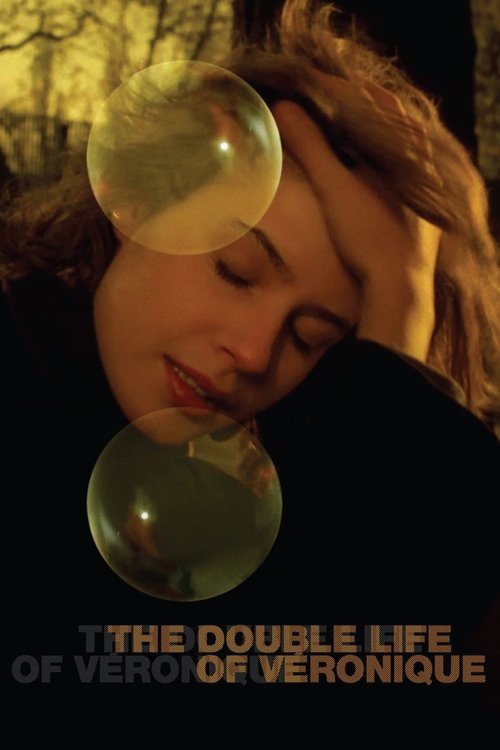
The Double Life of Véronique1991
Both films are in love with the texture and mystery of urban spaces. Both suggest that fate, chance, and invisible systems shape lives in ways characters don't fully understand.
Kieslowski's dreamlike exploration of duality and hidden connections across a city. Shot with the same luxurious visual obsession as Cyclo, but working in mystery and metaphor instead of crime drama.
But Intentionally enigmatic. If you need conventional narrative resolution, this will feel evasive and frustrating.
The Third Man1949
Both show a city as a character, with characters trapped by geography and economic desperation. Both understand that crime is often just survival by other means.
Carol Reed's post-war Vienna thriller explores corruption and complicity in an occupied city, using shadow and architecture as characters. Like Cyclo, it's about how circumstance and loyalty trap ordinary people.
But A noir from 1949 that moves at a deliberate pace. If you prefer contemporary style and rhythm, the formality will feel dated.

People
Cast
- Le Van LocCyclo
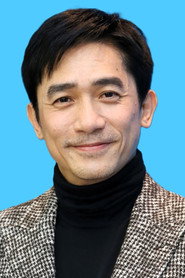
 Như QuỳnhMadam
 Hoàng PhúcTooth
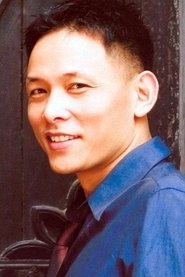 Ngo Quang HaiKnife
 Tuyết NgânHappy Woman
- Doan Viet HaSad Woman
- Bjuhoang HuyCrazy Son
- Vo Vinh PhucCyclo's Friend
- Le Kinh HuyGrandfather
 Trần Nữ Yên KhêSister
 Lê Tuấn AnhHandcuffed Man
Directing
- Nguyễn Văn ĐâyAssistant Director
- Trần Anh HùngDirector
Writing
- Trần Anh HùngWriter
Production
- Adeline LecallierAssociate Producer
- Alain RoccaAssociate Producer
- Christophe RossignonProducer