
Film
The Scent of Green Papaya
- Drama
- Slow-burning
A sensory reverie set in 1950s Saigon, watching a servant girl named Mui move through two households as she grows from child to woman. Shot entirely on a studio set in jewel-box colours, it feels like watching a painting breathe. Meditative, intimate, gorgeously composed—for anyone who wants to sink into atmosphere and accept that nothing much happens, and everything happens.
Should you watch it?
Watch it if you are drawn to films that tell their story through texture, stillness and small domestic rituals, where a glance or a bowl of food carries more weight than a line of dialogue.
Skip it if you need events to propel you forward, since very little is said aloud and scenes linger for long stretches, so restless viewers may find it slow going.
What it asks of you: Patience with long held frames and quiet stretches; it unfolds at the unhurried rhythm of a household day, asking you to notice rather than be told what matters.
Not sure? Find tonight's pick in a minute.
If you liked this
In the Mood for Love2000
Wong Kar-wai's Hong Kong romance is equally devoted to colour, yearning, and the spaces between words. Two neighbours develop feelings they can barely express, framed in doorways and hallways with the same painterly precision that defines Papaya.
But Slower paced than mainstream romance and built on suggestion rather than confession. The emotional payoff is deliberately understated.

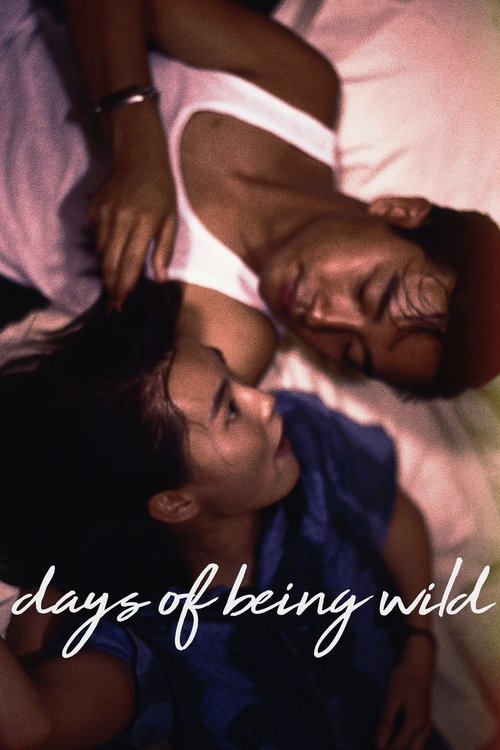
Days of Being Wild1990
Another Wong Kar-wai film about romantic yearning in a visually intoxicating 1960s Hong Kong. It shares Papaya's interest in servants, class, memory, and the ache of attraction across social boundaries.
But Fragmented narrative structure and deliberately ambiguous ending might frustrate viewers wanting clarity or resolution.
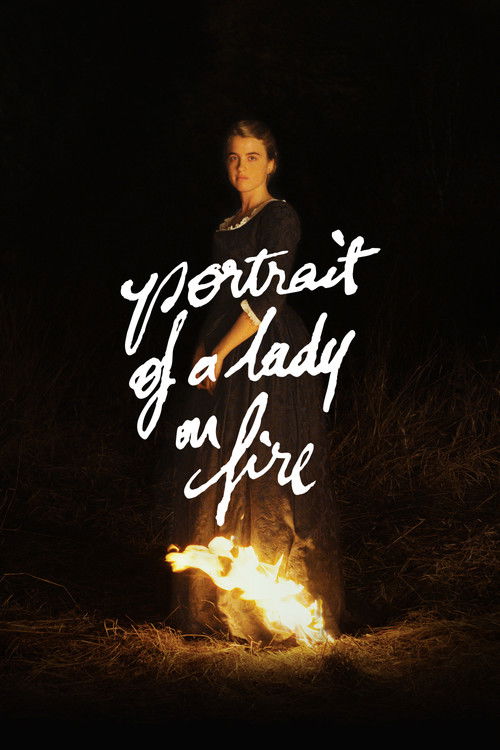
Portrait of a Lady on Fire2019
A French romance about an artist painting a reluctant subject, set in intimate interior spaces. Like Papaya, it's fascinated by watching and being watched, desire building silently across a hierarchical relationship.
But Very slow, very quiet. The entire film depends on you caring about glances and gestures rather than dialogue or action.
Not sure tonight? Get a pick in a minute, starting from The Scent of Green Papaya
The wildcard
Something you would not have found on your own.
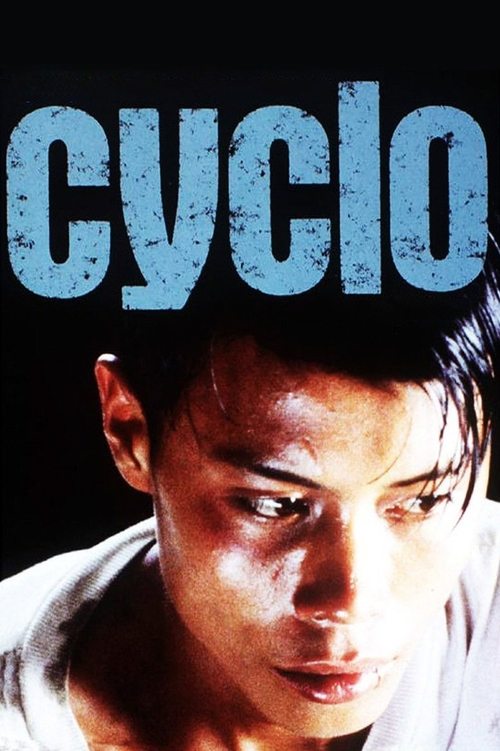
Cyclo1995
Same director returning to Vietnam with the same visual philosophy but a darker story—proof the sensory approach works across genres and registers.
Tran Anh Hung's follow-up to Papaya returns to contemporary Ho Chi Minh City and works the same visual magic on neon, rain, and urban detritus. Another film about young people navigating poverty and desire in a city that's a character itself.
But Explicitly violent in places where Papaya is gentle. Blends crime thriller with poetry in ways that can feel tonally jarring.
More like this (7)
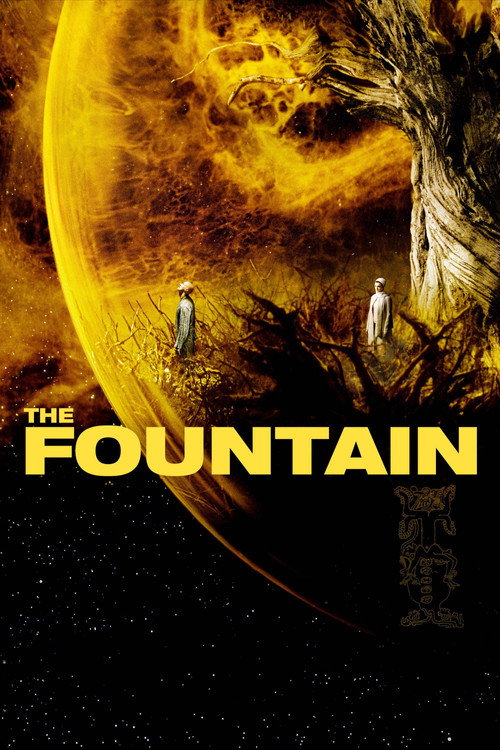
The Fountain2006
Darren Aronofsky's epic prose-poem about love across time, shot in stunning jewel tones and practising the same visual lyricism. Both films treat colour as emotion and refuse to hurry.
But Extremely ambitious and formally demanding. Some find it pretentious; others find it genuinely moving. There's little middle ground.
Mulholland Drive2001
David Lynch's LA nightmare has the same dreamlike surface and class anxiety running beneath. Both films observe the invisible labour of women and the way power distorts intimacy.
But A three-hour psychological thriller that gets darker and more disturbing as it goes. Not meditative—actively unsettling.

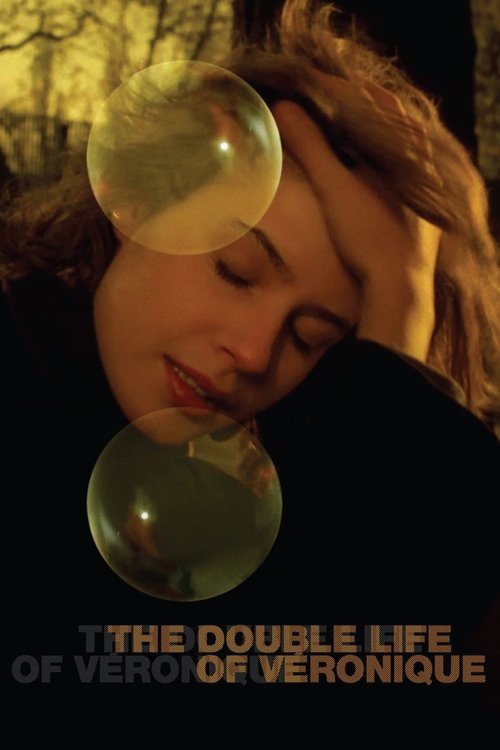
The Double Life of Véronique1991
Kieślowski's film about identity, fate, and attraction between two women mirrors Papaya's mystical tone and lush cinematography. Both are concerned with what we can never quite know about another person.
But Deliberately cryptic and symbolic. If you need plot clarity, this will feel opaque and frustrating rather than poetic.
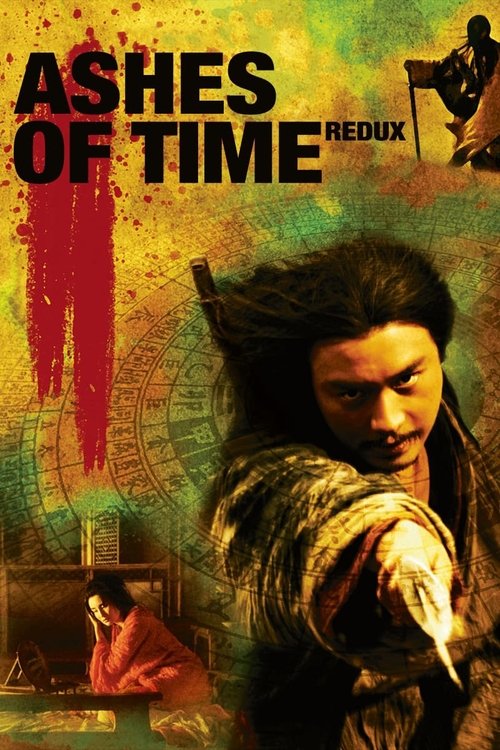
Ashes of Time1994
Wong Kar-wai's wuxia poem uses the same richly coloured palette and dreamlike editing. Melancholic, visually intoxicating, and more interested in mood than plot.
But Experimental and intentionally obscure. Even fans struggle with the narrative; if you need a clear story, you'll lose patience quickly.
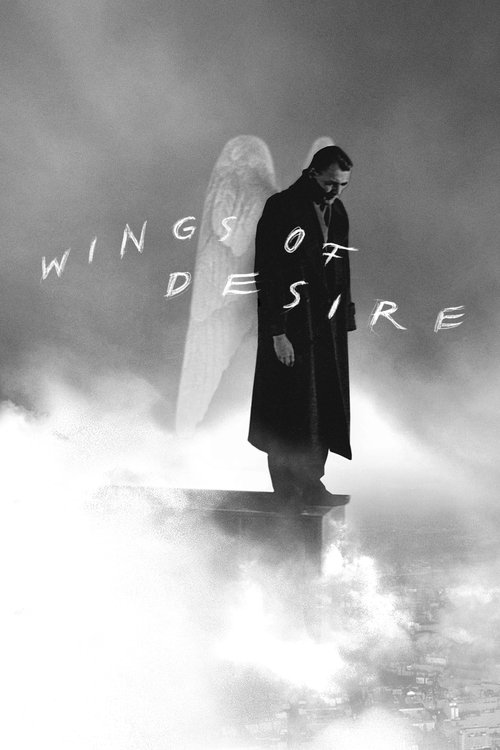
Wings of Desire1987
Wenders' meditation on observation, beauty, and human connection spans Berlin. Both films are fascinated by watchers, city spaces, and the invisible weight of desire and mortality.
But Philosophical and paced like a tone poem. Very little happens in conventional terms, and the philosophy isn't always accessible.
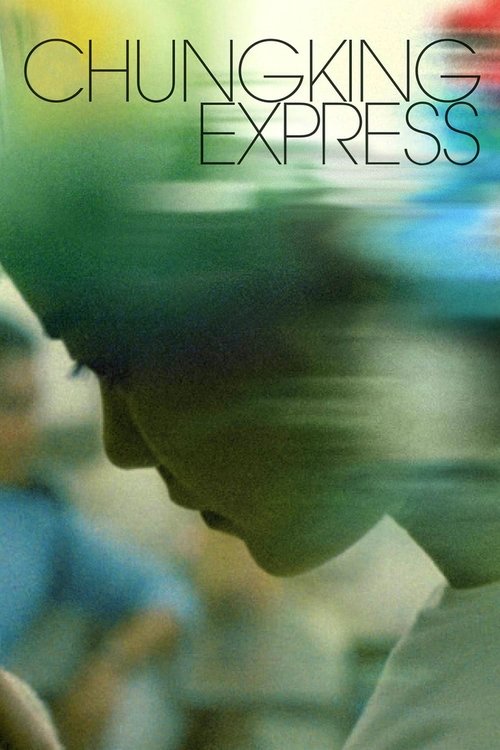
Chungking Express1994
Both made in the 1990s, both using colour and space and the city as emotional landscape, but one is meditative and one is kinetic—a chance to see the approach work at opposite speeds.
Hong Kong's neon-drenched night-market romance filmed like a fever dream. Two love stories, neither straightforward, both told through the city and its colours. The same devotion to surfaces containing deep feeling.
But Fragmented, playful, and deliberately chaotic where Papaya is composed. The tone whips around; some find it exhilarating, others scattered.
Tokyo Story1953
An entirely different culture and era, but the same faith that intimacy and beauty can sustain a film with almost no plot—and that patient observation of family space and ritual contains everything.
Ozu's masterpiece about time, family, and impermanence. An elderly couple visit their son in post-war Tokyo; almost nothing happens, and everything breaks your heart. The same philosophy: watch closely, find the poetry in the ordinary, trust your audience.
But 1950s Japanese black-and-white cinema. Static camera, sparse dialogue, a pace that can feel glacial. Not a film you watch passively.

People
Cast

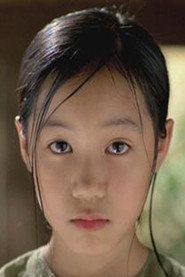 Man San LuYoung Mui
- Thi Loc TruongMother
 Ánh HoaOld Woman
- Hoa Hoi VuongKhuyen
- Ngoc Trung TranFather

- Keo SouvannavongTrung
- Van Oanh NguyenMr. Thuan
- Gerard NethTin
- Nhat DoLam
- Thi Hai VoGrandmother
Directing
- Trần Anh HùngDirector
Writing
- Trần Anh HùngWriter
Production
- Adeline LecallierAssociate Producer
- Alain RoccaAssociate Producer
- Sylvie RandonneixAssociate Producer
- Nicolas CamboisCasting
- Christophe RossignonProducer