
Film
Passion
Other titles called Passion: the 1954 film, the 2013 film.
A 1986 Hong Kong drama about two widowed women, lifelong friends bound by a painful secret: they both loved the same man. Told largely in flashback across one afternoon, it's a quietly devastating meditation on desire, loyalty, and the ties that survive betrayal. A film about the spaces between what we say and what we feel.
Should you watch it?
Watch it if you love quiet, memory-driven films where friendship and an old romance are explored through slow afternoon conversation and soft flashbacks rather than plot.
Skip it if you need momentum and a clear story arc, since this is mostly two women talking and drifting back through the past, which can feel static.
What it asks of you: A slow, unhurried hundred minutes of long pauses and soft light, with little urgency; it rewards an unbroken afternoon more than a distracted evening.
Not sure? Find tonight's pick in a minute.
If you liked this
In the Mood for Love2000
Wong Kar-wai's masterpiece about two neighbours who discover their spouses are having an affair. Like Passion, it dwells in longing and restraint, finding tragedy in what cannot be said or touched. Gorgeously composed, achingly romantic.
But The pacing is glacial and deliberately artificial; if you need plot momentum or naturalistic dialogue, this will feel like drowning in honey.

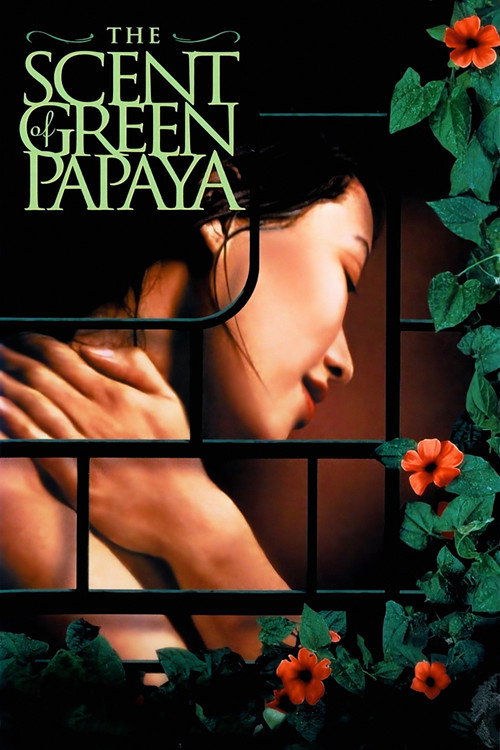
The Scent of Green Papaya1993
Tran Anh Hung's debut about a servant girl's quiet devotion in 1950s Saigon. Both films trust their audiences to read emotion in small gestures and silences. Hypnotic cinematography, a tone of wistful memory throughout.
But Virtually nothing happens. The whole film unfolds at the pace of thought. Patience isn't just helpful—it's the entry fee.
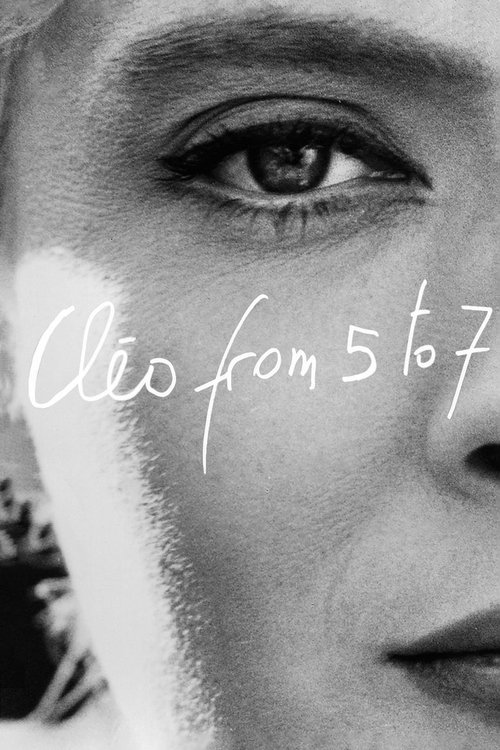
Cléo from 5 to 71962
Agnès Varda's film follows a woman through Paris for 90 minutes as her life hangs in the balance. Like Passion, it finds drama in waiting, in conversation, in how we reveal ourselves to people we trust. Intimate and morally complex.
But French New Wave means no conventional narrative arc. If you're expecting crisis and resolution, you'll leave frustrated.
Not sure tonight? Get a pick in a minute, starting from Passion
The wildcard
Something you would not have found on your own.
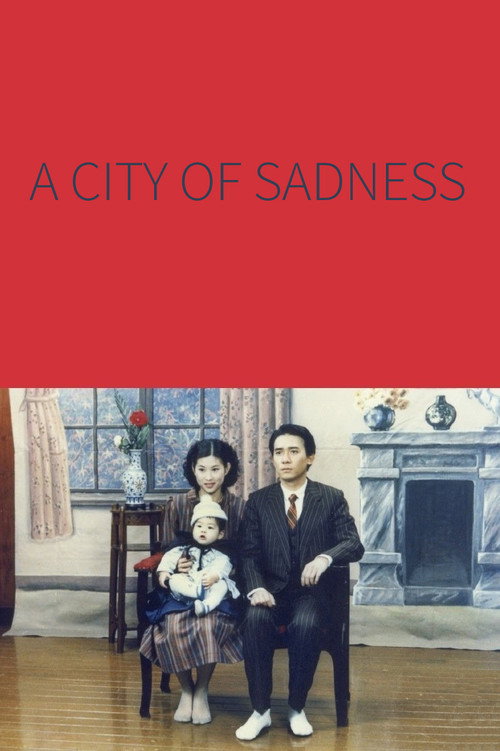
A City of Sadness1989
Both films understand that private grief and public history are inseparable; both use the camera to observe rather than explain. Hou's later work was already bending the form that Passion inhabits.
Hou Hsiao-hsien's masterpiece about Taipei in 1945 as it shifts from Japanese to Chinese rule. Passion is 1986; this is where Hong Kong cinema was heading—cinema of glance and silence, political memory woven into intimate family drama. Technically astonishing.
But The narrative is distributed across an ensemble; there's no clear protagonist, and the political context demands knowledge of Taiwanese history. Glacially paced by any standard.
More like this (7)
Mulholland Drive2001
David Lynch weaves memory, desire, and betrayal between two women into something dreamlike and devastating. Both films suggest that our understanding of the past shifts depending on what we need to believe.
But The structure is deliberately confusing; it demands active interpretation and multiple viewings to parse what's real.

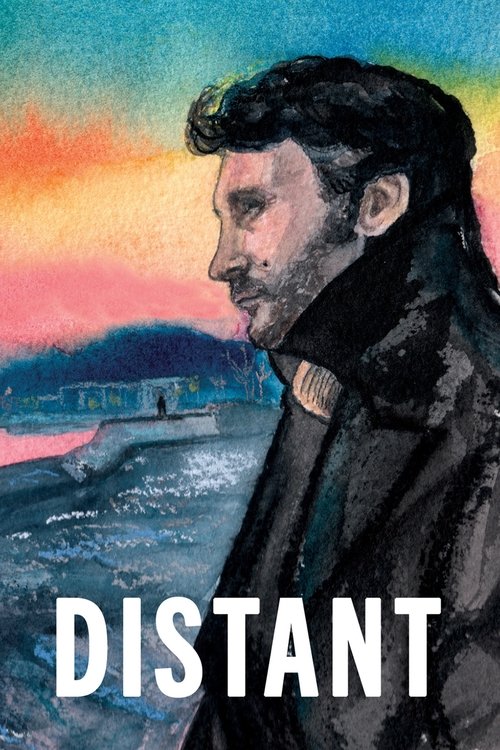
Distant2002
Nuri Bilge Ceylan's portrait of two men circling each other with unspoken resentment and need. Minimal plot, maximum emotional complexity. A masterclass in what goes unsaid between people bound by history.
But Turkish cinema with long takes and muted performances. If you need warmth or clear emotional beats, this is bleak and withholding.
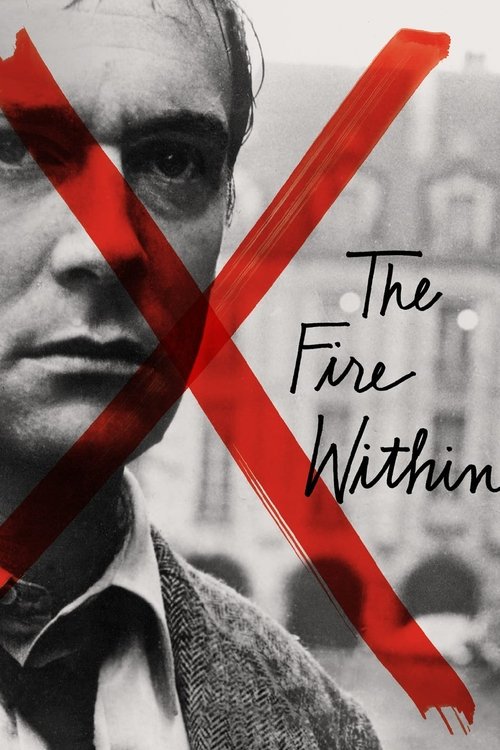
The Fire Within1963
Louis Malle's film about a man's final days, seen through visits to old friends. Passion shares its interest in how the past haunts the present, and in the gap between what people know about each other.
But It's a portrait of depression and suicide. Heavy in a way that doesn't resolve into catharsis; some viewers find it unbearably sad.
Ikiru1952
Kurosawa's film about a dying man seeking meaning in his final months. Both films use memory and reflection to ask what love and loyalty cost. A profound, humane meditation on a life spent in service to others.
But It's a film about mortality and regret. The emotional weight is relentless; there are no moments of relief.

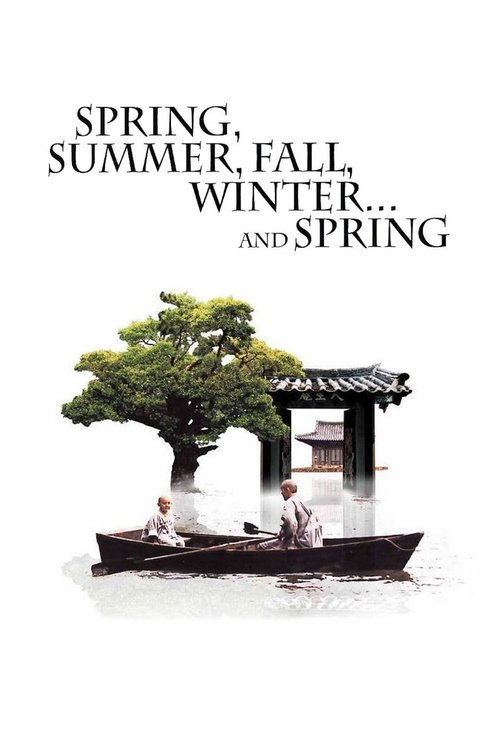
Spring, Summer, Fall, Winter... and Spring2003
Kim Ki-duk's film about a Buddhist temple on a lake, returning to the same space across seasons and ages. Shares Passion's cyclical structure and interest in how the past repeats itself through the living.
But Almost no dialogue, minimal plot. If you're uncomfortable with abstraction and symbol, you'll find it frustrating and opaque.
The Leopard1963
Both films are about people watching their world change and their powerlessness to stop it. Both use memory as a form of resistance. Both are formal, composed, almost sculptural in how they frame human feeling.
Luchino Visconti's epic about an aristocratic Sicilian family during the 1860 unification, told as elegy. Like Passion, it's a film about loss and the impossibility of holding onto the past. Burt Lancaster at his most dignified and haunted.
But It's 205 minutes and requires patience with Visconti's baroque visual style. The pacing is stately; it's a funeral march, not a drama with momentum.

Possession1981
Both films understand that marital love contains within it the seeds of violence and madness. Both treat passion as a destabilizing force. But Żuławski says what Passion whispers.
Andrzej Żuławski's film about a marriage collapsing into psychosis and passion. Like Passion, it's about two people and the third presence haunting their bond. But where Passion is quiet, this is a shrieking, violent, surreal eruption.
But It's genuinely disturbing—Isabelle Adjani is committed to a nervous breakdown for 124 minutes. If you need control or recognize realism, this is going to feel like cinema trying to make you uncomfortable, which it is.

People
Cast
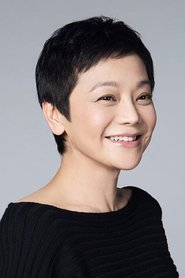 Sylvia ChangWendy
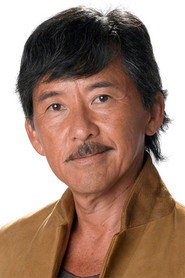 George Lam Tsz-CheungJohn Lam
 Cora MiaoMing
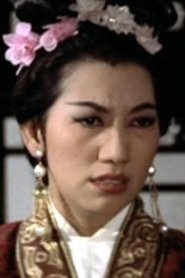 Huang ManMrs. Wu
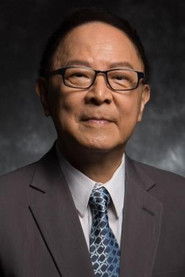 Chung King-FaiDr. King
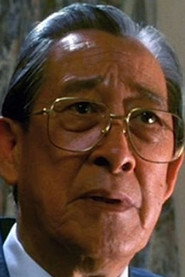 Bau Hon-LamJohn's Father
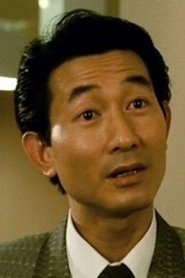
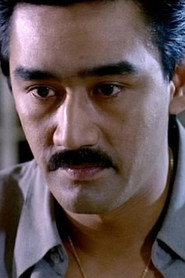 Michael DingaCharlie
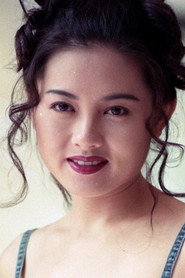
 May Lo Mei-WeiGabrielle
Directing
- Samson Chiu Leung-ChunAssistant Director
- Sylvia ChangDirector
- Wong Lok-YinScript Supervisor
Writing
- Sylvia ChangWriter
Production
- Winnie Yu ChingAssociate Producer
- John Shum Kin-FunProducer
- Patricia ChongProduction Manager