
Film
Distant
- Social drama
- Slow-burning
A man from rural Turkey arrives in Istanbul to work on ships, staying with his estranged cousin. What begins as tentative cohabitation becomes a portrait of urban alienation, missed connections, and the quiet desperation of two men unable to bridge the distance between them. Slow, observant, demanding—Nuri Bilge Ceylan at his most rigorous.
If you liked this
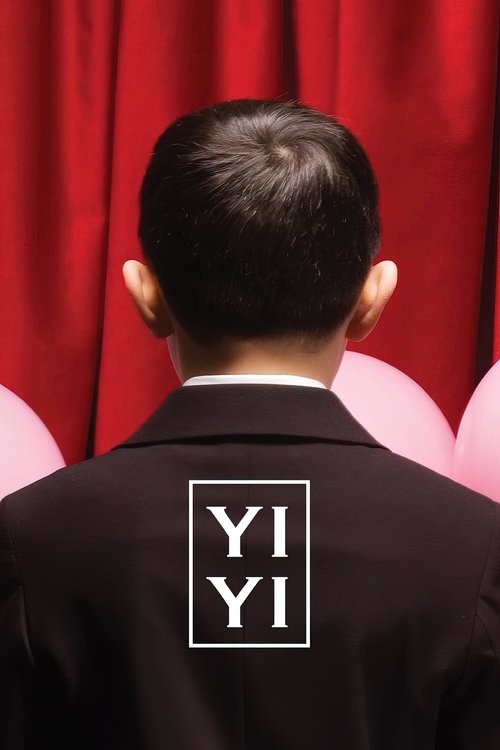
Yi Yi2000
Edward Yang's three-hour family epic captures the texture of urban life across generations with the same patient precision as Ceylan. Formally brilliant and deeply humane, it finds meaning in small gestures and accumulated time.
But It's long and unhurried. The plot barely moves. If you want a story with clear momentum, this will feel static.
Tokyo Story1953
Ozu's masterpiece about aging parents visiting Tokyo operates in the same emotional register as Distant—quiet, observant, alert to loneliness within families. Both films find profundity in what is almost nothing.
But Ancient by modern standards. Very slow. The emotional restraint reads as coldness if you're not prepared for it.

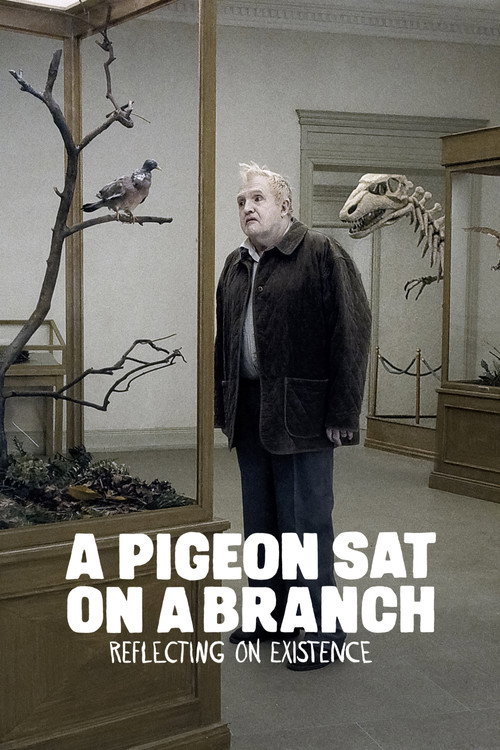
A Pigeon Sat on a Branch Reflecting on Existence2014
Roy Andersson's deadpan vision of urban ennui and failed connection shares Ceylan's dark humor and formal control. Beautifully composed, deeply funny about loneliness and the randomness of human encounter.
But Extremely dry. Its comedy is visual and philosophical rather than warm. Some will find it bleak.
Not sure tonight? Get a pick in a minute, starting from Distant
The wildcard
Something you would not have found on your own.
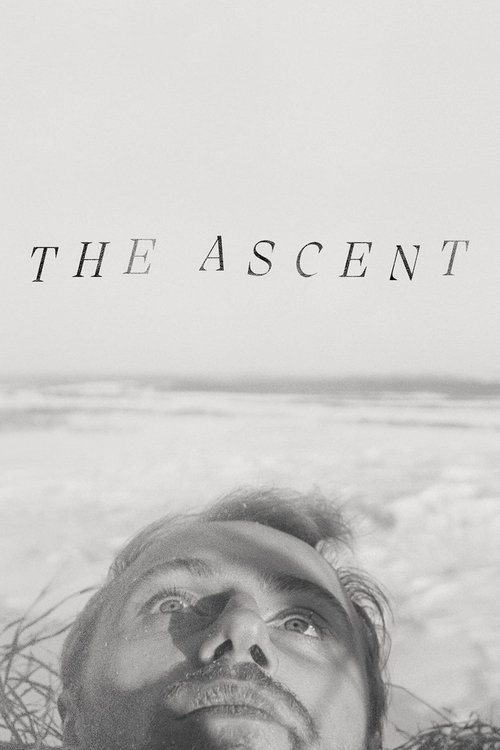
The Ascent1977
Both use spatial and temporal distance as a formal strategy to explore human disconnection; both find their deepest moments in silence and the failure of communication.
Andrei Tarkovsky's film follows two men through a landscape of spiritual and physical exhaustion. Like Distant, it uses space, silence, and the presence of another body to explore isolation—but transposes it into existential metaphor and transcendence.
But Slow in a different dimension than Distant—meditative rather than urban. Black-and-white, 16mm, deliberately paced like prayer. Requires commitment.
More like this (8)
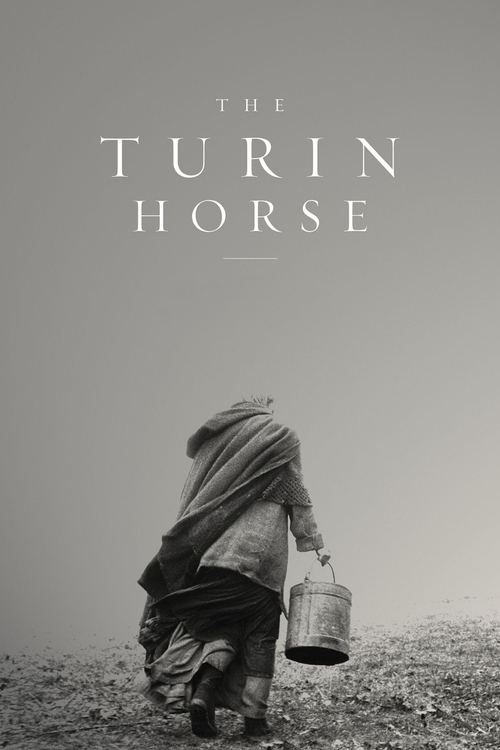
The Turin Horse2011
Béla Tarr's final film is a bleakly beautiful study of two people sharing confinement and deterioration. Like Distant, it refuses easy sentiment and watches decline with unflinching attention.
But Grayscale, sparse, repetitive. It gets progressively darker. Not for anyone seeking uplift or conventional narrative.
The Skin I Live In2011
This Spanish thriller builds from obsession and containment—two men, a closed space, secrets. It has more momentum than Distant but shares its interest in fractured relationships and what happens when people cannot escape each other.
But Twisty plot that hinges on revelations. If spoiled, much of it collapses. Also: quite disturbing.

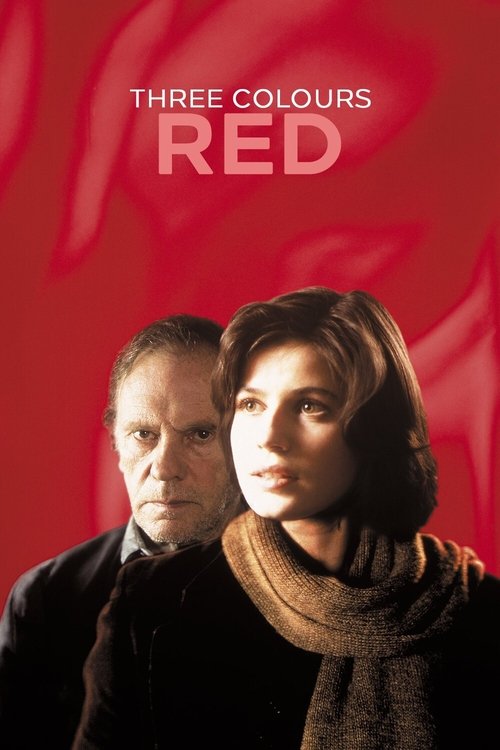
Three Colors: Red1994
Kieślowski's final film examines connection and chance in an urban setting with visual grace and moral seriousness. It moves toward meaning rather than away from it, but shares Distant's attention to overlooked lives.
But Puzzle-box structure that some find precious. Deliberately elliptical. Asks a lot of the viewer's interpretive work.
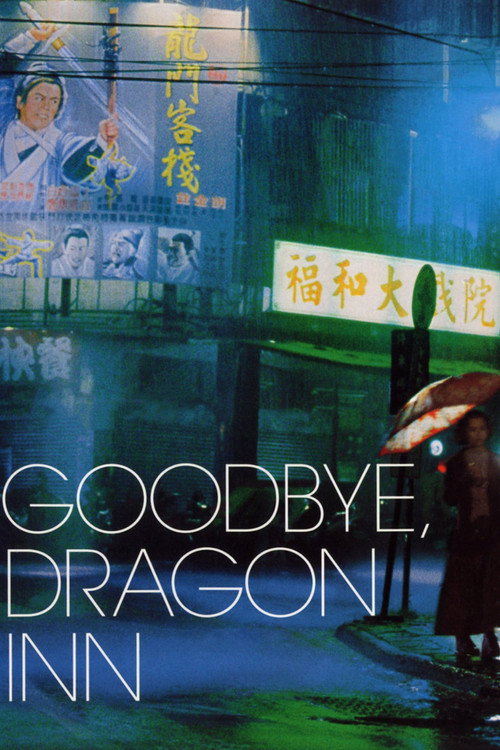
Goodbye, Dragon Inn2003
Tsai Ming-liang's film about a dying cinema and its caretakers captures urban decay and human disconnection with dark humor and stunning composition. Made just after Distant, it's a spiritual cousin.
But Almost no dialogue. Scenes are long and often empty. It's a meditation, not a narrative—patience required.
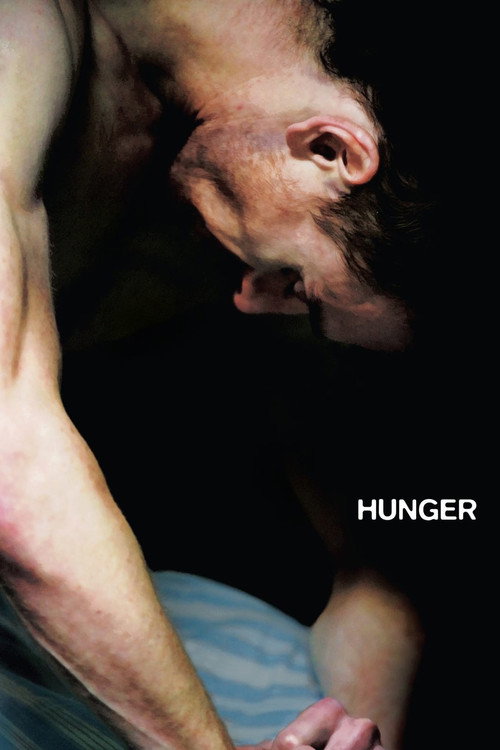
Hunger2008
Steve McQueen's debut is a rigorous two-character drama about political prisoners. Like Distant, it uses confinement and silence to examine the space between people and what cannot be bridged.
But Graphic violence and body horror. Extremely austere. Some sequences are difficult and confrontational rather than contemplative.
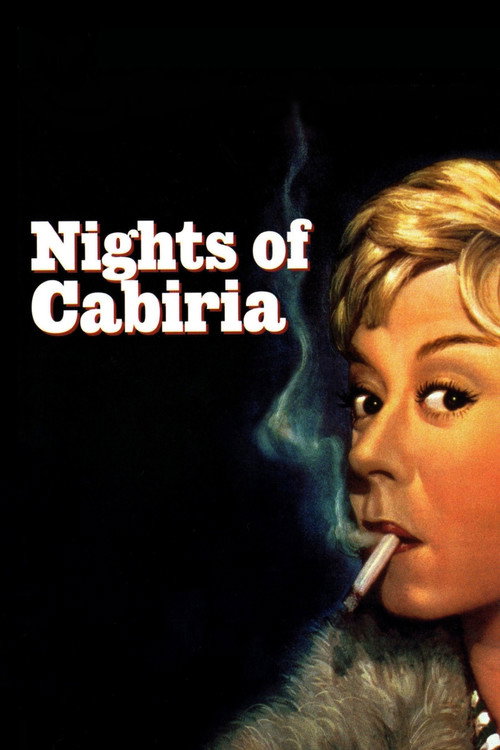
Nights of Cabiria1957
Fellini's portrait of a woman navigating Roman streets and failed connections has warmth where Distant has chill, but both are interested in lonely people in big cities and the gap between hope and reality.
But Quite different in tone and era. If you want something as cold and controlled as Distant, this will feel sentimental.
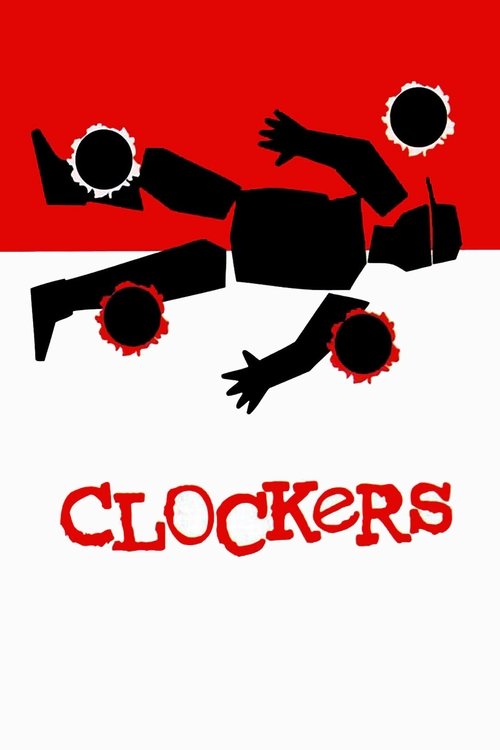
Clockers1995
Both examine men trapped by circumstance and geography, unable to escape their station; both locate tragedy in the ordinariness of constraint.
Spike Lee's crime drama about Brooklyn drug dealers captures urban entrapment and economic desperation with the same sharp social observation as Distant, but through a completely different genre. Visceral, angry, formally inventive—very much alive.
But Loud, volatile, dense with incident. The opposite of contemplative. If you came to Distant for quietude, this will feel aggressive.
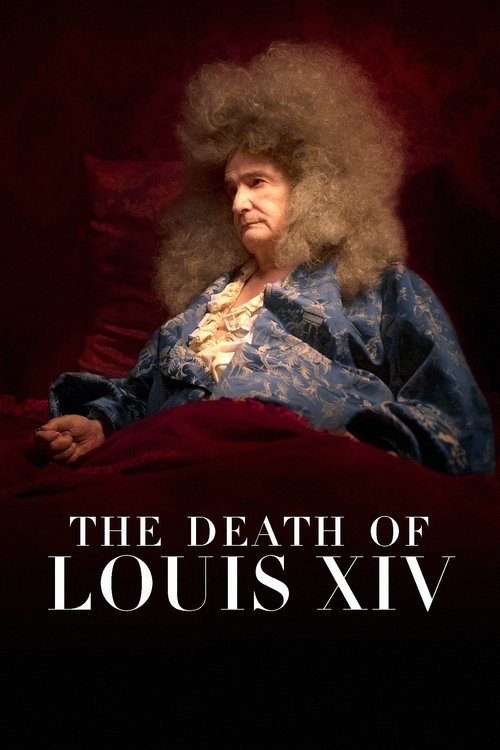
The Death of Louis XIV2016
Both use confinement and the presence of another body to create philosophical pressure; both refuse to sentimentalize or explain what is happening between people.
Albert Serra's radical chamber piece consists almost entirely of the dying king attended by his doctor and servants. Like Distant, it's a study of two men in close quarters, but inverts the power dynamic and transposes alienation into the ritualized horror of bodily decline.
But Avant-garde in approach. Mostly static shots of a man in bed. No conventional drama. If you want recognizable cinema, this is elsewhere.
People
Cast
 Muzaffer ÖzdemirMahmut
 Mehmet Emin ToprakYusuf
 Zuhal GencerNazan (as Zuhal Gencer Erkaya)
 Nazan KesalLover (as Nazan Kırılmış)
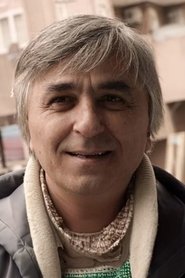 Feridun KoçJanitor
 Fatma CeylanMother
 Ebru CeylanWoman (as Ebru Yapıcı)
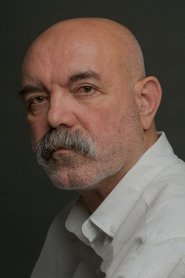
Directing
- Nuri Bilge CeylanDirector
- Feridun KoçFirst Assistant Director
Writing
- Cemil KavukçuCo-Writer
- Nuri Bilge CeylanWriter
Production
- Nuri Bilge CeylanProducer
- Feridun KoçProduction Manager