
Film
Goodbye, Dragon Inn
- Drama
- Slow-burning
A ghost story about cinema itself. On the final night of a dying Taipei movie palace, a handful of people watch a 1967 wuxia film while haunted by what cinema means to them. Meditative, melancholic, shot in near-darkness—it's a elegy for analog dreams and the spaces where they lived. For people who understand that a cinema is not just a building.
Should you watch it?
Watch it if you love films that find their drama in silence, long static frames and the quiet rituals of people who watch movies for a living, rather than in plot.
Skip it if you need a story that moves forward, since very little happens here and the pace is deliberately glacial, with long stretches where the camera simply waits.
What it asks of you: Settle in for a slow, sparse 82 minutes in a dark theatre, with few lines of dialogue and a willingness to sit with empty space and let the mood gather on its own.
Not sure? Find tonight's pick in a minute.
If you liked this
Mulholland Drive2001
Lynched also made cinema itself the subject—the dreams, ambitions, and ghosts that flicker across screens. It's baroque where Dragon Inn is austere, but both mourn the death of old Hollywood and the people it consumed.
But It's nearly three hours of fractured narrative that resists interpretation. Some people find it frustrating rather than mysterious.

Cinema Paradiso1988
The canonical film about why we love cinema—a projectionist's relationship with a boy, film reels, the smell of celluloid. It's warmer and more accessible than Dragon Inn, but shares its conviction that movies save lives.
But It wears its sentiment openly and can feel saccharine if you're not in the mood for unironic nostalgia.

Singin' in the Rain1952
The inverse: pure joy in what cinema can do. If Dragon Inn is about cinema as memory and loss, this is cinema as possibility. A masterpiece of what the medium itself—dancing, singing, editing—uniquely offers.
But It's relentlessly upbeat and plot-driven. If you want ambiguity and space for contemplation, this moves too briskly.

Not sure tonight? Get a pick in a minute, starting from Goodbye, Dragon Inn
The wildcard
Something you would not have found on your own.
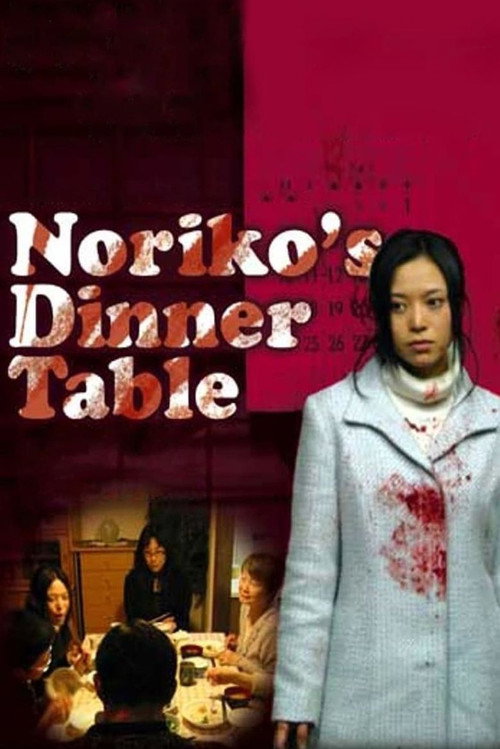
Noriko's Dinner Table2005
Both films are interested in cinema as a way of seeing through surfaces. Both use restraint as their primary tool and trust the audience to do emotional work.
Koreeda's quietly devastating film about family, performance, and the masks we wear at dinner. It's less visually spare than Dragon Inn but shares its interest in what lingers unspoken and how cinema captures the distance between people.
But It's understated to the point of seeming slight. The emotional impact creeps up; if you're expecting drama, it will seem like nothing happened.
More like this (7)
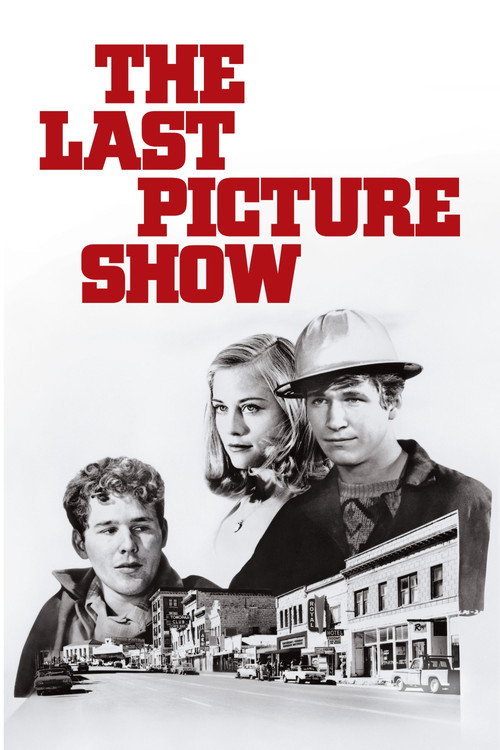
The Last Picture Show1971
Another elegy for a dying small-town cinema and the people it meant to. Shot in black-and-white like memory, it captures that particular ache of watching a community's anchor disappear.
But It's a sexual coming-of-age story from 1971—some of it plays differently now, and not all of it comfortably.
Stalker1979
Tarkovsky's masterpiece about longing, time, and spaces that hold meaning. Like Dragon Inn, it's patient and dark, asking you to sit with melancholy and find beauty in stillness and shadow.
But It's 163 minutes of slow cinema. If you need plot momentum or external action, this will feel punishing.

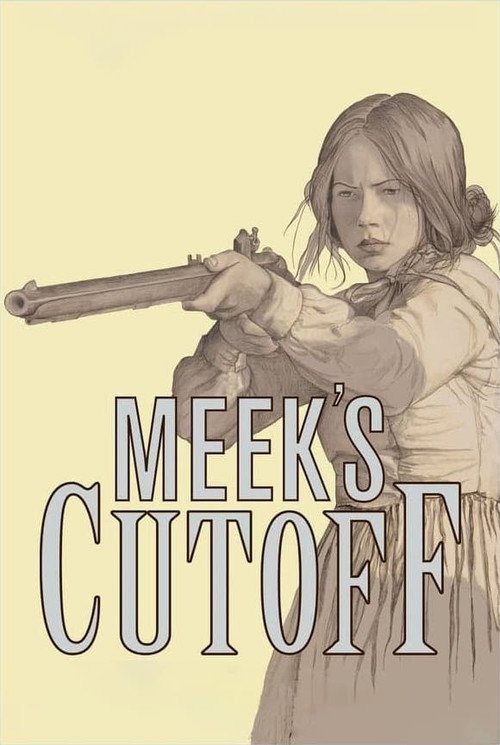
Meek's Cutoff2011
Kelly Reichardt's film about being lost—narratively, spatially, morally. It shares Dragon Inn's commitment to ambiguity, shadow, and the camera as a presence that withholds rather than explains.
But Very little happens. It's a study in uncertainty and frustration that some viewers experience as tedium.
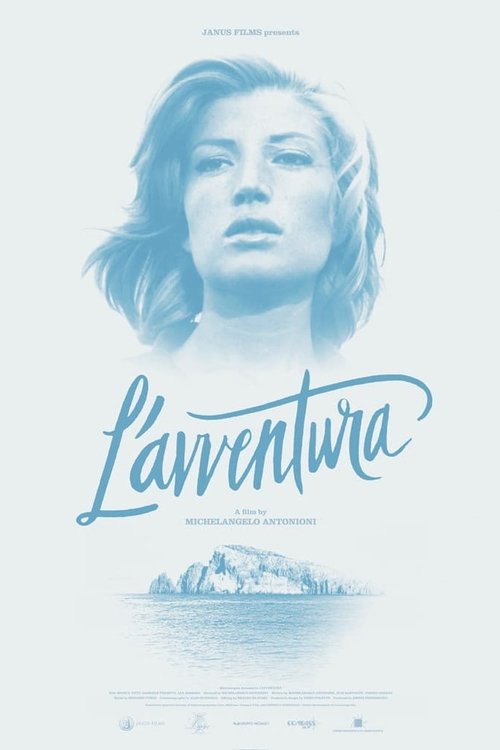
L'Avventura1960
Antonioni's film about absence and disconnection. Like Dragon Inn, it's more interested in mood and what lingers unsaid than in plot. Both trust you to feel what they're showing.
But It's nearly three hours of beautiful, deliberate slowness with minimal dialogue. Patience is not optional.
The Night of the Hunter1955
Laughton's one film: gothic, shadowy, operatic. Like Dragon Inn, it understands that cinema is a dreamspace—it uses light and darkness like a ghost story uses atmosphere.
But It's a thriller from the 1950s about a predatory man and children. The material is dark and the pacing serpentine; some find it dated.

Tokyo Story1953
Ozu's achingly quiet film about time, loss, and the small moments that matter. It moves like Dragon Inn moves—not toward plot but toward understanding what it means to be present before something ends.
But Almost nothing happens. If you watch films for narrative drive or emotional catharsis, this restraint will feel like refusal.

A Ghost Story2017
Both use cinema as a medium to explore how images haunt us across time. Both are formally challenging, shot in near-monochrome or shadow, asking what it means to watch and be watched.
Lowery's film about a ghost watching time pass in a house. Formally radical (shot in 4:3, minimal dialogue), it's about cinema and memory and loss—how images stay with us. Reaches for the same sense of haunting as Dragon Inn but through a different route.
But It's strange and formal in ways that feel alienating. The pacing will frustrate anyone looking for conventional narrative momentum.

People
Cast
 Lee Kang-shengProjectionist
 Chen Shiang-ChyiTicket Woman
- Kiyonobu MitamuraJapanese Tourist
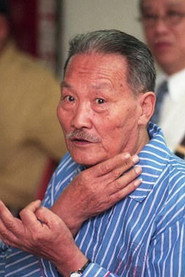 Miao TianSelf
 Shih ChunSelf
 Chen Chao-jungSelf
 Yang Kuei-meiPeanut Eating Woman
Directing
- Tsai Ming-liangDirector
- Vincent WangFirst Assistant Director
Writing
- Tsai Ming-liangWriter
Production
- Ai-Lun ChuLine Producer
- Hung-Chih LiangProducer
- Vincent WangProducer