
Film
Angel Dust
Angel Dust is a 1994 Japanese thriller about serial murders intertwined with a cult deprogramming case. It blends psychological horror with procedural crime mystery, marked by unsettling atmosphere and sudden violence. The film is deliberately obscure and difficult—it asks you to piece together fragmented clues while characters withhold information. Best suited to viewers who prize strangeness over clarity, and who find conventional plotting tedious.
If you liked this
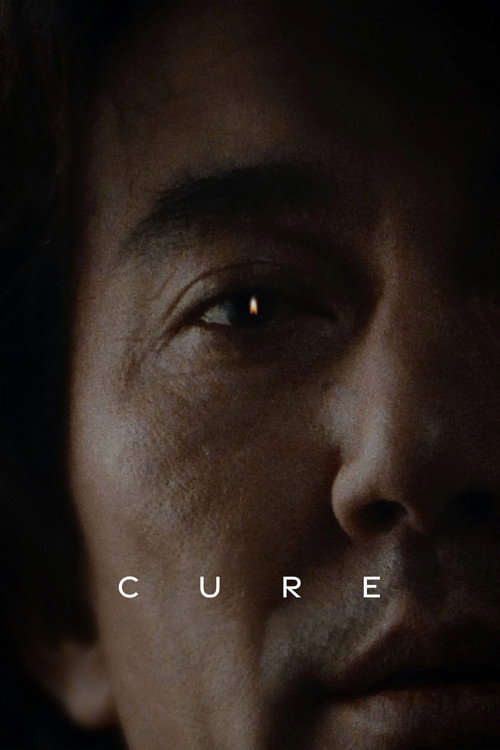
Cure1997
Kiyoshi Kurosawa's masterpiece of suggestion and dread. Mysterious murders proliferate with no clear motive; the film's power lies in what it doesn't explain. Creates genuine unease through atmosphere rather than gore.
But Deliberately opaque and slow-moving. Refuses to provide satisfying answers or narrative closure. Demands patience and tolerance for ambiguity.
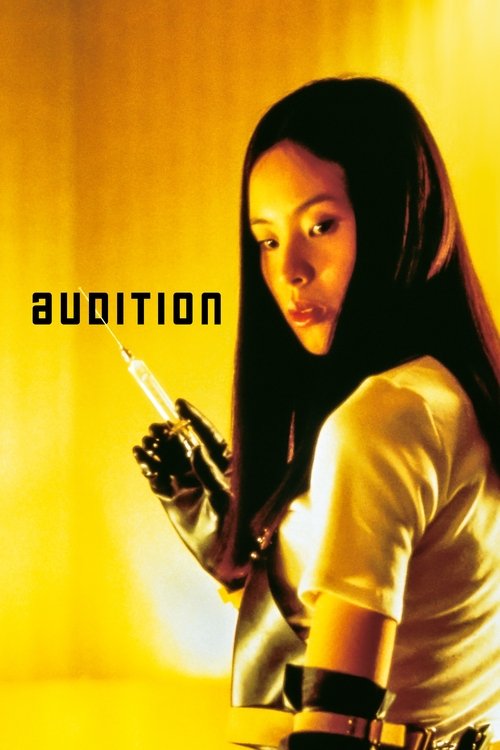
Audition2000
Takashi Miike's brutal romance-gone-wrong explores obsession and violence with balletic precision. Seductive initially, then shockingly cruel. A masterclass in tonal manipulation that haunts you for days.
But Contains graphic violence and psychological cruelty. The tonal shift is abrupt and designed to disturb. Not cathartic—it aims to make you uncomfortable.
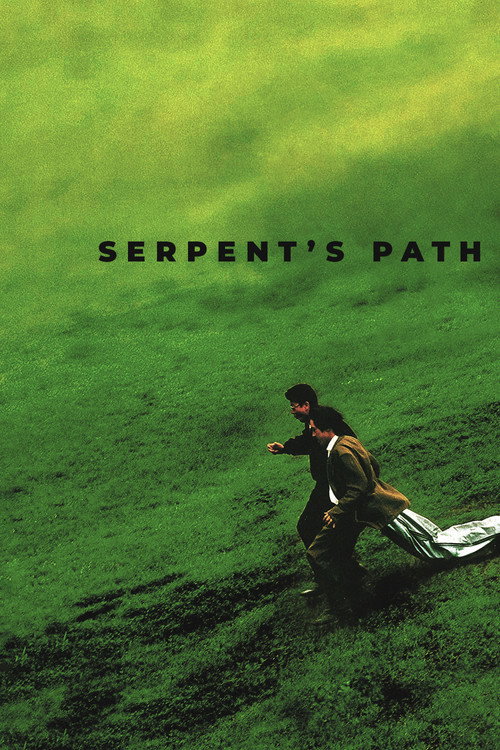
Serpent's Path1998
Raw, unpolished vigilante revenge told in long takes and minimal dialogue. Two men hunt a killer with escalating desperation and moral compromise. Japanese exploitation cinema at its most confrontational and honest.
But No plot twists, minimal dialogue, ugly handheld cinematography. Feels like surveillance footage of two men's descent. Patience required; it does not entertain in conventional ways.
Not sure tonight? Get a pick in a minute, starting from Angel Dust
The wildcard
Something you would not have found on your own.
The Ballad of Little Jo1993
Both films are structured around hidden identities and the unraveling of deception. Both use crime and violence to explore how people construct false selves under psychological pressure. Both are deliberately anti-climactic about their own revelations.
Maggie Greenwald's Western about a woman who passes as a man to survive frontier violence. Quiet, precise, morally complex. Offers genre revision rather than genre repetition—same bones, inverted stakes.
But Deliberately unglamorous Western. Slow, talky, not interested in spectacle. Some find the revisionist approach didactic rather than dramatically urgent.

More like this (8)
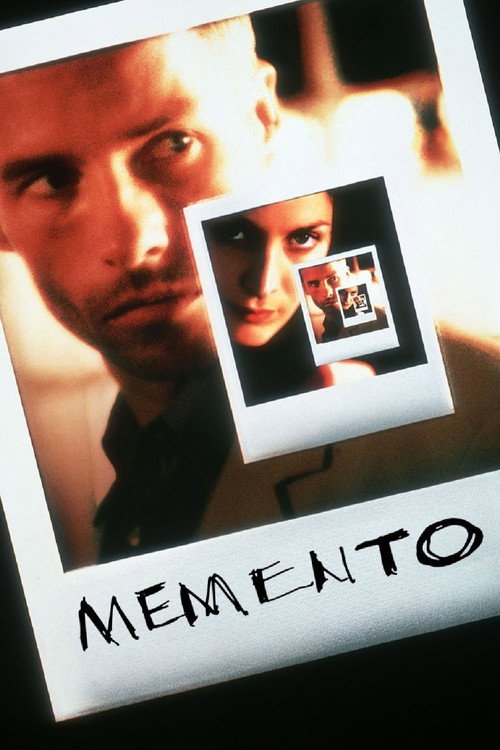
Memento2000
Christopher Nolan's fragmented narrative mirrors protagonist's shattered memory. Each scene is a puzzle piece; you must actively solve the mystery. Endlessly rewatchable structure that rewards engagement.
But The backward chronology is gimmicky if you're not invested. Some find the puzzle more interesting than the character. Requires total attention for payoff.
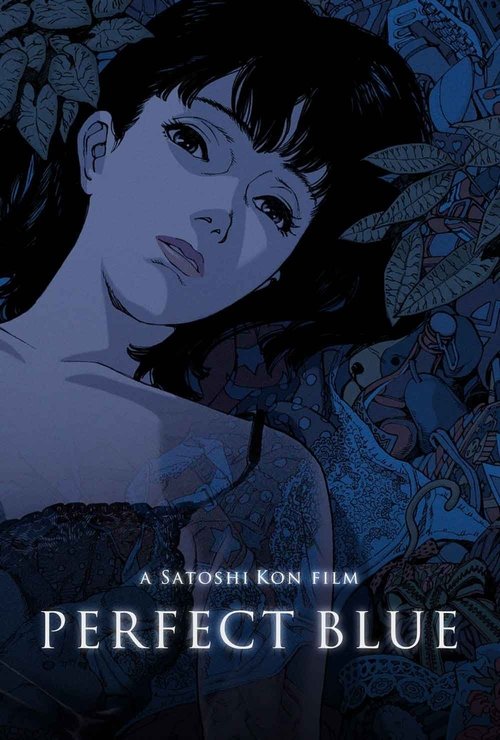
Perfect Blue1998
Satoshi Kon's animated psycho-thriller about identity dissolution and obsession. Visually inventive, genuinely frightening without relying on jump scares. Blurs reality and delusion with hypnotic precision.
But Anime may feel unexpected for this kind of thriller. Some stalking content and uncomfortable sexuality. Can feel deliberately disorienting in ways viewers find frustrating rather than clever.
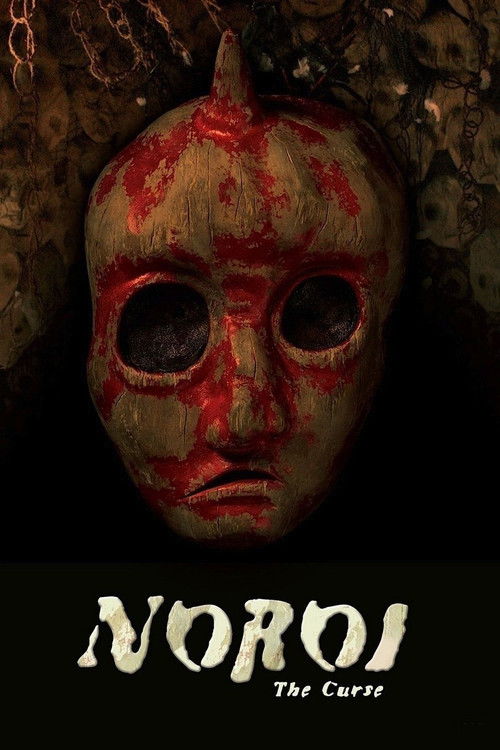
Noroi: The Curse2005
Found-footage horror that builds dread through internet videos and TV footage. Japanese occult terror filtered through media consumption. Frightening precisely because it refuses to clarify what's happening.
But Found-footage format feels dated now. Very long and meandering; most scares are subtle. The payoff is deliberately unsatisfying.
Pather Panchali1955
Satyajit Ray's debut is cinema's gentlest portrayal of hardship and family dissolution. Observational, poetic, deeply human. A gold standard for how narrative restraint creates emotional impact.
But Black-and-white, slow pacing, deeply sad. No plot in conventional sense—just life unfolding. Some find Ray's restraint cold rather than moving.

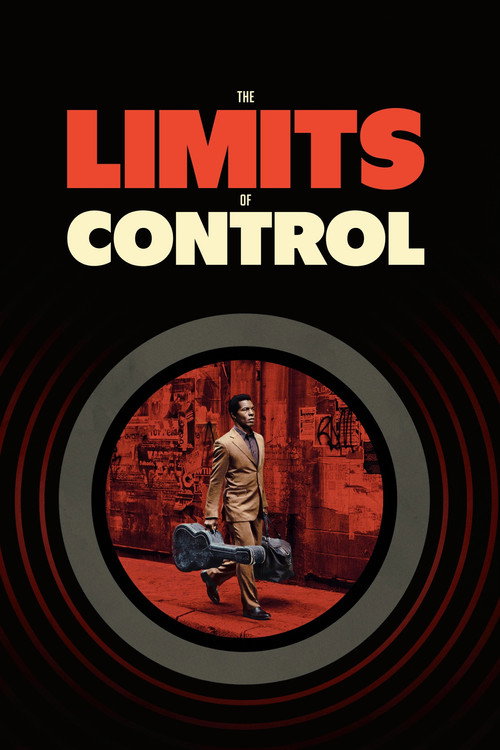
The Limits of Control2009
Jim Jarmusch's patient, oblique spy film about a man following incomprehensible instructions. Visual poetry and cryptic mood overwhelm plot. For viewers who prize texture over narrative momentum.
But Deliberately opaque and repetitive. No action sequences, no clear antagonist, minimal dialogue. The plot refuses to solidify; some call this boring, not mysterious.
Under the Skin2014
Jonathan Glazel's sci-fi horror about alien predation and human vulnerability. Scarlett Johansson in a role stripped of glamour. Hypnotic, disturbing, visually stunning in bleak ways.
But Plot is skeletal; narrative clarity is not the aim. Long static shots and ambient dread rather than conventional scares. Tonally heavy; not entertainment.

Come and See1985
Both films use fragmentary narrative and refusal of conventional resolution to convey psychological damage. Both depict violence as brain-breaking rather than thrilling. Both assume viewers can tolerate profound discomfort as a path to truth.
Elem Klimov's apocalyptic WWII film follows a boy's nightmarish entry into war. No plot, only descent. Visually overwhelming, emotionally annihilating—possibly cinema's most complete portrait of trauma.
But Graphically violent and deeply, relentlessly bleak. Not cathartic; designed to scar viewers. Some find it exploitative rather than enlightening.

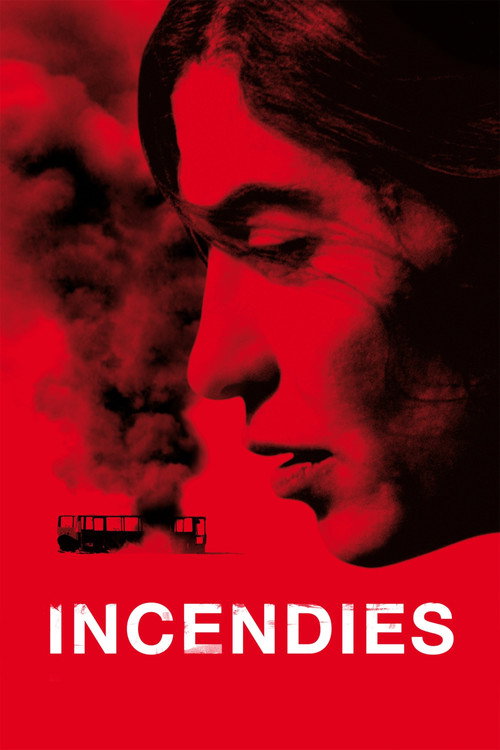
Incendies2010
Both films structure mystery through withholding and revelation, forcing viewers to reassess earlier scenes. Both treat crime as consequence of psychological/social dysfunction rather than simple evil. Both use formal complexity to mirror characters' fractured understanding of their own histories.
Denis Villeneuve's puzzle-box revenge drama unfolds backward and forward through a family's hidden atrocities. Mathematical precision and emotional devastation. The structural twist earns its weight through quiet, accumulated detail.
But Deals with sexual violence and religious conflict in ways that feel deliberately provocative. Long and emotionally exhausting. Some find the twist manipulative rather than earned.
People
Cast
 Kaho MinamiSetsuko Suma
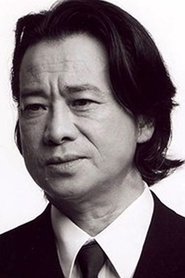 Takeshi WakamatsuRei Aku
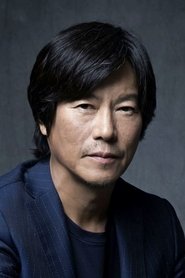 Etsushi ToyokawaTomoo
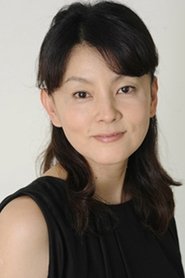 Ryoko TakizawaYuki Takei
 Masayuki ShionoyaFumio Banba
- Yukio YamatoShinji Ashida
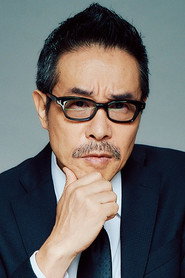 Tomorowo TaguchiEndo
 Toshinori KondoKotaro Shimada
- Jin AkiyamaProfessor Souda
Directing
- Gakuryu IshiiDirector
Writing
- Yorozu IkutaScreenplay
- Gakuryu IshiiWriter
Production
- Satoshi KannoExecutive Producer
- Eiji IzumiProducer
- Kenzo HorikoshiProducer
- Taro MakiProducer